The Silent Enemy: How Humidity Affects Wood Furniture in Singapore's Climate
Living in Singapore means embracing a lifestyle defined by warmth, greenery, and a vibrant urban energy. From the HDB corridors of Tampines to the sleek interiors of a Punggol condo, our homes are sanctuaries. But this tropical climate, with its high average humidity of 80-85%, presents a constant, silent challenge to the furniture that fills these spaces. Wood is a natural, hygroscopic material, meaning it absorbs and releases moisture from the air. For a solid wood loveseat, a bed frame, or a dining table, this natural process can lead to warping, cracking, and a loss of structural integrity if not properly understood and managed.
Understanding the Science: Why Wood Reacts to Humidity
At a microscopic level, wood is composed of long cellulose fibers bound together by a substance called lignin. Think of it as a bundle of straws. When the humidity in the air rises, these fibers absorb water molecules, causing them to swell and expand. Conversely, when the air is dry, the fibers release moisture and contract. This natural expansion and contraction is known as movement. For furniture, this movement can manifest in several ways. A solid wood dining table might develop a slight cupping, where the edges rise slightly above the center. A wardrobe door might stick or become difficult to close. A solid wood loveseat might feel a bit tighter, or in extreme cases, joints can loosen as the wood shrinks away from the glue. The key is not to stop this movement entirely—that is impossible—but to control it within acceptable limits.
Real-World Scenarios: Humidity's Impact on Singapore Homes
The effects of humidity are not theoretical; they are visible in homes across the island. I visited a client in a 5-room HDB flat in Bedok last month. She had recently purchased a beautiful American light luxury bed frame made from solid oak. The unit was placed near a window that was frequently opened for ventilation. After the rainy season, she noticed a distinct gap, about 0.3 cm wide, had developed between the headboard and the side rails. The wood had expanded slightly with the moisture in the air. In another instance, a colleague in a Tampines HDB reported that the drawers in his new wardrobe were becoming stiff, a clear sign of the wood swelling. These are common issues that arise when furniture is not suited for the local climate or when the environment is not managed correctly. The cost of replacing or repairing a damaged wardrobe or bed frame can easily run into several thousand Singapore dollars, a significant expense for any homeowner.
How to Protect Your Furniture: Practical Tips for Singaporean Living
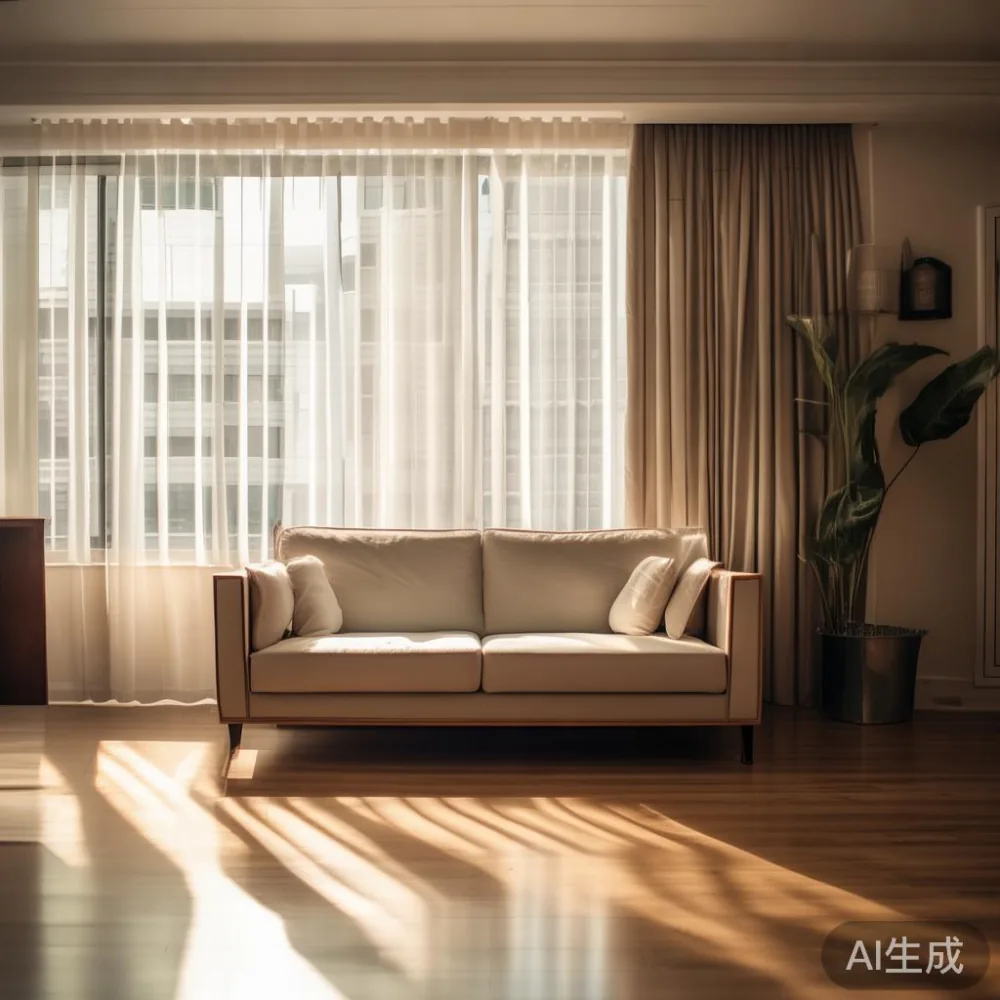
Managing humidity is about creating a stable micro-environment for your furniture. The first step is controlling the air itself. Air conditioning is your most effective tool. Running your AC consistently helps maintain a relative humidity level between 45-60%, which is ideal for wood furniture. If you don't have AC, or use it sparingly, consider using a dehumidifier, especially in enclosed spaces like walk-in wardrobes or storage rooms. Place silica gel desiccant packs inside drawers and cabinets to absorb excess moisture. For furniture placed near windows, using curtains or blinds to block direct sunlight can help prevent rapid, localized heating which can cause uneven drying and cracking. When cleaning, always use a slightly damp, not wet, cloth and wipe in the direction of the wood grain. Avoid harsh chemical cleaners that can strip the wood's natural oils and make it more susceptible to moisture damage.
Choosing the Right Furniture: What to Look for in Singapore
When selecting new furniture, the construction and materials are paramount. A well-made piece is better equipped to handle humidity. Look for furniture constructed with solid wood, not veneers or particleboard. Solid wood moves as a single, more stable piece. Pay close attention to the joinery. Dovetail joints, mortise and tenon joints, and dowel joints are strong and allow for the natural movement of wood without compromising the structure. Avoid furniture that relies solely on staples or nails, as these will fail as the wood expands and contracts. A reputable manufacturer will understand these principles. For example, a quality solid wood sofa will be built with frames designed to flex slightly, accommodating the wood's natural behavior without sagging or breaking. The finishing is also critical. A multi-layered lacquer or oil-based finish acts as a barrier, slowing down the rate at which moisture can penetrate the wood fibers.
Is a Light Luxury Loveseat a Good Choice for Singapore's Humidity?
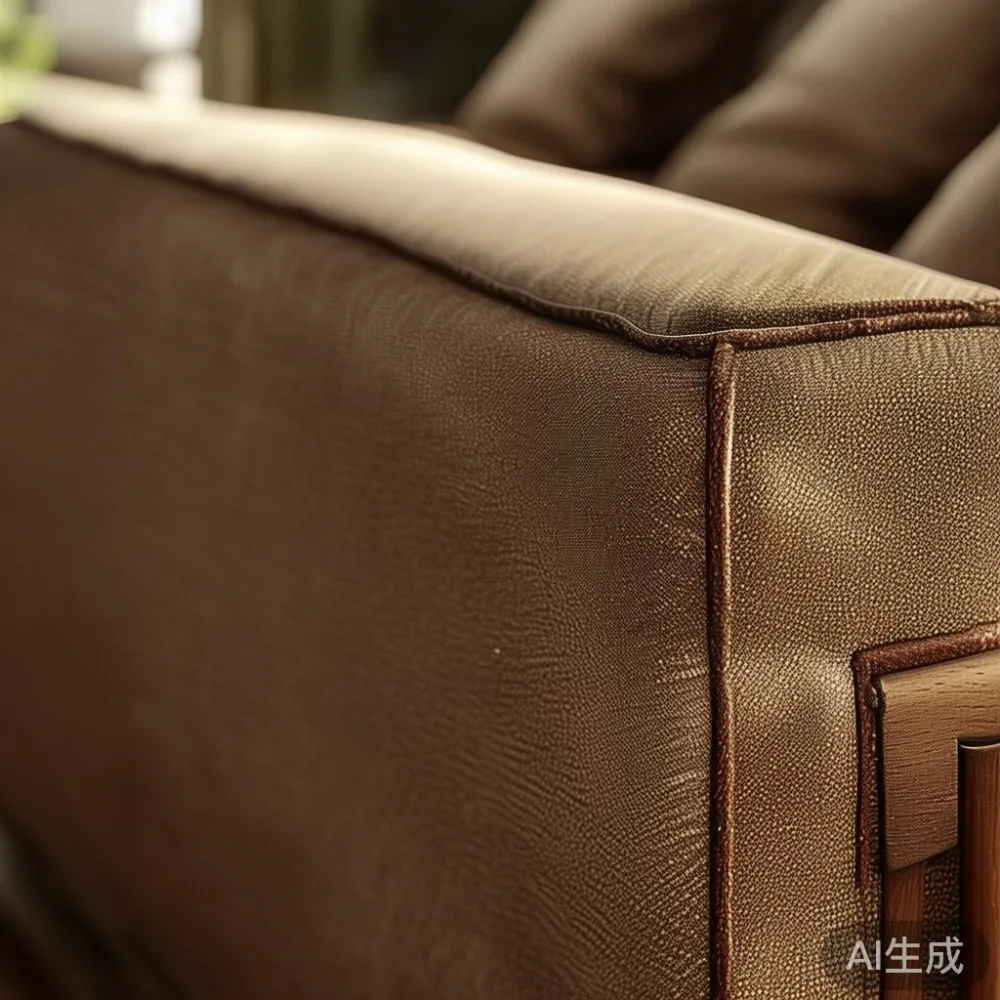
Many homeowners in Singapore are drawn to the aesthetic of light luxury furniture. The clean lines of French light luxury or the minimalist appeal of post-modern styles can improves a living space. The question is, can these pieces withstand our climate? The answer is yes, but with a caveat. The style—be it a French provincial accent chair or a post-modern for dining room set—is less important than the quality of construction. A cheap European light luxury furniture piece might look beautiful but could be made from inferior woods or poor joinery, making it highly susceptible to warping. A high-quality loveseat, regardless of its style, should be built from a stable hardwood like teak, mango wood, or a well-treated oak. These woods have a tighter grain and are naturally more resistant to moisture-related issues. So, when you're looking for a loveseat, focus on finding one that promises solid wood construction and a durable finish. The style is a matter of personal taste, but the craftsmanship is what will ensure its longevity in your home.
The Long-Term Value: Investing in Quality Over Price
The initial price tag on furniture can be misleading. A cheaper wardrobe might seem like a bargain today, but if it warps and needs to be replaced in three years, it ends up being more expensive in the long run. Investing in a piece like the best Rustic wardrobe for 2026, for instance, is an investment in durability. A well-constructed wardrobe will maintain its shape and function for decades. Similarly, understanding the difference between a French sofa vs French provincial sofa can help you make an informed choice. A French sofa might refer to a general style, while a French provincial sofa implies a specific, often more traditional, construction method. Knowing this helps you ask the right questions about the materials used. Look for warranties that cover structural integrity. A 10-year structural warranty, for example, is a strong indicator that the manufacturer stands behind the quality of their joinery and materials. This provides peace of mind, knowing that your investment is protected against the very real effects of humidity.
Styling Your Furniture: Creating a Cohesive Look in Singapore Apartments
Once you have furniture that can withstand the climate, the next step is styling it to suit your home. Singapore apartments, whether HDBs or condos, often have specific spatial constraints. For instance, the standard lift width in many older HDB blocks is about 110 cm, and the corridor width in a 5-room flat is approximately 120 cm. This means you need to be mindful of the dimensions of your furniture. A large marble table might be a stunning centerpiece, but you need to ensure it can be maneuvered through doorways and into the lift during delivery. When considering a large piece like a European wardrobe in apartment, measure your space carefully. Consider how you can style it with smaller items like a nightstand to create a balanced look. The key is to create harmony between your functional pieces and your decorative ones. This approach ensures your home is not only beautiful but also practical and well-proportioned for the Singaporean living environment.
Final Thoughts: Enjoying Your Furniture with Confidence
Working through the challenges of humidity doesn't mean you can't enjoy beautiful, natural wood furniture in your home. It simply means being an informed and proactive owner. By understanding how wood behaves, controlling your home's environment, and choosing high-quality, well-constructed pieces, you can create a living space that is both stunning and durable. The goal is to own furniture that you love and that can gracefully adapt to the unique conditions of Singapore. A well-cared-for solid wood loveseat or dining table will not only serve its purpose for years but will also develop a rich patina, telling the story of your life in your home. For those looking to explore options and learn more about construction techniques, resources like api.midhill.co can provide detailed specifications to help you make the perfect choice for your space.