Understanding the Logistical Challenges of Furniture Delivery in HDB Flats
Buying furniture online offers incredible convenience, allowing homeowners in Singapore to browse thousands of designs from the comfort of their living rooms. However, the moment the purchase button is pressed, the logistical journey begins. This phase is often overlooked until the truck arrives at the lift lobby. For many residents in older Housing and Development Board estates like Tampines or Bedok, the physical constraints of the building play a decisive role in what you can actually bring into your home. Understanding these limitations prevents costly mistakes and ensures that your new investment, whether it is a large dining table or a smaller piece, fits perfectly without frustration.
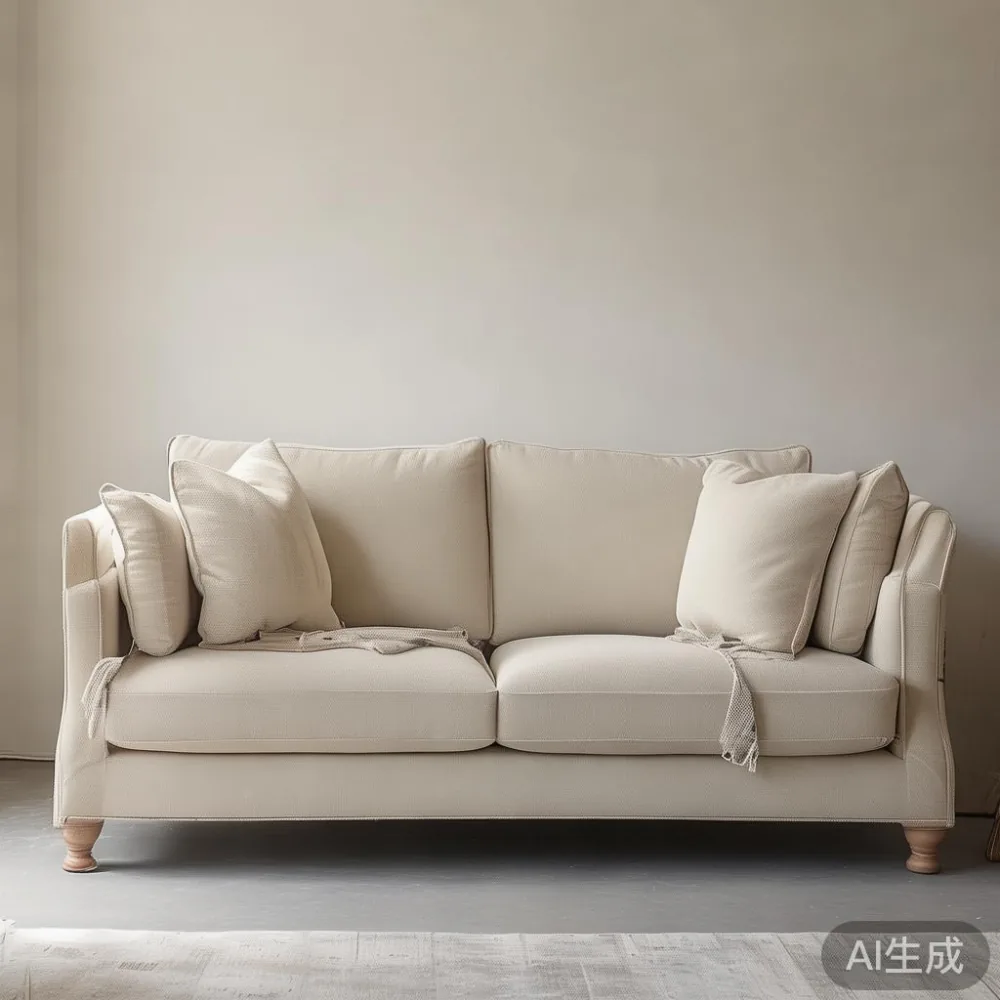
The thrill of selecting a post-modern light luxury design can fade quickly if the item cannot work through your front door. Dimensions matter significantly more than aesthetics when dealing with Singapore’s vertical living structures. We have seen situations where a beautiful solid wood sofa was blocked by a narrow corridor in a Punggol condo, forcing a return shipment. To avoid this scenario, homeowners must measure not just the room, but every passageway leading to it. This includes the lift car depth, the staircase turns, and the threshold width of the main door. Taking these measurements accurately saves time and money in the long run.
What are the exact width requirements for HDB lifts and corridors?
Most standard HDB lifts in older blocks have internal dimensions ranging from 110 centimeters in width to 140 centimeters in depth. Newer condominiums in areas like Tampines Hills or Bedok Reservoir often feature larger lifts capable of accommodating deeper items, sometimes up to 200 centimeters. However, the critical factor is usually the corner turn. A long item, such as a wardrobe or a 2-meter solid wood sofa, requires diagonal clearance. If the corridor width measures less than 120 centimeters, maneuvering a long piece becomes nearly impossible without tilting it at a steep angle. You must consider the height of your ceiling as well, as some units have false ceilings that limit vertical movement.

When planning the entry route, account for the thickness of doors and the presence of built-in cabinets near the entrance. A recent delivery attempt for a marble table involved a 130-centimeter-wide slab that simply could not turn the bend in an older flat near Geylang Serai. The solution required disassembling the base separately, which added labor time. Always verify the lift dimensions before confirming an order. If you live in a landed property, the driveway width is the primary concern rather than the lift. For those in public housing, knowing the specific block number helps determine the lift capacity, as newer batches have different specifications than older ones from the 1990s.
If your item exceeds the lift limits, it may require service elevator booking or manual handling down the stairs. Manual carrying charges typically add between 200 SGD to 500 SGD depending on the weight and floor level. A nightstand weighing 25 kilograms is manageable, but a wardrobe exceeding 150 kilograms demands multiple movers. Planning ahead prevents surprise fees at the delivery door. Some sellers offer pre-delivery checks to confirm route feasibility, which is a valuable service when purchasing large items like a dining table that spans over 180 centimeters in length.

How long does professional assembly actually take for a typical order?
Last month I visited a client's home in Bedok North to observe the installation process of their new bedroom suite. The team arrived with a clear timeline estimate of four hours for the entire setup. They began by unpacking the bed frame components, laying them out on protective mats to prevent scratching the flooring. For a standard king-size bed frame, the assembly took approximately ninety minutes due to the complexity of the hydraulic storage mechanism underneath. The crew followed a systematic approach, securing joints tightly to ensure stability over decades of use.
Different furniture types require varying amounts of time. A simple wardobe might take three hours if it involves wall anchoring, whereas a standalone bookshelf takes less. During the visit, we discussed the difference between French light luxury finishes and simpler laminates. The care required during assembly for veneered items is higher to prevent chipping on visible edges. My colleague noted that the team spent extra time aligning the drawer runners on the wardrobe to ensure smooth operation. This attention to detail distinguishes professional assembly from DIY efforts.
For a loveseat, the process is generally quicker, often completed within sixty minutes. However, if the unit requires upholstery wrapping removal or leg attachment, delays can occur if parts are missing. Always allow a buffer window for the delivery crew. In busy periods, traffic in residential zones like Punggol can extend arrival times. Confirming the slot beforehand ensures the installers do not leave prematurely due to scheduling conflicts. Professional assembly also handles the disposal of packaging materials, which is a significant benefit in HDB environments where trash collection points are restricted to specific times and bins.
Quality control happens after assembly is complete. The team checks that all moving parts function correctly before departing. This step is important for items with mechanical elements, such as reclining sofas or adjustable bed frames. If the customer notices issues later, the warranty claim process begins, which can be time-consuming. Ensuring the initial setup is correct minimizes future maintenance headaches. Trusting experienced hands reduces the risk of improper torque on screws or misaligned panels that could compromise the structural integrity of the piece.
How do I style a American queen bed in a small apartment?
To style an American queen bed in a small apartment, select a design with exposed legs to expose floor space beneath the frame.
This visual trick makes the room feel larger than its actual square footage. While global markets like the Middle East might search for a Modern light luxury headboard saudi arabia design, local residents focus on fitting furniture into standardized HDB layouts. The choice of finish plays a major role in perceived size. Light-colored woods reflect more light than dark stains, enhancing the airy feeling necessary for compact master bedrooms. You should pair the bed with a slim nightstand rather than a bulky dresser to maintain open walking paths.
The placement of the bed dictates the flow of the rest of the furniture. In a studio layout, the bed acts as a divider, separating the sleeping zone from the living area. Placing the headboard against a short wall maximizes the length of the room available for a sofa or workspace. Avoid blocking air conditioning vents or electrical outlets behind the mattress. Proper spacing also aids in cleaning routines, preventing dust accumulation in tight corners. For homeowners who travel internationally, comparing sizes is helpful; a standard queen measures roughly 150 centimeters wide, which leaves limited side clearance in a 300-centimeter wide room.
Lighting selection further supports the styling strategy. Wall-mounted lamps save bedside table space compared to traditional table lamps. Mirrors placed opposite windows bounce natural light throughout the room, reducing the need for artificial lighting during the day. These small adjustments contribute to a cohesive look without overcrowding the area. The goal is functional elegance, where every piece serves a purpose while maintaining a sense of proportion. This approach applies equally to other furniture categories, ensuring harmony across the home.
Are there hidden costs beyond the sticker price on furniture listings?
Transparent pricing is important when shopping online, yet several factors can increase the final bill. Goods and Services Tax currently stands at 9 percent in Singapore, affecting all purchases above a certain threshold. Delivery fees often vary based on location and vehicle type needed. Free shipping promotions typically apply to orders exceeding 350 SGD, which covers most individual items but might exclude bulk orders requiring freight trucks. Insurance coverage is another consideration for high-value pieces like a marble table, which is fragile during transit.
Customization requests incur additional charges. Changing the fabric color on a solid wood sofa or requesting custom dimensions adds labor costs. Installation services are sometimes quoted separately unless specified as included. If you move your furniture later, dismantling and reinstallation fees apply. These secondary costs accumulate quickly if not budgeted initially. Checking the terms and conditions thoroughly clarifies what is covered under the base price. Sellers operating with long-term warranties often include basic protection, but extended coverage requires a premium.
Exchange rates impact imported goods, causing fluctuations in pricing over time. Local manufacturers mitigate this risk by holding stock domestically, offering stable SGD pricing. When comparing vendors, look for comprehensive quotes that outline every fee component. Hidden surcharges for weekend deliveries or evening slots can add 50 SGD to 100 SGD to the total. Clarity in the billing process builds trust between buyer and seller. Ensuring you understand the full financial commitment prevents budget shortfalls upon payment.
What protections exist if damage occurs during the transit process?
Mishaps during transport happen despite careful packing. Most reputable retailers offer a 14-day return policy covering defects or damage discovered upon arrival. Inspection upon delivery is mandatory; acceptors should note any scratches or dents on the delivery receipt before signing. Immediate reporting initiates the claims process swiftly. Replacements for minor cosmetic issues might involve touch-up kits, while severe structural damage warrants a full replacement.
Long-term durability is often backed by warranties extending up to ten years on frames. This guarantees against collapse or significant failure of the core structure. Finishes may degrade faster due to humidity changes common in Singapore, but lifetime refinishing options help restore original appearance. Companies providing these guarantees demonstrate confidence in their construction quality. Regular maintenance extends the lifespan of solid wood pieces significantly, protecting your investment against wear and tear.
Returning an item involves repackaging it in original boxes, which can be challenging after assembly. Sellers sometimes deduct restocking fees if the packaging is incomplete. Keeping the boxes for thirty days after delivery provides a safety net for returns. This buffer period allows time to detect delayed damage that surface inspection misses. Clear communication channels with customer support expedite resolutions when issues arise. Knowing your rights protects your finances and peace of mind throughout the ownership journey.
Whether you purchased a bedroom set or just a loveseat, understanding these logistics empowers smarter decisions. Confidence in the buying process stems from preparation and knowledge of your home’s physical constraints. By addressing the practical aspects of delivery and care early, homeowners enjoy their new furnishings without unnecessary stress. Reliable partners in the industry support this vision through consistent service standards and transparent policies.