How to Care for a Lacquered Loveseat Surface in Singapore's Tropical Climate
I still remember a Saturday afternoon at a client home in Tampines last March. The owner had bought a beautiful two-seater loveseat in a warm walnut lacquer, and within eight months the armrest showed cloudy halos where wet hands had rested. He thought the lacquer had failed. In truth, Singapore's average 75–90% relative humidity and indoor temperatures of 26–32°C had done what they always do: they punish an unprotected film finish. That afternoon inspired this guide — written for anyone who owns, or is about to own, a lacquered loveseat in an HDB flat or a Punggol condo.
Why Singapore's Climate Is Hard on a Lacquered Loveseat
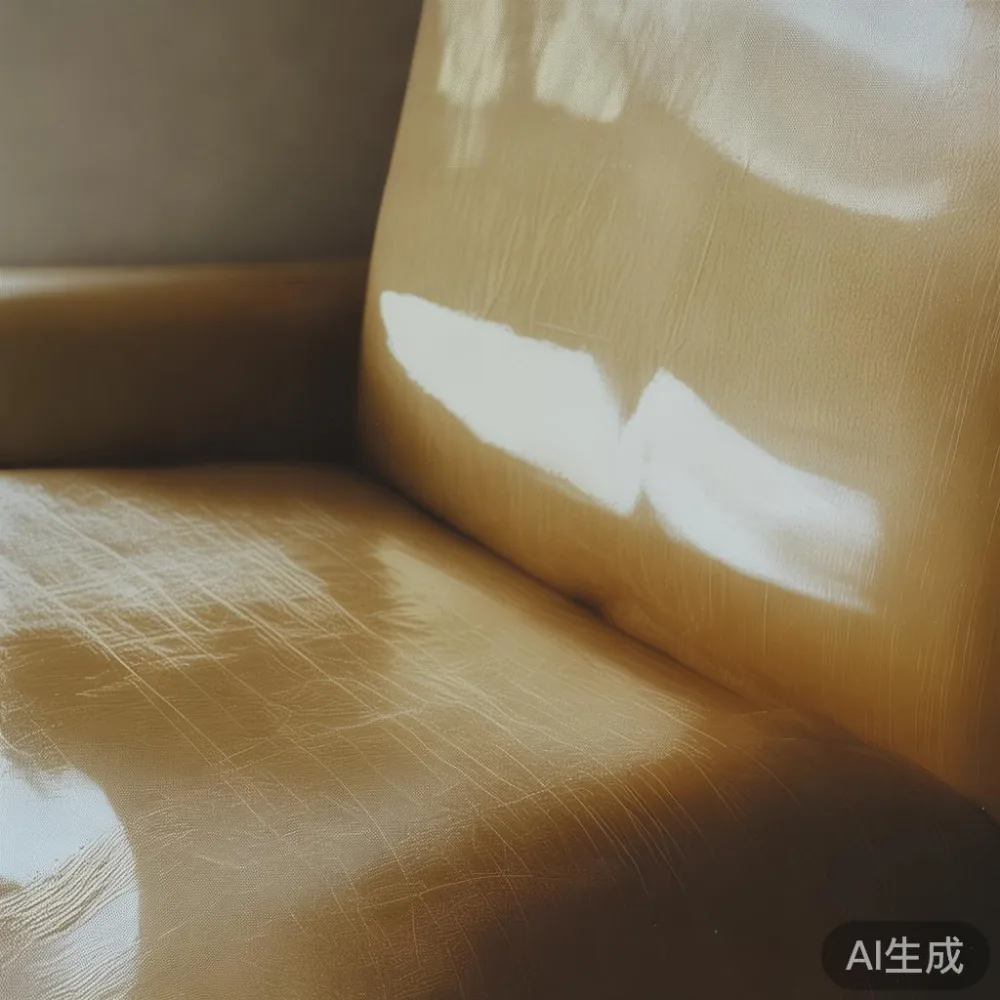
Relative humidity in Singapore hovers between 70% and 90% for most of the year, and indoor microclimates in a typical 92 sqm HDB flat in Tampines can swing sharply when you run the air-con for six hours then switch it off. Lacquer — whether the high-gloss piano finish common on post-modern light luxury pieces or the softer satin sheen on a French light luxury style — is a film finish. It does not breathe the way oil and wax do. When the wood underneath absorbs and releases moisture, the film can blush, micro-crack, or lift at the joints.
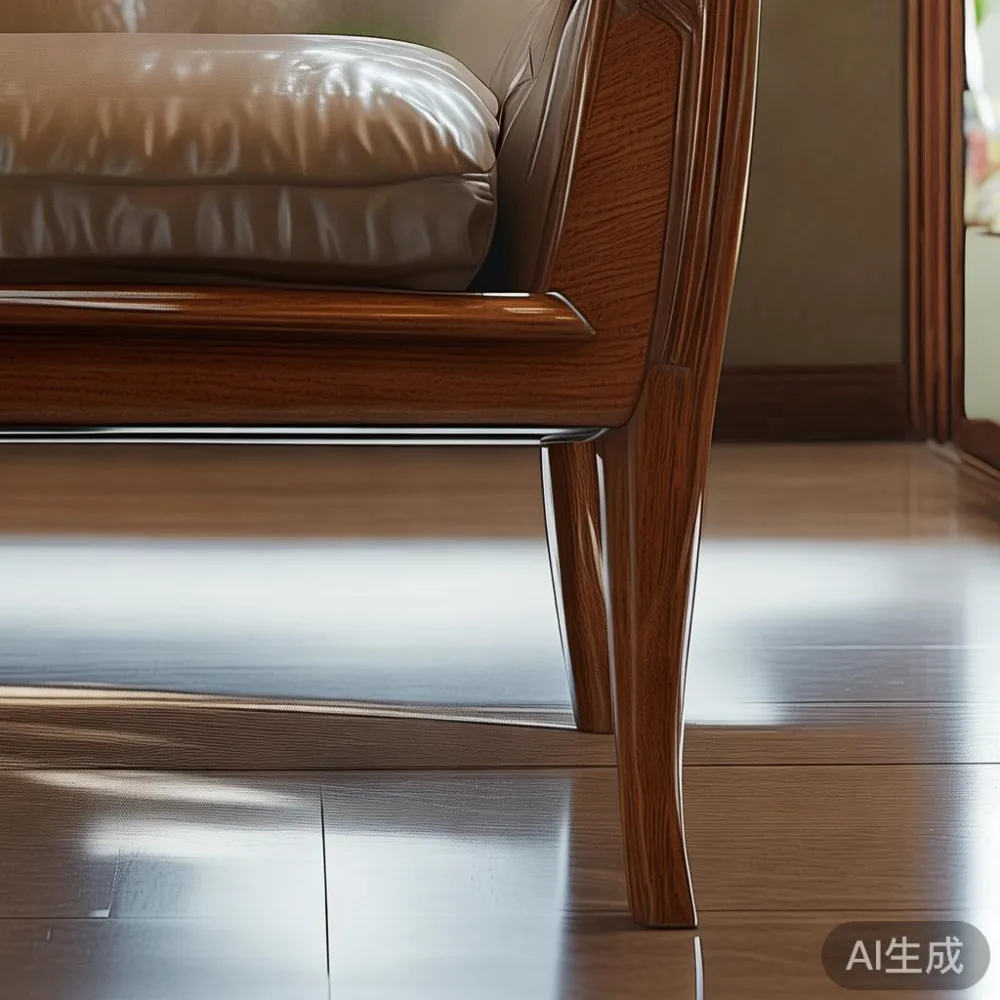
The lacquered loveseat sitting in your living room is usually made from a tropical hardwood such as rubberwood or ash, both of which move measurably with humidity changes. A 120 cm wide seat panel can change by 1–2 mm across its width between a dry February afternoon and a wet November morning. That movement shows up first at the corners, around the apron, and where the back legs are separated from the frame. UV is the second problem: afternoon sun through a west-facing Bedok window will yellow a clear lacquer within twelve months if you do nothing.
For readers who are also browsing for a matching Italian light luxury sofa to anchor the same room, the rules below apply equally to that piece and to any coordinating marble table, bed frame, or wardrobe from a similar collection.
What Is the Best Way to Clean a Lacquered Loveseat Every Week?
Weekly cleaning is habit, and the habit is short. You will need a microfibre cloth (around 30 gsm), a bowl of room-temperature water, and a neutral pH spray — avoid anything labelled "wood polish" that contains silicone, because silicone sinks into the lacquer and makes future refinishing harder.
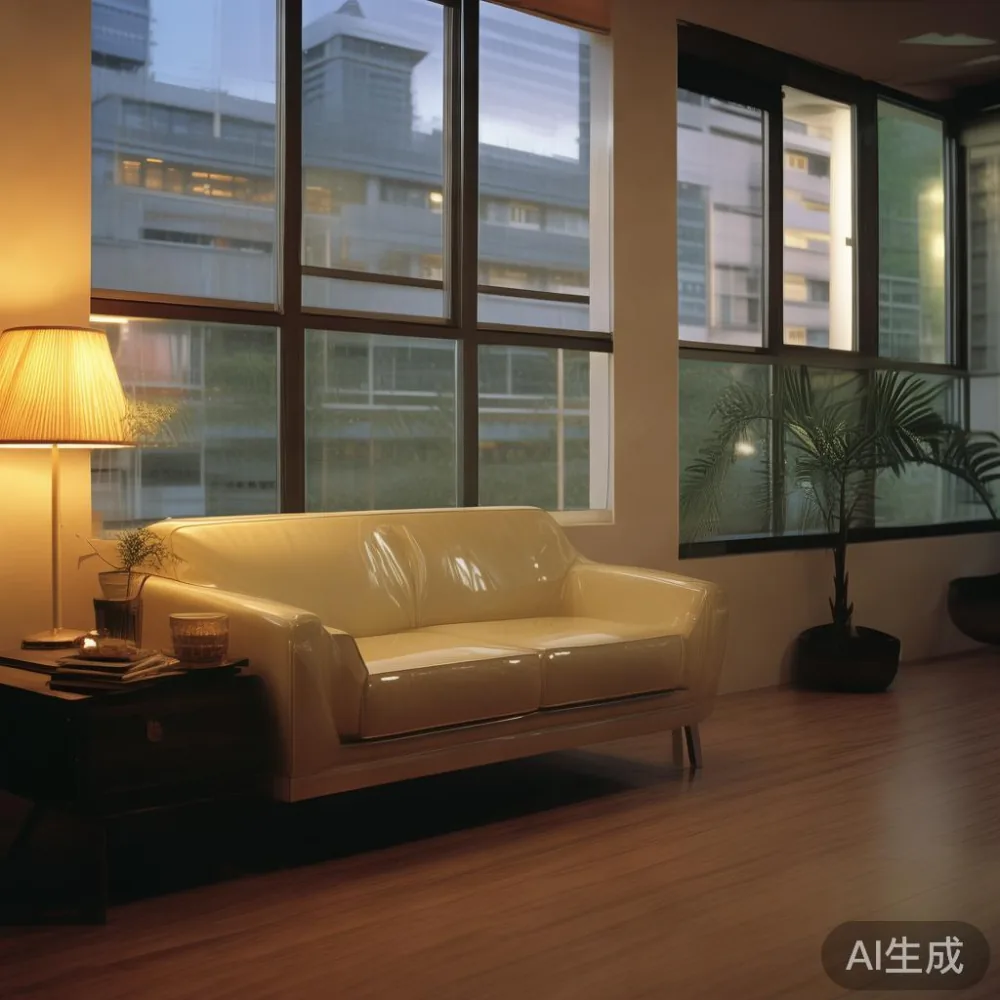
- Wipe the surface along the grain using a barely damp microfibre cloth. The cloth should feel cool, not wet.
- Dry immediately with a second clean microfibre. Never let water sit for more than fifteen seconds on the surface.
- Buff lightly in the direction of the grain for a soft satin sheen.
If you own a coordinating nightstand or dining table in the same lacquer, use exactly the same routine so the sheen stays even across the room. A 250 ml bottle of neutral cleaner costs around SGD 14 at a Tampines FairPrice, and a pack of three microfibre cloths runs about SGD 8. That is under a month for a year of weekly care.
How Should You Handle Spills, Sweat, and the Daily Marks of HDB Living?
The single most common lacquer failure I see in local homes is the handprint halo — the white cloud that appears where a sweaty arm or a cold glass has rested. This is not permanent damage; it is moisture trapped briefly under the surface tension of the lacquer film.
Action in the first thirty seconds matters. Blot, do not wipe. Use a dry microfibre cloth, press gently, lift. If the mark remains, breathe gently onto it to add a thin layer of warm vapour, then buff with a clean cloth. For something stickier — soy sauce from a takeaway, kopi on the armrest — use a barely damp cloth with a single drop of neutral cleaner, then dry. Never use vinegar, lemon, or "natural" acids on a film finish. They etch it.
A loveseat near the kitchen in a 4-room HDB tends to attract the worst of it. If yours sits within 1.5 m of the stove, wipe it down twice weekly, because airborne oil particles settle onto the lacquer and dull it within months.
What Humidity Level Should You Keep Around a Lacquered Loveseat?
Think of your loveseat as a piece of joinery that prefers the indoors to behave like a controlled cabinet. Aim for 45–60% relative humidity and 22–26°C. A basic hygrometer at a Bedok electronics shop is SGD 12–18, and a small dehumidifier box (around 300 g of silica) costs SGD 22 and lasts six to eight weeks before recharging.
If you are looking at a French light luxury style with a paler, blonde timber underneath, be stricter at the lower end of that range, because paler woods show humidity movement more visibly than darker walnut. If you have a darker espresso or walnut tone, 55% is a comfortable target.
Keep the loveseat at least 30 cm from any wall. In many Punggol condos the corridor outside the door is only 1.2 m wide, which tempts owners to push furniture tight against the wall. A 5 cm gap feels wasteful, but a 30 cm gap lets air move and prevents the back panel from trapping moisture.
How Do You Move a Lacquered Loveseat Through a Singapore Lift and Corridor?
This is where I have to be specific about local dimensions. A standard HDB passenger lift door is 80 cm wide and 2.1 m tall, and the cabin is roughly 1.1 m wide by 1.4 m deep. A typical two-seater loveseat is 140–160 cm wide, 80–95 cm deep, and 80–90 cm tall. It will not fit upright through an HDB lift door.
What to do:
- Tilt the loveseat onto its back and slide it in. Wrap the corners in clean blankets — a SGD 12 quilt from a neighbourhood shop works — secured with masking tape.
- Measure the corridor. Older HDB blocks have 1.2 m corridors; newer ones in Punggol have 1.5 m. Both will take a loveseat on its side if the legs are removed first.
- Remove the legs if they are bolted on, typically four M8 or M10 bolts per leg. A basic socket set is SGD 25, and you will use it again for any matching bed frame or wardrobe delivery.
If the loveseat has a fixed back, do not flex it. Lacquered joinery does not forgive twisting. Two people, not one. A 40 kg loveseat is manageable for one, but a 55–65 kg solid wood loveseat is a two-person job, period.
Can Sunlight Damage a Lacquered Loveseat, and What Window Treatment Helps?
Yes, and quickly. UV through a single-pane window in a west-facing Bedok flat will yellow a clear lacquer on an ash loveseat within 9–12 months. The yellowing is uneven, which makes it more visible than the same damage on a darker walnut piece. Three practical steps:
- Use a 3-pass blackout curtain with a UV-rated inner liner. A 140 cm wide panel for a standard HDB window runs SGD 38–55.
- Rotate the loveseat 180° every six months so any uneven ageing is symmetrical, not directional.
- Apply a UV-inhibiting wax once a year. A 200 g tin of clear paste wax is SGD 18–24. Apply a thin coat, wait fifteen minutes, buff off.
If your loveseat sits near a sliding door to the balcony in a Punggol condo, pull the sheers during the 11 am to 3 pm window, even on overcast ones. UV passes through cloud.
How Often Should a Lacquered Loveseat Be Refinished in Singapore?
For a piece in regular use — two adults, one child, occasional guest — expect a light buff and wax once every twelve months and a full refinish every five to seven years. A full refinish means a light sanding (320-grit, then 400-grit), a tinted sealer if the colour has faded, and two coats of pre-catalysed lacquer sprayed on. A local workshop in Singapore charges around SGD 280–420 for a standard two-seater loveseat refinish, parts and labour included.
Many Foshan factories, MIDHILL among them, structure their warranty around this idea: a ten-year structural warranty plus lifetime refinishing support means the lacquer is treated as a serviceable surface, not a one-time finish. That kind of support is worth more than the SGD 200 you might save on a cheaper import, because the refinish alone, over thirty years, would cost SGD 1,400–2,500 at market rates.
What Should You Avoid Putting on a Lacquered Loveseat?
A short list, because the wrong product is worse than no product:
- Silicone sprays. They make the surface slick, then sink in and prevent any future refinish from bonding.
- Furniture oils marketed as "restorer" or "reviver". They are formulated for oil finishes, not lacquer, and leave a permanent smeary film.
- Pledge and off-the-shelf aerosol polishes. Same silicone problem.
- Vinegar, lemon juice, baking soda paste. All etch the lacquer within minutes.
- Alcohol-based sanitisers. A single splash can dull a satin finish permanently.
If you want one product that does several jobs, a neutral pH cleaner used at half-strength with a microfibre cloth is enough for ninety percent of what a household will throw at a loveseat. Keep it on a shelf near the piece, not under the kitchen sink, where you will forget it.
How Do You Care for a Loveseat in a Small HDB Living Room With Limited Airflow?
Small rooms punish lacquer more than large ones, because humidity rises faster and falls faster. A 32 sqm living-dining in a 4-room HDB with the kitchen open will see humidity spike to 85% during cooking and fall to 50% once the air-con runs. That 35-point swing across six hours is exactly the cycle that micro-cracks lacquer at the joints.
Two habits help. First, run the kitchen extractor every time you cook, even for a two-minute mee goreng. Second, leave the air-con on low for the first hour after you stop cooking, so the room descends in humidity gently rather than in a single drop.
You can also place the piece near — but not directly under — an air-con vent. Directly under a vent, the lacquer on the top of the back rest will dry and crack within three to four years. Half a metre away, the airflow is gentle enough to help and not concentrate on one spot.
What About Pet Hair, Enamel Scratches, and the Marks of Daily Use?
Cat claws on a satin lacquer leave a white line that is actually compressed wood fibre, not missing lacquer. A fingertip rubbed firmly along the line, with a tiny drop of water, will often settle the fibre back. If the mark remains, a colour-matched wax stick (SGD 12–18 for a multi-pack) fills it.
For enamel scratches from a belt or a ring, the same wax stick works on darker finishes. On a paler, blonde French light luxury style, use a clear wax stick rather than a tinted one, because tinted wax on pale wood shows as a dark dot.
Vacuum the loveseat once a week with a soft brush attachment. A typical vacuum brush is 12 cm wide; pass it slowly along the seam between the seat and the back, because grit collects there and slowly wears the lacquer when someone sits down.
How Do MIDHILL's Warranty and Refinishing Support Help Long-Term Care?
When you buy a lacquered loveseat from a factory that treats the finish as serviceable, the long-term cost drops. MIDHILL's ten-year structural warranty covers joint failure, which is the part of a lacquered piece most affected by Singapore's humidity. The lifetime refinishing support means that in year eight, when the top of the armrest has dulled from a decade of arms resting on it, you are not looking at a SGD 1,200 replacement. You are looking at a refinish cost of roughly SGD 320 and a two-week turnaround. That difference matters over twenty years.
The free shipping over US$350 also matters for Singapore buyers ordering direct: a two-seater loveseat in walnut or ash typically clears that threshold easily, and the piece arrives crated, not loose-packed, which protects the lacquer corners in transit. A crate adds 8–10 kg to the total weight but prevents the corner dings that ruin a high-gloss finish on day one.
For owners browsing a wider collection — a matching bed frame in the same timber, a dining table for six, a three-door wardrobe — the care routine above applies identically across the range. The only piece in a typical collection that wants a different routine is the marble table, because marble is a stone surface and asks for a stone sealer, not a wax.
What If I Want a Loveseat With Storage or in a Specific Style?
If your HDB is short on square metres — and most are — a loveseat with storage under the seat is worth considering, but check that the storage compartment is vented. A sealed compartment under a lacquered seat traps moisture and off-gases from the foam, which over time will dull the underside of the seat. Modern light luxury with storage designs from serious factories usually include a small breather gap at the back; cheaper imports often do not.
For style, the three light-luxury directions — French light luxury, American light luxury, and post-modern light luxury — all use lacquer, but in different ways. French tends toward pale timber and satin sheen. American light luxury leans into darker walnut and a slightly higher gloss. Post-modern light luxury mixes tones and often pairs a lacquered frame with a contrasting upholstered back. Pick the one that matches your existing pieces, because mixing sheen levels in one room reads as careless.
If you are working with a smaller HDB living room — the common 14–18 sqm layout — an Italian light luxury accent chair in the same timber and lacquer as the loveseat adds a reading seat without crowding the space. Keep both pieces on the same care routine and the same wax schedule, and they will age as a pair.
Frequently Asked Questions From Local Owners
Can I place a lacquered loveseat on a balcony? No. Direct sun and rain will blister the lacquer within weeks. Use the balcony for an Industrial-style outdoor piece and keep the lacquered loveseat inside, away from direct UV.
Is a high-gloss lacquer harder to maintain than a satin one? Slightly. High-gloss shows every fingerprint and dust mote; satin hides them. Both are equally durable if cared for. Choose by taste, not by maintenance anxiety.
My loveseat arrived with a small dent on the corner. Is it fixable? Usually yes. A steam-dent repair (a wet cloth plus a warm iron, used for under ten seconds) raises compressed fibre. Follow with a wax fill and a buff. Most factories, including brands like MIDHILL, will arrange a touch-up kit for transit marks reported within fourteen days of delivery.
Can I use a lacquered loveseat in a guest room that is rarely aired? You can, but air the room once a week for thirty minutes. A closed guest room in Punggol can sit at 88% humidity for weeks, which is the worst condition for a film finish. If you are shopping for that guest room, a piece in a rustic style will tolerate the closed-room use better, and a Rustic for guest room direction is a reasonable pick precisely because rustic pieces tend toward oil or matte finishes rather than high-gloss lacquer.
Is an Italian light luxury sofa more sensitive than other styles? Not in the lacquer itself, but Italian styles often use paler timbers and higher gloss, both of which show damage faster. If you are comparing an Italian light luxury sofa to an American walnut piece, expect to spend roughly twenty percent more time on weekly care for the Italian piece.
What is a reasonable budget for a quality lacquered loveseat in Singapore? For a solid wood two-seater in walnut or ash, in a light-luxury style, expect SGD 1,400–2,200 for a properly made piece with a real warranty. Pieces well below that range tend to use veneers or thin lacquer that does not survive a Singapore decade.
Where can I read the official care guide for a specific loveseat? The factory's own care guide is the right place. For Foshan-made solid wood pieces, the midhill.co site carries downloadable care sheets for each collection, with product-specific notes on lacquer type and recommended cleaning products.
A Short Care Routine You Can Pin on the Fridge
Weekly: dry microfibre, then a barely damp one, then dry. Monthly: check the legs, look for lifting at the corners, vacuum the seams. Quarterly: wax with a UV-inhibiting paste, buff after fifteen minutes. Yearly: rotate the piece 180° and inspect the back panel for moisture marks. Every five to seven years: arrange a professional refinish. Keep a small hygrometer near the piece and aim for 45–60% RH. That is the whole routine. A loveseat cared for this way will outlast two sofas that were not, and it will look the part the whole time. Browse the wider collection — the matching dining table, the nightstand, the wardrobe — and your living room will read as one considered space, not five pieces that happened to arrive in the same delivery van.