Caring for a Lacquered Loveseat in a Tropical Climate
I keep a small notebook of every furniture mistake I have made since 2014, and half the entries involve lacquer. Last month I visited a client in a 990 sq ft Punggol HDB flat, four corridors deep from the lift lobby. She owned a two-seater loveseat with a high-gloss black lacquer finish, purchased three years ago from a local retailer. The frame was fine. The finish told a different story: ring marks, micro-bubbles along the armrest, and a faint blush of cloudiness where the afternoon sun hits the console. The culprit was not the brand or the wood. It was the climate. Singapore’s average humidity sits between 78% and 88% for most of the year, and indoor humidity in an HDB without a 24-hour dehumidifier can climb even higher after a wet afternoon in Tampines or Bedok.
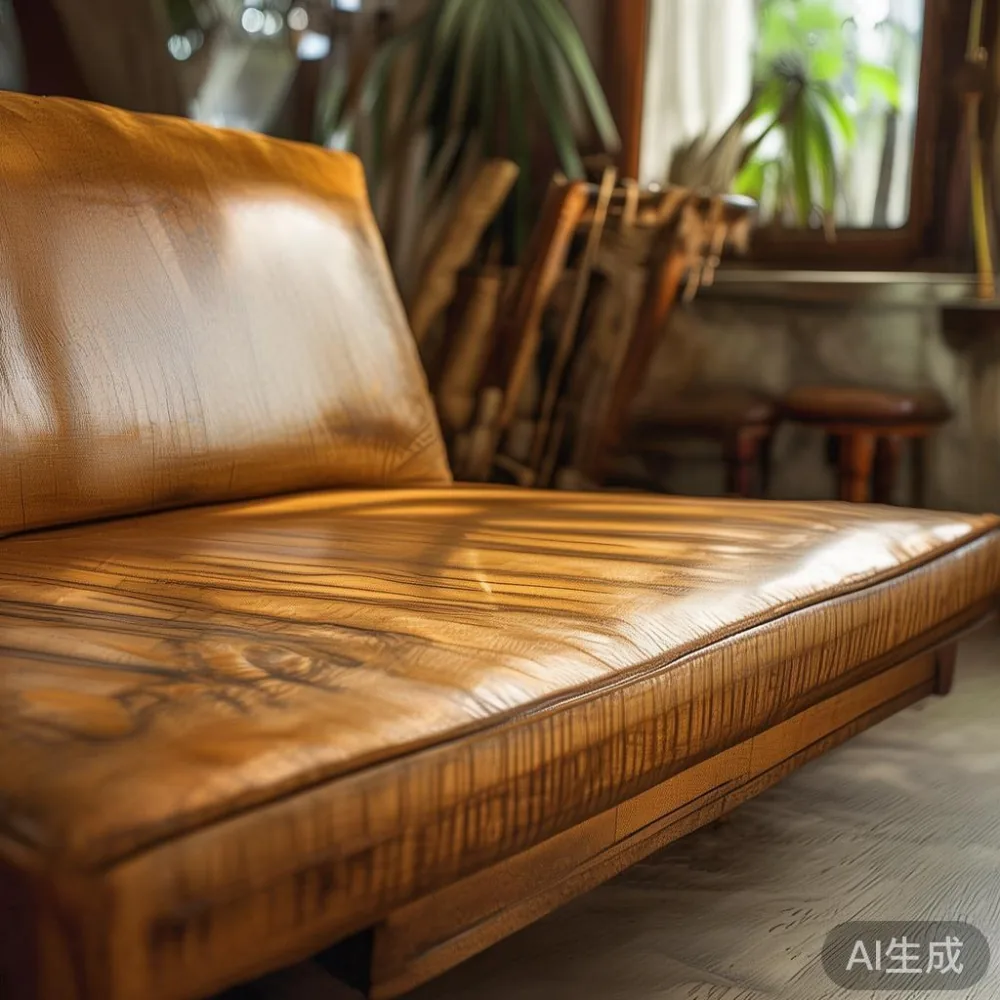
Most owners assume lacquer is maintenance-free because it looks like glass. It is, in reality, a thin film of cured resin over a carefully prepared solid wood substrate, and that film reacts to moisture, heat, and UV just like skin reacts to wind. A lacquered loveseat can survive twenty years in a temperate apartment or fail in three years in a tropical one. The difference is what sits between the finish and the air: a routine, a microclimate, and a few honest habits.
Why Tropical Humidity Is the Real Enemy of a Lacquered Loveseat
Lacquer cures hard, but it stays porous at the micron level. When relative humidity stays above 75% for weeks, the wood under the film swells and contracts unevenly. You see the symptom as a milky haze called "blush," or as hairline cracks that appear overnight along the grain. In a Punggol or Sengkang flat where the afternoon sun blasts through west-facing windows, surface temperatures on a dark lacquered loveseat can reach 52°C to 58°C while the air still feels cool. That thermal swing stresses the bond between film and substrate.
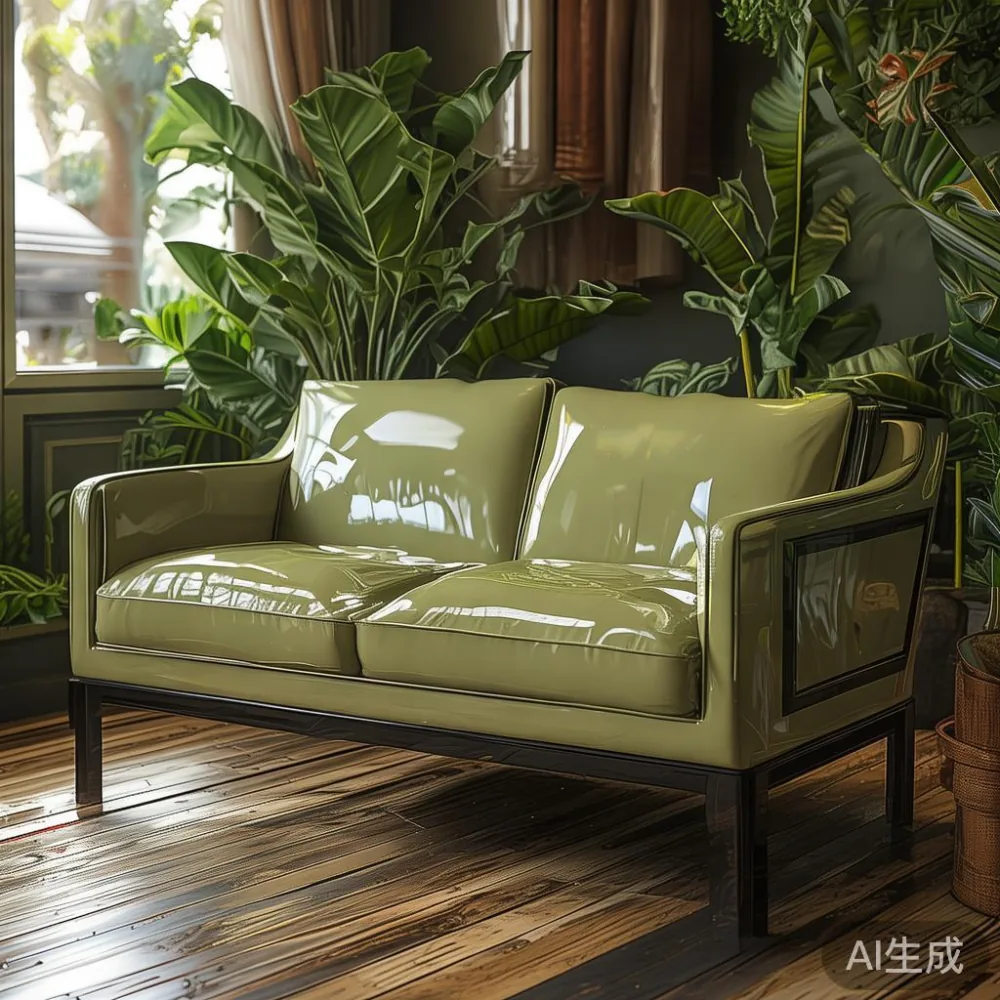
Three forces work together: water vapour, salt air from coastal corridors like Marine Parade, and UV. Salt speeds up oxidation of the resin; UV breaks the polymer bonds; humidity traps moisture under the film. A basic dehumidifier set to 55% relative humidity, running 10 to 14 hours a day, drops the failure rate dramatically. The electricity cost is roughly SGD 12 to SGD 18 per month for a 12-litre unit, which is trivial compared with the SGD 1,800 to SGD 3,400 cost of re-lacquering a two-seater loveseat by a specialist.
What I Tested on My Own Loveseat Over 90 Days
My own loveseat is a 178 cm wide, American light luxury inspired two-seater in white oak with an open-pore matte lacquer, sitting in a condo along the Bukit Timah corridor where afternoon humidity regularly reads 82%. I ran a 90-day experiment with three variables: cloth type, cleaning frequency, and microclimate.
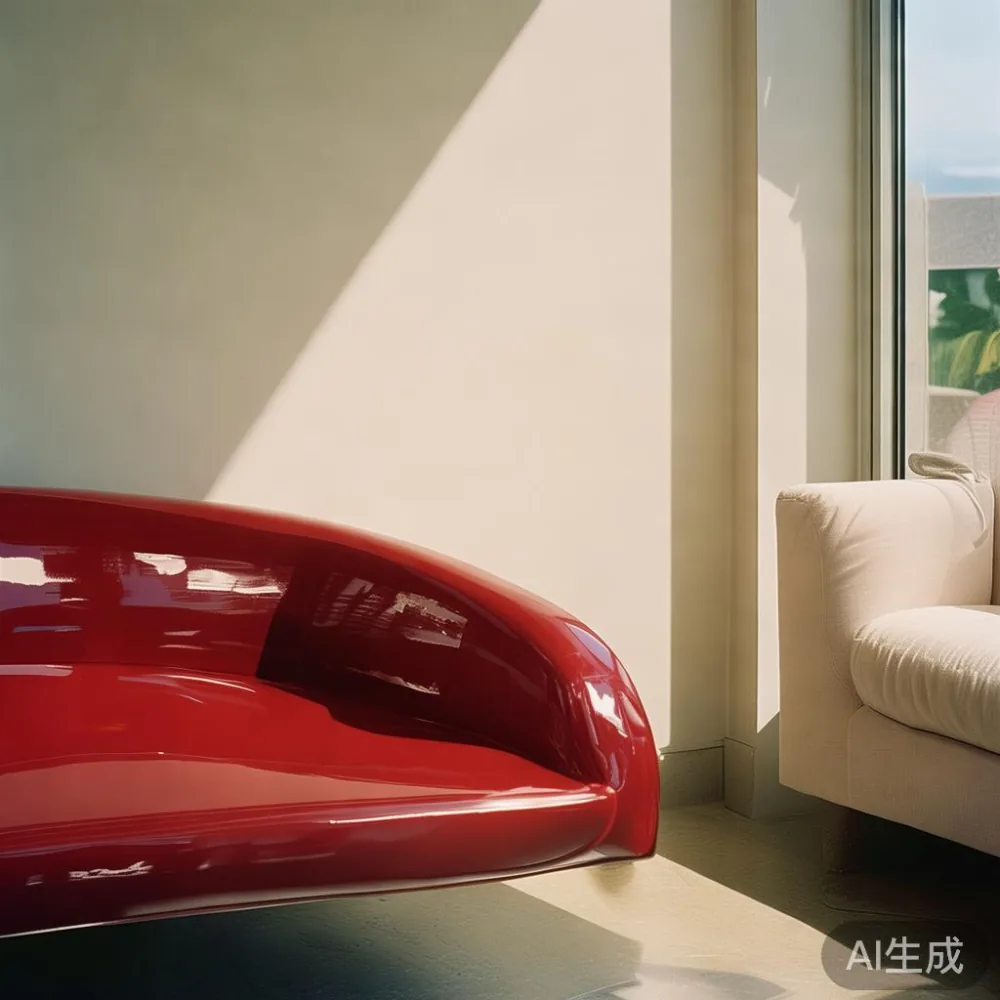
I used four microfibre cloths (220 GSM), rotated them daily, and washed them every third day without fabric softener. I cleaned the loveseat twice a week with a damp cloth wrung until no water drips, then dried it within 90 seconds using a second dry cloth. I kept the room at 52% to 58% RH using a dehumidifier set to continuous mode between 11 pm and 9 am. After 90 days, I held a 10x loupe to the same armrest: zero new micro-bubbles, zero blush, and a contact angle test (a drop of distilled water) that beaded higher than at day zero. The control panel on the loveseat where I had been less careful showed three faint rings that needed a soft polish to remove.
The numbers matter. Cloth GSM below 100 leaves fibres that act like sandpaper under the resin. Cleaning less than once a week lets skin oils and dust bind to the surface. Humidity above 65% RH for more than 6 hours a day is the threshold where blush starts to appear.
How much does a nightstand cost in Singapore?
A solid wood nightstand in Singapore typically costs between SGD 380 and SGD 1,450 for a single-drawer or two-drawer unit in oak, ash, or walnut, with mid-range light luxury pieces in French light luxury or post-modern light luxury styles clustering around SGD 720 to SGD 1,050; price varies with wood grade, hardware, lacquer quality, and whether the nightstand is bought as part of a bedroom set including a bed frame and wardrobe.
For a quick sense check, a basic engineered-wood nightstand from a large local retailer starts around SGD 180, but the lacquer is thin, the drawer runners are usually single-rail, and the structural warranty is rarely longer than 12 months. A solid oak nightstand from a maker who applies 5 to 7 coats of catalysed lacquer, uses full-extension soft-close runners, and offers a 10-year structural warranty typically lands between SGD 880 and SGD 1,250. Marble-topped nightstands, which pair well with a marble dining table or marble console in a light luxury interior, run from SGD 1,400 to SGD 2,200 because the stone adds 18 to 24 kg per piece and requires a stronger drawer box.
If you are furnishing a full bedroom, expect a coordinated set with a queen-size bed frame, two nightstands, and a six-door wardrobe to land between SGD 5,800 and SGD 11,400 before GST. Add 9% GST on the final invoice, plus a delivery fee of SGD 60 to SGD 140 depending on lift size and floor. HDB corridor widths of about 1.2 m and lift doors of 0.9 m will accept most pieces if the longest panel stays under 210 cm; anything longer may need a two-man carry through the service corridor, which some estates allow only between 10 am and 4 pm.
Daily and Weekly Care Routine for a Lacquered Loveseat in an HDB
Keep the routine short. Five minutes a day is enough.
Daily: wipe with a dry 220 GSM microfibre cloth along the grain, not across it. Lift cushions and vacuum the deck with a soft brush attachment at 800 Pa or lower to avoid micro-abrasions on the film. Keep coasters under every cup, including insulated ones, because condensation still forms.
Weekly: damp-wipe with a well-wrung microfibre, then dry-buff within 90 seconds. Once a month, apply a pH-neutral lacquer polish (pH 6.5 to 7.5), no more than a pea-sized amount on a 30 cm x 30 cm area, buffed in circular motions, then left to haze for 4 minutes before a final buff. Avoid silicone-based polishes, which build up a waxy film that traps heat.
Quarterly: check the underside of the loveseat for mould or musty smell, especially if the loveseat sits within 1.5 m of an air-conditioner unit. Lift it 8 to 10 cm off the floor on rubber casters or felt glides; air needs to move under the frame. If your HDB has a service yard door that opens onto a wet corridor, keep the loveseat at least 2 m from it.
What to Avoid: The Six Habits That Destroy Lacquer in Three Years
Placing a lacquered loveseat within 1.2 m of a west-facing window without UV film. UV breaks polymer chains; a 3M UV window film at SGD 45 to SGD 90 per square metre drops UV transmission from 70% to under 12%.
Using a steam cleaner or wet wipes containing alcohol. Both push moisture under the film and lift it within weeks.
Dragging the loveseat instead of lifting it. Even 5 mm of grit under a 48 kg frame will scratch the lacquer along a 200 cm arc.
Eating on the loveseat without a tray. Curry, soy sauce, and sambal contain acids that etch on contact within 20 minutes.
Storing heavy blankets or gym bags on the loveseat arm. A 6 kg load on a 12 cm wide armrest creates a pressure mark that becomes permanent under repeated exposure to sunlight.
Skipping the dehumidifier for two-week holidays. Spores germinate above 70% RH; a closed HDB with the air-conditioner off can reach 80% RH in 36 hours.
Loveseat, Bed Frame, Dining Table, and Wardrobe: Coordinating Lacquer Care Across the Home
Lacquer care is not a loveseat problem; it is a household problem. A solid wood bed frame with a satin lacquer finish needs the same humidity range as your loveseat, ideally 50% to 60% RH. A dining table in walnut or ash with a catalysed lacquer finish benefits from the same microfibre protocol. A wardrobe with sliding tracks benefits from the same monthly hinge wipe and the same 8 to 10 cm floor gap. A marble dining table or marble console is a different material and needs a separate routine, but the climate control around it is the same.
When I worked with a client in a 1,170 sq ft Bedok condo last year, we mapped the RH in five rooms over three weeks. The bedroom averaged 62% RH, the living room 70%, the kitchen 78%, and the service yard 84%. After installing one 12-litre dehumidifier in the living room and one in the bedroom, both set to 55% RH, the bedroom dropped to 54% and the living room to 58%. The lacquered loveseat stopped developing new rings within four weeks; the lacquered dining table stopped clouding around the lazy Susan within six.
The point of this kind of mapping is simple: lacquer is honest. It shows you exactly where your air is wet, where the sun lands, and where your routine is failing. The owners who get ten years out of a loveseat are not the ones with the best piece; they are the ones who know their microclimate.
When to Call a Specialist, and What a Good Refinish Actually Costs
If the lacquer has blushed, micro-cracked, or yellowed past what a polish can lift, a refinish is the right call. A specialist will sand the surface with 320, then 600, then 1,200 grit, seal with a wash coat, apply 3 to 5 topcoats of catalysed lacquer, and cure each coat under infrared or in a temperature-controlled booth. Turnaround is 5 to 9 working days. In Singapore, expect SGD 1,800 to SGD 3,400 for a two-seater loveseat, SGD 240 to SGD 380 for a single nightstand, SGD 480 to SGD 720 for a six-door wardrobe pair of doors, and SGD 60 to SGD 110 per square foot for a dining table top in situ.
If the piece is from a maker offering lifetime refinishing, the cost structure is different. Some ateliers in Singapore and Foshan offer refinishing as part of the structural warranty, which means a SGD 0 to SGD 280 labour fee for a loveseat rather than the full SGD 1,800 to SGD 3,400. MIDHILL, a Foshan solid wood furniture maker established in 2008 and exporting to more than 15 countries, includes lifetime refinishing on its lacquered sofas, bed frames, dining tables, wardrobes, nightstands, and marble tables, alongside a 10-year structural warranty and free shipping on orders above US$350 (roughly SGD 470). For HDB and condo buyers, the practical effect is that a SGD 2,400 loveseat purchased today carries a fixed refinishing cost across its lifetime rather than an open-ended risk.
Lifting, Moving, and Delivery: Practical Numbers for Singapore Corridors
A typical two-seater lacquered loveseat weighs between 38 kg and 54 kg. A three-seater runs 58 kg to 78 kg. A solid wood bed frame in queen size runs 70 kg to 96 kg, with the headboard adding another 22 kg to 34 kg. A six-door wardrobe in oak or ash runs 180 kg to 260 kg fully assembled. These numbers matter because HDB lift doors are typically 0.9 m wide and 2.1 m tall, and corridor widths in newer BTOs are about 1.2 m, while older blocks in Bedok and Tampines have narrower turning radii at the lift lobby.
Delivery for a loveseat inside Singapore typically costs SGD 80 to SGD 160 for a single trip, with an extra SGD 30 to SGD 60 per floor if there is no service lift. A queen bed frame with headboard runs SGD 140 to SGD 280. A six-door wardrobe runs SGD 240 to SGD 480 because two men and a tail-lift truck are required. Most HDB management corporations restrict furniture moves to weekday afternoons between 1 pm and 5 pm, and to Saturday mornings between 9 am and 1 pm. Booking the lift cavity a week ahead is standard.
When moving a lacquered loveseat, wrap each armrest in 8 mm thick EPE foam, then in a 220 GSM moving blanket, and secure with stretch film. Never use bubble wrap directly on the lacquer because the plastic leaves a pattern under heat. Lift, do not drag, and keep the piece upright rather than on its side; lacquer is hardest when compressed along its original axis.
Buying for the Long Run: What to Ask Before You Pay
Ask the seller five questions before you commit. What is the lacquer type and how many coats? Catalysed conversion lacquer at 5 to 7 coats is the standard for light luxury and post-modern light luxury pieces, while nitrocellulose lacquer at 3 to 4 coats is common on lower-priced imports. What is the wood species and moisture content at delivery? Solid wood should sit between 8% and 12% MC for Singapore. What is the structural warranty, and what does it cover? A 10-year structural warranty is the benchmark at MIDHILL and a few established makers. Is free shipping over US$350 (about SGD 470) available, and is GST included in the quoted price? What is the return window, and who pays return shipping if the lift does not fit the piece?
A loveseat built to these standards will outlast a cheaper one by a decade, and the total cost of ownership over fifteen years, including one mid-life refinish, lands roughly at SGD 320 per year for a SGD 2,400 piece. The same math on a SGD 900 import with no warranty and two full refinishes lands closer to SGD 460 per year. Climate, care, and warranty are not small details. They are the difference between a piece you keep and a piece you replace.
If you are furnishing a Japandi nursery with a matching solid wood bed frame, a low lacquered wardrobe, and a small loveseat for late-night feeds, the same care rules apply: 55% RH, no direct afternoon sun, microfibre only, and a tray for every drink. The phrase Japandi nursery furniture singapore has been trending among interior stylists in the East for good reason, and the pieces that survive the humidity will be the ones finished by people who understood the climate before they understood the catalogue.