Humidity in Southeast Asia and Your Wood Loveseat: A Practical Guide for Singapore Homes
Last month I visited a client in a 4-room HDB flat in Punggol North, and the first thing she showed me was a dark walnut loveseat sitting near her balcony door. The grain was lifting along the armrest, and one of the legs rocked because the corner of the platform had swollen by roughly 4 mm. She had owned it for only 18 months. The window next to it stays open four hours a day, and the indoor humidity in her living room was reading 78% on a basic hygrometer at 9 a.m. That single visit is the reason I want to write about how humidity in Southeast Asia affects wood furniture, and why a solid wood sofa built for Singapore should be specified very differently from one bought in Toronto or Munich.
I work closely with MIDHILL, a Foshan-based maker that has been producing solid wood seating, bed frames, dining tables, and wardrobes since 2008. We ship to more than 15 countries, including a steady stream of orders to Singapore, and we see the same patterns repeat every monsoon season. Below I will share what those patterns are, what they mean for a two-seater loveseat in a typical 90 sqm HDB or condo unit, and what you can realistically do about it. Prices along the way are quoted in SGD, dimensions in centimetres, and weights in kilograms, so the numbers are easy to check against your own space.
Why Singapore homes are a stress test for wood furniture
Singapore does not have a traditional four-season climate. The National Environment Agency publishes a daily relative humidity reading that sits between 65% and 90% for most of the year, with a yearly average of about 79.5%. For comparison, indoor humidity in most European homes sits closer to 45-55%. Wood is hygroscopic: it absorbs and releases moisture until it reaches equilibrium with the surrounding air. When that equilibrium keeps shifting, the wood keeps moving.
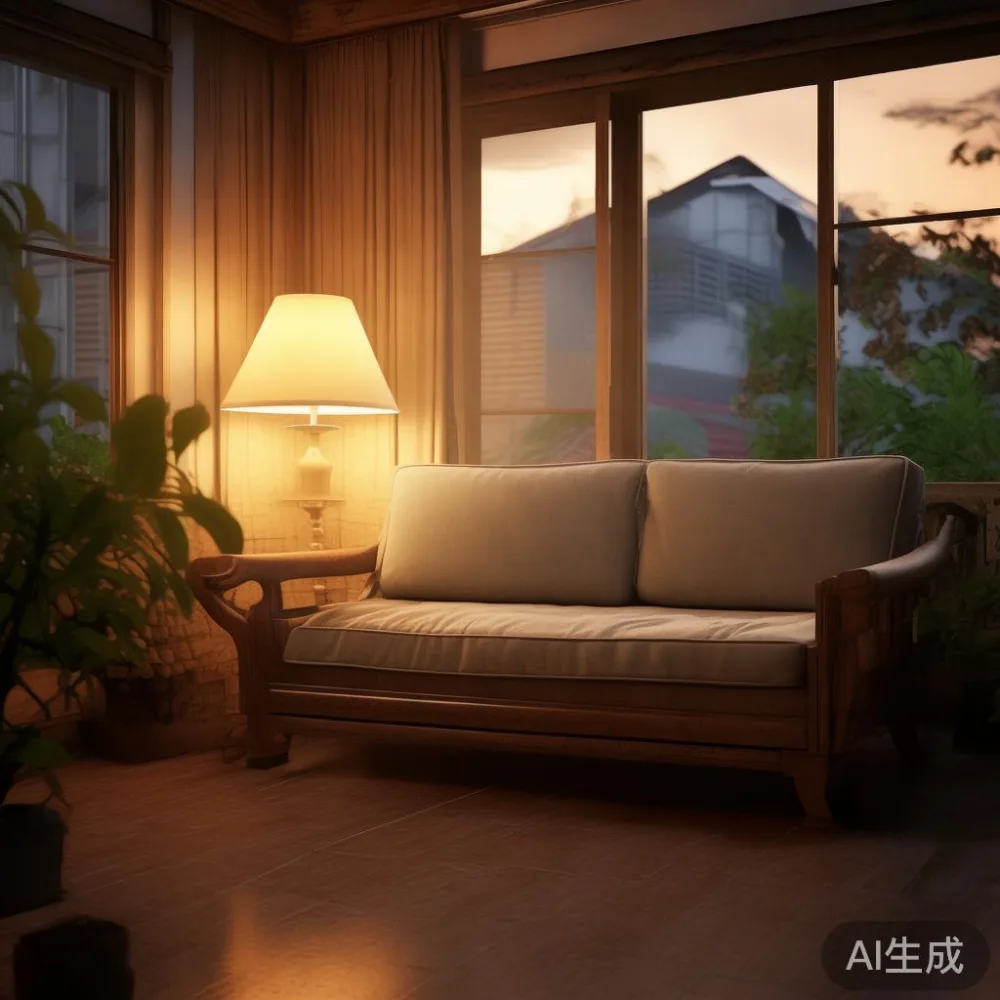
A 180 cm long, 90 cm deep loveseat in solid ash or solid teak contains a large volume of staves, and every stave expands across the grain when humidity rises. A 1% change in moisture content moves a 90 cm wide solid wood seat panel by roughly 0.4-0.5 mm. Over a year in Tampines or Bedok, you can easily see 4-6% swings, which adds up to 2-3 mm of movement per panel. That is enough to open a hairline at a joint, lift a veneer edge, or push a dowel out of alignment.
Air-conditioning helps, but only when it is running. Most Singaporeans set their air-con to 23-25°C with a fan, which drops indoor RH to around 55-60% while the unit cycles. During the 6-8 hours that the unit is off, especially overnight or when the family is at work, humidity climbs back up. The wood never gets to rest at a stable number; it is in a slow chase.

What "solid wood" actually means in a humid climate
Buyers in Singapore often see three labels: solid wood, veneer over MDF, and engineered hardwood. For a solid wood sofa, dining table, or bed frame that you want to survive 10-15 years in a HDB flat, fully solid construction with mortise-and-tenon or dowel joinery is the most forgiving option, because each piece can move slightly without splitting the frame.
MIDHILL uses kiln-dried North American ash, American walnut, and Burmese teak that is dried to 8-10% moisture content before assembly. The factory in Foshan lets the boards rest in a climate-controlled warehouse for 2-3 weeks after machining. That two-step drying is what keeps a 220 kg loveseat from showing a walnut teak color mismatch on day one and then developing a more obvious one by month twelve, when the lighter teak fibres absorb moisture faster than the denser walnut.
Here is a quick comparison based on what we have measured in client homes across Singapore:
Solid ash (kiln-dried): 6-9% MC at delivery, very stable, takes stain evenly, ideal for painted or light-oiled finishes. A typical 2-seater in ash weighs about 65-75 kg and costs around SGD 2,400-3,200 landed.
Solid American walnut: 7-9% MC at delivery, beautiful chocolate tone, slightly more movement than ash. A loveseat in walnut weighs 70-80 kg and lands between SGD 3,000-4,200.
Solid Burmese teak: 6-8% MC at delivery, high natural oil content, the most stable of the three in tropical RH. A teak loveseat runs SGD 3,800-5,500 and weighs 75-90 kg. Teak's natural silica and oils slow water uptake, which is why marine decks use it.
Marble table tops paired with these wood frames are a separate story: marble is not affected by humidity, but the wood sub-frame beneath it still is, which is why MIDHILL fits a moisture-tolerant cork or rubber gasket between the marble and the wood base on every marble table we ship to a tropical address.
Common humidity problems and how to spot them early
After handling warranty claims for the better part of a decade, I can group the issues into five recurring patterns.
1. Cupping on a dining table top. A 200 cm x 100 cm solid wood dining table in a Punggol condo with floor-to-ceiling windows developed a 2 mm cup across the width within nine months. The cause: direct afternoon sun on one half of the top. Solution: rotate the table 180° every 60 days and pull the sheer curtains during peak UV hours.
2. Sticky drawers on a wardrobe. A 240 cm wide three-door wardrobe in a Bedok HDB swelled by 3 mm across the carcass after a six-week stretch of 85-90% RH days. Solution: sand the drawer guides by 1.5 mm, then run the air-con for 4-6 hours a day to hold the room at 55% RH. The wardrobe has not stuck since, going on three years.
3. Hairline cracks at joinery. Normal in solid wood. A crack under 2 mm wide is cosmetic and will close again when humidity drops in a dry week. Anything over 3 mm wide that stays open for more than 30 days is worth a service call.
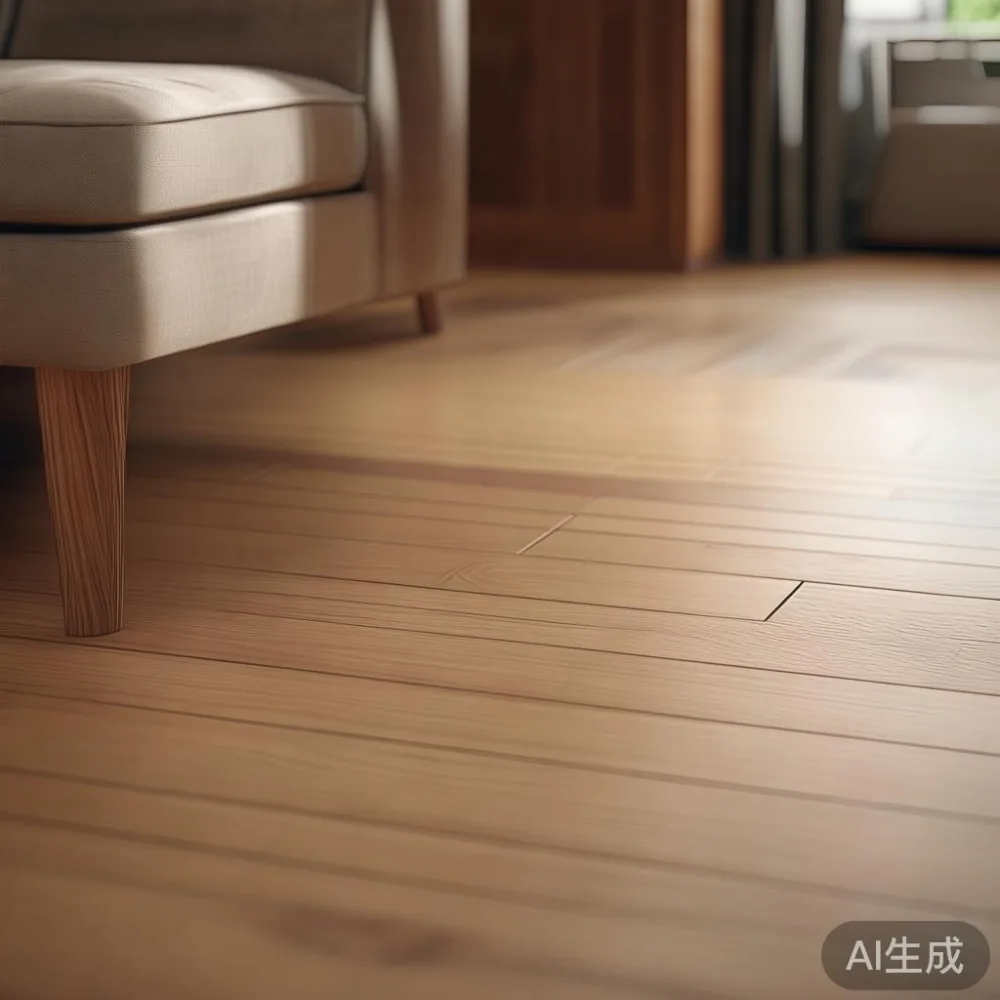
4. Wobbly bed frame legs. A queen bed frame in a Bukit Batok condo with poor sub-floor levelling rocked because the hardwood floor expanded and lifted the corner by 5 mm. We shimmed it with food-grade silicone pads (about SGD 12 for a pack of 16 at any Tampines hardware shop) and tightened the corner brackets. Rock gone.
5. Surface mould on a nightstand. A nightstand pushed against an exterior HDB wall in Hougang developed a 4 cm patch of white mould on the back panel, which never sees airflow. Solution: pull the nightstand 8-10 cm out from the wall, wipe with a 1:4 white-vinegar-and-water solution, and keep a small dehumidifier pod in the drawer. Total cost: under SGD 10.
What about HDB logistics: doors, lifts, and corridors?
Singapore delivery is its own puzzle. A standard HDB corridor in a 4-room flat is about 1.2 m wide, the lift door on a newer BTO like those in Punggol is roughly 0.9 m wide, and the unit's main door sits at about 0.9 m wide and 2.1 m tall. A 220 cm long loveseat with a 90 cm depth and 85 cm height will not fit through the lift as a single piece, so every MIDHILL order to Singapore is broken into modular sections before shipping. The two seat modules, two arm modules, and backrest panels are each under 110 cm in any single dimension, and the heaviest single box is kept under 35 kg so two delivery men can carry it up without a tail lift.
Free shipping kicks in at about US$350, which at today's rate is roughly SGD 470. Most MIDHILL loveseats qualify, and delivery from the Foshan warehouse to a Singapore door runs 18-25 working days by sea, plus 3-5 days for last-mile from our local partner in Tuas. White-glove installation, including carrying the modules up to the unit and assembling on site, adds SGD 120-180 depending on the block. GST is calculated on the landed value at 9% and is collected by the delivery partner before assembly begins.
For condos, the management corporation (MCST) usually asks for a delivery slot, a public liability insurance certificate from the mover, and a 24-hour notice. MIDHILL's logistics team handles all three, and the certificate is sent over as a PDF the day before. If you are in a conservation shophouse or a walk-up with no lift, an extra SGD 60 per floor applies, and we cap it at three floors for safety.
How do I choose a queen bed for a small space?
Pick a queen bed frame with a total footprint of roughly 160 cm x 210 cm or smaller, choose a platform height between 30 cm and 35 cm so under-bed storage bins still slide in, and confirm the headboard is under 110 cm tall so it clears a typical HDB wall-mounted fan.
That sentence is the short answer. The longer version: in a 12 sqm second bedroom, every centimetre matters. A standard queen mattress is 152 cm x 188 cm, and once you add a 5 cm clearance on three sides for making the bed, the bed frame should be no more than 162 cm wide and 198 cm long. A platform at 32 cm gives you 26 cm of under-bed clearance, which fits a 24-litre rolling storage bin from a local chain like Home-Fix. Go higher than 35 cm and the bed starts to look top-heavy in a room with a 2.7 m ceiling, plus the nightstand has to be taller to keep the pillow line consistent.
For wood choice in a small space, I lean toward solid ash with a light hand-applied oil finish. Ash reflects more light, which makes the room feel 10-15% larger to the eye. Walnut is gorgeous but absorbs light and can shrink the perceived space. A queen bed frame in ash from MIDHILL lands around SGD 1,800-2,400 with two nightstand units at SGD 380-520 each, which is reasonable for a piece that carries a 10-year structural warranty and a lifetime refinishing service. The refinishing is a real perk in Singapore: after 8-10 years you ship the panels back, we strip and re-oil them, and return them for about SGD 280-360 per piece plus shipping.
Light-luxury styles that actually suit a Singapore living room
"Light luxury" is a useful shorthand for restrained, well-proportioned pieces that read as quiet rather than loud. French light luxury tends toward slim tapered legs in stained beech, tight back cushions, and boucle or linen-blend upholstery in oat or stone. American light luxury is a bit more generous: deeper seats, rolled arms, and walnut or white-oak frames. Post-modern light luxury, which is what most of our newer MIDHILL collections lean toward, mixes straight lines with one or two curves, often pairs a wood frame with a slim marble table on the side, and keeps the silhouette compact so it works in a 2.4 m x 3 m HDB living-dining zone.
For a loveseat in a 90 sqm Punggol flat with a 2.6 m x 1.8 m living wall, a 180 cm x 90 cm post-modern light-luxury two-seater in solid ash with a 75 cm high backrest leaves room for a 110 cm round marble table on a brass base, plus a 45 cm wide nightstand-style side table on the right. The total seating footprint stays under 2 sqm, and the air-con can still pull humidity evenly through the space without the furniture acting as a wall.
Colour matters too. Lighter frames show dust faster but hide humidity movement better, because a 1 mm expansion is invisible on a pale grain. Darker walnut shows the same movement as a faint shadow line along a joint. If you love walnut but worry about visible movement, ask for quartersawn walnut rather than plainsawn. Quartersawn cuts shrink and swell roughly half as much across the width, which is why vintage American Mission furniture from the 1920s is still standing.
A 12-month care calendar for a Singapore wood loveseat
Here is the routine I hand to clients. It takes about 15 minutes a month and adds years to the piece.
January-March (drier, 65-72% RH): dust weekly with a microfibre cloth, oil the exposed wood once with a thin coat of hard-wax oil. Budget about SGD 35 for a 250 ml tin of Osmo or Rubio Monocoat, which will cover a loveseat and a dining table.
April-June (warming up, 70-80% RH): check that the legs are still level, vacuum the under-seat area with a soft brush, rotate the seat cushions front-to-back.
July-September (peak humidity, 80-90% RH): run a small dehumidifier (a 12-litre Meaco or similar costs about SGD 220-280) for 4-6 hours a day in the living room, keep it at 55% RH. Wipe any condensation off the marble or metal accents weekly.
October-December (transitional, 72-82% RH): inspect the back panel for any movement, retighten the corner braces with the Allen key that came in the box, and book a refinishing assessment if the surface looks dry.
A well-cared-for solid wood loveseat from MIDHILL in this climate will easily clear 12-15 years of daily use, and the lifetime refinishing promise means you are not throwing it out at year ten. That is the quiet economics of buying once: a SGD 3,500 piece spread over 15 years is about SGD 19 a month, which is less than a single kopi-peng at the hawker centre, and you still have a beautiful object to sit on every evening.
Returns, warranty, and what to do if something moves
MIDHILL offers a 14-day return window from the day of delivery. If the piece shows a walnut teak color mismatch of more than a clear visual difference under daylight, or if the dimensions are off by more than 1 cm from the spec sheet, we arrange return shipping at our cost and refund the full landed value, including the 9% GST you paid. The 10-year structural warranty covers joint failure, frame cracking, and significant warping beyond normal seasonal movement. Seasonal movement of 2-3 mm across a panel is normal and is not covered, because it is the wood breathing.
If a panel moves beyond 4 mm, or a joint opens more than 3 mm and stays open for over 30 days, send three photos and a short video to the after-sales team. We will either ship a replacement part, send a technician for on-site repair in Singapore, or in rare cases refund a proportional share. The goal is a piece you can hand down, not a piece you replace.
Humidity is not a problem to fight; it is a condition to design around. Pick the right wood, specify the right construction, give the piece a small amount of monthly attention, and a solid wood sofa, a queen bed frame, a dining table, a wardrobe, or a loveseat will hold its line in a Tampines or Bedok living room for a very long time.