The Anatomy of Price: What Actually Drives the Cost of a Solid Wood Loveseat
Walking through a showroom in Singapore, the price difference between two solid wood loveseats can be staggering. One might be SGD 1,200, while another commands SGD 3,500 or more. For a homeowner in a Tampines HDB flat or a Bedok condo, where every square centimeter counts and the lift width is a mere 80cm, this is a significant decision. The question isn't just about style; it's about understanding the value embedded in the wood, the design, and the journey from a Foshan workshop to your living room. This article breaks down the real, tangible factors that determine the price of a solid wood loveseat, helping you make an informed investment for your space.
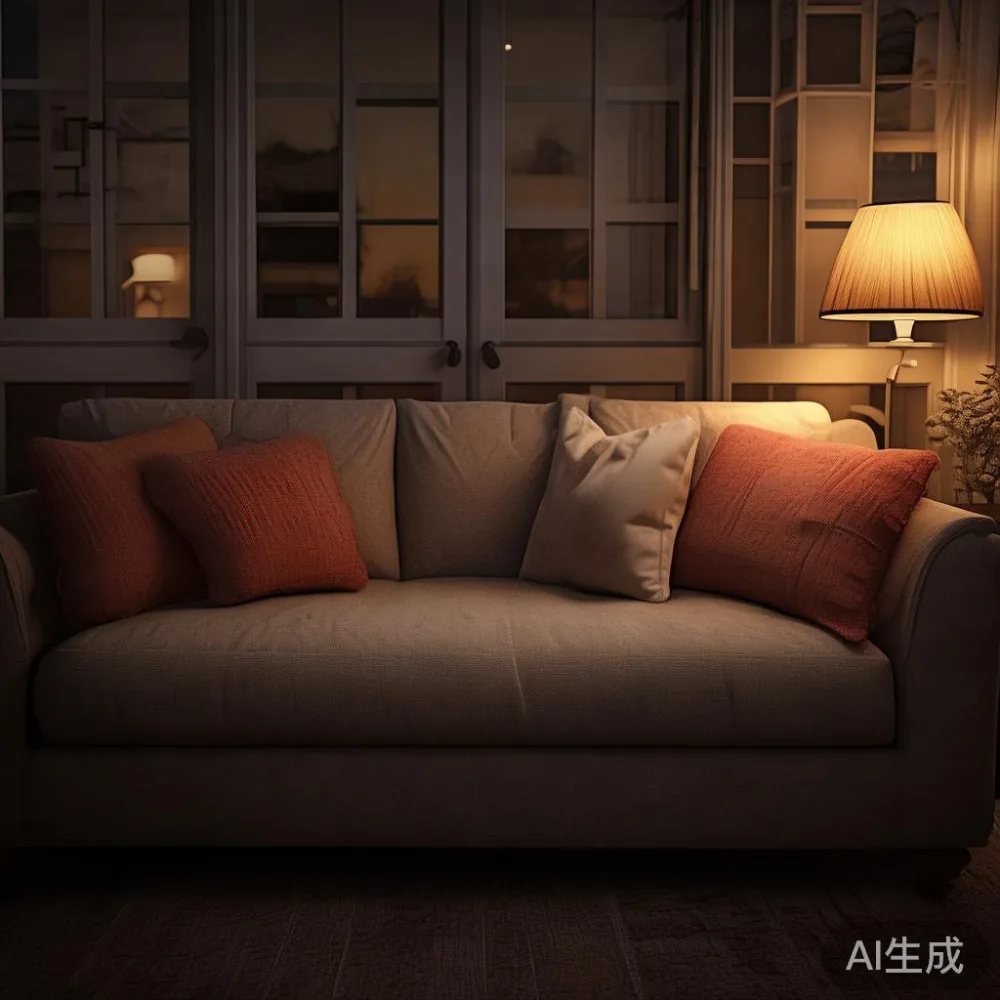
Why Does a Solid Wood Loveseat Cost More Than an Upholstered One?
The fundamental difference lies in the material itself. A solid wood loveseat is a single, continuous piece of timber, often weighing between 45kg to 75kg for a standard 150cm wide model. This contrasts sharply with a veneer or MDF-based sofa, which might use a thin layer of wood over a composite core. The weight and density of solid wood like oak, walnut, or mango directly impact the cost. Sourcing a single, large plank of wood without knots or major imperfections is a challenge. A craftsman in Foshan must select a board that is at least 180cm long to accommodate the frame, ensuring stability and a clean aesthetic. This raw material cost, for high-grade, kiln-dried wood that resists warping in Singapore's humid climate, forms the baseline of the price. You are not just paying for the wood; you are paying for its quality, stability, and the assurance that it will last for decades.
What is the True Cost of Craftsmanship and Labour?
A solid wood loveseat is not assembled from flat-pack panels. It is the result of hours of skilled labour. The process involves joinery techniques like mortise and tenon, dovetail joints, or finger joints that create incredibly strong connections. These methods are far more time-consuming and require a higher level of expertise than simple screw or nail assembly. Each joint is hand-cut, sanded, and fitted. The finishing process is equally labour-intensive. After the frame is assembled, it undergoes multiple stages of sanding—from coarse 80-grit paper to a ultra-fine 220-grit—to create a perfectly smooth surface. This is followed by the application of a protective finish, such as a natural oil or lacquer, which may require three to five coats, with drying time in between. My colleague visited a MIDHILL workshop last month and observed that a single craftssperson could spend up to 16 hours just on the joinery and finishing of a loveseat frame. This human element, the skill and time of an experienced artisan, is a major component of the final price tag.
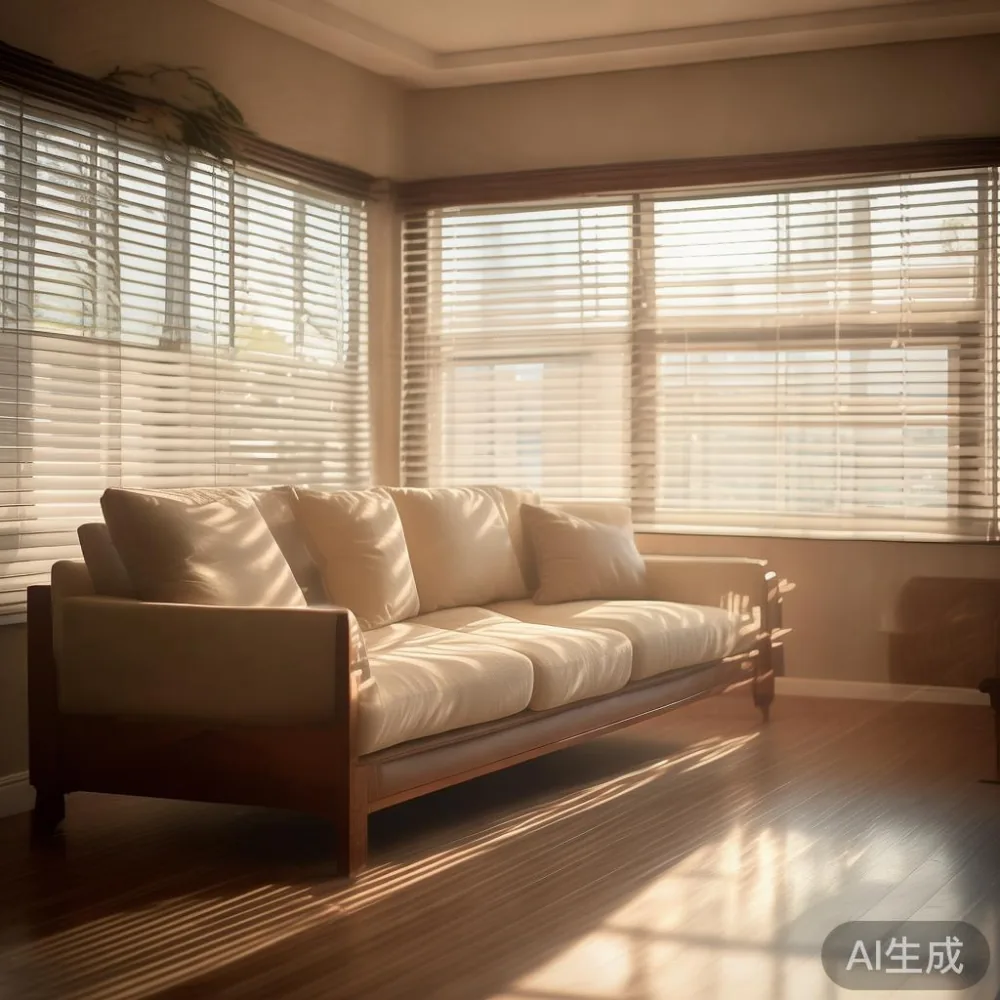
How Does Design Influence the Price of a Loveseat?
The design of a loveseat is not just about aesthetics; it's about structural integrity and ergonomics. A simple, straight-backed design will be less expensive than a curved or sculpted one. Creating a gentle curve in a solid wood back requires specialized machinery and extensive hand-sculpting. The design also dictates the complexity of the joinery. For instance, a post-modern light luxury loveseat might feature tapered legs and angular arms, which demand precision cutting and fitting. The design phase itself has a cost. A designer in Foshan might spend 40 hours developing a new model, creating detailed technical drawings, and building a prototype. This R&D cost is then distributed across the production run of that particular loveseat. Also, a loveseat designed for an American for small living room will be optimized for compact spaces, which can involve unique engineering to ensure it doesn't feel flimsy, adding another layer of complexity and cost.
Are Imported Materials and Finishes Worth the Extra Cost?
While the primary material is solid wood, other components can significantly increase the price. Consider the upholstery on the cushions. A loveseat might use premium fabrics like linen, wool, or high-performance Italian microfiber, which can cost SGD 80 to SGD 150 per meter. The foam inside the cushions is another factor. High-density foam, with a rating of 30kg/m³ or higher, provides better support and longevity than cheaper alternatives. The springs, if present, could be hand-tied coil springs, a labour-intensive method that offers superior comfort but adds to the cost. Some light luxury designs incorporate unexpected elements like a small marble inlay on the armrest, adding both weight and expense. The choice of finish also plays a role. A French light loveseat might use a special wax finish that requires buffing by hand, while an American light luxury model might feature a multi-layer lacquer system for a deep, glossy shine. These imported materials and specialised finishes are not just about looks; they are about performance, durability, and creating a specific tactile experience.
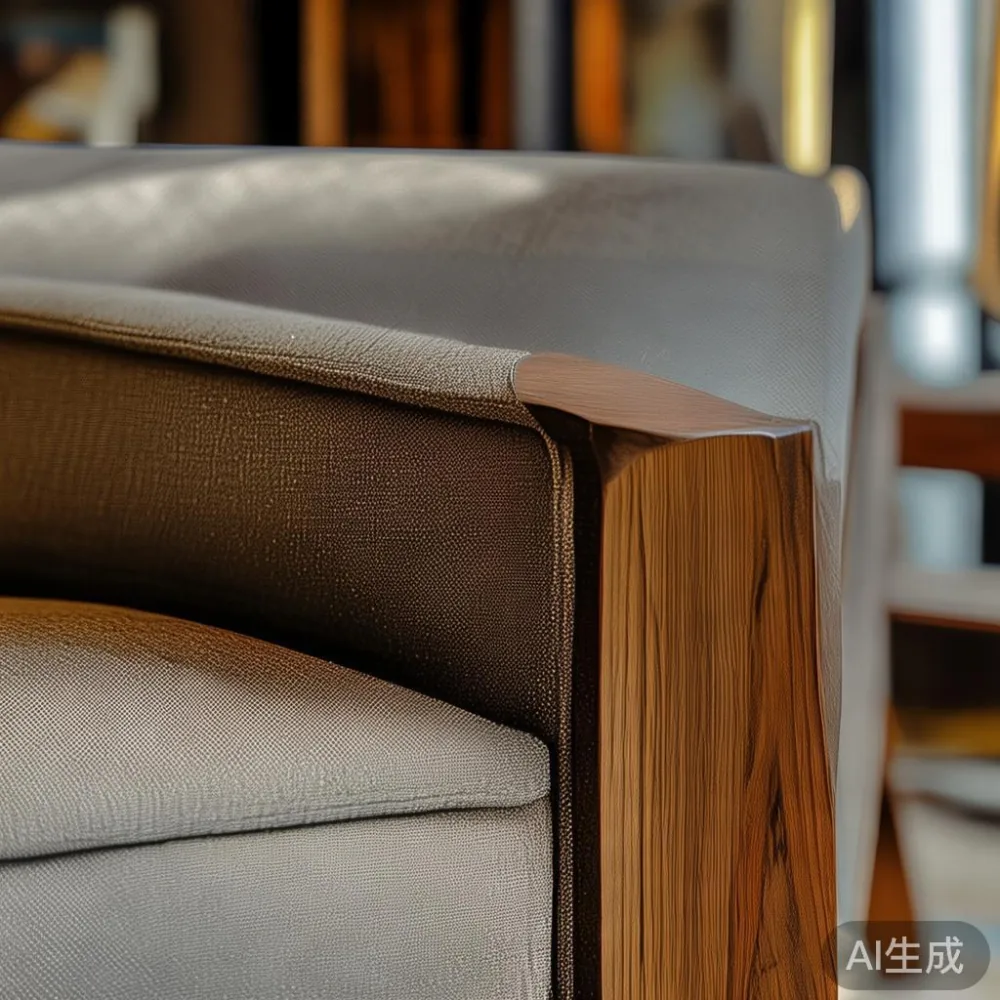
Why is a 10-Year Structural Warranty a Price Indicator?
A warranty is a promise, and a promise costs money. When a manufacturer offers a 10-year structural warranty on a solid wood loveseat, they are betting on the quality of their product. This warranty covers defects in materials and workmanship, such as joint failures or frame breakages. To honour such a promise, a company must use superior materials, employ highly skilled craftspeople, and implement a rigorous quality control process. The cost of this potential future liability is factored into the price of the loveseat today. A company that offers a 2-year warranty is taking on less risk, and this is reflected in a lower initial price. The lifetime refinishing service offered by some brands is another indicator of quality. It means they are so confident in the durability of their wood and finish that they are willing to refurbish it for you decades down the line. This long-term commitment to the product's lifecycle is a hallmark of a higher-priced, more valuable piece of furniture.
How Do Logistics and Local Context Affect the Final Price?
The journey of a loveseat from Foshan to your home in Punggol incurs several costs. International shipping, container fees, and import duties all add up. For a Singaporean customer, there is also the 9% Goods and Services Tax (GST) applied to the landed cost. Then there's the local delivery. A loveseat measuring 150cm wide, 90cm deep, and 85cm high cannot simply be placed in a standard car. It requires a specialised delivery van with ramps. The delivery team must work through the narrow corridors of HDB flats, often just 120cm wide, and fit the loveseat into the lift. This requires careful planning and skilled personnel, adding a delivery fee that can range from SGD 50 to SGD 150. Free shipping over SGD 350, as offered by some brands, is a marketing feature, but the cost is still built into the price of the loveseats that don't qualify. The entire logistics chain, from the factory floor to your hallway, contributes to the final number you see on the price tag.
Is a Higher Price Always a Sign of Better Quality?
Not necessarily. The price of a solid wood loveseat is influenced by a combination of factors, some of which relate to quality and others to branding, marketing, and retail margins. A loveset priced at SGD 5,000 might be from a brand with massive marketing overheads, while a comparable-quality loveseat from a more direct-to-consumer brand like MIDHILL might be priced at SGD 3,200. The key is to understand what you are paying for. Ask specific questions: What type of wood is it? Is it solid wood throughout or just for the frame? What is the joinery method? What is the density of the foam? What does the warranty cover? By focusing on these tangible details rather than the brand name alone, you can determine if the price reflects genuine quality and value. For example, when considering 2026 Mid-century modern furniture, the price will be driven by the authenticity of the design and the quality of the materials, not just the trendiness of the style.
What About the Cost of Ownership Over Time?
The initial price is only one part of the equation. The true cost of a loveseat includes its longevity and maintenance. A cheaper, lower-quality loveseat might need to be replaced in 5 to 7 years. A high-quality solid wood loveset, on the other hand, can easily last 30 years or more. It can be reupholstered, sanded, and refinished multiple times. A lifetime refinishing service means that even after a decade of use, the wood can be brought back to its original glory for a fraction of the cost of a new piece. This long-term durability makes a more expensive loveseat a smarter financial investment. It also avoids the environmental cost of frequent replacements. When you consider the cost of replacing a loveseat every 5-7 years versus owning one for 30 years, the higher initial investment often proves to be the more economical choice in the long run.
Why is a Loveseat a Better Choice for Singaporean Homes?
In the context of Singapore's urban living, a loveset offers a distinct advantage over a larger three-seater sofa. The typical width of a loveseat is between 130cm and 160cm, making it ideal for the compact living rooms found in HDB flats and condos. For instance, in a new-build condo in Tampines with a living room area of 16 square meters, a loveseat provides comfortable seating for two without overwhelming the space. It leaves room for a coffee table or a side table, creating a balanced and functional layout. The question of European sofa vs Nordic sofa often comes down to scale, and for many Singaporean homes, the loveseat scale is perfect. It fits comfortably through standard 80cm-wide apartment lifts and can be maneuvered down hallways with ease. A three-seater sofa, often 180cm to 220cm wide, can be a tight squeeze and may not fit at all in some older apartments. Choosing a loveseat is a practical decision that maximizes both comfort and space efficiency.
How to Choose the Right Loveseat for Your Space and Budget?
Making the right choice involves balancing your needs with your budget. Start by measuring your space accurately. Measure the width of your hallway, the internal dimensions of your lift, and the exact spot where the loveseat will go. Consider the depth, as a deeper loveseat (e.g., 100cm) will protrude more into the room than a shallower one (e.g., 85cm). Next, decide on your priority. Is it the natural beauty of the wood, the comfort of the cushions, or the durability of the construction? If you are looking for a statement piece, you might opt for a design with unique legs or a distinctive finish. If comfort is paramount, focus on the quality of the foam and springs. When setting a budget, remember that a solid wood loveseat is an investment. A price point below SGD 1,000 for a genuine, all-solid-wood loveseat is unlikely to represent high quality. A range of SGD 1,800 to SGD 3,500 is more realistic for a well-crafted piece from a reputable maker. This investment will pay off in the form of a beautiful, comfortable, and long-lasting piece of furniture that will serve your home for years to come.