A 5-Year Cost Comparison: Veneer vs Solid Wood Loveseats for Singapore Homes
A loveseat is one of the most useful pieces of furniture for a Singapore home: it gives two people a proper place to sit without demanding the footprint of a three-seat sofa. That makes material choice especially important. Veneer can produce a polished solid wood sofa appearance at a lower purchase price, while solid timber offers a different repair and refinishing path over time. The fair comparison is not simply the ticket price. It is the combined cost of buying, maintaining, repairing, and eventually replacing the loveseat across 5 years.
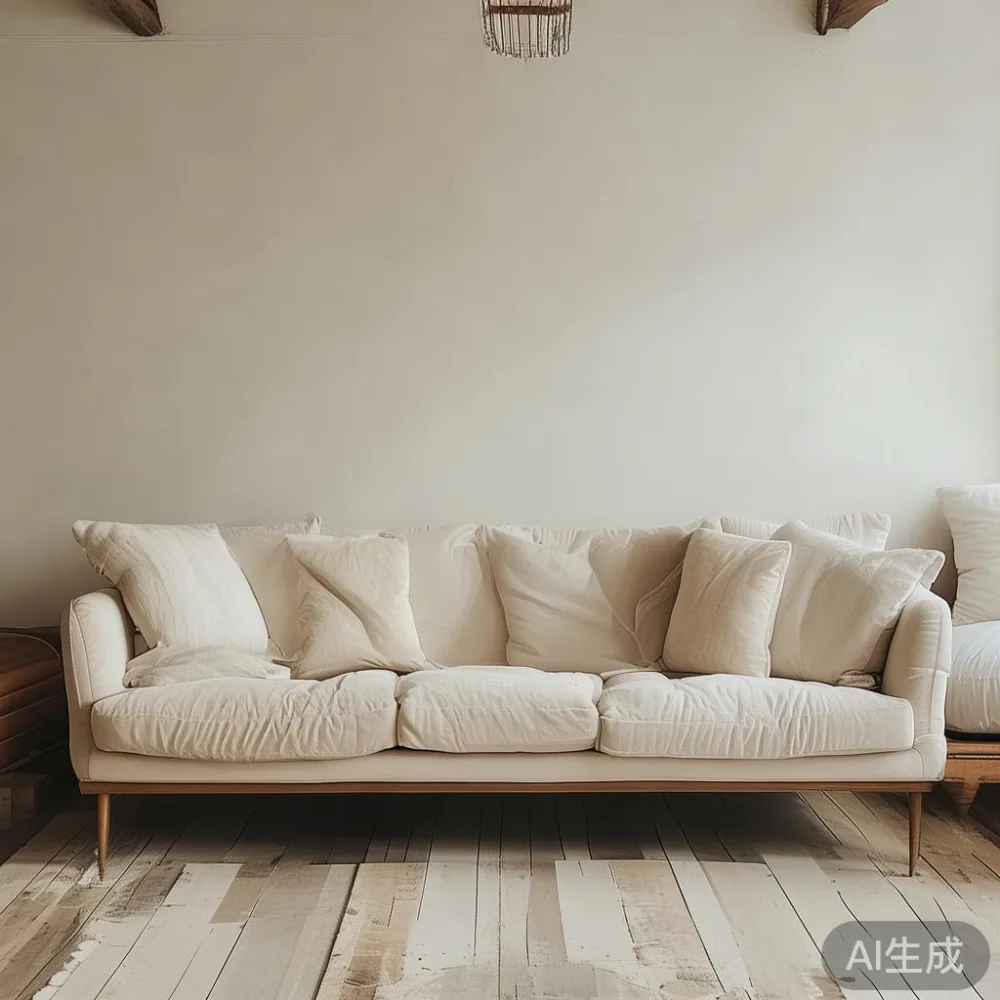
I used the figures below for a typical two-seat loveseat measuring 150 cm wide, 85 cm deep, and 82 cm high. The example is relevant to HDB flats and condos in Tampines, Bedok, and Punggol, where corridors and common-area approaches can constrain the size of a large sofa. The assumed delivery is within Singapore, the item is kept indoors, and the figures exclude extended warranties. GST is shown separately at 9% where relevant.
The comparison also needs to account for Singapore realities beyond the showroom. A sofa may have to pass through a 90 cm corridor and fit into a 100 cm-wide lift, or it may reach a HDB unit through a narrower route with the doors removed. A 150 cm loveseat is still more compact than a conventional 200-210 cm sofa, but its boxed or assembled dimensions should be checked before ordering. The financial model begins with one veneer loveseat at SGD 1,080 before GST and one solid wood loveseat at SGD 1,680 before GST.
What does a veneer loveseat cost over 5 years?
The veneer example starts at SGD 1,080 before GST, or SGD 1,177.20 after 9% GST. Its oak-effect veneer sits over an engineered or solid timber core. For this model, I assume that veneer can chip or peel at exposed edges, while the core remains stable. This is more likely if the loveseat is moved repeatedly, placed near a balcony door, or exposed to humidity that swings sharply between rooms.
Across the 5-year period, the projected maintenance is SGD 180 for edge and veneer repairs, with an annual allowance of SGD 36. Care products and occasional professional cleaning add another SGD 100 in total. One delivery fee of SGD 80 is included. At year 5, the owner receives an estimated resale value of SGD 220, although actual offers can be lower if the frame, cushions, or surface show wear.
The total cash spent is SGD 1,537.20 with GST and delivery. Deducting the SGD 220 estimated resale value gives a 5-year cost of ownership of SGD 1,317.20. That works out to SGD 263.44 per year. If the loveseat has to be replaced at the end of year 5, the household should budget another SGD 1,177.20 plus SGD 80 for delivery rather than relying on resale.
This veneer estimate assumes careful indoor use. A loveseat in a humid Punggol unit near an open kitchen or laundry balcony should be inspected every 6 months for lifting edges, loose veneer, or swelling. Annual humidity checks are sensible, and the manufacturer should be asked whether the surface can be spot-repaired without replacing an entire panel.
What does a solid wood loveseat cost over 5 years?
The solid wood loveseat begins at SGD 1,680 before GST, or SGD 1,831.20 with 9% GST. Its construction uses kiln-dried hardwood for the visible frame and exterior, with webbing, foam, and fabric cushions kept as a separate cost layer. A heavier unit may weigh 68 kg compared with 48 kg for the veneer model. That difference affects delivery planning more than it affects the floor area.
The projected 5-year maintenance for solid wood is SGD 250. This includes one minor tightening and sanding session in year 2 at SGD 60, care products costing SGD 40 per year for 5 years, and SGD 90 for one localized surface repair. Sanding and refinishing can remove scratches, but deep moisture damage or a split joint can cost more. One delivery fee of SGD 100 is included because the solid wood loveseat is heavier and may need two handlers.
At the end of year 5, its estimated resale value is SGD 620 if the structure is sound and the finish remains presentable. Total cash spent reaches SGD 2,231.20, including GST and delivery. After the SGD 620 resale estimate, the 5-year cost becomes SGD 1,611.20, or SGD 322.24 per year. This is SGD 294 more than the veneer model over 5 years, despite the higher upfront price of SGD 654.
That gap can narrow when the same solid wood loveseat remains in service for 10 years. In year 10, with one additional refinishing job of SGD 280 and an estimated resale value of SGD 740, the cumulative outlay would be SGD 2,511.20 while the retained value reaches SGD 740. The effective cost would then be SGD 1,771.20, or SGD 177.12 per year. A veneer loveseat facing major edge repairs in the same year may have less repairability, so the longer-term saving is not automatic.
Which material costs less for a Singapore loveseat?
For this 5-year scenario, veneer is less expensive. The projected difference is SGD 294, with SGD 1,317.20 for veneer and SGD 1,611.20 for solid wood. The veneer version also starts with a lower delivery charge because it weighs 20 kg less in the example. However, the solid wood option has the stronger repair case if scratches, marks, or changes in finish are important to the household.
The result changes if the owner expects to keep the piece beyond year 5. It also changes if the sofa is handled roughly, exposed to damp conditions, or fitted with pale fabric that shows stains easily. A sofa with a high-quality core, stable veneer bonding, and sealed edges can be practical, but those specifications should be confirmed rather than inferred from a photograph. Likewise, a solid wood loveseat does not automatically resist cracking if it is placed directly against a cold wall or repeatedly struck by children.
For furniture planning, I compare the two options using five numbers: purchase price, delivery, annual care, likely repair, and resale value. It is also useful to look at the related furniture around the loveseat. A solid wood bed frame may use a different timber grade from a dining table, wardrobe, or nightstand, so replacement parts are not always interchangeable. Ask for the species, moisture treatment, joinery, and finish type in writing.
The comparison is less dramatic when delivery is free above a qualifying order value. For a single SGD 1,680 loveseat, a free-shipping threshold of US$350 may still require an international order or a larger cart, so it should not be treated as a guaranteed Singapore saving. Check the live terms at purchase. If a customer places a qualifying order, MIDHILL provides free shipping above US$350; otherwise, the model uses SGD 80-100 for local delivery.
How do maintenance and repair change the result?
Maintenance is where the two materials diverge. Veneer can look excellent for several years when the sheet is well bonded and the finish is protected. The usual warning signs appear first on corners, front rails, and areas exposed to sunlight. A small repair may cost SGD 60-120, but replacing a large sheet can cost SGD 250-450 if the original material is unavailable. Those are budgeting estimates, not manufacturer quotations.
Solid wood usually accepts localized sanding, patching, and refinishing more readily. A scratch on a side panel can be treated without changing the whole loveseat. However, the cushions still need cleaning, rotation, and possible replacement. The model does not include a new seat cushion in either column, because that would make the comparison depend on foam grade and upholstery specification. Add roughly SGD 180-320 for one replacement cushion set if the original set cannot be refreshed.
Last month I visited a colleague’s Bedok condo to inspect a solid wood sofa that had been moved from a living room into a bedroom. The original coffee table had left two marks on the side panels. After the table was moved, the marks were sanded and refinished in 1 day. This real-world test showed how repairability can matter more than a low purchase price, especially when the same room later receives a marble table, wardrobe, or nightstand with a narrow footprint.
For a bedroom placement, practical dimensions matter. A 150 cm loveseat leaves approximately 60 cm of clearance in a 3.2 m-wide room, allowing a 45 cm bedside unit and a narrow walking route. The width of a door or lift should be measured before delivery. A boxed width over 90 cm may make an HDB lift unsuitable, while an unboxed width over 200 cm can be difficult in older corridors. Ask for the packaging measurements, not just the loveseat dimensions.
How do I style a light luxury loveseat without overloading a small flat?
Light luxury works best through proportion, material, and restraint. For a Tampines HDB living room, a 150 cm loveseat can face a 100 cm TV console with a 75 cm gap between the pieces. Use one 60 cm lamp, one 45 cm nightstand adapted as a side table, and a rug measuring at least 150 by 230 cm to visually connect the seating area. Avoid adding a large coffee table directly in front if the remaining walking route is below 70 cm.
There are several useful references when planning a restrained interior. A search for European sofa vs Nordic sofa can clarify differences in profile and visual weight, while guidance on how to style American wardrobe in room shows how storage can work with a smaller seating footprint. For the finish itself, instructions on how to style light luxury sofa in bedroom are helpful because they account for compact proportions and softer lighting.
Dining-room inspiration has a similar relevance. A guide to French for dining room can inform warm woods and curved details, although the loveseat should not become a decorative imitation. A dining table with rounded corners may echo the sofa without making the room feel crowded. A framed print above a 150 cm loveseat should sit about 15-20 cm above the back, not float near the ceiling.
For product direction, the top 10 Modern light luxury furniture is a useful starting point, but the measure should remain the available floor area. A post-modern approach can be suggested through a Post-modern for guest room plan, particularly when a compact HDB flat also serves visitors. In a condo, larger windows and higher ceilings can support more open spacing, but lift access still applies.
Colour choices also influence visible wear. Pale oak veneer shows dust and fingerprints, while a medium walnut tone can disguise small marks. Solid wood can be finished in a similarly calm shade. Test fabric samples in the room for 1 day, including under evening lighting. A warm grey weave may suit both Bedok and Tampines interiors, while a blue-grey option can connect to a marble table with cool veining.
What warranty, delivery, and return terms should I compare?
A written warranty makes the material comparison more meaningful. MIDHILL offers a 10-year structural warranty on qualifying solid wood furniture and lifetime refinishing under its stated service terms. That is stronger than a vague promise about veneer layers. Ask for the document covering the frame, joints, wood movement, finish, and any exclusions. Confirm whether “lifetime refinishing” means one service event, repeated service, or a defined service arrangement.
Delivery should be treated as part of the purchase. For Singapore, request a delivery window of 5-10 working days after stock confirmation, or the actual production lead time stated in the quotation. The model assumes delivery within 7 days. Heavy solid wood pieces may need 2 people, whereas one veneer unit may need 1. If the route includes stairs, narrow turns, or a lift restriction, add the service charge in advance.
Returns are another part of total cost. A 14-day return window can protect against a size or comfort mismatch, but the customer should photograph the packaging, check the return conditions, and arrange return transport where required. A loveseat should be tested for 3-5 days in the intended room. Sit with both feet planted, leave 40-45 cm from the coffee table, and check whether the seat height suits the occupants. A 42 cm seat is a practical target for many adults.
For questions about specifications or delivery arrangements, MIDHILL can be contacted at midhillco@gmail.com. Keep the written quote, product drawings, finish sample, warranty, and delivery note together. That record makes future refinishing or a claim easier to manage.
Which 5-year option should a Singapore buyer choose?
Choose veneer when the priority is a lower initial outlay, light weight, and a smaller delivery risk. In the example, it costs SGD 1,317.20 over 5 years. Choose solid wood when the household expects to retain the loveseat, values repairability, and can accept about SGD 654 more at checkout. Its projected 5-year cost is SGD 1,611.20, with a stronger chance of useful service beyond year 5.
The numbers are not a universal price list. A changed timber species, a wider 180 cm frame, premium fabric, marble table details, a replacement mattress platform, or delivery to a landed condo can change the result by SGD 300-900. A dining table or wardrobe may also require separate sizing decisions, while a bed frame and nightstand should follow the same clearances rather than compete for circulation space.
For most HDB flats and condos in Tampines, Bedok, and Punggol, I would favour a compact solid wood loveseat if the budget allows and the household plans to keep it for 7-10 years. The light-luxury direction can remain restrained: a 150 cm frame, warm timber, 2 seat cushions, 1 slim side table, and 2 lamps. It creates a composed room without turning the loveseat into a large sectional.
The practical buying rule is simple: compare the 5-year cash total, then price the year-10 outcome. Veneer may win at the start, while solid wood often becomes more economical when repair and resale value are counted over a longer life. Whichever material is chosen, measure the lift, corridor, doorway, room width, and turning radius before paying the balance.