Warranty Without the Small Print Trap: A Singapore Furniture Buyer's Field Guide
I still remember the Saturday morning I spent crouched over a sample warranty booklet in a Jurong East showroom, biro in hand, scribbling next to clauses like a law student revising for finals. A walnut loveseat was going for SGD 2,480, and the salesperson kept saying "lifetime cover" as if it were a single number. It isn't. That half hour taught me more about solid wood joinery, transit damage, and humidity clauses than any glossy catalogue ever did. If you're shopping for a new loveseat, a six-seat dining table, or a queen-size bed frame here in Singapore, what follows will save you the same headache.

Local context matters more than people think. A loveseat that moves easily up the service lift of a Punggol Waterway Ridge BTO has completely different delivery economics than the same piece destined for a walk-up in Tiong Bahru. Corridor widths in older HDB blocks sit around 1.2 m, newer ones push to 1.5 m, and a private condo service lift can swallow a 2.4 m marble-top dining table only if the building manager approves a specific time slot. Every line item in a warranty is eventually stress-tested by these very physical constraints. So before you fall in love with a piece, learn to read the cover with the same scepticism you'd bring to a COE renewal.
What Does "Solid Wood" Actually Mean on a Singapore Warranty?
Solid wood sounds reassuring, but the term covers a lot of ground. A bed frame might be solid rubberwood for the rails and plywood for the headboard panels. A dining table advertised as "solid oak" could still hide an MDF core beneath a 4 mm veneer. On a warranty, the legal species and the panel construction should be itemised. If the booklet only says "wooden frame", that's a red flag. Insist on a line that names the species (oak, ash, walnut, teak) and the part of the furniture it refers to: legs, rails, slats, panels. This matters because warping in our 80-90 % humidity is a real failure mode, and you want the manufacturer on the hook for the right component.
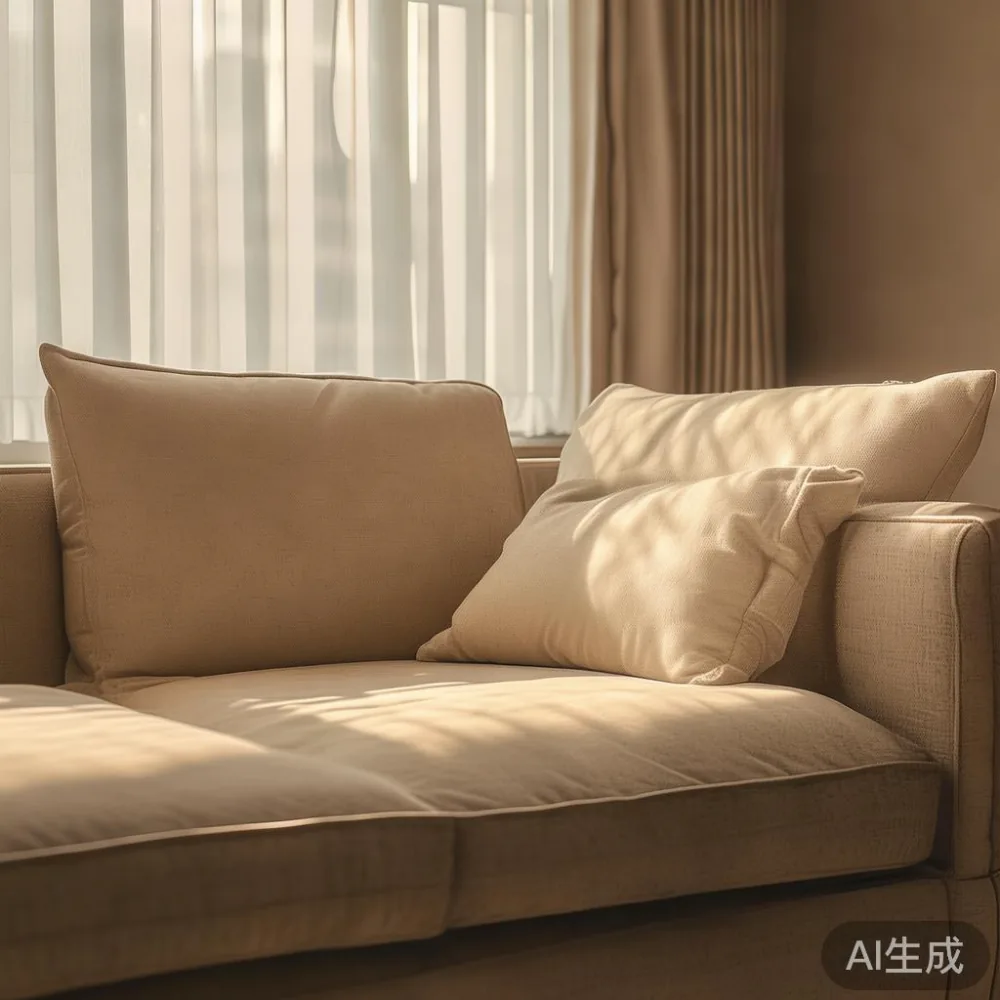
MIDHILL, a Foshan factory I visited last month in the Longjiang district, prints every part number on its warranty card with the matching timber species. Their 10-year structural warranty explicitly covers "solid hardwood rails and legs against cracking and joint failure under normal residential use". That kind of phrasing is what you want, because "structural" then has a clear meaning rather than a vague one.
Why "Lifetime" Sometimes Means Three Years (and Other Translation Issues)
"Lifetime" is the most abused word in furniture brochures. In Singapore, the Consumer Protection (Fair Trading) Act does not define a lifetime warranty, which means a brand can decide that lifetime equals the expected useful life of the product, the life of the original buyer, or seven years from invoice. I've seen all three in writing. The safe move: ask for the number in years, written next to the word "lifetime". If they refuse, walk away.
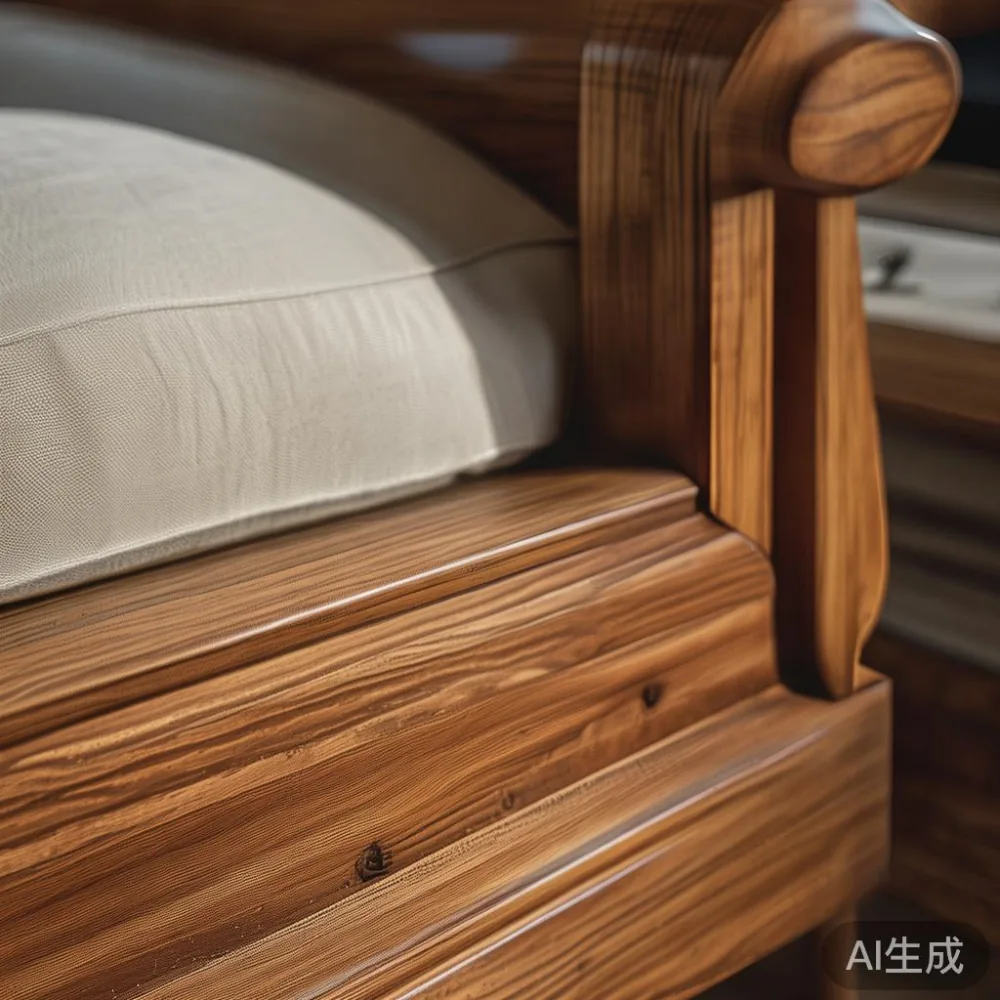
For context, most light-luxury French and American brands targeting our market offer 5 to 10 years on frames and 1 to 2 years on upholstery, finishing, and hardware. Post-modern light-luxury pieces with marble tables, brass-plated legs, or lacquered wardrobes often carry a shorter 3-year cover on the finish because the manufacturer knows how easily a humid HDB bedroom can cloud a high-gloss surface. The product terms to watch are solid wood sofa frames, bed frame slats, dining table tops, wardrobe hinges, and nightstand drawer runners. Each gets its own clock, and they don't all start at the same time.
How Long Should a Loveseat Warranty Be for Singapore's Climate?
A loveseat for a Tampines HDB living room sees more temperature swing in a year than one in a Seoul basement flat sees in five. Day-night differentials of 6 to 8 °C, plus daily opening of the service corridor door, push joints harder than the brochure suggests. A reasonable Singapore benchmark: 10 years on the hardwood frame and spring system, 3 years on cushion cores and fabric, 1 year on zips, stitching, and decorative stitching. Anything shorter on the frame is a sign the maker doesn't trust its own joinery.
Two more numbers worth memorising. Spring sag greater than 25 mm under a 75 kg test load is generally accepted as a structural failure. Foam compression below 60 % of original height after one year is considered a cushion defect, not wear. If your warranty booklet spells out thresholds like these, the maker has thought about failure modes rather than hiding behind them.
What Hidden Costs Should I Watch for in a Furniture Warranty?
Hidden costs hide in four corners of a warranty: inspection fees, transport fees, labour fees, and "act of God" clauses. Singapore-specific examples. If a wardrobe door warps and the maker sends a technician from Tuas to your Bedok flat, the SGD 60 call-out is sometimes billed to the buyer even when the claim is approved. Likewise, a cracked dining table top can be replaced free of component cost, but the SGD 120 delivery fee for the new top is yours. Ask, in writing, whether warranty work includes door-to-door transport or only component supply.
GST handling matters too. After the 9 % GST bump, a SGD 4,000 loveseat carries SGD 360 in tax. If a warranty replacement is treated as a new sale, you'll be charged GST on the replacement piece. Some brands absorb this within the warranty; others pass it through. Read the line that says "repaired or replaced under warranty at the company's discretion" and ask whether discretion includes absorbing the GST. MIDHILL's policy, for instance, treats warranty replacements as zero-rated for GST, which is a quietly generous detail often missed in competitor booklets.
How Do I Style a Garage Storage in a Modern Singapore Home?
Start by treating the garage or storeroom as a controlled environment with its own microclimate: aim to keep relative humidity between 55 % and 65 % with a SGD 25 dehumidifier, and store wooden pieces flat or on-edge with 5 cm of airflow on every side. For a modern HDB or condo, paint the walls in a light-reflecting off-white (Dulux White On White, around SGD 38 per 5 L), lay 600 mm x 600 mm vinyl floor tiles (SGD 2.20 each at your local DIY shop), and mount two rows of 1.2 m GarageFlex steel shelving (SGD 89 per unit) to hold folded balcony furniture for living room pieces during the monsoon season. Add a labelled bin system for hardware, soft furnishings, and seasonal cushions so that a loveseat you swap out for a three-seater in six months doesn't end up scratched against a forgotten dumbbell.
What Happens If the Furniture Is Damaged During Delivery in Singapore?
Transit damage is where warranties leak the most money. A loveseat that survives the workshop in Foshan can arrive at your Tampines doorstep with a hairline crack on the armrest. Who pays? The answer sits in two clauses: the delivery T&C and the warranty exclusions. Most warranties exclude "damage during transit" and shift liability to the courier, but the courier will only honour claims reported within 48 hours of receipt. So the workflow is: photograph every face of every carton before the delivery team leaves, photograph the unpacked piece, and email the photos the same evening. A claim filed on day three is often denied.
Corridor and lift dimensions are your pre-emptive defence. A loveseat usually fits through a 1.2 m corridor when stood on end, but a 2.1 m dining table almost never does unless the service lift is at least 1.5 m deep and 1.8 m wide. Ask the seller for the packaged dimensions in centimetres and the weight per carton in kilograms, then call your condo management to confirm lift clearances. I've seen SGD 180 surcharges for "difficult access" waived because the buyer had the lift specs in writing before delivery day.
Are Free Services Like Refinishing and Returns Actually Free?
"Lifetime refinishing" and "free shipping over SGD 470" look like gifts until the conditions surface. The Singapore dollar threshold matters: a brand that quotes USD 350 often means SGD 480 at the prevailing rate, which can sit above your basket total once you add a nightstand or a marble side table. Returns are another minefield. A 14-day return window is generous, but only if the piece is in its original packaging, unsembled, and resellable. A loveseat you assembled in your Punggol living room cannot usually be returned because the courier will not accept a re-packed upholstered item. Some makers, including MIDHILL, pick up the return for free above the SGD 350 threshold and refund within seven working days, but this is the exception, not the rule.
Refinishing is the most underrated benefit. A solid wood dining table that gets a fresh coat of hardwax oil every five years will outlast three cheaper replacements. Confirm whether refinishing covers the full piece or only the top, whether transport is included, and how many cycles are permitted. A lifetime cap of three refinishings per piece is common; unlimited is rarer and worth real money.
Does Singapore's Humidity Void My Furniture Warranty?
It shouldn't, but it can if the warranty buries a "must be stored in climate-controlled environment" clause. Almost no Singapore HDB flat is climate-controlled in the American sense, so that clause would void every claim in the country. Push back on it. Reasonable humidity tolerance for solid hardwood is 40 % to 75 %; anything outside that range and you have a fair argument that the maker specified an unrealistic operating environment. A solid (sorry, a strong) warranty will instead reference "normal residential use" without listing humidity numbers, leaving the burden on the maker to prove abnormal use rather than on you to disprove it.
For marble tables, the humidity question morphs into a staining question. Marble is porous. A SGD 18 tin of stone sealant applied once a year keeps red wine, soy sauce, and kopi spills from ghosting on the surface. If your warranty excludes staining, the sealant is your DIY warranty extension. Keep the receipt for the sealant in the same drawer as the warranty card, and photograph the application date on the back of the tin.
A Quick Checklist Before You Sign the Warranty Line
Run through these seven items with a pen before paying a deposit on any solid wood sofa, bed frame, dining table, wardrobe, nightstand, marble table, or loveseat over SGD 1,000 in Singapore. First, the structural warranty in years, written numerically. Second, the components covered, listed by part name and timber species. Third, the finish and hardware warranty in months, written numerically. Fourth, the inspection, transport, and labour fees, each with an SGD amount or a "borne by maker" line. Fifth, the transit damage reporting window in hours, typically 48. Sixth, the return window in days, the condition for returns, and who pays return shipping above SGD 350. Seventh, the refinishing scope: how many cycles, which surfaces, and who arranges collection. If any of those seven items is missing, ask for it in writing before you confirm.
Finally, keep the warranty card, the paid invoice, the delivery photos, and the dehumidifier receipt in one A4 plastic sleeve taped inside your wardrobe door. When a claim day comes, usually in year three or four when a drawer runner rusts or a cushion sags, you'll have everything in one place and the maker will have fewer reasons to slow-walk the fix. A loveseat bought with eyes open tends to be a loveseat kept for fifteen years. A loveseat bought on vibes tends to be replaced in three.