5-Year Cost Comparison: Veneer vs Solid Wood Loveseats in Singapore
Choosing a loveseat for a Singapore HDB flat or condo is rarely a decision about appearance alone. A 160 cm two-seat sofa may look convincing in a showroom, yet its material construction can determine how it feels after 5 years of daily use, how often it needs repair, and what replacement costs you will eventually face. Veneer can offer an attractive initial price, while solid wood carries a higher purchase cost but may suit buyers who value long-term durability and repairability.
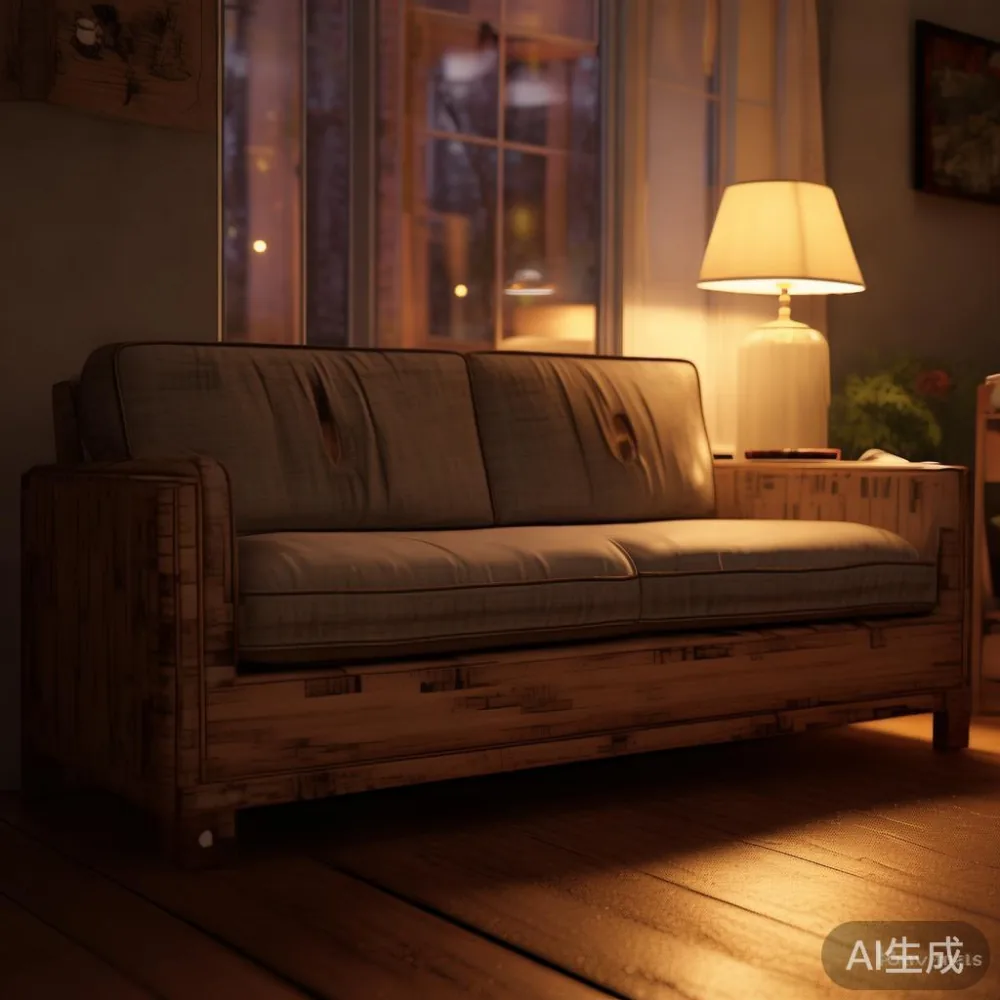
This comparison uses a typical Singapore household: 2 people using one loveseat for roughly 8 hours a day, with an assumed exchange rate of USD 1 to SGD 1.35. Because the figures are working estimates rather than universal selling prices, they are intended to help you compare ownership logic rather than predict one quote for every apartment.
For Singapore, delivery logistics matter as much as the material. A compact unit of 160 × 85 × 82 cm may pass through a standard HDB lift opening of about 90 cm wide and 210 cm high, but the packaged sofa must actually be measured. Condo corridors may be narrower, and turning corners can add delivery days. GST at 8% is included throughout the comparison.
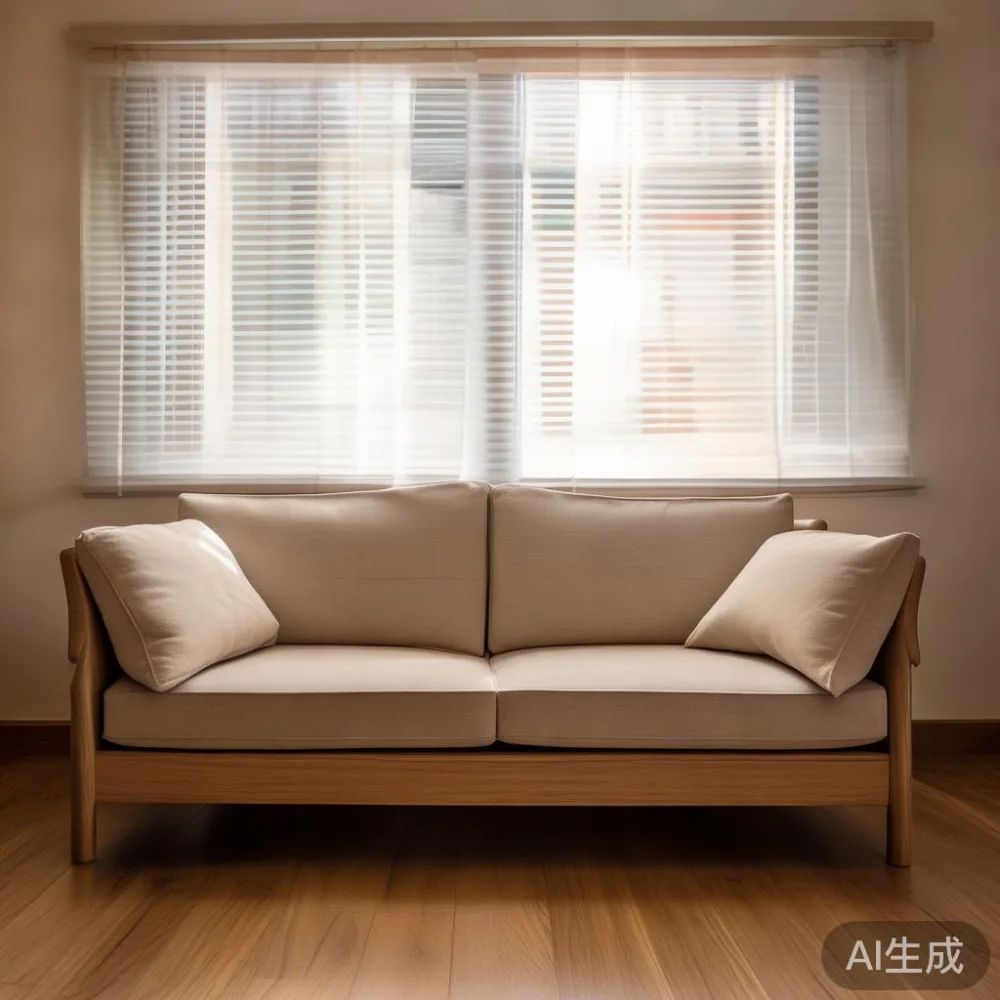
What is the 5-year cost of a solid wood loveseat compared with veneer?
The short answer is that veneer usually wins on the purchase receipt, while solid wood becomes more competitive when repair, refinishing, resale, and replacement costs are considered. The result depends heavily on the build quality of both products. A well-made solid wood loveseat with properly joined frames and replaceable cushions can offer the stronger ownership proposition over 5 years. Cheap veneer with particleboard underneath can age poorly despite an expensive-looking surface.
Let us compare a 160 cm solid wood loveseat priced at SGD 1,480 before GST with a 160 cm veneer loveseat priced at SGD 880 before GST. These figures include delivery in Singapore, while the free-shipping threshold mentioned by MIDHILL applies to qualifying international orders over US$350, not automatically to every local purchase.
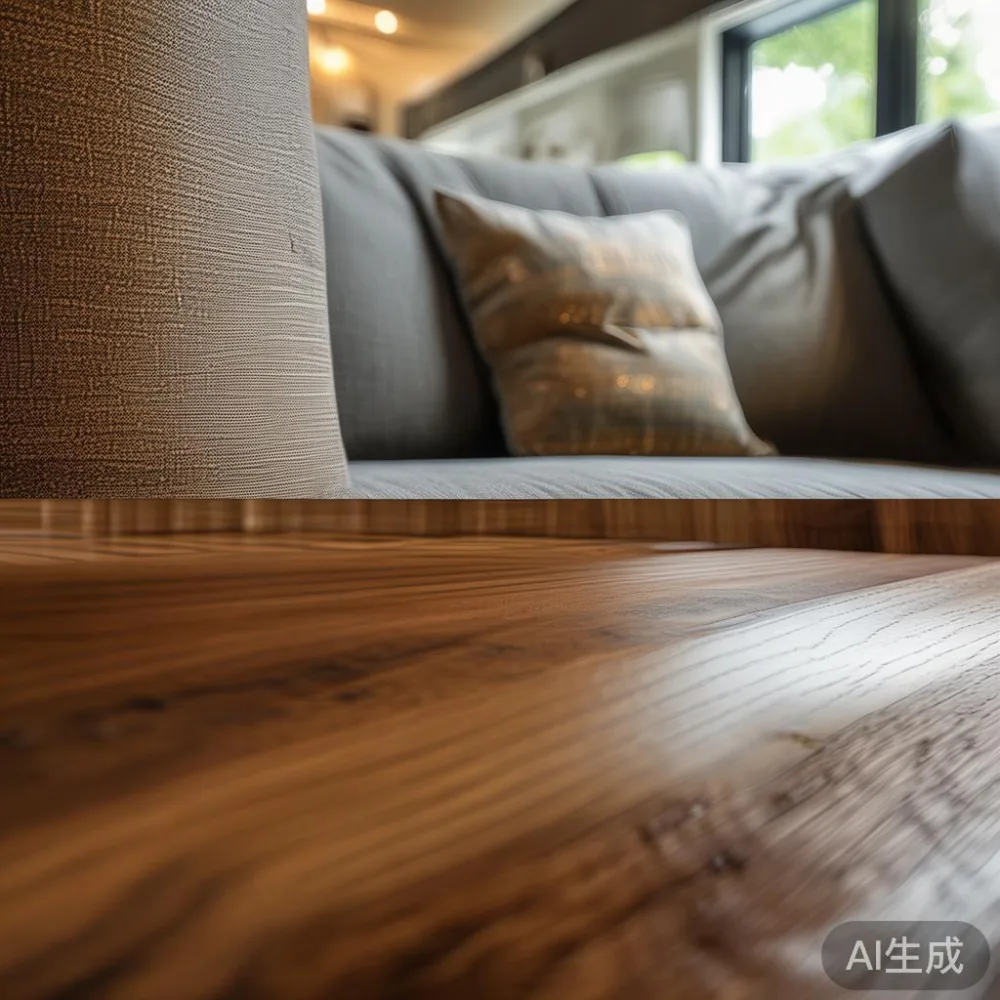
Across 5 years, our solid wood scenario comes to about SGD 1,627 when normal care and one minor repair are included. The veneer scenario reaches approximately SGD 1,475 because of a more likely frame or surface repair and a lower resale allowance. That leaves a difference of roughly SGD 152 before any resale proceeds are subtracted. The important point is that the lower veneer price does not disappear once delivery is paid; it narrows because quality differences affect maintenance and later value.
Our arithmetic assumes 365 days per year, 8 hours of daily use, a 4.5% annual furniture inflation rate, and a 30% residual value for a well-maintained solid wood loveseat. The veneer example assumes a 12% residual value. Replacement is treated as an equivalent new item at the future price, so the calculation reflects both current ownership and the risk of buying again.
How much do veneer and solid wood loveseats cost at purchase?
The purchase prices below show the immediate cash difference clearly. Both examples are for a 160 cm, 2-seat loveseat with 2 removable seat cushions, 2 back cushions, and a kiln-dried hardwood frame. A cheaper product with mixed materials will not match this specification.
- Solid wood loveseat: SGD 1,480 before GST and delivery.
- Veneer loveseat: SGD 880 before GST and delivery.
- Estimated local delivery: SGD 80 for the solid wood model and SGD 60 for the veneer model.
- 5% annual inflation applied to replacement pricing.
With 8% GST and delivery, the solid wood loveseat starts at approximately SGD 1,678.40. The veneer loveseat starts at approximately SGD 1,110.40. The opening gap is SGD 568.
Material naming deserves attention. A product described as “solid wood” may apply that term only to the visible frame, while the back panel, seat deck, or some secondary parts use plywood or another engineered component. Veneer is a real construction method: a thin layer of wood, commonly 0.6 to 1.2 mm, is bonded to a stable core. It is not automatically poor material, but visual quality and substrate strength must be checked separately.
The exterior finish may be matte lacquer, water-based polyurethane, or a light oil treatment. In a humid Singapore environment, water-based finishes are practical for easier local maintenance. Ask the supplier how many coats are applied, whether the finish can be renewed, and whether edges are sealed against swelling.
What maintenance costs should I expect over 5 years?
For daily household use, maintenance becomes a measurable part of ownership. A solid wood loveseat may need tightening of 4 joints after the first 6 months, followed by an annual check of 6 screws, brackets, and frame connections. A light refresh of the wood finish may become appropriate around year 3, with an average local service cost of SGD 180.
A veneer loveseat often looks excellent in years 1 and 2. Around years 3 to 5, however, high-use areas can show wear at the front rail, armrest edge, or seat edge. A minor repair costing SGD 130 is plausible, while a larger panel or structural repair could cost SGD 280. If moisture reaches the substrate, a repair may not restore the surface evenly, and replacement may be more sensible.
Cleaning costs are modest in both cases. Budget about SGD 45 per year for upholstery cleaner and about SGD 20 per year for wood care products. Use a damp cloth rather than soaking a veneer edge. Keep the loveseat at least 30 cm away from a window or air-conditioning vent, and avoid placing it directly against a damp exterior wall.
MIDHILL offers lifetime refinishing for qualifying products, which can materially reduce the risk of a full restoration project. Confirm whether the service covers the specific finish, frame components, transportation, and any changed colour or sheen. A lifetime policy is useful only if its scope is stated in writing.
How will each loveseat perform in a Tampines, Bedok, or Punggol home?
In a 3-room Tampines HDB flat, a 160 cm loveseat can work as a compact living-room seat without occupying the full width of a 250 cm sofa wall. Leave at least 60 cm of circulation space between the loveseat and coffee table. In a Bedok condo, a slim 85 cm depth can preserve a 75 cm walkway beside the unit, provided the sofa is not placed in the main corridor.
Lift access should be confirmed before ordering. Although many standard HDB lifts have a door opening near 90 cm, some building and retrofit conditions differ. A packaged loveseat may measure 175 × 95 × 105 cm rather than the furniture’s nominal dimensions. If the packaged width exceeds 90 cm, the sofa may need to be carried up stairs, which can add SGD 120 to SGD 250 in labour.
Condo loading areas may require a booking of 2 to 5 days, and the building management may impose specific moving hours. Allow 7 to 14 calendar days from confirmed order to delivery for a made-to-order piece, especially if the finish or dimensions are customised. Stock availability may reduce this to 3 to 7 days.
Delivery is only the start of installation. Check that the legs can be fixed on site, then measure 5 mm clearance around the unit for ventilation. For French light luxury, use restrained profile lines, pale oak, cream upholstery, and brushed metal details rather than heavy carving. For a post-modern light luxury approach, balance one curved arm with straight lines. The wood construction should remain visually quiet, not overwhelmed by decoration.
Is solid wood more comfortable and better looking after 5 years?
Comfort is driven more by the seat design than the wood species. Both comparison loveseats use foam seat cushions with a density around 35 kg/m³. A 160 cm width gives each person about 74 cm of nominal seat width after armrests, enough for relaxed sitting but not generous lounge space. If you prefer deeper seating, compare a 165 cm model with a seat depth of 58 cm rather than assuming one internal construction.
Solid wood tends to develop character through movement, minor colour variation, and a softened surface sheen. Those changes can suit buyers who want furniture to age naturally. Veneer can maintain a uniform appearance for longer, but wear may expose the core or create a mismatched patch. Neither outcome is predetermined; finishing quality, sunlight exposure, and care habits matter.
Some people search for the best Boho sofa for 2026 when planning an airy living room. That phrase may point towards loose cushions, woven textiles, and a warm timber tone, but the search for a Boho for dining room is a different category and should not dictate a loveseat specification. The relevant comparison remains frame quality, cushion density, joinery, finish, and measured dimensions.
Can the loveseat be repaired instead of replaced?
Repairability is one of solid wood’s clearest advantages. A loose armrest screw can cost SGD 15 to SGD 30 in labour. Re-glued and refinished joints may cost SGD 90 to SGD 160, while refinishing the visible surfaces can cost around SGD 180. A replacement cushion can cost SGD 85 for a 2-seat set, allowing the structure to remain in service.
Veneer repairs depend on the damage. A small chip may be filled for SGD 60 to SGD 100, but a lifted sheet across a 40 cm edge could cost SGD 180 to SGD 280. If the underlying particleboard has swollen, patching becomes a temporary solution. Solid wood usually offers more stable repair options because the damaged section can often be sanded, filled, and refinished.
For related planning, a MIDHILL bed can help you evaluate the same finish and joinery standards used across a coordinated bedroom. If you are considering how to style European bed in bedroom, match the finish with a wall colour rather than using identical timber for every item. A French bed vs Nordic bed comparison often becomes clearer when the question is proportion and visual weight, not merely wood type.
What about resale value and total cost over 5 years?
Resale is useful but secondary because most Singapore loveseats are used privately rather than sold immediately. Our solid wood example assumes a resale value of SGD 444 in year 5. The veneer example assumes SGD 106. These figures reflect different confidence in the condition of the visible surfaces and frame, not a guaranteed market price.
On a simple net-cost basis, the solid wood loveseat may cost about SGD 1,183 after the estimated resale value is subtracted. The veneer loveseat may cost about SGD 1,369. The difference reverses the initial price advantage. If the buyer has no intention of reselling, the numbers still matter: solid wood spreads a larger upfront sum across a longer usable life and reduces the likelihood of repeating the purchase cycle.
The arithmetic changes if a low-cost veneer loveseat remains in excellent condition for 5 years and never needs structural work. In that case, its net cost could remain below SGD 1,110, making it a sensible choice for a rental property, a short stay, or a tightly controlled budget. A premium solid wood option becomes stronger when the sofa is used daily, children use it, pets jump on it, or the owner expects to refinish rather than discard it.
How do Scandinavian and American design references affect the choice?
Scandinavian for small living room design usually calls for a loveseat with a slim profile, light upholstery, and visible straight-grain timber. A solid oak or ash finish can support that visual language while remaining practical in Singapore. The comparison loveseat’s 160 cm width and 85 cm depth fit this compact approach, subject to building access.
An american sofa set design reference may imply broader proportions, deep cushions, and a casual appearance. If you are replacing a loveseat with a larger coordinated seating arrangement, confirm that the frame and finish can be matched. Consistent wood tone can be difficult to reproduce across different batches, so request finish samples rather than relying on photographs.
For coordinated homes, a solid wood sofa can pair with a solid wood bed frame, dining table, wardrobe, or nightstand without competing finishes. A marble table introduces a cooler surface and stronger visual weight, so balance it with simpler upholstery. This approach borrows from American light luxury without making the room visually crowded.
Do not let style labels obscure the practical questions: what is the frame made from, how are joints fixed, how thick is the veneer, how dense is the foam, and what does the warranty include?
How do I compare delivery, warranty, and returns before buying?
A fair comparison should place the same information on both sides. Obtain the packaged dimensions of each loveseat, the lift dimensions at your block, the delivery fee, assembly requirements, GST treatment, and the expected delivery window. A 7-day delivery promise that excludes made-to-order finishes is not comparable with a 14-day confirmed production period.
MIDHILL was established in 2008 and exports to more than 15 countries. Its 10-year structural warranty gives solid wood buyers a defined level of structural assurance, while lifetime refinishing can support long-term care. The 14-day returns policy adds another layer of protection, although buyers should check whether a custom size, custom finish, or used condition is excluded.
For a practical purchasing sequence, compare 3 things before paying. First, ask for a cross-section or clear specification of the internal frame and veneer core. Second, check every joint and cushion on a showroom model, including the underside and rear panel. Third, take a tape measure to your Singapore home and compare it with the packaged loveseat, not just the nominal width.
Which loveseat should I choose for my 5-year budget?
A veneer loveseat can be financially efficient when the initial budget is the dominant constraint and the unit will receive moderate use. At around SGD 1,110 including GST and estimated delivery, it offers a low starting commitment. Expect more attention to edge wear and a higher possibility of repair in years 3 to 5.
A solid wood loveseat requires a larger opening budget, around SGD 1,678 in this model, but provides a repairable structure, a 10-year structural warranty, and access to refinishing through MIDHILL. Over the full 5-year period, our working comparison places it close to the veneer option on net cost and potentially lower when resale value is included.
For a frequently used HDB or condo loveseat, choose solid wood if the difference of roughly SGD 568 at purchase is manageable. Choose veneer if that premium cannot fit your budget and you accept the likelihood of replacing it earlier. Measure the lift, compare finishes under daylight, and read the warranty scope. The right answer is not the one with the most expensive material label, but the one whose construction matches your home, your daily routine, and the number of years you plan to keep it.