Buying a Loveseat Online in Singapore: Delivery, Corridors, and What Actually Happens at Your Door
I learned the hard way that buying a loveseat online is mostly a logistics problem disguised as a furniture problem. Last month I watched two delivery crews try to wrestle a 220 cm solid wood sofa frame into a HDB lift in Tampines that measured 118 cm door to door. One crew measured twice. The other just shrugged, unbolted the corridor fire-rated door at the unit entrance, and slid the box in sideways. That image has stuck with me, because it captures everything you need to know about ordering a loveseat in Singapore before you commit a single cent.
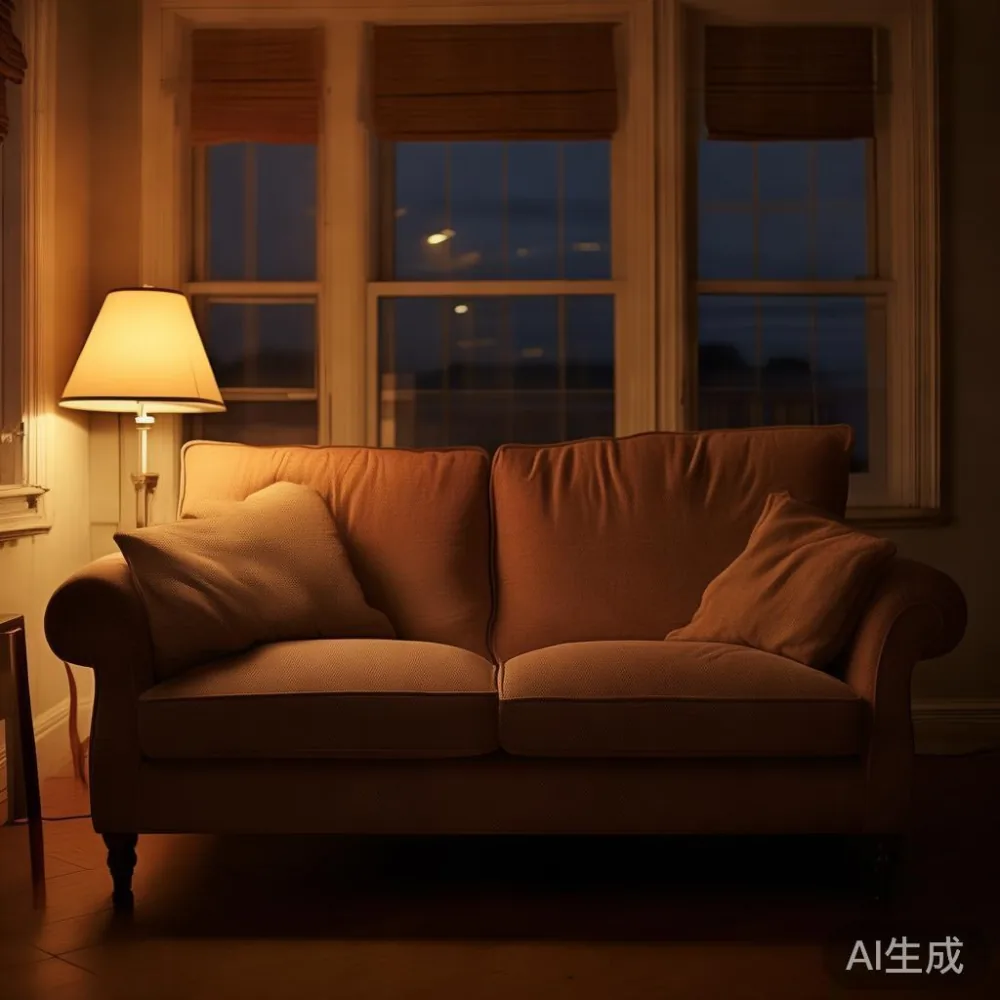
This is a practical guide written for anyone in a HDB flat, a condo in Punggol, or a walk-up in Bedok who is comparing pictures on a screen with the realities of lift doors, corridor turns, and a 9% GST bill. I will walk through the exact numbers that matter, the questions worth asking any supplier, and the small details that decide whether your Friday night ends with a loveseat on your balcony or a loveseat stuck on a stairwell landing.
What should you measure before you order a loveseat for a Singapore HDB or condo?
Before anything else, measure the lift, the corridor, and the door. Singapore HDB passenger lifts typically have an internal cabin of about 1.4 m wide x 1.1 m deep x 2.3 m high, and the door opening is usually around 90 cm wide. Private condo lifts vary more, but a typical resident lift in a development like Treasure at Tampines or Waterway Ridges sits around 1.1 m wide x 1.5 m deep with a 90 cm door. The corridor outside your unit is the next bottleneck. HDB corridors run roughly 1.2 m to 1.5 m wide, and turns near refuse chutes or stairwells can tighten to a 1.2 m pivot. Your own front door, even for a 4-room HDB, is almost always 90 cm x 2.1 m or smaller if it is a fire-rated timber door.
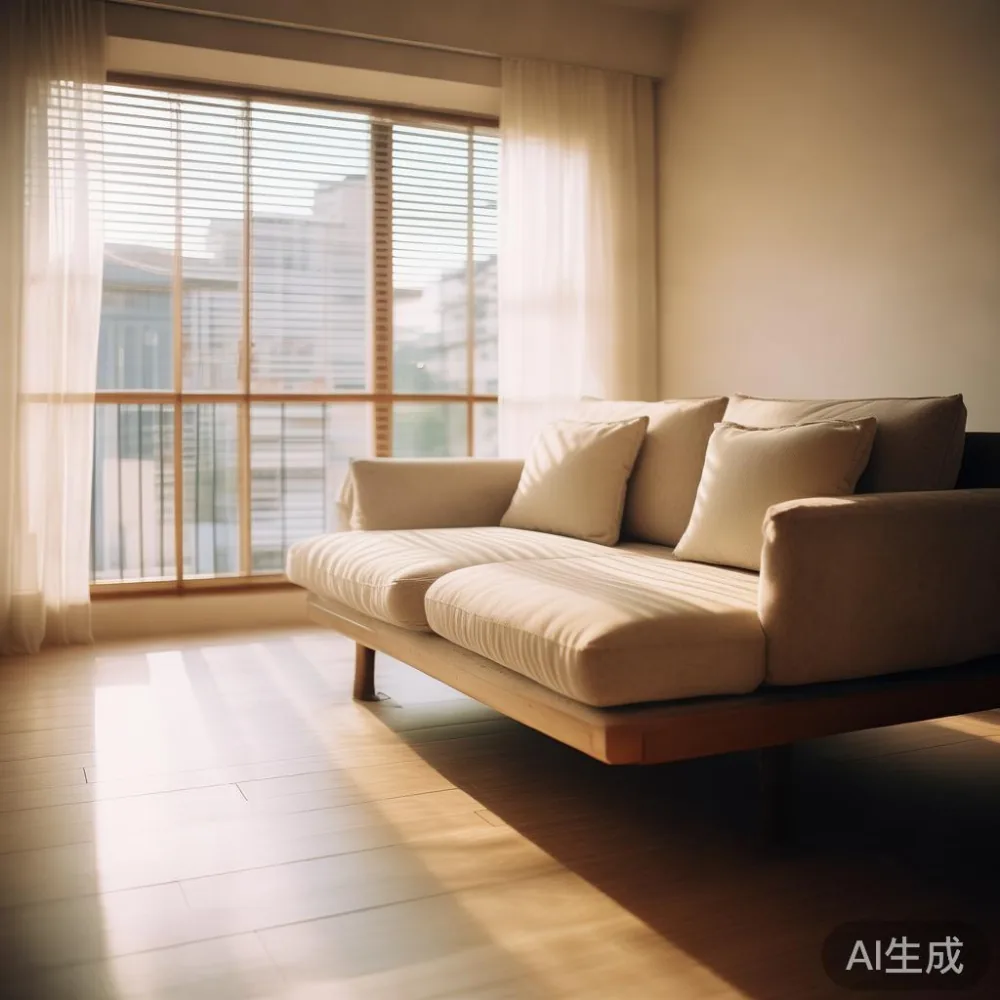
Write those three numbers down. Then measure the diagonal of every box the loveseat ships in. A 180 cm two-seater loveseat usually ships in two cartons of 95 cm x 75 cm x 50 cm each, plus an armrest carton. If the diagonal of any carton exceeds 1.8 m, the lift is out. If it exceeds 1.5 m, the corridor turn is the risk. Keep a 10 cm buffer on every dimension. When I visited a colleague's new 5-room HDB in Bedok last month, the only thing that stopped a 200 cm French light luxury loveseat from entering was a 12 cm pipe bracket sticking out of the corridor wall — exactly the kind of detail a spec sheet never mentions.
How heavy is a solid wood loveseat, and who actually carries it upstairs?
A solid wood sofa frame weighs more than engineered wood or plywood, full stop. A two-seater loveseat with a hardwood frame, sinuous spring base, and 8-way hand-tied back will land somewhere between 65 kg and 95 kg packed, depending on cushion density. The frame alone for many Chinese-made solid wood sofas sits in the 45 kg to 60 kg range because the timber is kiln-dried and the joinery uses real mortise and tenon rather than dowels and staples. Add two cartons, protective foam, and a wooden crate outer, and the total consignment weight per loveseat routinely clears 100 kg.
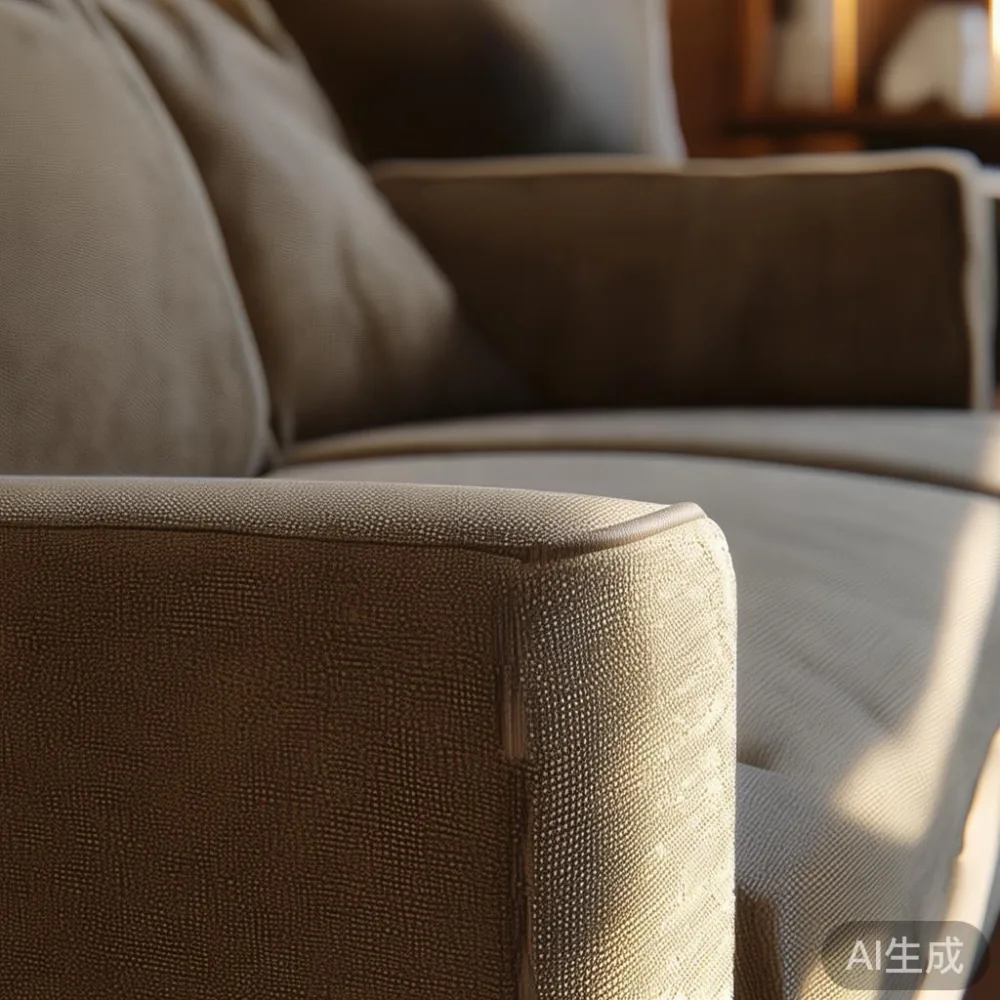
This matters because Singapore delivery usually bills by manpower. A standard doorstep delivery for a single loveseat starts around SGD 60 to SGD 120 for ground floor. Walk-up floors without a lift typically add SGD 10 to SGD 25 per floor per item. I have seen quotes from SGD 280 for a four-floor walk-up in Tiong Bahru, and SGD 420 for a fifth-floor maisonette in Marine Parade. Free shipping thresholds apply. Many suppliers, including MIDHILL, waive the fee above a cart value threshold (US$350 international, which is roughly SGD 475 at current rates), but only for ground floor or lift-access units. If you live above the fourth floor without a lift, ask the supplier to confirm in writing whether the manpower surcharge is included.
What does a realistic delivery timeline look like from order to your living room?
Plan for three time bands, not one. For stocked loveseats shipped from a local Singapore warehouse, the realistic window is 5 to 10 working days from order, plus a 1 to 3 day booking slot from the delivery crew. For made-to-order solid wood sofas coming out of a Foshan factory, allow 30 to 45 days of production plus 14 to 21 days of sea freight to Singapore, then another 7 to 14 days for last-mile. Total: roughly 8 to 12 weeks. Custom fabrics and COM (customer's own material) adds another 7 to 14 days.
Sea freight is the variable most buyers underestimate. A 20-foot container from Yantian to Singapore runs about 8 to 12 days in transit, but during Chinese New Year (roughly mid-January to mid-February) and the September peak, it stretches to 18 to 25 days. Port congestion at PSA in 2024 occasionally added 3 to 5 days. If your supplier quotes 30 days from Foshan to your door, treat that as an optimistic floor, not a promise. MIDHILL's published lead time for custom orders is around 30 to 45 days for production, which lines up with what the freight forwarders I checked in Jurong told me.
Is French provincial queen bed furniture worth it?
Yes, French provincial queen bed furniture is worth it for buyers who want a specific look, understand the construction, and budget for the weight. The style is defined by carved cabriole legs, distressed cream or linen finishes, and brass-effect hardware, and it pairs naturally with a loveseat in the same room because the proportions match. A solid hardwood French provincial queen bed frame from a reputable factory weighs 55 kg to 80 kg unpacked, ships in three cartons, and needs two people plus a cordless drill for assembly. In a Singapore context, the value comes from the joinery and the finish quality rather than the brand name — you are paying for kiln-dried rubberwood or ash, hand-applied multi-layer paint, and a 10-year structural warranty.
The reason this question matters inside a loveseat-buying article is that buyers often shop a full set in one go: a loveseat, a queen bed, a nightstand, and a dining table. If the queen bed is worth ordering from a light luxury specialist, the loveseat usually is too, because the same factory, the same finish line, and the same shipping container can carry all of them. A typical Singapore order of a loveseat, a queen bed frame, and two nightstands lands between SGD 3,800 and SGD 6,200 before GST, depending on fabric grade and timber. Add 9% GST on the landed cost, and the all-in number is what your credit card statement will show.
What does assembly actually involve for a flat-pack solid wood loveseat?
Most loveseats from Foshan ship in three to five cartons: the frame, two armrests, the seat and back cushions, and sometimes a separate hardware box. The frame itself is usually pre-assembled at the factory, so what you do at home is mount the legs, clip the armrests to the frame with metal brackets and Allen bolts, drop in the sinuous springs or webbing if they ship detached, and place the cushions. Budget 30 to 60 minutes for two people, plus 15 minutes of unboxing and carton disposal. You will need a 4 mm Allen key (often included), a Phillips screwdriver, a rubber mallet, and a drill with a 4 mm bit if the legs bolt through a wooden frame rather than thread into inserts.
The differences between brands live in the small parts. Cheap loveseats use plastic L-brackets and 6 mm dowels that strip out within a year. Better ones use steel corner braces, 8 mm through-bolts, and cam-lock connectors. MIDHILL publishes a 10-year structural warranty that specifically covers frame breakage and joint failure, which is the part that matters five years in. Ask any supplier for the warranty document before you pay, and read the exclusions: foam compression, fabric pilling, and finish fade are almost always excluded, even on premium pieces. A solid wood dining table in the same shipment has the same warranty profile, so consistency across categories is a useful proxy for factory quality.
How do corridor width and lift access change the loveseat you should buy?
Corridor width and lift access dictate the maximum loveseat length you can practically receive. For a standard HDB lift with a 90 cm door and a 1.4 m wide cabin, a 200 cm loveseat will enter only if the back is detachable and the carton depth stays under 75 cm. For condo lifts with wider 1.1 m doors, a 220 cm loveseat is comfortable. For walk-up apartments without lifts, anything above 180 cm becomes a two-trip job and a 200 cm job becomes a four-person carry plus a surcharge.
This is why I recommend shortlisting two or three loveseat SKUs and physically measuring the largest carton dimension against your lift and corridor before you decide. A 165 cm loveseat with a 75 cm deep frame fits almost every HDB in Tampines, Bedok, and Punggol without drama. A 195 cm loveseat fits most new-condo lifts in Punggol but will struggle in older HDB blocks with narrow refuse-chute turns. A 220 cm American light luxury loveseat with rolled arms and a tufted back is in effect a built-in — you have to design the room around the delivery, not the other way around.
What about returns, damages, and the 14-day return window?
Returns are the single most misread clause in furniture e-commerce. A 14-day return window in Singapore, as offered by MIDHILL among others, almost always applies to the cart value of undamaged, unused goods in original packaging. Once the cartons are opened and the loveseat is assembled, most suppliers will not accept a return for change of mind. Custom fabric, custom dimensions, and COM orders are non-returnable. A few suppliers offer a 50% restocking fee for change-of-mind returns on stocked items, which means a SGD 2,400 loveseat becomes SGD 1,200 if you simply do not like the colour of the cushion.
Damage in transit is a separate workflow. Photograph the cartons before opening. Photograph the foam and the frame after unboxing. If you see crushed corners, water-stained fabric, or cracked timber, refuse the delivery and write "damaged" on the delivery order. Reputable suppliers replace damaged parts within 14 to 30 days at no cost, and ship replacement cushions or armrests via the same sea route that took eight weeks to arrive — which is itself an argument for ordering a spare cushion cover or two while you have the shipment on the water. The lifetime refinishing policy that some light luxury makers offer, including MIDHILL, applies to the finish of solid timber (such as a dining table top, a wardrobe door, or a bed frame headboard) rather than to fabric cushions.
How does the Italian light luxury rattan wicker saudi arabia trend affect what you can buy in Singapore?
Buyers searching for Italian light luxury rattan wicker saudi arabia are usually chasing the indoor-outdoor look that has migrated from Riyadh and Jeddah terraces into Singapore balconies and condominium common areas. The pieces are typically hand-woven rattan or PE wicker over a solid wood frame, finished in walnut or whitewash, and paired with marble table tops or travertine side tables. The same factories that ship a loveseat into Singapore often ship a matching rattan dining chair set or a wicker armchair into the Gulf, so the finishes tend to be in stock and the lead times are reasonable. Expect to pay SGD 1,800 to SGD 4,200 for a rattan and solid wood loveseat in this style, depending on weave density and whether the cushion is quick-dry foam.
The Singapore-specific wrinkle is humidity. PE wicker tolerates the 80% to 90% RH common in Bedok and Punggol better than natural rattan, which can warp after 18 to 24 months in an un-air-conditioned balcony. If you want the look on a balcony without a roof, ask for PE wicker over a teak or aluminium frame and accept that the cushions will need replacing every two to three years. Inside an air-conditioned condo, natural rattan is fine and will outlast a fabric loveseat by a wide margin. The same logic applies to a marble table — sealed Carrara or Calacatta surfaces handle Singapore humidity if the sealant is reapplied every 18 months, otherwise the surface etches within the first year.
Which loveseat specifications actually matter for Singapore homes?
Five numbers matter more than any others. First, the outer width: target 160 cm to 190 cm for HDB living rooms under 18 sqm, and 190 cm to 220 cm for condo living rooms over 22 sqm. Second, the seat depth: 55 cm to 60 cm for upright sitting, 62 cm to 68 cm for lounging. Third, the seat height: 42 cm to 46 cm is the Singapore-friendly range because most local dining tables and coffee tables sit at 40 cm to 45 cm. Fourth, the frame weight: under 70 kg packed for HDB walk-ups, 70 kg to 100 kg for lift-access units. Fifth, the fabric rub count: 30,000 Martindale for light residential use, 50,000+ for households with children or pets.
Beyond those five, two finishing touches decide whether a loveseat ages well. Removable, washable cushion covers extend the usable life by 3 to 5 years, and a kiln-dried frame with a moisture content below 12% resists Singapore's humidity swings better than air-dried timber. The same factory usually makes a matching bed frame, nightstand, dining table, and wardrobe in the same timber, so if you like the loveseat, you can furnish the whole room without finish mismatch. That is the quiet advantage of buying a coordinated light luxury set rather than mixing pieces from five different suppliers, and it is also why a 10-year structural warranty on the whole suite is worth more than the same warranty on a single piece.
Quick checklist before you click pay
Run through this list before you commit. Measure your lift door, cabin, corridor pivot, and front door, and write the numbers in millimetres. Confirm the largest carton diagonal for the loveseat you want, and check it against your lift diagonal minus 100 mm. Confirm the packed weight and the manpower surcharge for your floor if you are in a walk-up. Ask for the warranty document, the finish specification, and the fabric rub count. Confirm the production lead time, the sea freight ETA, and the assembly time on site. Read the return policy for custom orders, COM fabric, and change of mind. Add 9% GST to the landed price in SGD before you decide whether the loveseat fits your budget. If all eight boxes check out, the loveseat you see on the screen is the loveseat that ends up in your living room — and not the one your delivery crew leaves on the corridor floor because it will not fit through the door.