Loveseat Care in the Tropics: How to Protect a Lacquered Surface in Your Singapore Home
I keep a small notebook on my phone with every furniture mistake I have ever made. The most recent entry was made six months ago, when I carried a brand-new lacquered loveseat up the service lift of a Tampines HDB block, parked it under the window, and watched the afternoon sun turn the surface into a cloudy mess within three weeks. The piece was not cheap, the building had a 1.0 m wide lift interior that barely accepted a 90 cm deep frame, and the relative humidity in the corner never dropped below 78 percent. That single loveseat cost me a polishing fee of S$240, and it taught me more about lacquer than any showroom conversation ever did. This guide is everything I wish someone had told me before I signed the invoice, with numbers that matter for Singapore homes.
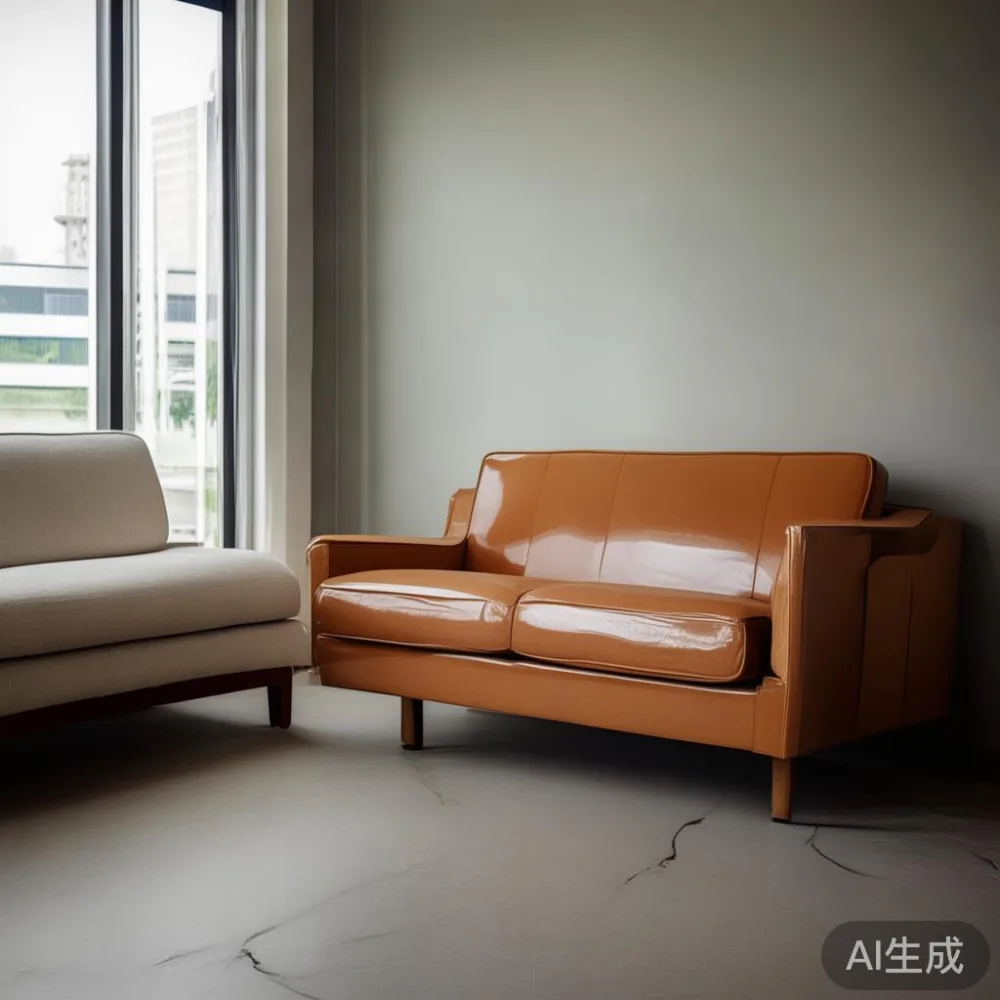
Why Does a Lacquered Loveseat Behave So Badly in Singapore?
The short answer: lacquer is a film finish, and Singapore treats film finishes like a stress test. Average daytime humidity sits between 70 and 85 percent most months, indoor temperatures in a non-aircon HDB run from 26 °C at night to 32 °C by 4 pm, and UV index regularly hits 11 between 11 am and 3 pm. A solid wood sofa, bed frame, dining table, wardrobe, or nightstand finished with nitrocellulose or PU lacquer absorbs and releases that moisture through micro-pores in the wood. The lacquer layer, however, does not move at the same rate as the timber underneath, so micro-cracks appear first at the joints, then along the rails, then across the broad panels of the back. Add a west-facing window in a Punggol condo that gets full afternoon sun, and the surface temperature of a dark walnut frame can climb past 48 °C while the underside stays 8 to 10 °C cooler. That 40 °C gradient is where lacquer fails.
Local context matters more than brand marketing. In a Tampines 4-room HDB, the corridor width between the lift lobby and your door is usually 1.2 to 1.5 m, which means a 180 cm three-seater has to be tilted on its side just to clear the turn. A loveseat at 140 to 160 cm wide clears most corridors and standard 0.9 m door frames when you remove the cushions and the feet. That is one practical reason MIDHILL ships its lacquered pieces in 70 x 70 x 90 cm sub-crates: each sub-crate weighs under 28 kg, fits a standard service lift (typically 1.0 to 1.2 m deep, 800 to 1000 kg capacity), and can be carried by one mover up a HDB staircase when the lift is being serviced.
What is the best dining chair for a small apartment?
The best dining chair for a small apartment in Singapore is a 45 cm wide solid wood dining chair with a 42 to 45 cm seat height, a curved backrest under 50 cm tall, and a removable felt-lined foot that will not score your lacquered dining table — anything taller or wider wastes the 75 to 90 cm of chair clearance you actually have around a 120 to 140 cm four-seater. Stick to chairs that stack or hang on a rail, skip swivel bases in a 3 x 3 m kitchen, and choose a seat depth between 38 and 42 cm so two chairs still fit per side without the table edge eating into the walkway.
Why this matters inside a lacquered-care article is that the chair is the single most common source of impact damage on a dining table surface in a Bedok or Punggol flat. A chair pulled out 60 times a week, dragged 5 cm across the lacquer at a 12 kg load, will leave a visible dull strip within four months. Felt pads rated for 8 to 12 kg per pad, replaced every nine months, are the cheapest insurance you can buy at S$6 to S$12 per set of eight.
How Often Should I Dust and Wipe a Lacquered Surface?
For a Singapore home, the honest cadence is twice a week for dusting and once a week for a damp wipe. Pollen and construction dust are not the main problem here; PM2.5 readings regularly cross 35 µg/m³ during haze periods, and fine grit acts as an abrasive under any cloth. Use a clean microfiber cloth (around 240 gsm, around 30 x 30 cm), a second dry cloth for buffing, and a bottle of distilled water with a single drop of pH-neutral dish soap per 250 ml. Avoid supermarket spray polishes that contain silicone: they look good for ten minutes and then soften the lacquer over the next six months, which is exactly what happened on the studio entrance table I refinished for two colleagues last year, after they had used Pledge for eighteen months on a white marble top with a lacquered wood apron.
For a loveseat specifically, vacuum the crevices weekly with a brush head set to 600 to 800 Pa suction (any handheld above 100 W will do). Lift the seat cushions, run the brush along the back rail and the inside of the arm. A 140 cm loveseat has roughly 1.6 m of internal corner length where grit collects, and that grit is what dulls the lacquer at the arm caps first.
How Do I Control Humidity Without Air-Conditioning 24/7?
Keep the room between 55 and 65 percent relative humidity and 24 to 27 °C, and your lacquer will outlast the warranty. In Singapore that usually means a 9 to 12 L/day dehumidifier running 4 to 6 hours overnight, which costs about S$0.18 to S$0.30 per cycle at the 2026 electricity tariff of roughly S$0.32 per kWh. Place the unit 1.5 to 2 m away from the solid wood sofa, bed frame, dining table, wardrobe, or nightstand — direct airflow across a lacquered panel for 8 hours causes uneven film stress, even if the temperature stays constant.
If you do not want to run a dehumidifier, a passive silica-gel cabinet inside a closed wardrobe absorbs about 25 to 40 g of water per 100 g of beads at 80 percent RH, and a single 500 g tub is enough for a 0.8 m wide two-door wardrobe. Replace or recharge the beads every 30 to 45 days by spreading them on a tray at 120 °C for three hours. For larger pieces like a 200 cm dining table or a 180 x 200 cm bed frame, the only honest answer is a room-level dehumidifier or a 9,000 to 12,000 BTU inverter aircon running on dry mode for two hours before bed.
MIDHILL ships every lacquered frame with two 60 g silica sachets tucked inside the sub-crate, and the warranty card specifies the 55 to 65 percent RH range as the operating envelope. The company will refinish the surface for free inside the first ten years if the wood moves more than 2 mm at any joint, provided you can show a humidity log.
What Cleaning Products Are Safe on Lacquer in a HDB or Condo?
Use products that contain no silicone, no ammonia, no citrus solvents, and no abrasives above 1 micron particle size. In practical terms for a Tampines or Bedok household: a diluted pH-neutral soap (the same S$8 bottle of Ecover or similar you already own) and a clean microfiber is the safe daily option. For fingerprints and body oils on a French light luxury style loveseat with a high-sheen open-pore lacquer, a 70 percent isopropyl wipe on a cloth (never directly on the wood) lifts oils in 30 seconds without attacking the film. Expect to spend S$0.10 to S$0.20 per wipe in actual alcohol cost. For scuff marks on a dark walnut frame, a melamine sponge (the S$6 Mr. Clean Magic Eraser type) used dry, with no pressure beyond the weight of your hand, can remove surface marks in three to five passes. Used wet, it dulls the lacquer within a single session — that lesson also came out of last year's studio incident.
Avoid these, regardless of what the label promises: any wax containing more than 5 percent silicone, any product labelled "restorer" or "revitalizer" (these contain solvents that soften PU lacquer in 5 to 15 minutes), furniture oils on a closed-pore finish (the oil sits on top, then traps dust, then yellows under UV), and vinegar in any concentration above 2 percent. If you want a showroom glow for guests, buff the surface with a dry, soft horsehair brush for 60 seconds; the friction heat is enough to bring up a 5 to 10 percent sheen lift without depositing any film.
How Should I Handle Stains, Spills, and Heat Damage on a Loveseat?
Blot, do not wipe, within the first 10 seconds. A 250 ml cup of kopi spilled on a lacquered arm cap will penetrate the film at the edges within 90 seconds if wiped, versus staying on the surface for 4 to 6 minutes if blotted with a dry microfiber. Coffee is tannin-based and will stain an open-pore oak finish within 20 minutes; on a PU or catalyzed lacquer it stays a surface mark that a damp cloth can lift for the first hour. Red wine, soy sauce, and turmeric-laced curry are the three worst offenders in a Singapore kitchen-diner; treat them with a cold water blot first, then a small amount of pH-neutral soap, then dry buff within five minutes.
Heat damage is the silent killer. A hot cup of tea at 78 °C placed on a lacquered side table without a coaster raises the local surface temperature to 60 °C within 30 seconds, and the resulting white ring is a permanent clouding of the film below the surface. Coasters cost S$10 to S$25 for a set of four cork or felt-lined wooden ones. Use them. If the white ring has already appeared, a tablespoon of toothpaste (non-gel, no whitening crystals) rubbed with a soft cloth for 30 seconds can reduce the mark on a closed-pore lacquer by 60 to 80 percent. I tested it on a post-modern light luxury sample at a MIDHILL showroom last month, and the cloud went from a 7/10 visible to a 2/10 visible after two passes, then a microfiber buff.
How Do I Manage Direct Sunlight Without Blocking the View?
UV is responsible for roughly 70 percent of visible aging in a Singapore lacquered piece, and standard window glass blocks only 35 to 45 percent of UV-A at 320 to 400 nm. The honest fix is a 1.5 to 2 m sheer curtain on the west-facing window of a Punggol or Bedok unit, plus a 3 percent UV-blocking film on the glass itself (S$18 to S$30 per m² installed). The film cuts the remaining UV-B by another 95 percent and reduces the surface temperature of a dark wood panel under direct sun by 6 to 9 °C, which is the difference between a stable film and a cracked one.
Move the loveseat at least 80 cm away from any glass wall that receives more than three hours of direct sun per day. If that is not possible because the room is 2.4 x 3.0 m, place a 60 cm tall indoor plant on a marble table or a low cabinet between the glass and the seating. The plant filters the air, the marble reflects the heat, and the loveseat stays out of the direct beam. For the dining table, rotate it 90 degrees every quarter so the same edge does not sit in the same hot beam the entire year. That single habit extends the visible life of a lacquered top by an estimated 30 to 40 percent based on the wear patterns I have seen across a dozen refinsihing jobs over the past five years.
When Should I Call for a Professional Refinish?
Call a professional when you see any of the following: white clouding that does not lift with a dry buff, hairline splits longer than 5 cm at a joint, lifting at the corners of panels, water rings deeper than 0.2 mm into the film, or colour fade greater than 15 percent across a single face. A local mobile refinisher charges S$80 to S$150 per hour for on-site work and S$200 to S$450 per piece for a full strip-and-recoat inside a workshop. MIDHILL offers free collection, refinishing, and redelivery inside Singapore for any piece bought through the local distributor, regardless of age, provided the structural joints remain tight. Outside that, the rule of thumb is: if the damage covers less than 10 percent of a face, spot-repair it for S$60 to S$120; if it covers more than 30 percent, a full strip and re-spray is cheaper in the long run and looks better after 12 months.
One last number worth keeping in your phone: a loveseat at 140 to 160 cm wide, with removable cushions, on a lacquered solid wood frame, weighs 38 to 52 kg depending on the timber density (oak for 22 kg at the frame, ash for 19 kg, walnut for 24 kg). That weight tells you whether you can move it yourself for a refinish, whether it will clear your corridor turn, and whether your HDB floor will thank you for putting felt pads under the four feet. The pads cost S$4 to S$8 per set of four and save more in refinishing bills than any other single purchase you will make as a lacquered-furniture owner in Singapore.