Understanding Solid Wood Furniture Costs
A solid wood loveseat may look like a simple timber frame with a padded seat, yet its retail price can vary by several thousand Singapore dollars. The difference usually comes down to the timber species, construction method, finish, hardware, upholstery, size, and the level of factory support—not merely the word “solid wood” printed on a sales page.
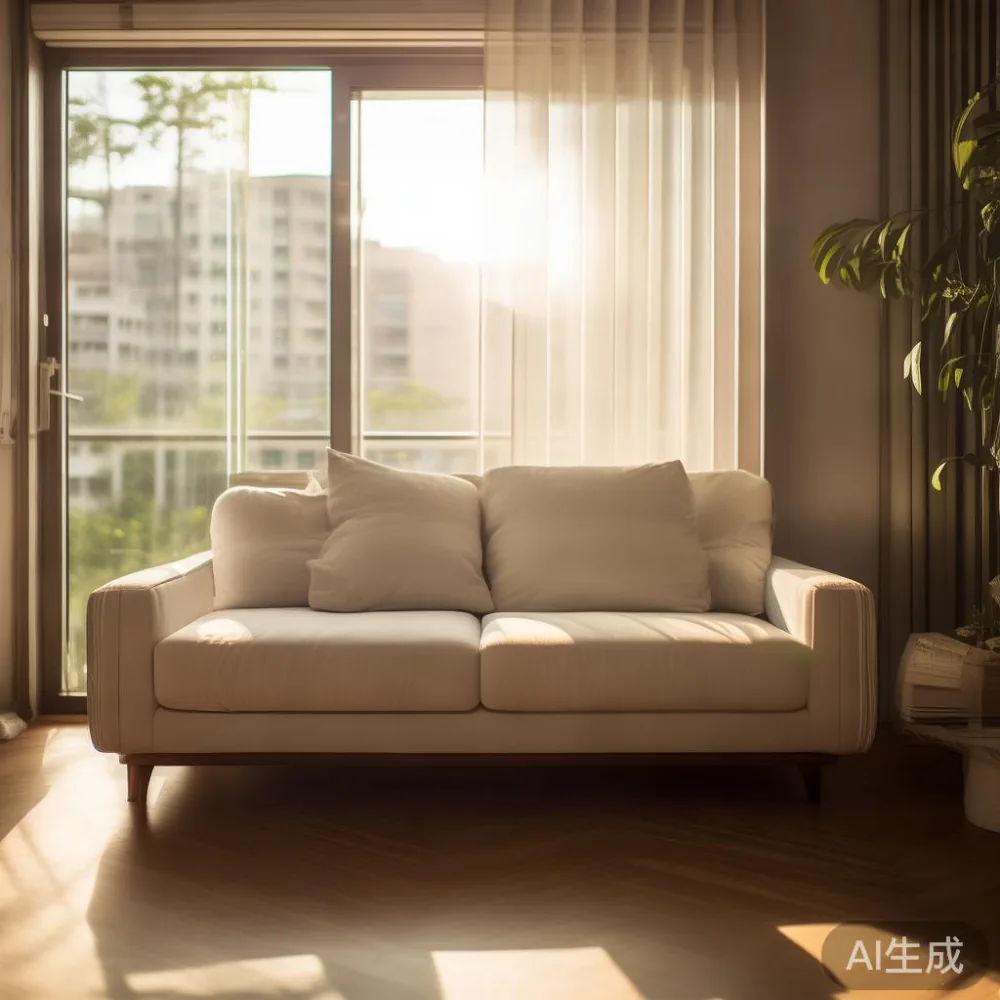
This matters for Singapore homes, where a sofa may need to pass through a lift, turn along a common corridor, and fit within a compact HDB living room. In Tampines, Bedok, and Punggol condos, buyers also compare landed prices including the 9% GST. Understanding each price driver helps separate useful construction choices from expensive decoration.
Is a solid wood loveseat expensive because of the timber?
<Yes, but not always in proportion to the timber name. Solid wood furniture can use hardwoods such as oak, ash, beech, rubberwood, walnut, or teak. Each species has a different market price, density, grain pattern, workability, and durability. A 140 cm wide solid wood sofa frame made from premium oak may cost more than a similar frame in rubberwood because oak boards can command a higher wholesale price.
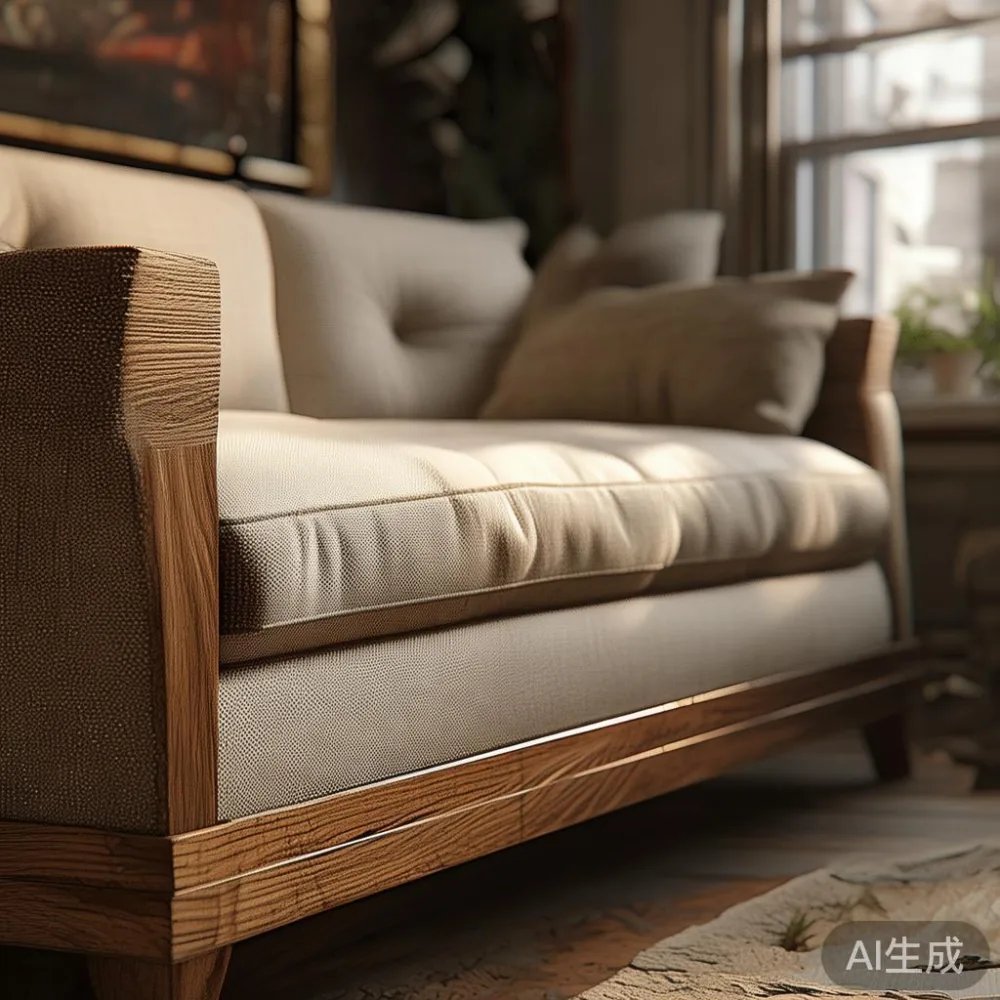
Density is only one part of the calculation. A heavier board is not automatically more suitable for every component. Large rails and table tops need stability, while smaller chair legs and cabinet details need machining consistency. Some suppliers use premium timber for visible surfaces and less costly wood for hidden rails. That mixed approach can be sensible if the load-bearing parts are correctly engineered, though the product should disclose the species used in each major area.
Thickness matters too. A 25 mm solid wood dining table top does not cost exactly twice as much as a 12.5 mm board. More material is involved, but cutting, drying, finishing, and handling also add cost. Teak’s resistance to moisture can justify a higher price for a bathroom vanity or outdoor dining table, while a painted solid wood bed frame may use a more affordable species without visible loss of character.

Buyers should ask for board thickness, wood species, moisture treatment, and whether back panels are solid, plywood, or another engineered product. Clear answers are more useful than a vague promise of “premium timber.”
How much should joinery and construction add to the price?
Construction often creates a larger gap between low-priced and well-made furniture than the timber itself. A solid wood sofa should use joints that resist separation under movement and load. Look for mortise-and-tenon or dowelled joints in the base, reinforced corners, properly secured back rails, and a seat platform designed not to twist. Screws, bolts, and metal brackets may all appear in quality furniture, but their number and placement should follow the structure rather than a blanket production shortcut.
The difference becomes obvious when a piece is moved repeatedly. A bed frame with a loose mortise may squeak or develop movement within 2 years. A dining table with an inadequately supported apron may rack under load. A wardrobe whose doors are fitted against warped panels may never align properly. Correct joinery takes more machining time, better jigs, tighter tolerances, and inspection.
Last month I visited a Singapore workshop where a craftsman compared two sofa bases. One had short corner blocks and a thin rear rail; the other had deeper joints and a cross-braced frame. He tapped and loaded both bases, and the weaker unit shifted by about 4 mm at the front rail. That practical test was more informative than the price tags, although craftsmanship still needs to be judged against the complete design.
Tenon, mortise, dovetail, and bridle joints are not automatically superior in every application. They are useful indicators when the maker can explain why a particular joint suits the part. A 180 cm wardrobe may need different bracing from a 60 cm nightstand. The question is whether the construction is appropriate, not whether it sounds traditional.
Why do finishes and coatings change solid wood prices?
Finishing protects wood and creates much of the visible character. Hand-applied stain, multiple sanding passes, lacquer, oil, wax, and matte coatings require different amounts of labour. A clear protective finish on a solid wood bed frame may cost around SGD 80–SGD 220 at factory level, while a heavily layered painted or distressed finish can add more because several coats must be sanded and repaired.
Water-based finishes tend to be common in Singapore because they generally have lower solvent odour and are easier to manage in an enclosed production area. They still need correct preparation, dust control, drying time, and curing. The label “water-based” does not mean the finish can be handled immediately. A coated dining table may need at least 24–72 hours before heavy use, depending on the product and room conditions.
Open-grain woods such as oak and ash can require extra preparation to reduce a rough feel. Walnut and other dark timbers may need careful colour matching between boards because natural variation is visible. On a 200 cm solid wood dining table, matching the grain across several panels takes longer than finishing separate parts. French light luxury often uses pale, restrained finishes; American light luxury may highlight broad wood grain and rounded profiles; post-modern light luxury can pair warm timber with cleaner lines and contrasting details.
Colour matching also affects the price of a wardrobe or French provincial dressing table. Wholesale French provincial furniture depends heavily on consistent finishes across batches. If every piece is individually distressed, matching a later nightstand to an existing dresser can become difficult.
How much do dimensions and practical delivery constraints matter?
Size influences material use, but a larger piece can sometimes cost less per centimetre because production is more efficient. A 120 cm solid wood sofa with 2 seats and a 160 cm version with 3 seats do not have a price difference based on seating capacity alone. The deeper factors include frame length, number of legs, cushion dimensions, timber yield, and packaging.
Singapore access needs exact measurements before purchase. A loveseat may need to fit through an HDB lift door of about 90 cm wide and 200 cm high, although individual buildings vary. Corridor turns and stairwell landings can be more restrictive than the front door. A sofa with a 208 cm length may travel vertically on its side if its packed depth is below the lift’s available diagonal clearance.
For a condo, buyers should measure the lift car, doorway, corridor width, and turning space rather than relying on the furniture’s stated width. The same 180 cm bed frame can fit into one bedroom through a broad doorway and fail to reach another. Sellers should offer a delivery plan that accounts for these constraints.
Delivery to a Singapore address may take 5–10 working days for stocked items, while a made-to-order solid wood sofa or wardrobe can require 6–10 weeks. Complex stair carries may add SGD 60–SGD 180 or more, subject to access and installer availability. A furniture company with local arrangements can make a 14-day return window more practical than a long international return route.
Does “is American sofa worth it” depend on frame or appearance?
That question is really about frame construction, comfort specifications, and dimensions—not nationality. An American-style sofa may use broader proportions, deeper seating, and decorative timber elements. If those features require more timber and labour, the price rises. If the style is reproduced with a lower-cost frame and thinner cushions, the label alone adds little value.
For a compact HDB flat, a 145–155 cm loveseat with a 85–95 cm depth may be more usable than a 200 cm sofa. Seat depth around 50–58 cm supports an upright posture, while a deeper 60–65 cm seat may feel relaxed but consume floor space. Upholstery should be specified by foam density and fibre content rather than by a vague “comfortable” claim. A useful family bench may use foam around 35–45 kg/m³, with firmer support beneath.
Design also affects labour. A French provincial solid wood sofa can require carved scrolls, shaped arms, and matched timber finishing. A post-modern loveseat with cleaner geometry may use less decorative work, although precision at corners can demand careful setup. The Post-modern for small living room approach often favours slim profiles, light colours, and visually reduced bulk, but the frame still needs adequate support.
How do hardware, mechanisms, and upholstery affect the price?
A solid wood wardrobe may look straightforward, yet its hardware can be a major cost. European hinges, soft-close runners, drawer slides, locks, and hanging rails can add hundreds of dollars compared with basic fittings. Soft-close mechanisms require better alignment and machining around the carcass. A 6-door wardrobe may contain 12 hinges and numerous internal fittings; premium components can therefore have a multiplied effect.
A bed frame with a lift-up storage box needs gas struts, bracing, and a carefully fitted platform. A marble table introduces another layer: stone slabs vary in thickness, veining, weight, and fabrication needs. A 120 cm marble top may weigh roughly 45–90 kg depending on the material and build-up, requiring secure handling and precise support. Stone is not solid wood, but the comparison is useful because shoppers should examine total material cost rather than assume every natural product has similar pricing.
Upholstery is similarly priced by specification. Fabric yardage rises with the sofa’s surface area, while leather uses hide area and grade. A 2-seat loveseat in durable woven fabric may cost materially less than the same frame covered in full-grain leather. Removable covers, stitched panels, piping, and custom cushion shapes add labour. Dense foam and a suspended seat structure can improve comfort, but they do not guarantee good support if the timber frame underneath is weak.
What do warranty, refinishing, and factory service really add?
After-sales support has real operating cost. A 10-year structural warranty suggests the manufacturer expects its joinery and frame to remain serviceable over a decade. Lifetime refinishing can be valuable, but buyers should ask what is covered: scratches, water marks, structural repairs, or full refinishing of every surface. A small dining table and a large bed frame require different amounts of labour to restore, so “lifetime” may involve conditions and service charges.
MIDHILL, established in 2008 and exporting to more than 15 countries, can price service into its products because it operates as a manufacturer rather than only a reseller. MIDHILL also offers free shipping above US$350 and a 14-day return policy, although Singapore orders would naturally be quoted in SGD, and local GST must still be shown clearly where applicable.
A structured warranty does not remove the need for care. Solid wood responds to humidity, sunlight, spills, and heat. Singapore’s year-round humidity may cause expansion and contraction, so a dining table should not be placed directly against an air-conditioning vent. Wipe surfaces promptly, use coasters and felt pads, and rotate objects that may cause uneven fading. A wood bed frame should be checked every 6–12 months for looseness, while a wardrobe’s doors may need minor alignment after several years of seasonal movement.
What should a Singapore buyer compare before paying?
Compare the specification, not just the product category. For a solid wood loveseat, record the dimensions, seat height, frame timber, joinery, cushion density, finish type, and warranty. For a bed frame, check the clear internal size before adding a mattress: a nominal “queen” frame may offer only 152 cm of usable width, so a 150 cm mattress may leave little clearance. For a dining table, compare top thickness, extension method, base construction, and whether chairs can slide underneath.
For a Mid-century modern dining table, the balance between shape and usability matters. A 180 cm round table may seat 4–6 people and improve circulation in a compact dining zone, while a 200 cm rectangular table may seat 6–8 but narrow a passage. A French provincial dressing table can work in a bedroom if its depth is around 40–50 cm; a deeper version may block a walkway. Ask whether the is Japanese wardrobe worth it question refers to dimensions, sliding versus hinged doors, interior fittings, or the timber itself. Each concern leads to a different specification.
Finally, request the full delivered price. Confirm the 9% GST, delivery timing, access charges, assembly, and return terms. Singapore shoppers should know that a quoted product price may exclude lift booking, carrying, and installation, and those services can add around SGD 40–SGD 150 for standard delivery in a straightforward HDB block.
The price of solid wood furniture is not controlled by one material choice. It is the combined result of timber, board yield, joinery, surface preparation, finishing, hardware, upholstery, scale, quality control, and service. Once those elements are listed and compared, a more expensive piece can be judged on substance rather than appearance—and a less expensive piece can still represent sensible construction for a compact Singapore home.