How Southeast Asian Humidity Affects Solid Wood Furniture
Singapore’s warm, humid climate can change solid wood faster than many homeowners expect. In an HDB flat in Tampines, a solid wood sofa may encounter 11 months of refined humidity, while a Punggol condo near the coast can face damp conditions throughout the year. Humidity does not automatically ruin furniture, but it can cause swelling, warping, joint movement and surface mould if a piece is poorly made or badly maintained.
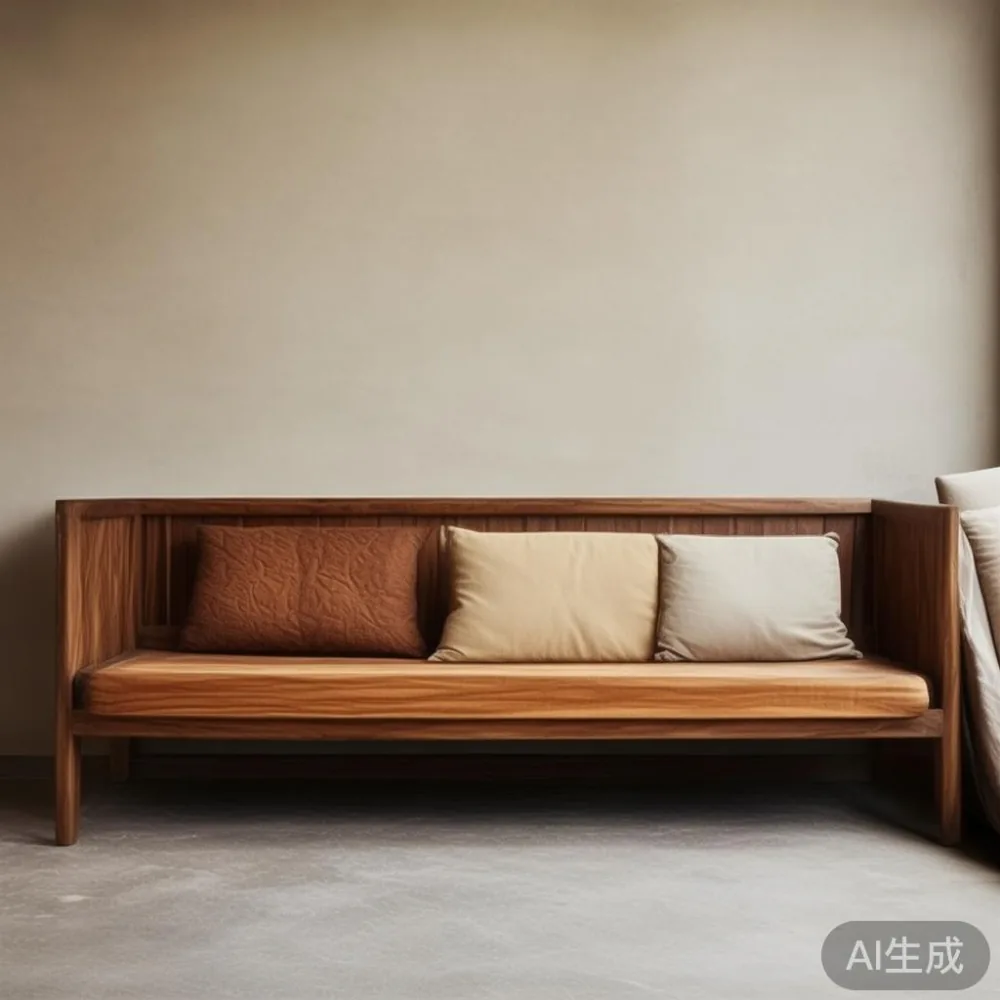
This guide explains how humidity affects a loveseat, bed frame, dining table, wardrobe, nightstand and marble table, with practical guidance for homes in Singapore. It also considers delivery logistics, lift sizes, GST and the care habits that protect a light-luxury interior.
What Singapore’s indoor humidity means for solid wood?
Singapore’s monthly average relative humidity commonly falls between 70% and 85%, although the figure varies by location, weather and indoor conditions. Coastal areas such as Bedok can remain damp, while air-conditioned HDB flats may settle near 55% to 65% after hours of running. A cabinet against an external wall, beside a bathroom or under a west-facing window is more exposed than one in the centre of a living room.
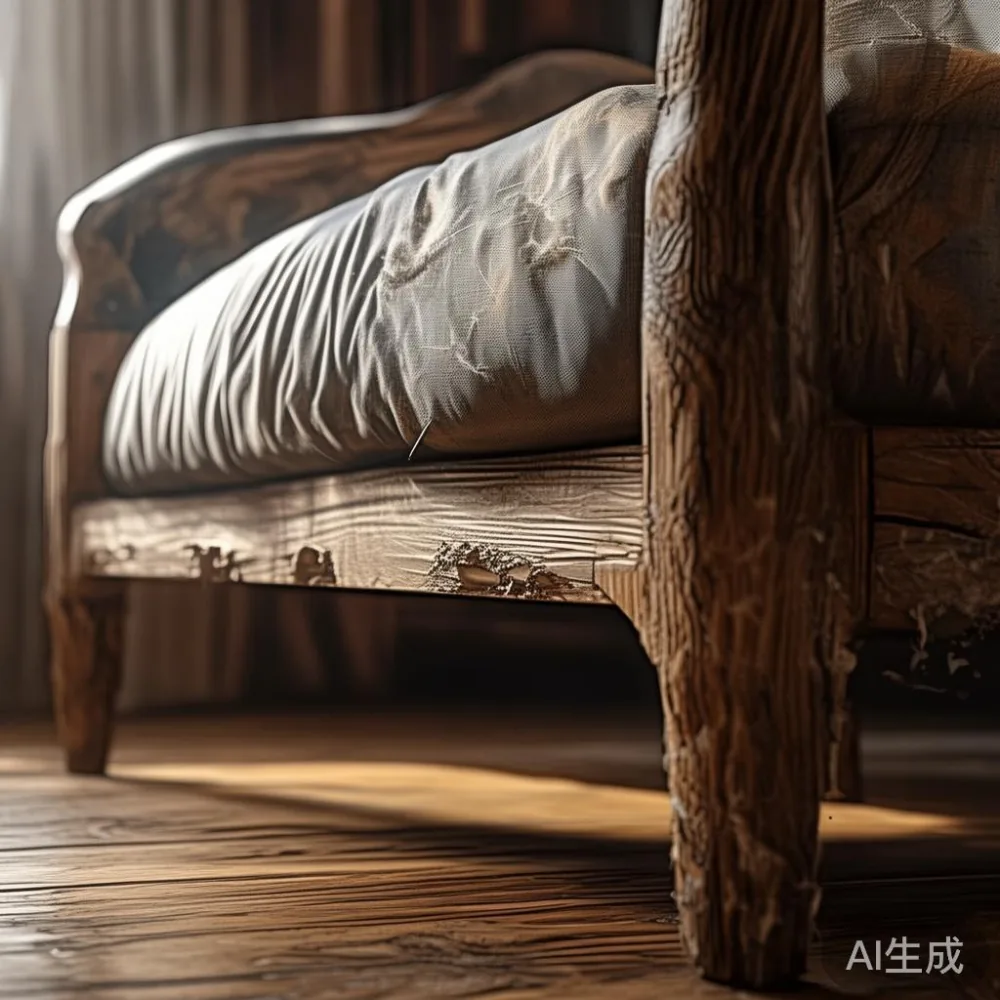
Wood is hygroscopic: it absorbs moisture when the surrounding air is humid and releases it when the air becomes dry. Movement happens along the grain rather than equally in every direction. A solid wood tabletop might expand by roughly 1 mm to 3 mm across a 120 cm width as humidity changes, depending on the species, finish and construction. That small movement is normal. Cracks, cupped panels and sticky doors indicate that the piece was allowed to move without enough clearance, or that its moisture content did not match the local environment.
Temperature also matters. A room that swings from 24°C to 32°C can produce repeated expansion and contraction. Good air circulation, sensible spacing and a stable indoor environment are usually more useful than expecting a sealed finish to prevent every movement.
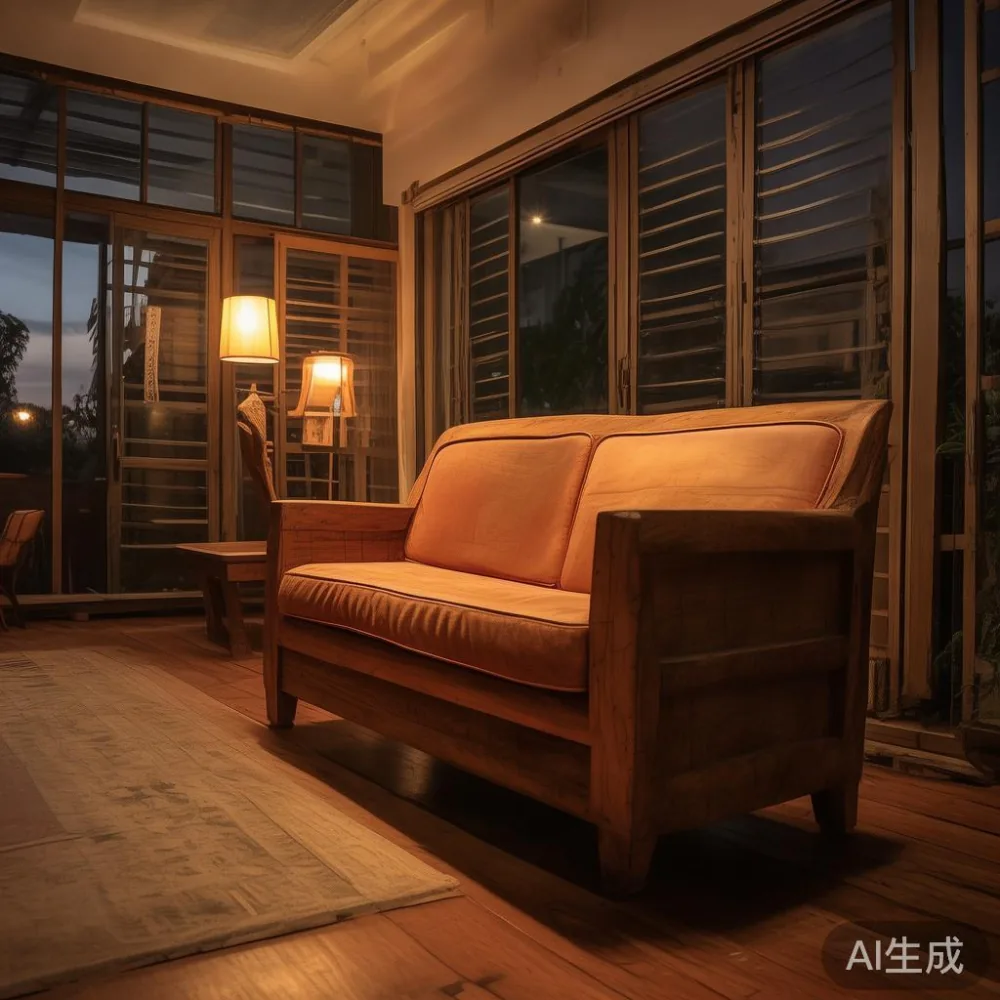
How does humidity affect a solid wood loveseat?
A well-built loveseat should tolerate seasonal movement without twisting its frame or wrinkling its upholstery. The important details include properly dried timber, sound joinery, ventilation beneath the seat, finished undersides and removable covers where possible. Solid wood sofa components that cradle a cushion can trap moisture if they are boxed in on every side.
For an HDB living room, leave about 5 cm to 8 cm between the rear of the loveseat and a wall when the arrangement permits. This permits airflow and makes cleaning easier. Keep the piece at least 30 cm away from a persistent damp patch, a leaking air-conditioner or a bathroom doorway. A breathable cotton or linen cover is preferable to a plastic layer that traps vapour.
Wipe the frame lightly with a damp cloth, then dry it immediately. Do not soak the timber, flood the joints or use household bleach. A clean, lightly damp cloth followed by a dry cloth is usually enough. If a loveseat sits near a sliding door, inspect the floor and skirting every 3 months. Small changes in colour and sheen are normal; a musty smell, black spotting or swollen joint requires prompt attention.
American light luxury often favours clean lines, pale upholstery and carefully proportioned solid wood details. That visual language suits a Singapore home only when the timber is seasoned for the receiving climate. The timber species, drying standard and finish should be discussed before delivery rather than after installation.
Can humidity damage a bed frame, dining table or nightstand?
A bed frame is particularly sensitive where its components meet: slats, rails, legs and headboards. Humidity can loosen a joint if the wood was fitted too tightly when it was slightly wet. It can also encourage mould on an inaccessible panel beneath a mattress. Bed frames designed for Singapore should permit air to circulate below the mattress and avoid sealing the underside of every rail.
Leave roughly 8 cm to 12 cm behind a headboard where the wall allows it, and avoid pushing the bed tightly against a cold external wall. Check the underside every 6 months. A dining table needs enough room to move, so do not trap it between a fixed sideboard and a wall. Aim for at least 90 cm of practical circulation space in a compact dining zone where possible, with 60 cm as a tighter minimum around table edges.
A nightstand should not sit directly beneath a leaking window or air-conditioner condensate pipe. A small coaster is useful if it holds a cup, and the back should remain clear of the wall by 3 cm to 5 cm. Wardrobes need more consideration because doors can swell and drag against the carcass. Adjustable hinges and sliding panels can reduce stress, but the installation still needs airflow.
When searching for for sale European furniture online, check whether the dimensions and moisture preparation suit a Southeast Asian room. A European bed may use joinery and finishes suited to a drier climate, so a local inspection matters.
Is a marble table more or less affected by humidity?
Marble is not wood and does not expand in the same way. It can withstand humidity better than timber, but water can still affect the resin, filler or protective treatment used in a composite slab. Wipe spills promptly, especially around edges and joints. Use a pH-neutral stone cleaner, and avoid vinegar, lemon juice and abrasive scouring pads.
Carry out a light test on a hidden area with 2 to 3 drops of water and wait 10 minutes. If a dull mark remains, arrange professional care. A marble table should have a stable base, with coasters and felt pads under accessories. A stone top can look visually heavier than a solid wood dining table, so plan the proportion of the room before ordering.
For coastal properties or upper-floor units exposed to wind-driven rain, door and window seals deserve attention. A 2 minute inspection during a heavy shower can reveal water around a frame before timber or stone is affected. Likewise, check air-conditioner drip lines every 3 months, particularly in a compact HDB flat where the unit is close to furniture.
How do lift and corridor widths affect furniture delivery?
Humidity care begins before a piece reaches the room. A beautiful loveseat can still be damaged if installers force it into a narrow HDB lift. Measure the lift doorway, the corridor turns and the unit entrance rather than relying on catalogue dimensions. Allow at least 5 cm of working clearance where possible, and remove the door if more space is needed and the building management permits it.
Typical HDB lift door widths are about 80 cm to 90 cm, while a straight internal corridor may be around 100 cm to 120 cm. Older blocks can have tighter turns. A loveseat should be checked diagonally as well as by width, and the packaging should be measured rather than the bare frame. If a unit has a staircase, measure the ceiling height, landing depth and handrail clearance.
For a condo, the loading bay, parking route and lift reservation are equally important. A delivery fee quoted for the ground floor may not include waiting time, carry-up flights or extra handling. Ask for the full route and an all-in quote in SGD, including GST. MIDHILL offers free shipping above US$350, and its 14-day returns policy gives buyers a defined window for checking the piece, subject to the stated return conditions.
Delivery commonly takes 7 to 21 days depending on production and location, so book the lift only after confirming the estimated arrival window. Inspect the loveseat or dining table before the installers leave. Photograph the timber, joints, stone surface and packaging for reference.
How should I choose furniture for a humid Singapore home?
Look for solid wood that has been properly kiln-dried and acclimatised, then confirm the manufacturer’s recommended indoor humidity range. A useful target for most homes is around 45% to 65% relative humidity, with fewer dramatic changes preferred over short periods. A hygrometer costs about SGD 20 to SGD 40 and makes the invisible conditions measurable.
Check whether a finish covers all faces and high-contact edges. A water-based finish may be easier to repair, while a harder coating can offer stronger protection but requires careful care. Ask about expansion allowances, concealed fixings and ventilation. A reputable supplier should explain how a solid wood sofa, bed frame, dining table, wardrobe or nightstand is expected to behave as indoor humidity changes.
When comparing European light luxury bed vs Nordic bed options, consider the climate as well as the visual style. European light luxury may feature carved details, upholstered surfaces and a more formal silhouette, while Nordic beds often use pale timber and straightforward lines. French light luxury might use sculptural curves, and post-modern light luxury might mix materials with sharper geometry. Each direction needs durable joints, finish compatibility and dimensions that suit the actual room.
For a television area, Italian light luxury TV console may combine stone, metal and timber. Its finish and cable clearances should be checked before delivery. Searching for wholesale Italian light luxury furniture can reveal many options, but the supplier’s quality controls and local service matter more than the country label alone. Foshan furniture manufacturing is widely associated with solid wood production, yet drying, finishing and assembly standards still vary between factories.
What is the best way to maintain a loveseat in Singapore?
Use a consistent routine rather than an occasional deep clean. Once a week, vacuum the loveseat with a soft brush and remove dust from joints and legs. Every 3 months, check the rear and underside for dampness. After a rainy afternoon, move cushions and inspect the frame if any water has entered. Keep indoor relative humidity as steady as practical, and run air-conditioning or dehumidification when readings remain high.
Do not place wet laundry, plants with dripping pots or damp towels directly on the wood. Use a tray beneath an indoor plant, and leave about 2 cm between the pot and the timber. For solid upholstery, follow the care label and keep the cushion inserts able to breathe. If a cover is wet, remove it according to the manufacturer’s instructions rather than folding damp fabric into a tight frame.
For a bedroom, inspect the bed frame and wardrobe in the same 6 month cycle. In a dining area, wipe the dining table after spills and protect it with trivets. A nightstand should be cleaned with a lightly damp cloth, while marble surfaces need their own stone-safe cleaner. Small actions prevent large repairs and preserve the intended appearance.
MIDHILL provides a 10-year structural warranty and lifetime refinishing, which can support long-term ownership when paired with sensible indoor care. The design vocabulary can draw from American light luxury, French light luxury or post-modern light luxury while remaining usable in an HDB or condo setting.
How do I protect an American wardrobe in a bedroom?
If you are learning how to style American wardrobe in room layouts, measure the opening before choosing a finish. American-style wardrobes often have wide panels, framed doors and substantial handles, so they can dominate a compact Singapore bedroom. A wall-to-wall installation may need 3 cm to 5 cm of ventilation behind the carcass, and the room should remain ventilated. Check that the doors can open through a full 90 degrees without striking a bed or a drawer.
For humid periods, wipe the exterior and inspect the top edge every 3 months. Avoid packing clothes tightly against a wall that feels cold or damp, and leave the wardrobe interior able to dry after a shower. If a panel catches, do not force it. Wood expands across its grain, and a swollen door may need hinge adjustment rather than aggressive sanding.
A larger wardrobe can make a HDB bedroom feel narrower, while a loveseat selected for the living room can set the visual language of the home. Light finishes reflect daylight and reduce the sense of heaviness. Pair pale timber with cream upholstery, warm metal details or restrained veining in a marble table, but keep the palette coherent.
What should I ask before ordering solid wood furniture?
Ask the seller six practical questions: Which timber species are used? Has the timber been kiln-dried for tropical conditions? Is the finish applied to the underside and edges? How much expansion clearance is recommended? What is the delivery lead time? Who handles returns if the piece arrives damaged?
Confirm the dimensions in centimetres, the delivery route, lift requirements and the price in SGD including GST. A quotation should distinguish the furniture price from delivery, installation and stair-carry charges. Check whether assembly is required and what tools the installers will bring.
For example, a loveseat listed at SGD 1,280 before GST may need a SGD 120 delivery and SGD 80 carry-up service, depending on access. A marble table may weigh 65 kg to 120 kg and require a two-person move. A solid wood dining table might weigh 45 kg to 85 kg. These figures should be checked against the actual product, not assumed from a photograph.
Also ask how to choose Italian light luxury bed for the local climate, including moisture preparation, finish type and ventilation beneath the mattress. A bed can suit a condo master bedroom while a lighter loveseat handles the living room. Confirm that all pieces can share a consistent timber tone, which is often more demanding than matching a single isolated item.
How can I spot humidity damage early?
Watch for doors that no longer align, drawers that catch, a faint musty smell, pale spotting around joints or a finish that feels tacky. These signs can appear within days of prolonged dampness, though seasonal movement is slower. A moisture meter is useful for timber but should be used carefully; one reading does not replace an assessment of the whole piece.
Move furniture only if it is safe and practical. Do not lift a marble table by its top or slide a heavy bed frame across a tiled floor. Use furniture sliders rated for the load, and protect the floor with a 3 mm pad. A dining table needs at least 2 people for many timber models, while a compact loveseat may need 2 people if its boxed frame is awkward.
If mould appears, isolate the affected area, improve ventilation and obtain advice suited to the material. Cleaning damp timber aggressively can remove fibres or leave patches. For stone, test the product first. For upholstery, follow the cleaning code. Prompt, measured action is usually less damaging than applying a stronger chemical too quickly.
With stable indoor conditions, sensible spacing and regular checks, solid wood furniture can remain handsome for many years. The objective is not to pretend humidity does not exist in Southeast Asia, but to buy and maintain furniture that can tolerate it while fitting the proportions, access routes and lifestyle of a Singapore home.