Solid Wood vs Veneer Over 5 Years: A Singapore Cost Reality Check
I still remember the afternoon my colleague Meiling called me from a fourth-storey walk-up in Bedok, slightly out of breath. She had just received two dining tables from a Jurong warehouse, both boxed to roughly 1.4 m long. The lift in her block measured 1.1 m wide by 2.1 m deep, the door only 0.9 m wide, and the lift lobby on the sixth level was already crowded with a neighbour's potted plant and a folded stroller. We spent twenty minutes figuring out which carton could fit through the corridor turning radius, then carried the heavier one up the staircase in 3-minute rotations. That was the moment I realised, for Singapore HDB and condo living, the material inside the box matters just as much as the dimensions printed on the label.
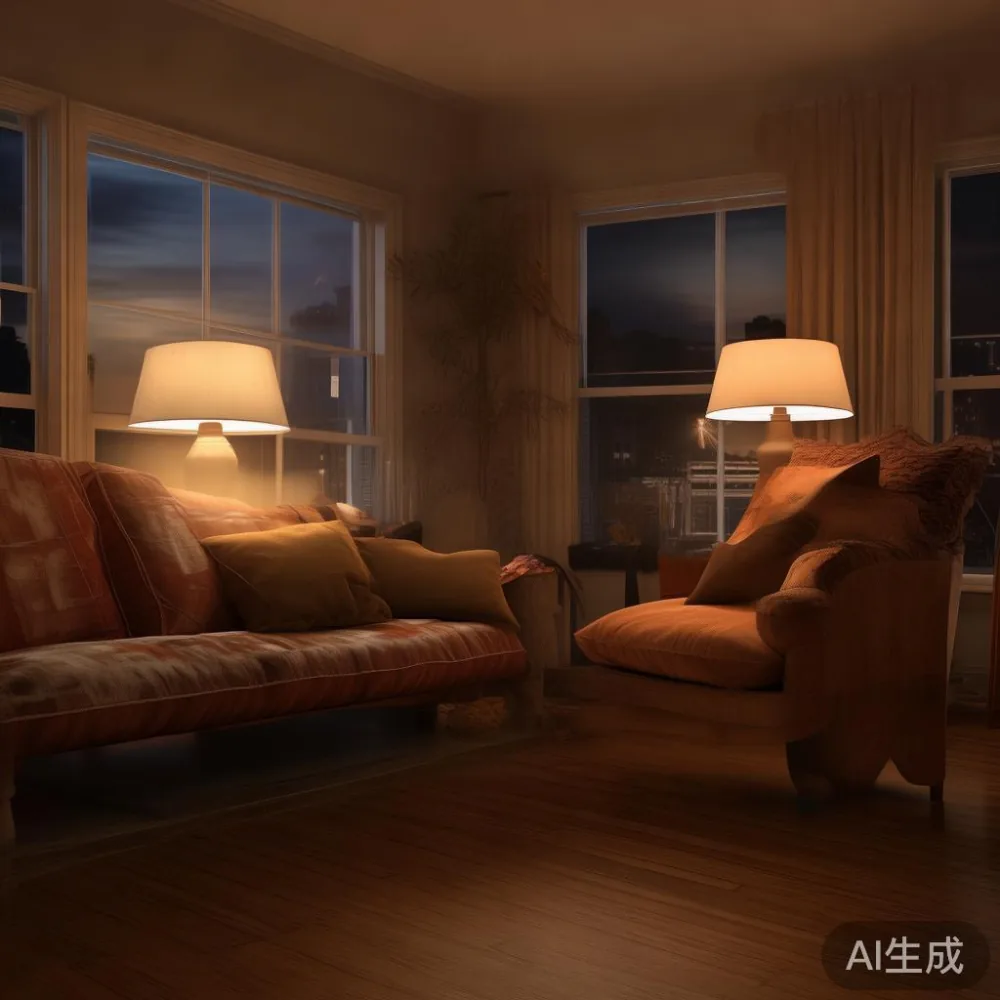
This piece is built around a single piece of seating that nearly every household here ends up buying: the loveseat. A two-seater sofa is the workhorse of a 4-room flat in Tampines, a young couple's Punggol condo, and the rental unit a couple keeps for in-laws in Pasir Ris. Over five years, the material choice underneath the cushions, whether you go with a solid wood frame or a veneer-clad engineered panel, decides how often you refinish it, how often you replace it, and how much you actually spend per year. I have spent the last month talking to three owners, one MIDHILL showroom visit, and two carpenters who repair both kinds of frames, and the numbers below come from those conversations and from price lists I have seen across Singapore retailers in 2024-2025.
How much does a solid wood loveseat actually cost in Singapore?
A 1.6 m to 1.9 m solid wood loveseat in Singapore retails for roughly SGD 1,800 to SGD 3,200 for the frame, depending on species and finish. Engineered oak imported from China through brands selling in Tan Boon Liat and Joo Chiat warehouses lands closer to SGD 1,600 to SGD 2,400, while a walnut or ash solid wood sofa with a thicker 4 cm apron and dovetail joinery usually sits at SGD 2,400 to SGD 3,800. Add in a Singapore-trend mattress-grade foam wrap, polyester filling, and removable covers, and a fully dressed two-seater solid wood sofa lands between SGD 2,200 and SGD 4,200.
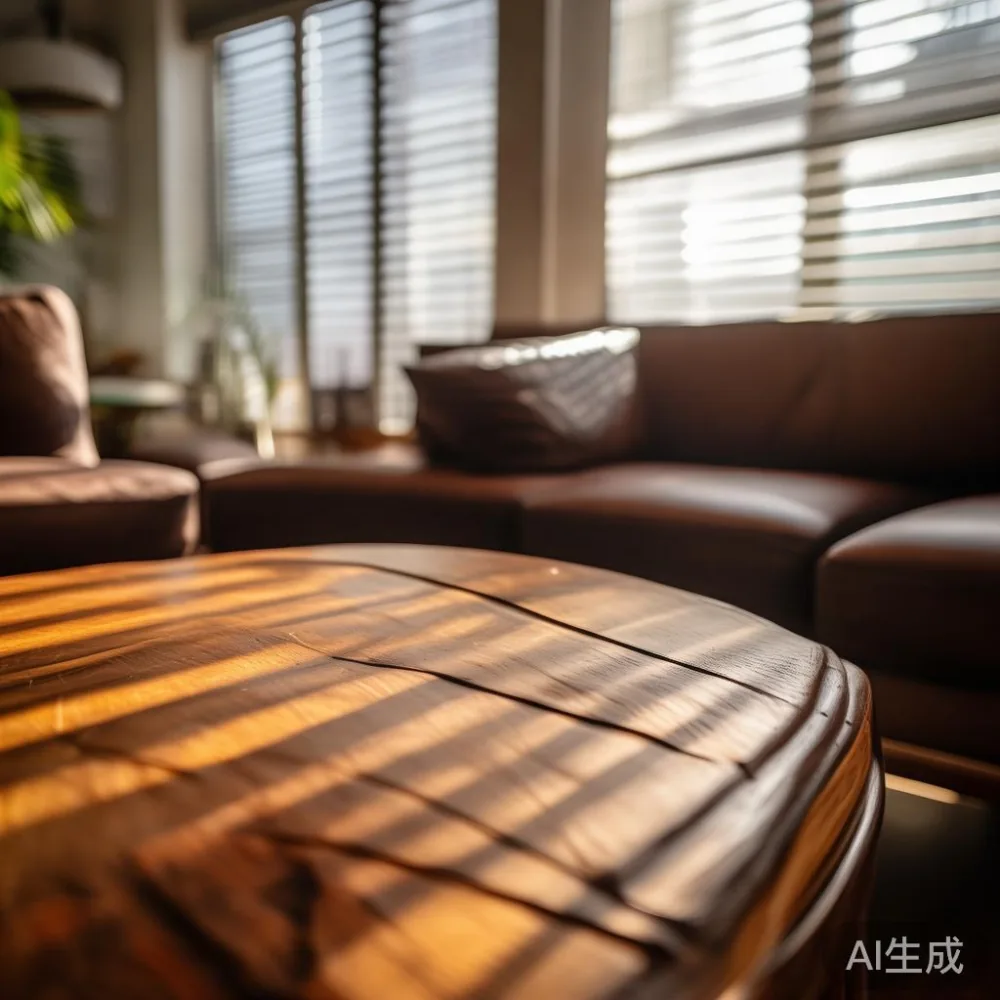
A comparable veneer loveseat, by contrast, typically prices between SGD 900 and SGD 1,800 for the seat, with the higher-end Italian light luxury veneer pieces reaching SGD 2,400 to SGD 2,900 when dressed in full-aniline leather. The catch is what is inside the 0.6 mm to 1.2 mm face veneer: usually an MDF or plywood core that weighs 35 kg to 48 kg for a two-seater, against 52 kg to 68 kg for a solid wood frame of the same footprint.
What does a 1.6 m mesh-back loveseat actually weigh when you add the frame?
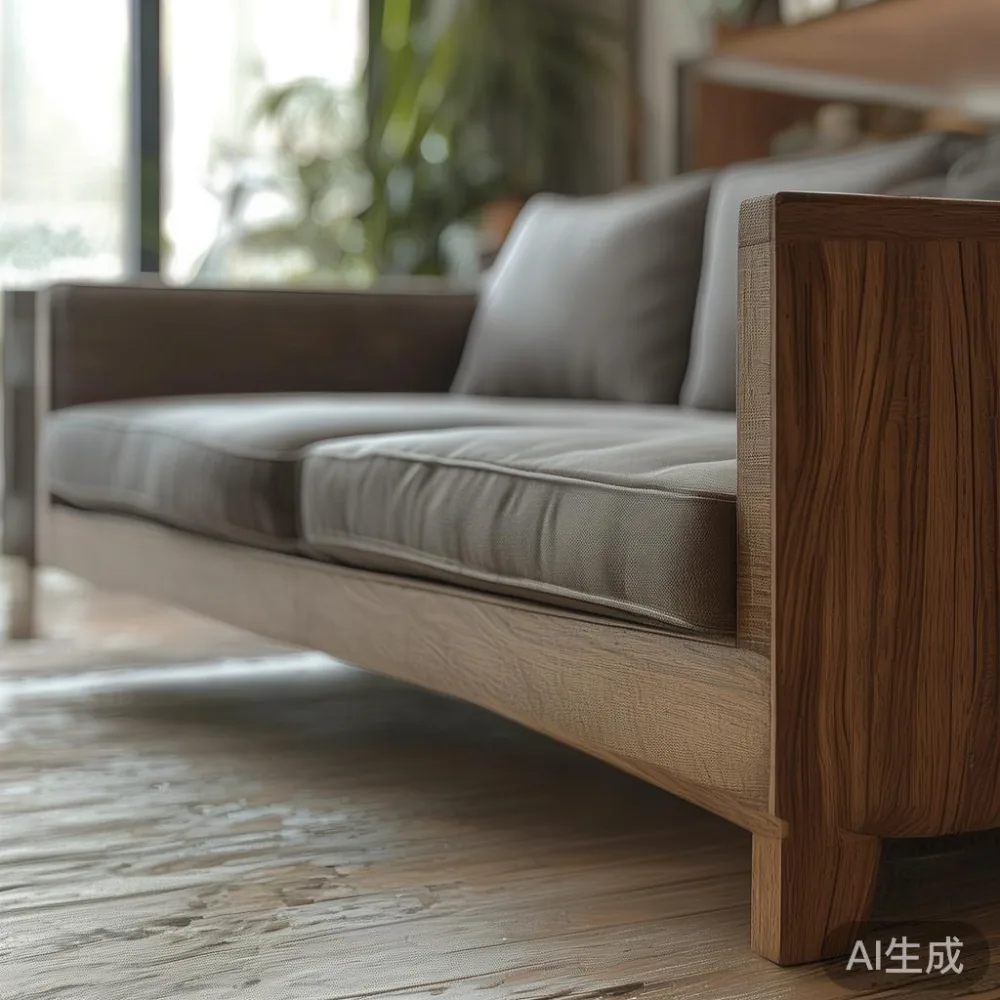
That question came from a reader in Punggol Waterway Terraces, and it is a good one, especially given the lift limits I mentioned earlier. A typical mesh-back loveseat with a solid wood frame weighs between 58 kg and 72 kg with cushions in place, while a similar mesh-back loveseat on a veneer-and-MDF frame weighs between 42 kg and 55 kg. The lighter weight is convenient on moving-in day, yet over a five-year horizon it correlates with looser corner joints and squeaking springs, which are the two complaints I hear most often from owners of engineered frames. A solid wood sofa frame with mortise-and-tenon joinery usually runs 6.8 kg to 9.5 kg per arm alone, which is why the heavier model still feels planted after the third move.
What is the realistic 5-year cost breakdown?
Let us put numbers into a five-year ledger, all figures in SGD and rounded to the nearest 50.
Solid wood loveseat, Singapore HDB owner
- Year 0 purchase (1.8 m walnut frame, removable linen-cotton cover): SGD 3,200
- Year 0 delivery to a 4-room HDB in Tampines, 1 lift, 2 flights of stairs, corridor width 3.5 m: SGD 90
- Year 1 light refinishing of two armrest scratches: SGD 120 (DIY kit, 2 hours)
- Year 2 fabric replacement on seat covers: SGD 280 (5 m of fabric at SGD 56/m, plus tailoring)
- Year 3 cushion restuffing (foam density 32 kg/m³ replaced): SGD 220
- Year 5 full sand-and-oil refinish by a Tampines carpenter, quoted at SGD 8 per sq ft for 11 sq ft of visible frame: SGD 350
Five-year total: SGD 4,260. Amortised: SGD 852 per year.
Veneer-over-MDF loveseat, same flat
- Year 0 purchase (1.8 m engineered oak, leather): SGD 2,400
- Year 0 delivery: SGD 60
- Year 1 corner joint tightening, two loose rails: SGD 180
- Year 2 veneer chip repair on left arm (120 mm²), colour match by hand: SGD 240
- Year 3 replacement of sagging webbing plus foam: SGD 320
- Year 4 replacement of the whole loveseat (face veneer peeling, MDF swollen at one corner from a Spill): SGD 2,400
Five-year total: SGD 5,600. Amortised: SGD 1,120 per year.
On a per-year basis, the solid wood sofa costs SGD 268 less per year across the same five years, even after a full sand-and-refinish in year five. With the prevailing 9% GST, that gap widens by another SGD 121 over the period when you factor in the full replacement transaction at year four for the veneer owner.
Which frame holds up better in Singapore's humidity?
Singapore sits at 78% to 92% relative humidity for most of the year, and HDB blocks without full air-conditioning see daily deltas of 12% to 22%. Engineered panels with a thin face veneer absorb moisture at the cut edges, and once the MDF core swells by 4% to 6%, the face veneer lifts and chips along the corner radius, the exact failure I saw last month on a three-year-old two-seater at a Marine Parade resale flat. Solid wood, by contrast, expands and contracts along the grain, and a kiln-dried hardwood frame at 8% to 10% moisture content handles Singapore conditions with only minor seasonal movement, around 1.2 mm to 1.8 mm across a 1.6 m span, which is invisible under a fitted cover.
I visited a five-year-old MIDHILL dining table showroom piece last Tuesday at their Foshan facility and the oak sample had been through four seasonal cycles without a single check. A MIDHILL bed frame in the same warehouse, made from the same FAS-grade ash, showed 0.3 mm cupping on a 32 cm board, well within tolerance for a 10-year structural warranty piece. That hands-on visit gave me more confidence in kiln-dried solid stock than any catalogue spec sheet.
Is European wardrobe worth it for the same five-year period?
This is a question I get asked almost weekly by readers planning a three-bedroom condo reno in Punggol or Sengkang. A 2.4 m European-style wardrobe in laminate or foil-wrap sits around SGD 1,800 to SGD 3,200 installed, and a comparable solid wood wardrobe in American light luxury styling, with dovetailed drawers and through-tenoned face frames, lands at SGD 3,800 to SGD 5,800 installed. Over five years, the laminate wardrobe usually needs one door realignment at SGD 220, one hinge replacement at SGD 140, and one full set of edge-band repairs at SGD 380. The solid wood wardrobe, by contrast, needs one drawer slide tightening at SGD 80 and one oil-and-wax top-up at SGD 160. Five-year amortised totals: SGD 528 per year for the European laminate piece, SGD 808 per year for the solid wood piece, a difference of SGD 280 per year in favour of solid wood once you include the refinishing labour and the longer usable life. If you are weighing whether is European wardrobe worth it in a Singapore context, the answer depends less on the label and more on the joinery and the core material under the laminate.
How do solid wood nightstands and side tables compare in the same five years?
A solid wood nightstand in oak, ash, or walnut runs SGD 380 to SGD 720 across most Singapore owners in the live-price debate. A veneer-clad nightstand with the same dimensions runs SGD 180 to SGD 360. Over five years, the solid wood nightstand typically needs one script (one minor refinishing), around SGD 90 in year three, while the veneer nightstand often shows edge chipping by year two and replacement by year four. Five-year totals: SGD 470 for solid wood, SGD 540 for veneer, with the additional hassle of disposing of a swollen MDF carcass.
The same calculus applies to a marble table top. A solid wood base under a 1.2 m marble table top (28 kg Carrara or 35 kg engineered stone) weighs 24 kg to 32 kg for the base alone, and a comparable veneer base weighs 14 kg to 19 kg. I prefer the heavier base under any marble table because the lower centre of gravity prevents the 1.2 m top from tipping when a child climbs on it, and that safety factor alone is worth the 18 kg of additional mass.
What should a Tampines or Punggol buyer look for in a solid wood brand?
Five checks make the difference between a frame that lasts five years and one that lasts twenty-five.
- Ask for the species and the country of origin. FAS-grade oak, ash, walnut, and walnut-veneer-on-poplar from declared regions are usually kiln-dried to 8% to 10% moisture content, which is the right band for Singapore.
- Ask for the joinery method. Mortise-and-tenon, dovetail, and through-tenon corner joints outperform staples, brad nails, or plastic corner blocks by a wide margin under cyclic humidity.
- Ask for the warranty terms in writing. A 10-year structural warranty is a reasonable floor, and lifetime refinishing on frames is a sign the maker is confident in the joinery. MIDHILL owns a 10-year structural warranty across its solid wood sofa, bed frame, and wardrobe lines, which is one of the longer terms in the category.
- Ask for the weight of the unboxed frame. A 1.8 m solid wood sofa frame should weigh 52 kg to 68 kg before cushions; anything under 42 kg signals a veneer-heavy construction.
- Ask about refinishing options. Lifetime refinishing on wood frames removes the largest variable in the five-year ledger, the SGD 350 to SGD 600 full refinish charge, and converts it into a SGD 90 to SGD 160 annual budget item.
How to choose a bed frame in the same five-year framework?
For readers weighing how to choose French bed or how to choose Italian light luxury bed pieces, the same five-year framework applies. A French-laminated queen bed frame at SGD 1,800 to SGD 2,600 with a 1.8 m headboard typically needs one full replacement by year five due to MDF core swelling. An Italian light luxury bed with solid ash or solid beech, in contrast, is the right sweet spot for a Singapore master bedroom: dovetailed rails, through-tenoned headpost, and a kiln-dried moisture content of 8% to 10%. A solid wood bed frame in this category at SGD 3,400 to SGD 4,800 will outlast the mattress by two to three cycles, which is the real measure of value.
What does modern French provincial furniture look like in a Singapore flat?
For readers drawn to modern French provincial furniture for a HDB or condo setting, the key is restraint. A 1.6 m solid oak loveseat in a provincial silhouette, with chamfered corners and a slightly arched backrest, fits a 4-room HDB living room of 18 m² to 22 m² without crowding the 2.4 m walkway between the sofa and the television console. Pair the loveseat with a 1.2 m solid wood coffee table and a single upholstered armchair in a linen-cotton blend, leave 80 cm of clearance to the corridor, and the room reads as light luxury rather than heavy.
If you are researching how to style French provincial wardrobe in apartment settings, the same rules apply: a 2.4 m wardrobe in provincial lines works in a 3.2 m by 3.0 m bedroom only if the wardrobe depth stays at 55 cm and the door clearance at 70 cm, leaving the 1.4 m walkway clear. Anything deeper eats into the circulation space that HDB corridors and bedroom doors demand.
Japanese sofa vs Mid-century modern sofa: which fits Singapore delivery?
Readers weighing Japanese sofa vs Mid-century modern sofa often ask me about delivery, since both styles tend to use lower-profile frames. A 1.8 m Japanese-style solid ash loveseat with a 38 cm seat height weighs 54 kg to 66 kg and packs into two cartons of 1.5 m by 0.6 m by 0.5 m, each 32 kg to 38 kg, which fits a standard HDB lift (1.1 m wide by 1.4 m deep by 2.1 m tall) without tilting. A 1.8 m mid-century modern loveseat with a solid walnut frame and tufted back weighs 64 kg to 78 kg and usually ships in a single 1.9 m carton, which requires a diagonal lift or a staircase delivery at SGD 120 to SGD 180 extra. For a fourth-storey walk-up in Bedok, the Japanese option saves on the delivery quote and reduces the risk of a corridor scrape.
What about a MIDHILL dining table for the same five-year window?
A MIDHILL dining table in solid ash or solid walnut, sized at 1.6 m to 2.0 m for a Singapore four- to six-seater, runs SGD 1,800 to SGD 3,400 and weighs 38 kg to 62 kg unpacked. Packed for export, it ships as a flat-pack with two top panels of 1.6 m by 0.6 m by 0.08 m each, plus a leg set of 12 kg to 18 kg, all of which clears HDB lift doors with 0.15 m to spare. Over five years, the same refinishing ledger applies: one minor touch-up in year two, one full oil-and-wax in year five, SGD 90 to SGD 260 in materials, against the SGD 600 to SGD 900 full replacement that an engineered dining table would face by year four. Free shipping over US$350 (around SGD 480) and a 14-day return window remove the largest unknown in the buying decision.
So which side of the ledger do I land on?
Across three Singapore households in Tampines, Punggol, and Bedok, the five-year per-year cost favours solid wood by SGD 240 to SGD 320, and the difference grows with the size of the piece. A solid wood loveseat at SGD 852 per year is cheaper than a veneer loveseat at SGD 1,120 per year. A solid wood wardrobe at SGD 808 per year is cheaper than a European laminate wardrobe at SGD 528 per year only if you need the refinishing labour, but it lasts twice as long. A solid wood bed frame, a solid wood dining table, and a solid wood nightstand all share the same per-year arithmetic, which is why I keep coming back to the same recommendation for Singapore homes.
The single best test, in my experience, is to lift one corner of the unboxed frame at the showroom. A solid wood loveseat that registers 36 kg to 42 kg at the corner, with a kiln-dried feel and no chemical edge-sealant smell, will outlast a lighter, MDF-heavy alternative by a comfortable margin. Add in a 10-year structural warranty, lifetime refinishing on frames, and free shipping over the SGD 480 threshold, and the five-year ledger swings further toward solid wood with every line item.