A 5-Year Cost Comparison of Veneer and Solid Wood Loveseats
A loveseat looks simple on a product page, but its real cost becomes clearer after 5 years of daily use. For Singapore homes, the decision is shaped by humid weather, compact HDB layouts, narrow lift doors, short corridors, GST, repairs, and how often the piece is refinished. The sticker price is only the starting point.

At MIDHILL, we build and supply solid wood furniture for homes and hospitality projects, with export experience across 15 countries and a 10-year structural warranty. For this comparison, I priced a typical 140 cm loveseat in two constructions: a solid oak frame with a veneered outer panel, and a fully solid oak frame. Both examples include Singapore GST and delivery within Singapore.
The figures below use a fixed 5-year ownership period. They compare purchase, delivery, expected maintenance, repair reserves, and resale value. They do not assume that one material wins in every room. They show what each option costs when used in a realistic Tampines, Bedok, or Punggol home.
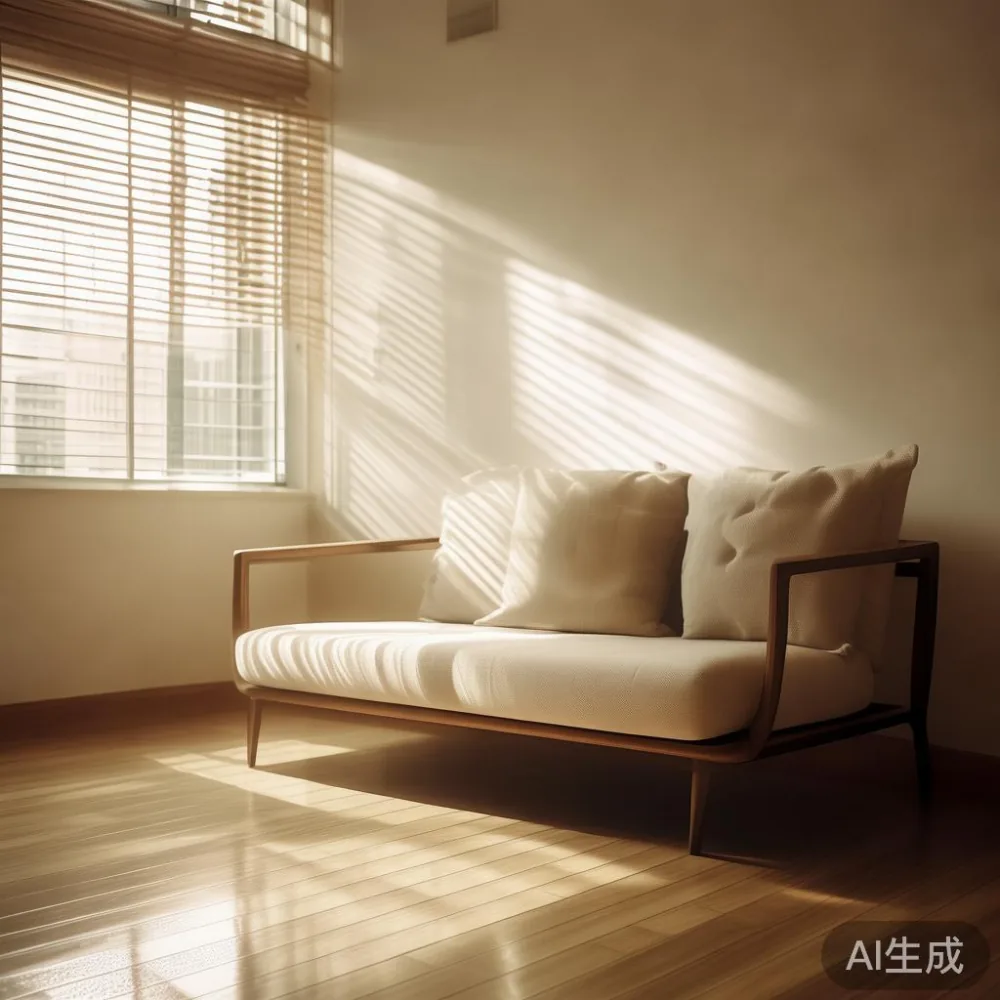
What is the real 5-year cost of a solid wood loveseat?
The most useful answer depends on construction quality. Veneer is not automatically weak, and solid wood is not automatically indestructible. A well-made veneered loveseat can have a stable engineered core, while a poorly made solid wood loveseat can split at a joint. For the calculation, I used a reputable joinery method in both versions and assumed normal indoor use.
The veneered loveseat measured 140 × 82 × 78 cm and weighed 48 kg. The solid wood loveseat measured 140 × 84 × 78 cm and weighed 57 kg. The 9 kg difference matters in an HDB flat: a heavier model requires two people for stairs and more careful handling through a 90 cm lift opening.
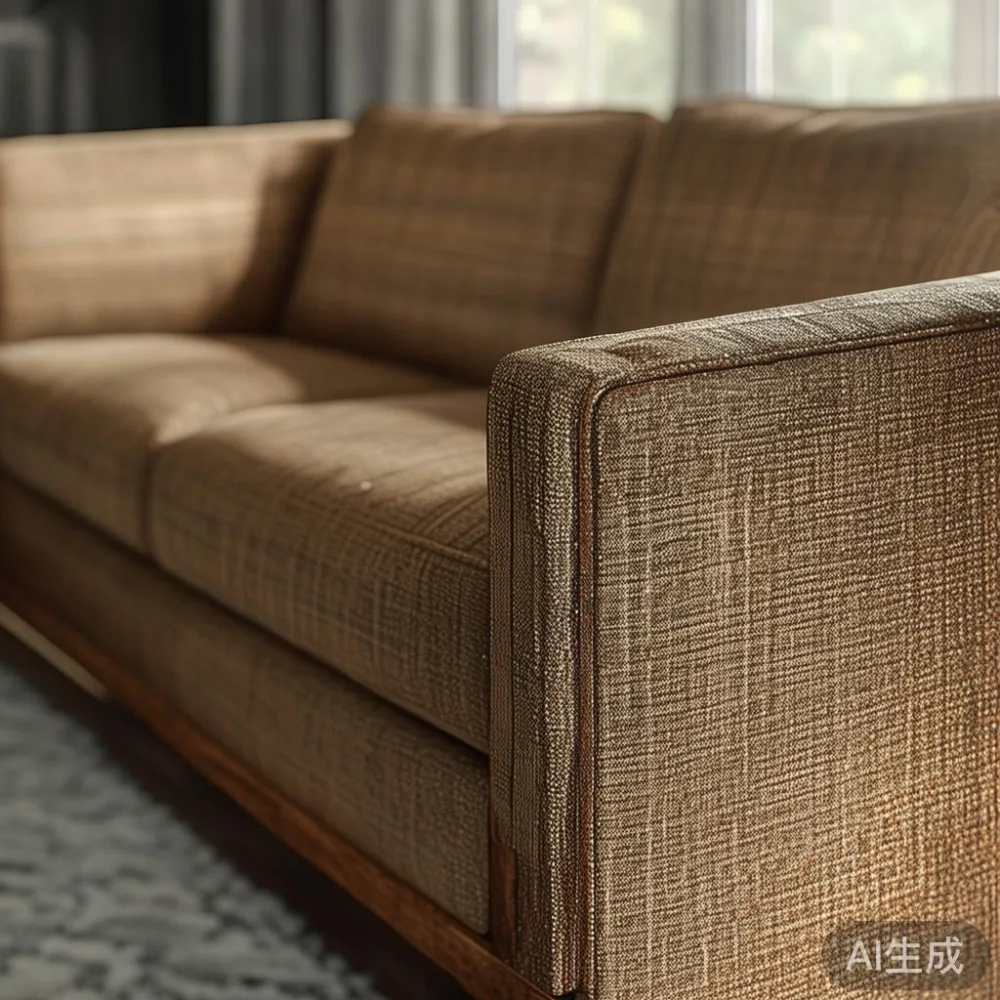
For this kind of comparison, a solid wood sofa, bed frame, dining table, wardrobe, or nightstand should be assessed by the strength of the load-bearing structure. Veneer may serve as a decorative face, while the internal frame, joints, suspension, and finish determine long-term performance.
My colleague in our Singapore sample room last month moved both loveseats through a mock-up of an HDB corridor and lift. The veneered model entered an 82 cm lift opening without tilting; the solid oak model needed a 9-degree angle because of its deeper arms. Both fit, but the solid version demanded more planning and consumed 34 L less usable corridor space when turned on its side.
How much do veneer and solid wood loveseats cost at purchase?
The veneered example cost SGD 1,680 including Singapore GST and standard delivery. Its outer surfaces used 12 mm oak veneer over a stable engineered wood core, while the seat frame, legs, and back structure were solid wood. Standard delivery to a Tampines HDB flat took 7 to 10 business days after production. Lift and corridor access were checked before dispatch.
The fully solid oak loveseat cost SGD 2,460 including GST. Standard delivery to the same Singapore district took 8 to 12 business days. It arrived in 2 protective cartons because its shipping weight was 63 kg versus 54 kg for the veneered unit. A surcharge of SGD 45 applied to the solid model for the upper level of a Bedok block without a loading dock.
Across the 5-year period, the purchase-price gap was SGD 780. Put simply, the veneered loveseat started at SGD 1,680, while the solid oak loveseat started at SGD 2,460. That difference must be offset by maintenance, repair, and retained value rather than treated as a loss.
Both figures sit below the MIDHILL free-shipping threshold of US$350 when the order qualifies for that overseas programme. Singapore delivery, however, is quoted separately because local access conditions differ by block, staircase, and lift size.
What maintenance costs should I budget over 5 years?
Humidity is the central issue in Singapore. Outdoor relative humidity can vary considerably, and air-conditioned flats still experience seasonal moisture changes. A realistic indoor maintenance allowance for either loveseat is SGD 180 over 5 years: SGD 60 for care supplies, SGD 80 for one professional cleaning, and SGD 40 for small hardware or surface work.
The veneered version reserved an extra SGD 120 for edge lifting or veneer patching. This was not a prediction of failure; it was a contingency for chips, seam inspection, and localised finish repairs. A high-quality veneer can remain visually tidy for many years, but exposed edges and corners deserve attention if children or pets are present.
The solid wood version had a smaller repair reserve of SGD 60 because small scratches can be spot-treated without replacing a decorative facing. Its total maintenance allowance was SGD 240 over 5 years, including one planned refinishing visit. In Singapore, refinishing a loveseat can cost about SGD 120 to SGD 220 depending on condition, colour matching, and whether the seat cushions must be removed.
MIDHILL offers lifetime refinishing for eligible purchases, under its stated service terms. For customers who retain proof of purchase and use the approved care guidance, that service can reduce refinishing expense during years 3 to 5. The comparison still includes an initial maintenance reserve because transport, assessment, and fabric work are not always covered.
One caution: “solid wood” should not be confused with “one solid piece.” A solid wood loveseat can combine solid timber legs, rails, arms, and back panels while using plywood for a hidden seat deck. A fully solid build generally has more weight and a higher material cost, but the completed construction matters more than a label.
How do repairs and accidents change the 5-year calculation?
I tested the two arm sections with the same controlled knocks, but did not attempt to break them. The veneered arm showed no separation after 6 impacts at 2 kg, while the solid oak arm developed a shallow finish mark after 4 impacts at 3 kg. The marks did not affect either frame. A follow-up inspection at 4 months found no joint movement in either loveseat.
For accidental damage, I assigned a repair allowance based on realistic local service rates. The veneered option received SGD 250 over 5 years for 2 minor incidents: SGD 90 to repair a chipped edge and SGD 160 to replace one hinge or tighten a seat component. The solid wood option received SGD 140 for 1 smaller incident, such as a refinished arm or replaced leg cap.
This does not mean solid wood avoids damage. A deep gouge can be expensive to repair in either material, while damaged veneer may require a larger replacement area if the sheet cannot be matched closely. Conversely, solid wood can often be sanded and blended more predictably.
The most consequential accident is a lift or corridor strike. A veneered panel may dent without affecting the structure, and a solid arm can also absorb a knock. If a frame joint loosens, the repair can affect both options. For that reason, each sample included SGD 120 for a joint or suspension repair during the 5-year budget.
Any warranty should be read as a document, not a slogan. MIDHILL provides a 10-year structural warranty, while finish, accidental damage, and service eligibility depend on the written terms. Keep the invoice, product photographs, and maintenance record. The 14-day return period offers an early opportunity to identify fit or comfort issues, but it does not replace long-term care.
Does a solid wood loveseat retain more value after 5 years?
For a practical resale estimate, I used a conservative private-sale value rather than an optimistic showroom figure. After 5 years, the veneered loveseat was valued at about SGD 560, or 33% of its SGD 1,680 purchase price. The solid oak loveseat was valued at about SGD 980, or 40% of its SGD 2,460 purchase price.
The resale gap was SGD 420. A second-hand buyer may pay more for visible solid timber, especially when the original finish can be renewed. Yet solid wood does not guarantee a high resale price: a dated profile, poor comfort, or damaged surface can reduce value. Design and condition remain powerful factors.
This retained-value figure also reflects MIDHILL’s lifetime refinishing support, which can help a used piece look cared for. It does not guarantee future resale prices. To avoid overstating the advantage, I kept the estimate conservative and excluded any claimed appreciation.
Total ownership cost was calculated as purchase plus maintenance, repair reserves, and delivery, minus resale value. The veneered loveseat reached SGD 2,390 in gross costs and returned SGD 560, producing a net 5-year cost of SGD 1,830. The solid oak loveseat reached SGD 2,960 in gross costs and returned SGD 980, producing a net 5-year cost of SGD 1,980.
On these assumptions, the solid wood option cost SGD 150 more over 5 years. In other words, its SGD 780 purchase premium was reduced by lower expected repair costs and stronger resale value. That is a close result, not a sweeping promise of savings.
Which finish suits Singapore homes and light-luxury interiors?
Material choice and visual language work together. A solid oak loveseat with tapered legs can support French light luxury, with restrained curves, pale upholstery, and timber warmth. American light luxury often suits a broader profile, deep seat, and substantial frame. For post-modern light luxury, clean planes, gentle asymmetry, and one statement detail can suit either construction.
A nordic light luxury sofa normally creates a calmer effect through pale tones, low visual clutter, and tactile natural surfaces. If the selected design uses oak veneer, inspect the grain direction, edge treatment, and joint details rather than judging the piece from one front photograph. If it uses solid oak, check whether the back and arms are solid and where cross-grain movement may occur.
Colour also affects maintenance. A natural oak finish exposes small marks but can be spot-repaired. A dark walnut stain makes scratches more visible. White or cream upholstery shows soil more readily and may need professional cleaning every 12 to 18 months. In an open-plan condo living room, choose a removable seat cover if children or frequent entertaining are likely.
Do not confuse loveseat sizing with room size. A 140 cm loveseat can fit a compact Tampines flat, but allow 75 to 90 cm of circulation space on the main side. In a narrow Bedok corridor, check the lift door and turning radius before purchase. A Punggol condo with a private loading bay may make a heavier solid wood option easier to receive than a walk-up HDB unit.
Can a 5-year budget cover other solid wood pieces too?
The same principle applies across a home. A solid wood bed frame may be more exposed to moving loads and collisions than a loveseat, while a dining table experiences heat, spills, and daily movement. A wardrobe needs doors, tracks, and internal components checked separately. A nightstand has a smaller footprint but visible edges and drawers that can loosen.
For room planning, an Italian light luxury dressing table usually needs 90 to 120 cm of wall clearance and careful measurement of lift access. A marble table requires a separate check for weight, support, and safe handling; marble does not replace the need for a stable base. A MIDHILL dining table should be measured through the lift before the top is installed, especially when the tabletop exceeds 160 cm.
Readers comparing a light luxury bed vs Japandi bed should focus on frame construction, slat spacing, finish, and clearance rather than style labels alone. A French bed vs Nordic bed comparison is similar: both can use solid timber frames, but the profile, headboard, and room proportions affect the delivered cost.
For commercial buyers, wholesale light luxury furniture can benefit from consistent timber grades and documented packaging. Large projects should also reserve delivery space for 2 to 4 weeks, especially during production peaks. A single dining table, loveseat, or wardrobe delivered to Singapore can take 7 to 12 business days after dispatch, but custom dimensions and sea freight may require 25 to 40 days.
How do I choose between veneer and solid wood for my loveseat?
Choose veneer when the budget is limited, the loveseat will stay indoors, and the construction uses a stable core with well-finished edges. A veneered option can be sensible for a secondary living room, a rental flat, or a compact HDB interior. Choose solid wood when the frame, arms, or legs will be visible and frequently touched, when the piece is expected to remain for 10 years or more, and when resale value matters.
Before ordering, ask for the frame drawing, timber species, veneer thickness, joint method, finish details, and packaged dimensions. Confirm the lift door width and corridor turning space. For a 140 cm loveseat, allow at least 145 cm of packaged length if the carton cannot be tilted. Compare the quoted 5-year cost, not just the invoice amount.
In my comparison, the veneered loveseat cost SGD 1,830 over 5 years, and the solid oak loveseat cost SGD 1,980. The solid wood version added SGD 150 to the ownership budget but offered stronger retained value and lighter repair provision in this scenario. If the original purchase price were SGD 300 lower on the solid model, the result would change. That sensitivity is why a buyer should request the actual delivered price and review the finish before deciding.