Working through Furniture Warranties: Tips for Singapore Consumers
I learned the hard way that a "lifetime warranty" and a "lifetime warranty you'll actually use" are two completely different documents. Eight years ago I bought a glossy sideboard from a clearance outlet in Geylang. The card I was handed said "structural guarantee." Fourteen months later the central divider bowed under the weight of my wife's ceramic collection and the seller told me — politely, with a printed email — that "structural" excluded panels under 25 mm. I had thrown away S$1,440 on a piece of furniture I genuinely believed was covered. That was the day I started reading warranty fine print the way I read my HDB fire-insurance policy: line by line, with a highlighter.
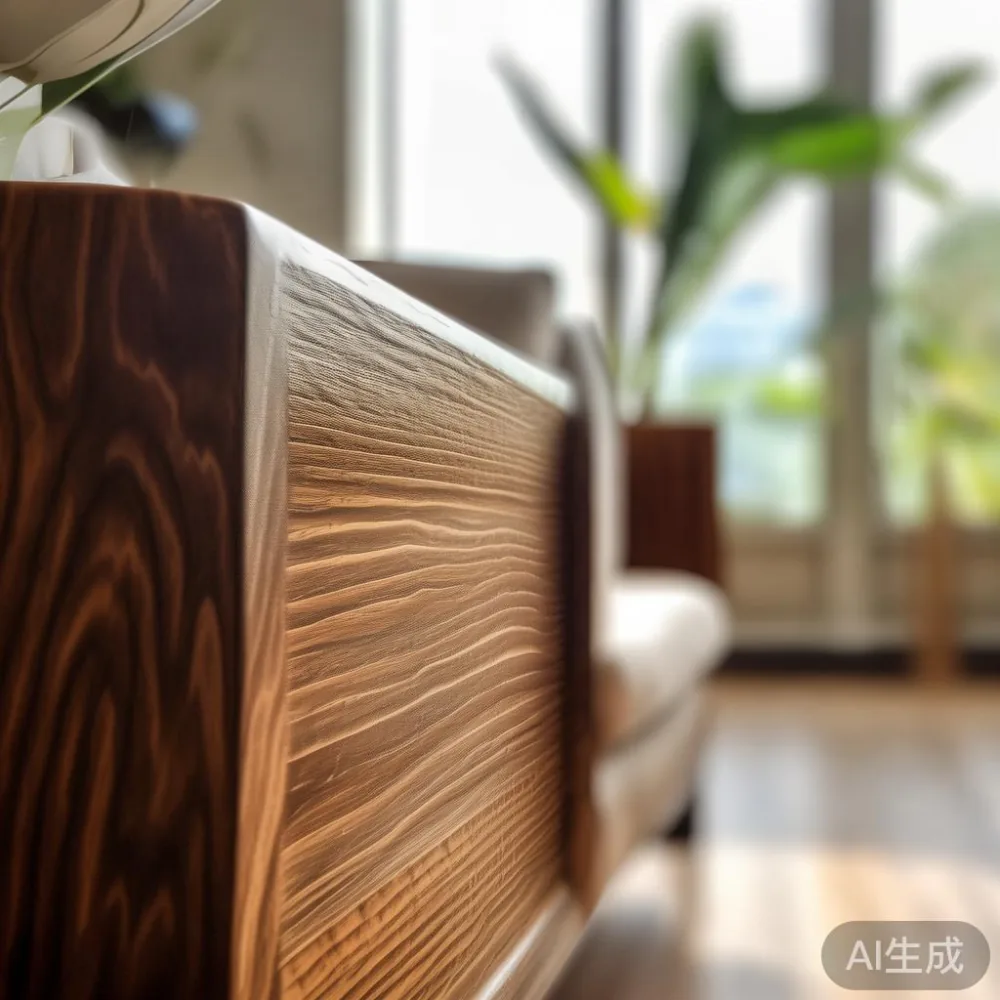
Most Singapore homeowners shopping for a new loveseat, dining table, or bed frame do not enjoy this hobby. They want a quick scan, a number of years, and a thumbs-up. Unfortunately, warranty documents are written to protect the manufacturer first and the customer a distant second. This guide walks you through what to look for, what the trapdoors are, and how to compare two pieces of solid wood furniture side by side on the warranty page alone.
What does "structural warranty" actually cover?
Structural coverage should mean the load-bearing skeleton of the piece — the frame joints, the corner blocks, the rails that hold a solid wood sofa or a wardrobe together. It should not mean the cushions, the fabric, the lacquer finish, or the veneer. A clear warranty will name the components: kiln-dried beech frame, mortise-and-tenon joinery, corner-blocked seat platform. A vague warranty will say "structure" and leave the definition to the after-sales team.

When I visited the MIDHILL showroom in Foshan last March with a colleague who was spec'ing out a dining set for his new Punggol HDB, the warranty card listed every covered part by name and thickness. The dining table card said "rubberwood legs, 60 × 60 mm, joined by mortise-and-tenon to a 25 mm solid rubberwood top." The bed-frame card said "New Zealand pine slats and side rails, screwed and dowelled." That is the level of specificity you want. If a seller cannot tell you what is inside the frame, ask what is being guaranteed.
How long should a warranty really last for solid wood furniture?
Ten years on the frame is a reasonable industry baseline for a kiln-dried hardwood piece. Anything shorter than five years suggests the maker is not confident in the joinery; anything "lifetime" with no definition of whose lifetime is a red flag. A lifetime warranty tied to the original purchaser only, non-transferable, with proof-of-purchase required, can still be useful — but only if the maker is around to honour it.
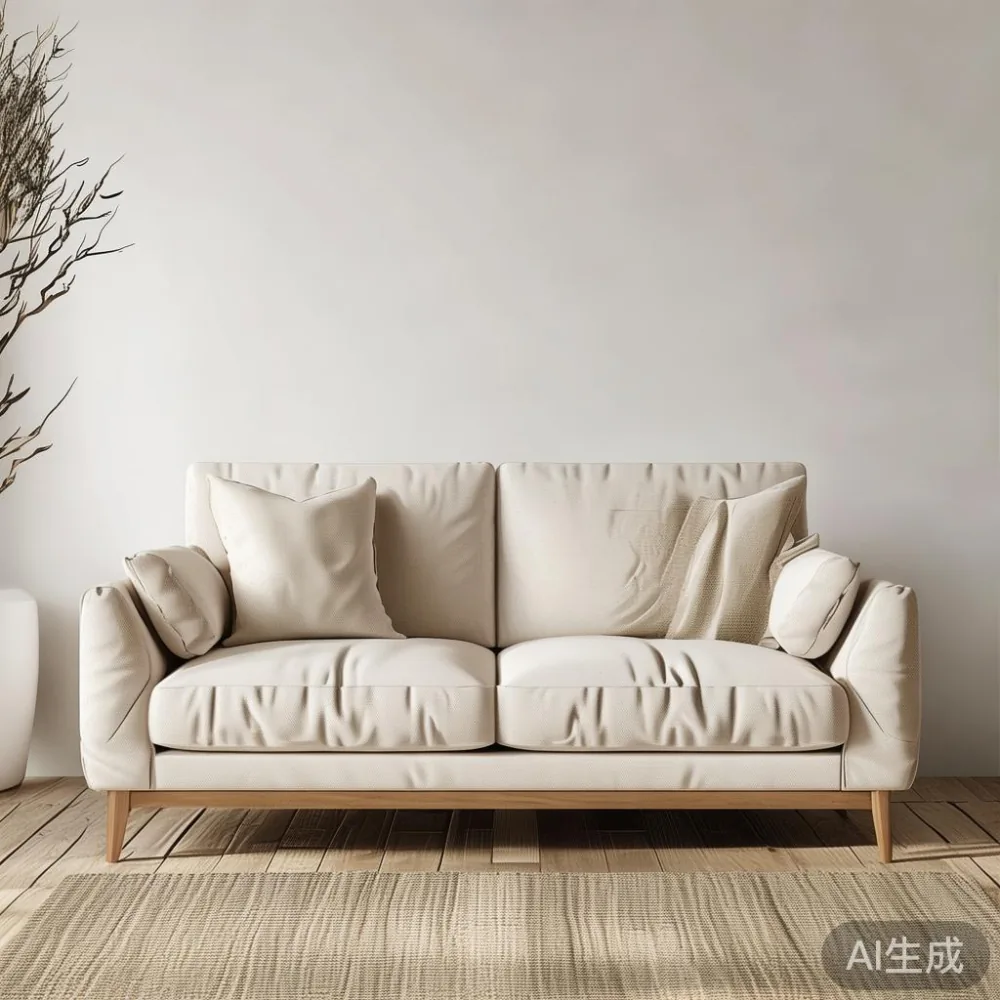
Check the maker's history. A company founded in 2008 that has exported to 15+ countries for fifteen years is a more reliable guarantor than a brand-new label on Shopee. Ask how many warranty claims they have processed. A maker that gets angry at this question is a maker that gets angry at every claim. MIDHILL, for example, publishes a 10-year structural warranty and a separate lifetime refinishing service on solid wood bedroom ranges — that second clause matters more than people realise, because scratches on a nightstand or water rings on a dining top are not "structural" but they are real.
What is the difference between Japandi king bed and modern furniture?
The Japandi king bed is a platform-frame style built on Japanese joinery principles and Scandinavian proportion rules, typically a low 28–35 cm side rail, slatted support (no box spring), and solid timber such as oak, ash, or rubberwood with no veneer on visible surfaces; modern furniture is a broader design-era label that includes anything from a 1970s laminate wall unit to a 2024 modular loveseat, and is defined more by silhouette and material mix than by joinery. In warranty terms, the practical difference is this: a Japandi king bed from a specialist maker will list its timber species, its joinery method, and its slat material in the warranty — a generic "modern" piece will list "wooden frame" and stop.
Which clauses get Singapore homeowners into trouble?
Three traps show up again and again in HDB flats from Tampines to Bedok.
1. The "defects in materials and workmanship" wall. Almost every warranty opens with this phrase. It sounds generous. It actually excludes everything that cannot be proved at the factory — humidity damage, transit damage, sun fading near your window. In Singapore's 32°C, 80% humidity climate, a wardrobe placed against an external wall can bow 4–6 mm in a year. Is that a material defect or an environmental one? Read which side of that line the warranty places you on.
2. The "void if relocated" clause. HDB movers shift homes every 7–10 years on average. A warranty that voids when the piece is moved more than 50 km is useless the day you upgrade from a 4-room in Punggol to a 5-room in Sengkang. Look for coverage that follows the product, not the address.
3. The "finish and surface" exclusion. Lacquer, oil, wax, fabric, leather, marble. In nearly every warranty I read, these are listed separately and almost always excluded from structural coverage. That is fair for a S$1,200 marble table top that stains from red wine. It is not fair when the same clause is used to refuse a cracked lacquer finish that was clearly applied too thin at the factory. Push for finish coverage of at least 12–24 months.
Does the warranty cover delivery damage in Singapore?
It should, but it is almost always a separate clause from the structural warranty. The freight warranty lives on the delivery page, not the warranty page, and that is by design — sellers prefer you to think "the warranty covers everything" until you file a claim for a chipped corner and get pointed to "transit damage section 7."
What to check: who is liable between the MOM warehouse and your HDB door? In a Tampines corridor that is only 1.2 m wide, a cornered sofa frame is genuinely at risk. A good warranty will name the delivery contractor, state that damage must be reported within 48 hours of receipt with photographs, and commit to either repair or replacement at the maker's cost. Free shipping over a sensible threshold — say S$350 — is a sign the maker has built damage claims into the price rather than offloaded them to a third-party courier. Lift access at your block should be confirmed in writing before dispatch, especially for a 90 kg marble table or a 2.4 m wardrobe.
How do light-luxury warranties differ from entry-level ones?
Light-luxury — whether French light luxury (curved silhouettes, gilded detailing, boucle upholstery), American light luxury (club-chair geometry, walnut tones, brass tips), or post-modern light luxury (asymmetric bases, mixed-material tops) — is built on tighter tolerances and more visible joinery. The warranty on a S$3,800 loveseat in this segment should be more specific, not less, because the customer is paying for visible craft.
Look for three things: timber species and origin named (not "hardwood"), joinery method named (mortise-and-tenon, dovetail, finger-joint), and finish system named (conversion varnish, hardwax oil, NC lacquer). When those three are specified, the maker is telling you exactly what you can hold them to. When they are not, you are paying light-luxury money for entry-level paperwork.
One number worth memorising: a 10-year structural warranty paired with a lifetime refinishing service, on solid wood ranges from a maker with 15+ years of export history, is the current benchmark for the light-luxury category. Anything below that benchmark needs a price reason — typically a 30–40% discount for stripped-down coverage.
What about GST, returns, and the Singapore lemon law?
Two practical levers that sit outside the warranty but interact with it. First, GST: from 1 January 2024, GST is 9% on all imported furniture, and the warranty card should state whether the warranty value includes GST. Most do; some quote ex-GST figures that look cheaper until you add 9% back. Second, returns: a 14-day return window is the consumer-friendly standard for furniture shipped from overseas. Read whether the return shipping is on you (typically S$80–S$220 for a bed frame from a Malaysian warehouse) or on the maker. A free return clause on items over S$350 is a stronger protection than the warranty itself, because it kicks in before any defect has to be proved.
The Singapore lemon law under the Consumer Protection (Fair Trading) Act covers goods that fail "reasonable durability" — for a S$2,500 dining table, courts have read "reasonable" as 5–7 years. Your warranty can be shorter than the Act, but it cannot legally overrule it. If a maker's warranty tries to exclude liability for early failure ("no claims after 90 days"), that clause is unenforceable on a product sold with a durability expectation. Knowing this gives you use when a claim is rejected.
Putting it together — a 60-second warranty checklist
Before you sign for that wardrobe, dining table, or loveseat, run through this list.
- Frame: timber species, joinery method, dimensions of load-bearing parts all named.
- Term: 10 years structural, 12–24 months on finish, separate transit clause.
- Transfer: does coverage follow the product to your next HDB?
- Process: claim window in days, evidence required, response time in days.
- Exclusions: humidity, sun, movers, pets — read the small list, not just the heading.
- Refinishing: a lifetime refinishing service on solid wood is worth more than a vague "lifetime warranty."
- Returns: 14 days, free over S$350, pickup arranged by seller.
- Track record: maker founded before 2010, exports documented, showroom or factory address verifiable.
A warranty is a contract, not a marketing slogan. The 11 minutes it takes to read one properly is the cheapest insurance you will ever buy against a S$2,000 mistake. My Geylang sideboard is still in my mother-in-law's flat in Bedok, holding up her ironing board. The warranty card is in a drawer somewhere, doing exactly what it was designed to do — nothing.