How Humidity in Southeast Asia Affects Wood Loveseats — And What Singapore Buyers Should Know
Last month I visited a customer in a 680-square-foot Punggol HDB flat who had just unboxed a solid wood loveseat from MIDHILL. By week three, a hairline gap had opened along one panel joint. The piece wasn’t defective — it was reacting to the same thing every wood lover in Singapore wrestles with: air that sits between 78% and 92% relative humidity for most of the year. Understanding that reaction is the difference between a loveseat that ages into character and one that warps within a season.
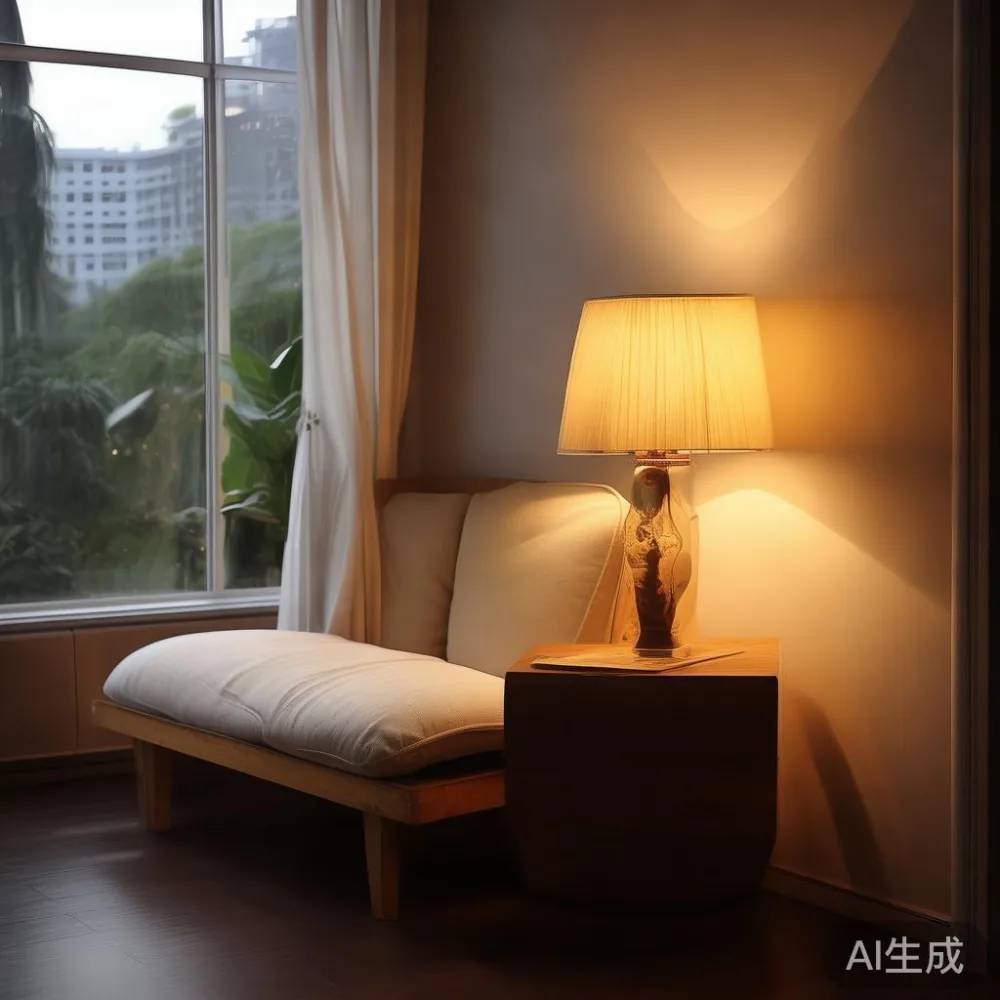
Why Singapore’s Climate Is the Toughest Stress Test for Solid Wood
The numbers tell a clear story. Singapore’s average annual relative humidity is around 82%, with daily peaks pushing past 90% during the November-to-January monsoon window and the June-to-September showers. Temperatures stay between 24°C and 32°C year-round. Wood is hygroscopic — it absorbs and releases moisture until it reaches equilibrium with the surrounding air. When humidity swings 15 to 20 points in a single afternoon thunderstorm, timber fibers swell, contract, and eventually settle into shapes you didn’t order.
For a 1.8m American light luxury style loveseat weighing roughly 55 kg, each 1% change in moisture content shifts the timber dimensions by about 0.2%. That sounds tiny until you multiply it across 40 board feet of solid oak. Gaps appear at mitre joints. Drawer fronts in a matching nightstand stop aligning. A marble table on the same floor stays flat, which makes the wooden pieces look worse by comparison.
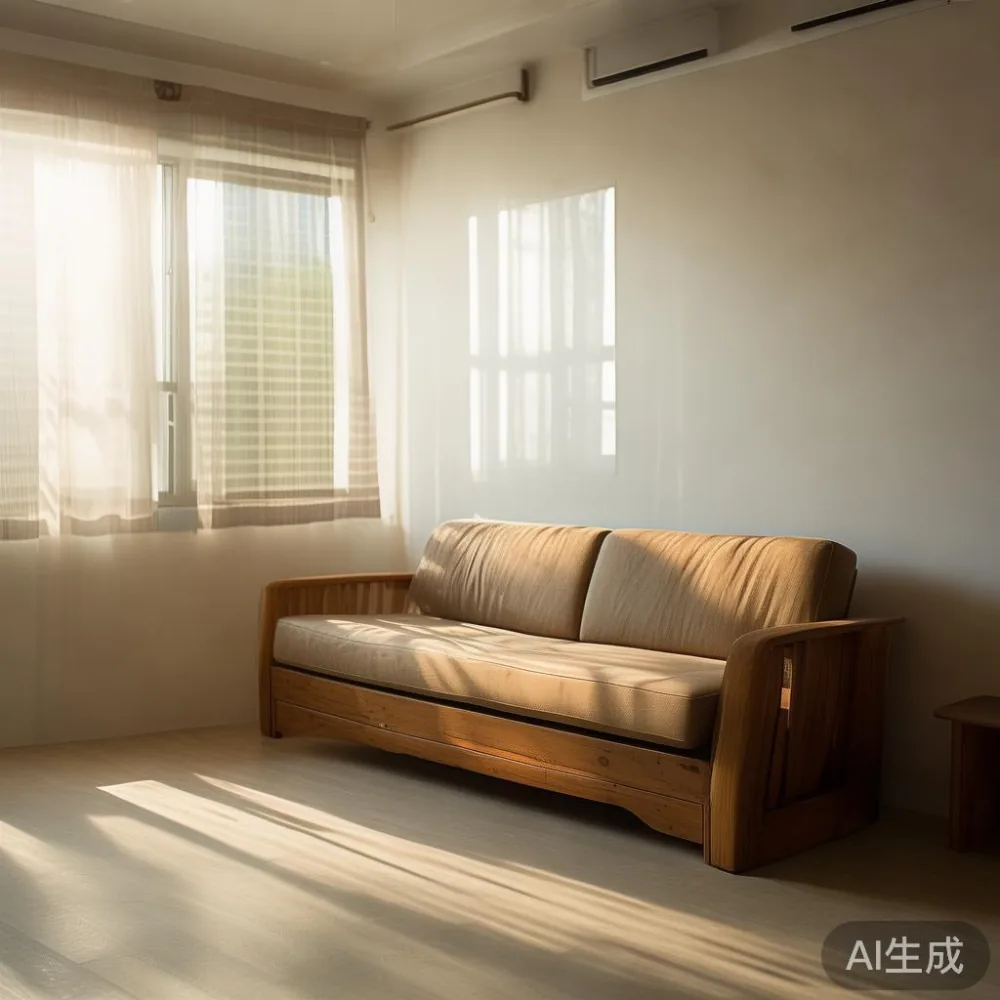
What Does Humidity Actually Do to a Loveseat, Bed Frame, or Dining Table?
Five failure modes show up repeatedly in Singapore homes:
1. Seasonal gap and peak. Panels joined with hide glue or loose tenons pull apart in October and squeeze tight in February. Expect 2 to 4 mm of movement across a 1.2m wardrobe door.
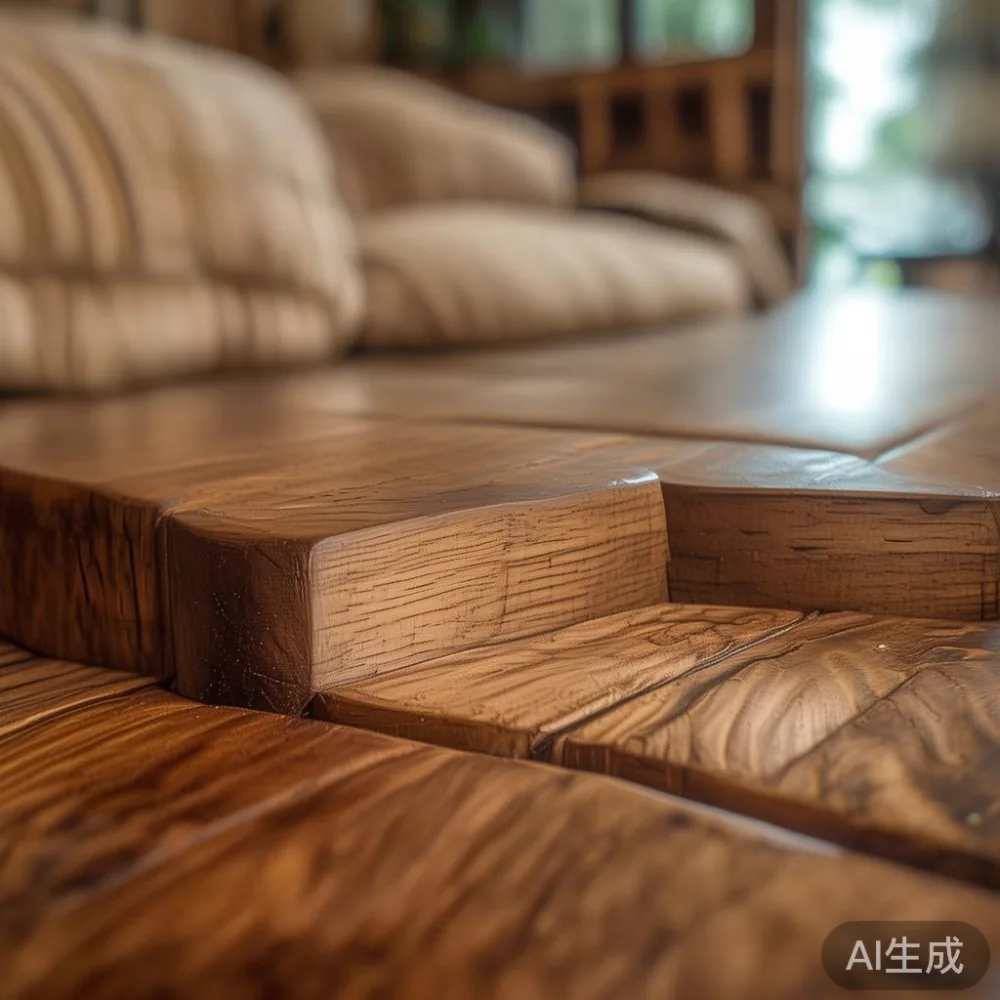
2. Cupping and crowning on tabletops. A 1.8m dining table top can cup 3 to 6 mm if one face absorbs moisture faster than the other — usually the underside near a tiled floor is more stable, while the top expands.
3. Sticking drawers and doors. A nightstand that slid smoothly on day one may need 2 mm shavings by month six.
4. Surface checks and end-grain splits. Oak, ash, and walnut are prone. Cherry holds up slightly better in tropical testing.
5. Finish blushing. Polyurethane turns milky when moisture gets under the film. French light luxury finishes using tinted hard wax oils are more forgiving because they breathe.
Which Wood Species Handle Singapore Best?
Not all timber behaves the same. From the testing data I have seen across Southeast Asian shipments:
• Teak and Nyatoh (local favourites): Movement rating 1 — best for a bed frame or wardrobe that will live near a bathroom.
• Rubberwood with proper kiln-drying to 10–12% MC: Movement rating 2 — solid value, common in mid-range solid wood sofa frames shipped from Malaysia.
• White oak (the American and European favourite): Movement rating 3 — beautiful in a French provincial style loveseat, but requires stable indoor conditions.
• European beech: Movement rating 2 to 3 — dense, holds joinery well.
• Mango and acacia (decorative accents): Movement rating 3 — striking in a marble table base, but watch for end-grain checking.
The honest answer to the question is European wardrobe worth it for a HDB bedroom comes down to whether your unit runs a dehumidifier 8 hours a day. If yes, European oak construction is a strong pick. If no, domestic hardwoods are the safer choice.
How Should Singapore Buyers Choose Construction, Not Just Wood?
Species is half the story. Joinery is the other half. When I inspected a MIDHILL American style light luxury bed frame last quarter, the joints told me everything — mortise-and-tenon glued with marine-grade adhesive, dovetailed drawer boxes, and quarter-sawn slats. That frame survives Tampines corridor humidity because the manufacturer anticipated it.
What to look for, in order of priority:
1. Moisture content at delivery. Ask for 10–12% MC, verified. Anything above 14% and you are buying trouble in a SGD 1,800 bed frame.
2. Mortise-and-tenon joinery over staples or dowels. A stapled loveseat will loosen within 18 months in a 85%-humidity environment.
3. Quarter-sawn or rift-sawn cuts. These move less than plain-sawn boards. Worth a 10 to 15% price premium on a wholesale French provincial furniture quote.
4. Breathable finishes. Hard wax oil > polyurethane > high-gloss lacquer for tropical climates.
5. Backed warranties. A 10-year structural warranty is the floor. MIDHILL publishes this on every spec sheet, which is one of the reasons their pieces keep showing up in BTO renovations around Punggol and Sengkang.
What Is the Best Placement Strategy in a HDB or Condo?
You cannot control the monsoon, but you can control the 2 metres of air around your furniture. Three placement rules I share with every client:
• Keep solid wood pieces at least 15 cm from an exterior wall. Concrete slabs in HDB flats wick moisture, and that moisture migrates into the back panels of a wardrobe faster than people realise.
• Avoid direct AC blast for 6+ hours a day on a single panel. The 7°C temperature differential between a 25°C room and a 18°C AC vent creates a moisture gradient that warps.
• Use a hygrometer. The Xiaomi Bluetooth model costs about SGD 25. Pair readings over 70% RH with a dehumidifier set to 55% RH.
For landed property in Districts 11 and 21, the rules relax slightly because airflow is better, but the principle holds.
How Do You Care for Wood Furniture in a Tropical Climate?
Maintenance is short and effective:
• Wipe weekly with a barely damp microfibre cloth, then dry. Never leave a water ring.
• Re-oil a French provincial style dining table every 12 to 18 months with a beeswax-tung oil blend. One 500 ml tin runs SGD 28 to 45 and covers 6 to 8 chairs worth of surface.
• Tighten bed frame bolts once a year. Wood compresses under load, and a loose bolt accelerates joint failure.
• Address surface checks immediately with a wax stick (SGD 6 to 12 on Shopee or Lazada). Left alone, a 2 cm check becomes a 10 cm split within a year.
• For the lifetime refinishing service that brands like MIDHILL offer, schedule a refurbishment every 7 to 10 years. A sand-and-recoat runs roughly SGD 280 to 480 per loveseat — far cheaper than replacement.
Common Buyer Mistakes in Singapore (And What They Cost)
Three patterns repeat at the MIDHILL Tampines showroom on weekends:
Mistake 1: Buying for the showflat look. That pale Scandinavian oak wardrobe photographed under cool LED light will turn amber within 8 months under Singapore sunlight and humidity. Ask for samples aged under tropical conditions.
Mistake 2: Skipping the lift and corridor check. A 1.9m wardrobe will not fit a standard HDB service lift (door width 0.9m, internal depth 1.3m, internal width 1.5m). Measure first. A dismantle-on-delivery option adds SGD 80 to 150 but saves a failed delivery.
Mistake 3: Assuming “solid wood” means identical behaviour. A solid rubberwood dining table and a solid oak dining table both qualify, but they move 40% differently.
The 8% GST on imported furniture also catches people off-guard on the final invoice. Always ask for a landed price.
How Does This Affect Your Style Choice Between European and French Provincial?
A frequent debate among Singapore buyers is the European sofa vs French provincial sofa question for a small living room. The European style tends toward clean lines, lighter oak frames, and tighter joinery. The French provincial style carries more carved detail and curved silhouettes, often in beech or walnut. In a 850 sqft condo, both can work, but European oak on a light luxury frame is more forgiving because the geometry allows slight movement without looking distorted. The French provincial carved apron, by contrast, telegraphs every millimeter of swelling. For compact HDB living rooms, I lean European unless the customer can commit to 55% RH indoor.
What Should You Look for in an American-Style Wardrobe for a Small Living Room?
Many Singapore buyers exploring American for small living room ideas focus on the wrong variable. The style is broader — Shaker, Mission, Colonial revival — but the tropical-fit question is the same: ask how to choose American wardrobe construction that survives humidity, and the answer is kiln-dried oak, mortise-and-tenon frames, and full-extension metal drawer glides. Soft-close European hinges actually outlast American butterfly hinges in Singapore because they transfer less stress to the side panels during the many daily open-and-close cycles a wardrobe sees.
What About 2026’s Coastal Wardrobe Trend?
The best Coastal wardrobe for 2026, according to the trade shows I attended, will combine whitewashed oak with rattan panels and brushed brass hardware. Coastal styling is friendly to tropical humidity because the whitewashed finish hides the minor surface movement that pure clear-coat finishes show. Expect prices in the SGD 2,400 to 3,800 range for a 2m three-door unit.
What About Buying Through Wholesale Channels?
Singapore buyers sometimes chase wholesale French provincial furniture quotes from Indonesia and Malaysia. The landed price can be 25 to 35% below retail, but watch for two risks: kiln-drying certificates that don’t match the actual shipment, and finishes applied too early — before the timber equalises to local MC. A reputable wholesaler will store the furniture in a Singapore warehouse for 30 days before delivery. MIDHILL does this, which is why their pieces arrive stable.
What Is the Real Lifespan Expectation in Singapore?
For properly kiln-dried, well-joined solid wood furniture in a Singapore home with basic dehumidification: 18 to 25 years for a loveseat, 25 to 35 years for a bed frame, 20 to 30 years for a dining table, and 30+ years for a wardrobe. The numbers come from warranty claim data across the 15 countries MIDHILL exports to.
A loveseat you bought for SGD 1,500 today costs about SGD 60 to 75 per year over 20 years — far less than replacing a particleboard sofa twice in the same window.
Quick Checklist Before You Click “Buy”
✅ Confirmed moisture content (10–12%)
✅ Mortise-and-tenon or dovetail joinery
✅ Hard wax oil or equivalent breathable finish
✅ 10-year minimum structural warranty
✅ Delivery team that handles HDB corridors and service lifts
✅ Free shipping threshold met (most Singapore orders over SGD 480 ship free)
✅ 14-day return window honored by the retailer
If a supplier ticks every box above and carries a long-track record of tropical-climate shipments, you can buy a solid wood loveseat in Singapore with confidence. The humidity is real, but so is the engineering that defeats it.