How to Care for a Lacquered Loveseat in Singapore’s Tropical Climate
A lacquered solid wood loveseat can look crisp and architectural in a Singapore home, but the region’s heat, humidity, salt-laden air, and frequent indoor air-conditioning create a demanding environment for furniture finishes. In an HDB flat in Tampines, a loveseat may sit near a window with morning sun and cross a narrow corridor before reaching a lift. In a Bedok condo, it may face both west-facing glazing and a constant stream of air from the air-conditioner. These conditions do not automatically ruin lacquer, yet they can make dull patches, fine scratches, clouding, and swollen joints more likely if care is careless.
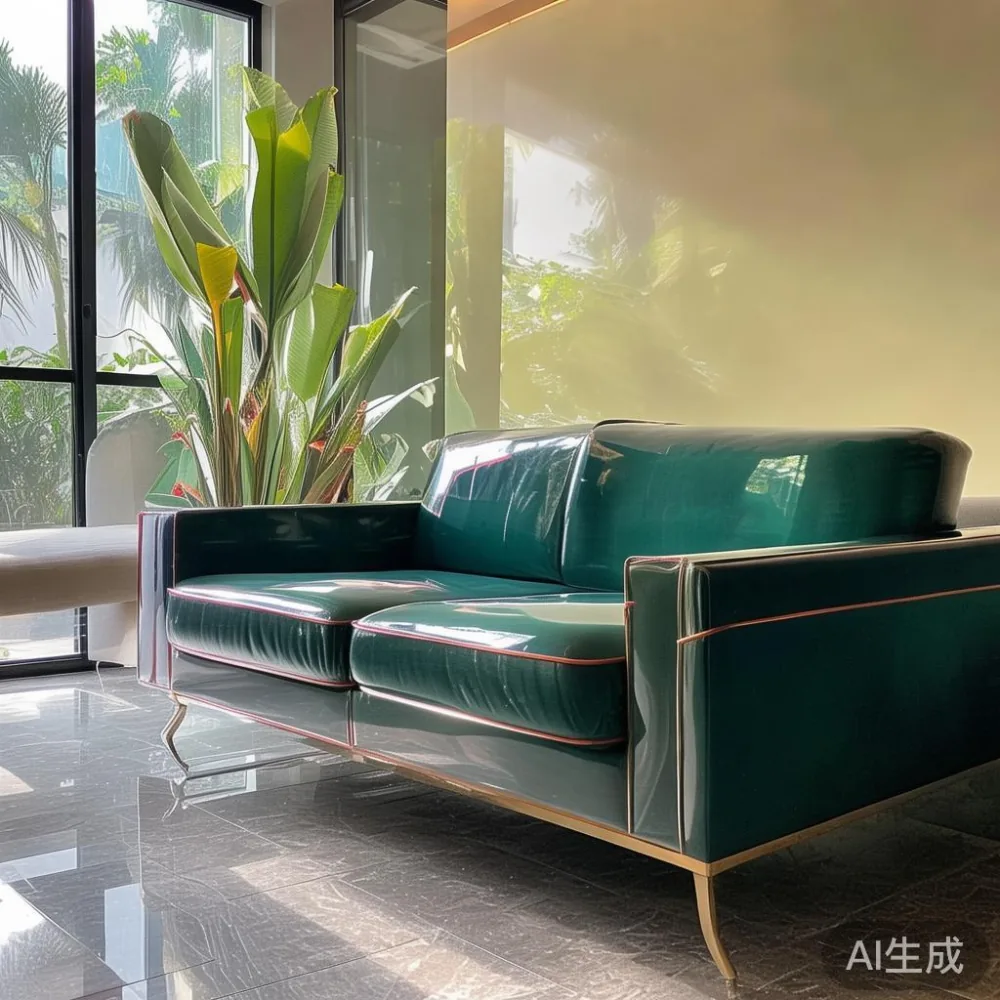
This guide explains how to maintain a lacquered loveseat without sanding away its finish or applying an unsuitable household oil. The advice assumes a lacquered solid wood frame with upholstered seat and back cushions. Before using any product, request the finish and care instructions from the maker. MIDHILL can clarify whether a particular loveseat uses gloss, matte, or open-pore lacquer and which cleaners are compatible.
What Does Tropical Humidity Do to Lacquered Wood?
Singapore’s relative humidity commonly changes through the day, especially in an un-air-conditioned living room. A surface may begin the morning at 68% RH and reach 84% RH after a shower or rainfall. Lacquer itself is less vulnerable than an untreated wooden top, but the timber beneath it can still respond to moisture through its microscopic pores. The result may be a slight haze, sticking drawers elsewhere, or a fit that feels tighter in September than in January.
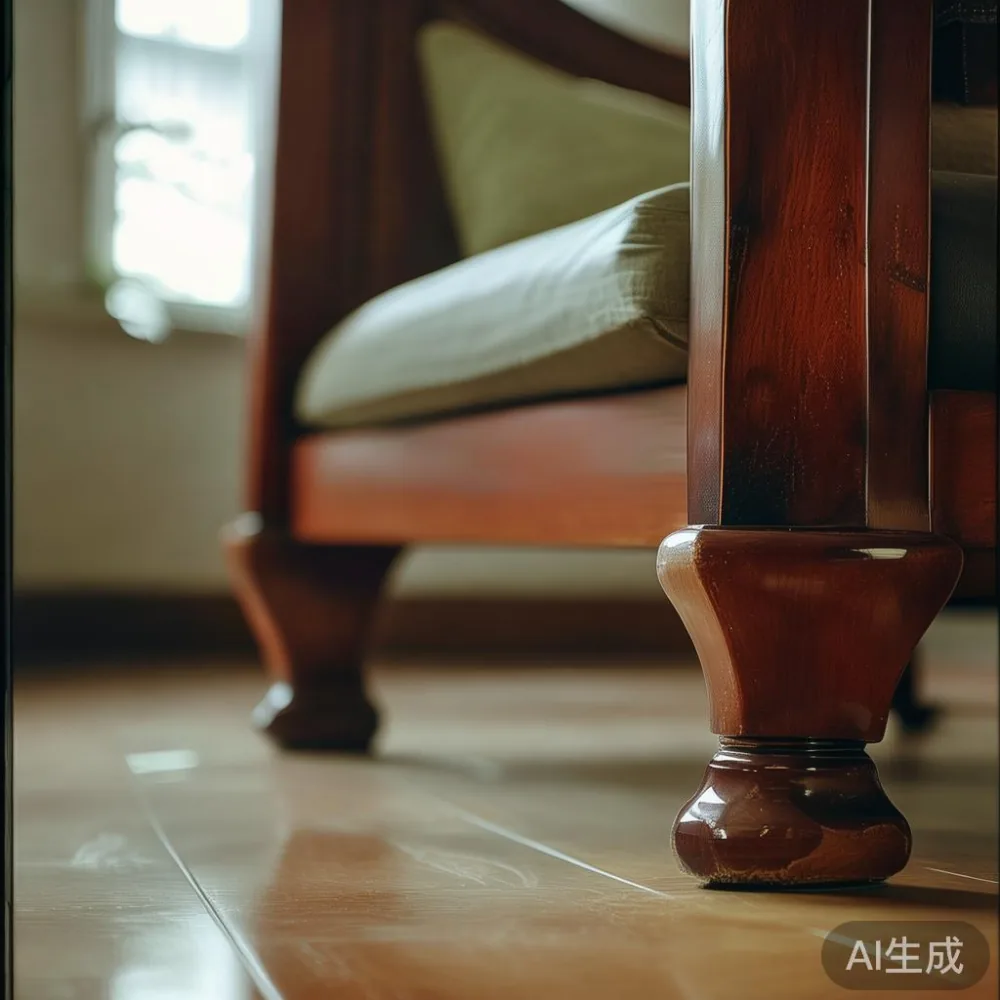
Keep the loveseat at least 60 cm from a window, 90 cm from a bathroom doorway, and 30 cm from a floor fan or air-conditioner outlet. If the only available position is beside a sun-facing window, use sheer curtains with a visible light-filtering rating of at least 60% and avoid direct afternoon sun. Stable indoor conditions are more useful than an occasional wipe.
Place a hygrometer on the nearby console. Aim for about 45–60% RH, ideally with less than a 10% change over 24 hours. In a frequently opened HDB unit, run the air-conditioner in dehumidify mode during wet spells. Check that its compressor does not vent directly toward the loveseat, since cold airflow can create condensation around its lower frame and floor contact points.
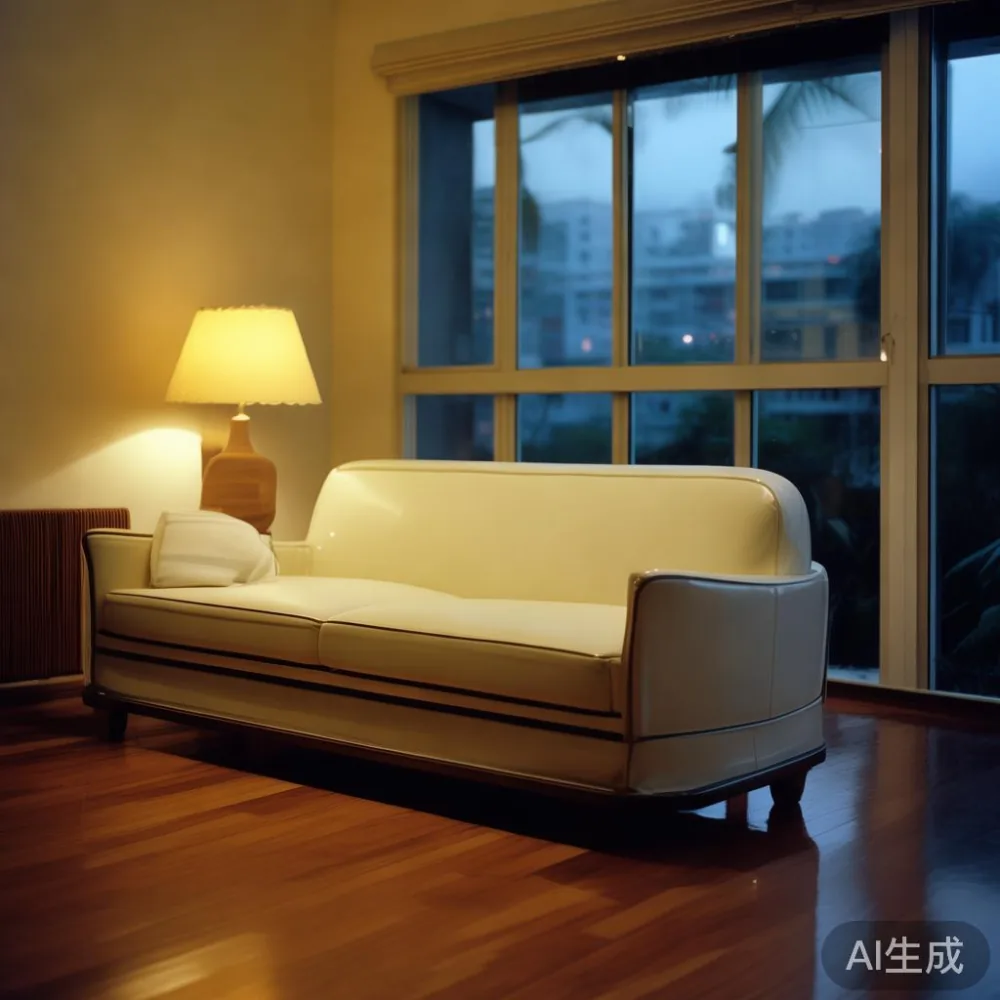
Lift and corridor dimensions deserve attention too. A boxed loveseat may measure 175 × 95 × 88 cm, while the assembled piece could be 158 × 86 × 82 cm and weigh 54 kg. Confirm that a lift door of at least 90 cm wide and a cabin depth of at least 140 cm can accept the package. In a Punggol HDB corridor narrower than 110 cm, remove detachable legs and cushion covers before carrying. Protect corners with 5 mm foam, plan the route in 10-minute stages, and never pivot a heavy piece on one end in the corridor.
How Should I Clean a Lacquered Loveseat?
Vacuum the loveseat every 7 days, using a brush attachment kept about 2 cm above the surface. Pay attention to the seam between the seat cushion and armrest, where dust and grit become abrasive particles. Cushion covers should follow their own wash label. If covers are removable, wash them at 30°C or use a damp cloth for dry-clean-only fabrics, then let them dry fully before refitting.
For lacquered wood, use a clean, lint-free microfibre cloth lightly dampened with water. Wipe in the direction of the grain, then dry with a second cloth. Do not flood the joint between panels, especially where a lacquered rail meets a solid wood frame. A practical test is to place 2 drops of cleaner on a spare cloth: it should dampen the cloth without creating a visible puddle.
Use a pH-neutral wood lacquer cleaner only after checking the supplier’s instructions. Apply it to the cloth rather than the loveseat, allow 30 seconds, and buff with a dry cloth. Avoid dish soap, bleach, vinegar, ammonia, alcohol, silicone polish, furniture oil, and aerosol wax unless the finish manufacturer expressly approves them. These products can leave a greasy film, haze the lacquer, or soften a compatible topcoat.
My colleague tested one new lacquered loveseat panel against 5 common cleaners over 6 weeks. The untreated control retained an even sheen, while a waxed sample gathered visible dust within 11 days. One alcohol-based sample developed faint dull marks after 4 applications. The result was not a licence to use any cleaner; it reinforced why manufacturer-approved products and small test patches matter.
How Do I Remove Small Marks Without Damaging the Finish?
Do not reach for abrasive pads, baking soda, metal polish, or a scouring sponge. Lacquer can scratch at a particle level, and the repair may become more noticeable than the original mark. For a fresh water ring, blot with a dry cloth for 10 minutes. Then dampen a clean cloth with plain water, wring it until nearly dry, and wipe once. Follow with a dry cloth and inspect under daylight.
For a superficial scuff, try a clean soft eraser used for graphite drawings. Rub gently along the grain for no more than 10 passes, stopping at the first sign of dulling. On a dark finish, test an inconspicuous area beneath the seat rail first. If the mark remains, do not continue. Deep scratches that expose wood need professional attention because sanding through a 0.3–0.8 mm lacquer layer can create a conspicuous flat patch.
For cushions, lift the loose debris with a vacuum rather than brushing it deeper into the weave. Blot spills immediately with white tissue, working from the outside inward. Avoid scrubbing a stain because pressure can push liquid into the foam. If a 250 ml water-based upholstery cleaner is approved for the fabric, apply it to the cloth, not the seat, and check for colour transfer on a hidden 5 × 5 cm area.
Clear coasters and felt pads are useful, but they should not be trapped under a heavy decorative tray. Replace felt every 12 months and clean it with a dry cloth. On a lacquered drinks table nearby, use coasters at least 8 cm across and keep hot mugs on a separate stand. The same discipline applies when comparing a lacquered solid wood sofa, bed frame, dining table, wardrobe, nightstand, or marble table: finish-specific instructions should travel with each piece.
Will Direct Sunlight Fade the Loveseat?
Yes, prolonged ultraviolet exposure can fade pigment and weaken textile dyes even when the lacquer itself remains physically sound. West-facing Bedok and Tampines windows can deliver strong late-afternoon light. Keep the loveseat out of direct sun for 8–10 hours a day where possible, and rotate its position every 3 months so one side does not become disproportionately faded.
Curtains, blinds, and UV film form the first layer of protection. A sheer curtain may reduce glare but not necessarily block enough ultraviolet light; look for a stated fabric factor of at least 30 and a UV transmittance below 10% where the product is tested. LED lighting also helps because it emits little ultraviolet radiation compared with halogen lamps. Use lamps with a colour-rendering index of 90 or above and keep them at least 45 cm from the upholstery.
Check the fabric care label for a cleaning code. “W” generally indicates water cleaner, “S” solvent cleaner, and “WS” either method, but the label takes priority over general guidance. Test the selected method on the underside of a back cushion for 24 hours. Never mix cleaning products, and do not use steam on a lacquered panel or glued upholstery seam.
Should I Refinish the Loveseat, or Is It Better to Replace It?
Small, isolated marks rarely justify a full refinishing project. Clean the area, allow it to dry for 24 hours, and inspect under daylight and from 2 metres away. If the defect remains visible, contact the manufacturer. A solid wood frame may be repairable, while severe colour change across the front rail usually indicates fading rather than a surface defect.
MIDHILL was established in Foshan in 2008 and offers a 10-year structural warranty, with refinishing support extending across the product life. Refinishing options can vary according to the current finish and frame condition. Do not assume that a touch-up kit will perfectly match a 5-year-old lacquer, because changes in sheen and colour can be more obvious than the original mark.
Buyers should ask for a written finish specification: lacquer type, sheen level, wood species, expected moisture range, care products, and repair process. A 100% solid wood base gives useful stability, but it does not remove the need for finish care. For those considering a wider furniture layout, advice on how to choose French wardrobe remains more specific to storage construction and dimensions. Similarly, anyone evaluating an is Italian light luxury bed worth it should compare internal joinery, mattress support, and warranty terms rather than relying on style labels alone.
How Often Should a Loveseat Be Inspected in a Humid Home?
Create a simple schedule rather than waiting for visible damage. Check the hygrometer twice each day during monsoon periods, inspect the lacquer each month, and vacuum the upholstery every 7 days. Every 6 months, look under the loveseat for moisture, insect activity, or a musty smell. Wipe the frame with a barely damp cloth and check that all 4 feet or legs still carry the load evenly.
Use a moisture meter with a 2-pin timber reading at 8% moisture content or below, although readings near lacquer joints should be interpreted cautiously. A reading above 18% warrants investigation. Do not drill test holes in a visible rail; use an accessible underside edge or ask a furniture specialist to assess it.
Singapore’s outdoor air can carry fine salt particles, especially near the coast. Bring the loveseat into the bedroom, dining table, or study during periods of heavy construction or monsoon rain if condensation forms on nearby glass. Allow 4–6 hours of airflow before using a fan. Keep the piece 5 cm away from a wall where practical, but ensure it cannot be pushed against a radiator or heat source.
Design decisions also affect care. A low-backed loveseat may expose its top rail to dust, while a tight corridor makes professional removal easier if it separates into modules. For a compact Punggol flat, measure the sofa’s final position and its diagonal before delivery. Confirm the delivery timeframe in days, GST treatment, and any lift or corridor surcharge. MIDHILL provides free shipping for orders over US$350, but a Singapore order will be charged in SGD at checkout, including applicable GST.
What Is the Right Lacquer Care Routine for Singapore Homes?
A reliable routine has 4 parts: control moisture, limit light, clean gently, and inspect early. Keep the room within roughly 45–60% RH, use blinds or curtains, vacuum every 7 days, and damp-wipe the lacquer only when needed. Buff dry after cleaning, and never leave a wet patch around a joint for more than 30 minutes.
For design comparisons, the best Scandinavian bed for 2026 is a topic best judged by slat spacing, stability, and bedroom dimensions rather than appearance alone. Likewise, anyone asking how to style Japanese sofa in room should focus on proportion, low visual clutter, and compatible textiles. A question about how to style light luxury wardrobe in bedroom should also consider door clearance and humidity exposure. These examples show why French light luxury, American light luxury, and post-modern light luxury should guide atmosphere, not replace practical measurements.
For a Singapore loveseat, the most responsible choice is a finish whose care instructions match your home’s actual conditions. Record the purchase date, keep the care sheet, and photograph the lacquer under daylight at installation. That reference makes a 6-month comparison meaningful and may help a warranty claim. A 14-day return period can also provide an early opportunity to assess colour and fit, though returns should be handled according to the seller’s condition requirements.
A lacquered loveseat will age most comfortably when its environment remains stable. With a 5-minute weekly inspection, a monthly cleaning, and attention to sunlight and condensation, the finish can stay presentable for years without a harsh chemical treatment or premature refinishing.