Solid Wood vs Veneer: A 5-Year Cost Reality Check for Singapore Homeowners
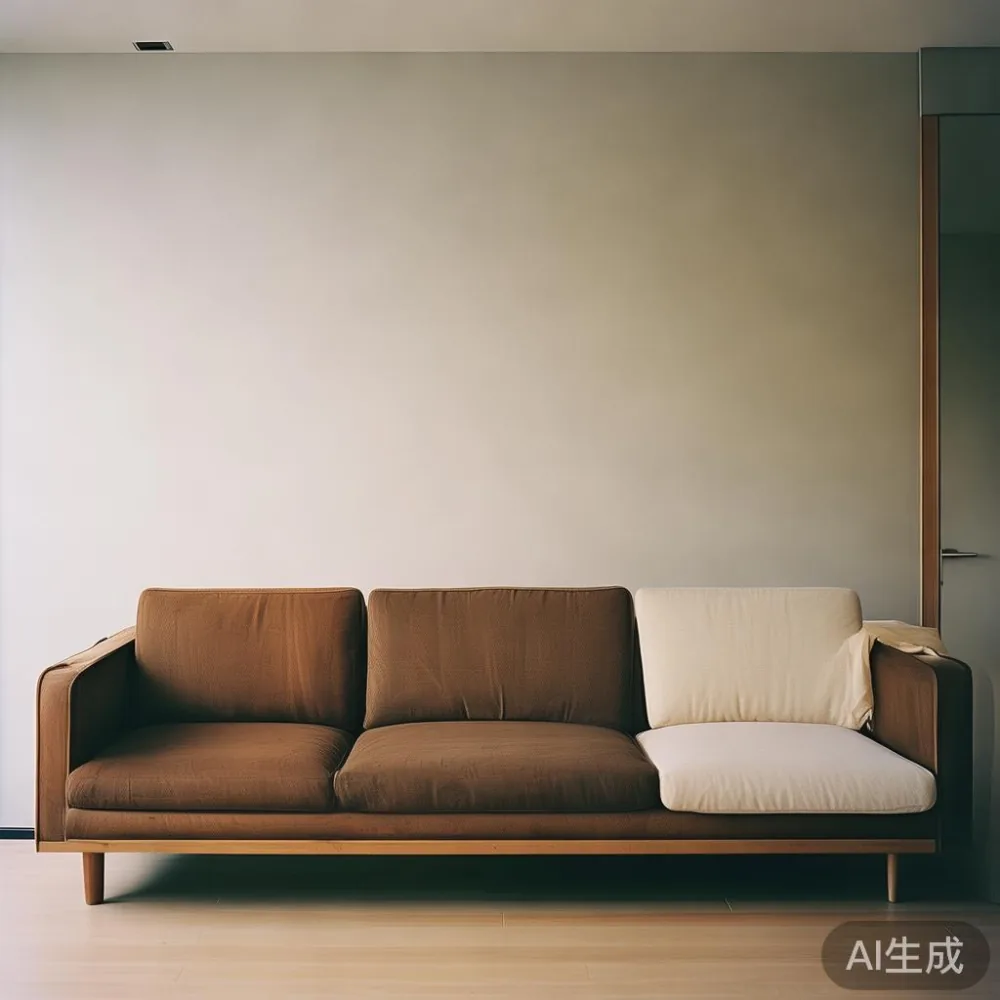
I still remember the weekend my colleague Ah Lim drove me across Tampines to look at two near-identical loveseats in the same shade of walnut. One was priced at SGD 1,290. The other was SGD 2,450. Same showroom size, same fabric, almost the same silhouette. The difference, the sales associate whispered, was that one was wrapped in 0.6 mm paper-backed veneer over a plywood carcass, and the other was solid rubberwood from frame to leg. That single afternoon has shaped every conversation I have with friends furnishing their HDB flats since, because the sticker price is only the first number in a much longer equation.
Why does a 5-year cost comparison matter more in Singapore than almost anywhere else?
Singapore is unusual. We replace furniture on a punishing timeline: 99-year lease decay, BTO handover every five to seven years, a resale market that punishes scuffed pieces, and humidity that hovers between 70 and 85 percent for nine months of the year. A loveseat you bought in 2021 for the Punggol flat will either be in the living room of the resale unit in 2026, or it will sit in a storage cage at SGD 80 a month while you wait for the next place. That is why I always push clients to think in five-year blocks, not one-year blocks. The first price tag is a down payment, not the total.
What are you actually paying for in a SGD 1,200 loveseat versus a SGD 2,500 one?
Let us look at the material layer by layer. Veneer furniture in Tampines mall showrooms typically uses a 12 mm to 15 mm plywood shell, a 0.4 mm to 0.6 mm teak or walnut paper veneer, an engineered or pine internal frame, and pocket-spring or webbing suspension. The structure is light — between 28 kg and 35 kg for a two-seater, manageable for a single person to push through a 90 cm corridor door or into a 1.0 m by 1.4 m lift. Solid wood furniture, by contrast, uses kiln-dried hardwood for the frame, legs, and visible panels; a 2 m loveseat with solid arms weighs 45 kg to 55 kg. That extra weight is not a marketing trick. It is the cost of structural stability, which becomes very real around year three when veneer edges start to chip and plywood corners crush under daily use.
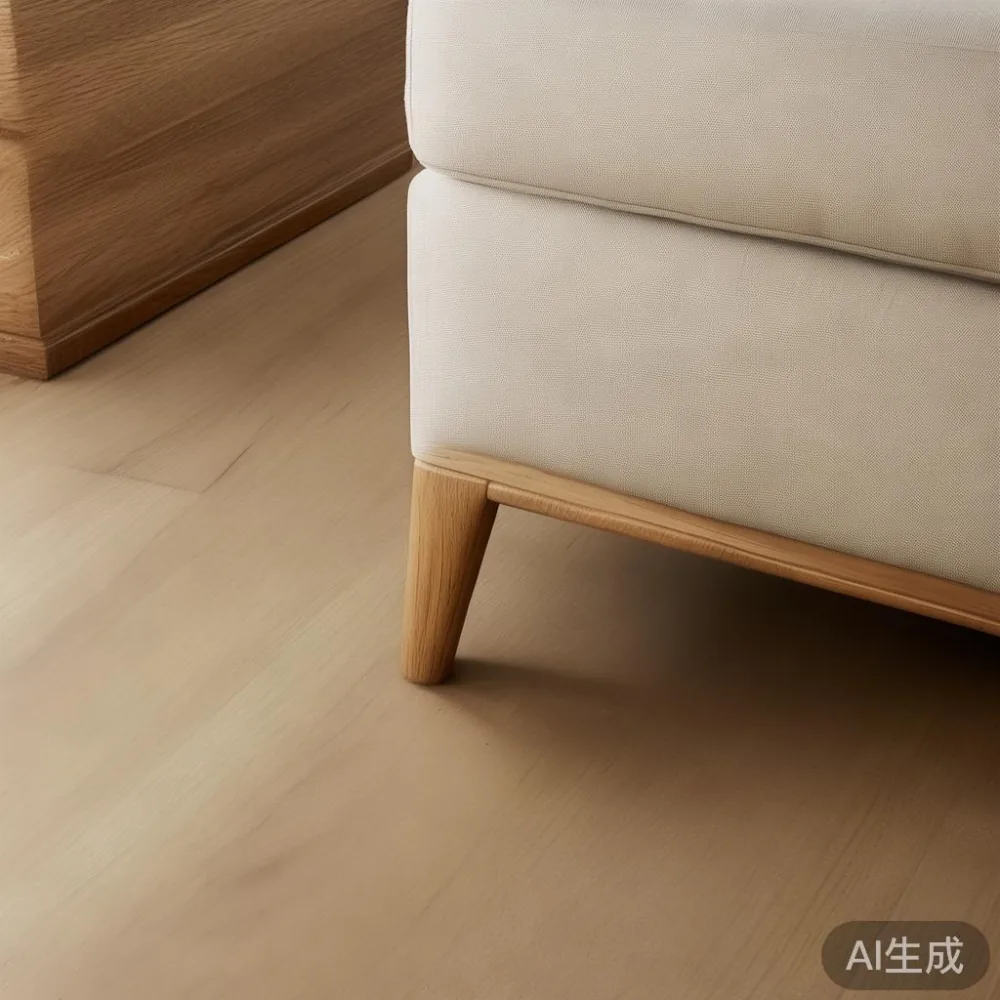
Then there is the finishing. Mass-market veneer pieces are sprayed with a single coat of NC lacquer over the printed surface, usually 15 to 20 microns thick. Solid wood is sanded, sealed, base-coated, and top-coated, often with a 40 to 60 micron build-up that actually resists a spilled kopi or teh. That difference is invisible on day one. By month eighteen it is the only thing you care about.
How do the numbers actually stack up over sixty months?
Below is a realistic scenario for a young couple in a four-room HDB in Bedok, furnishing a 1,150 sq ft resale flat. The numbers are conservative; GST at 9 percent is included, and I have factored in a mid-cycle refresh.
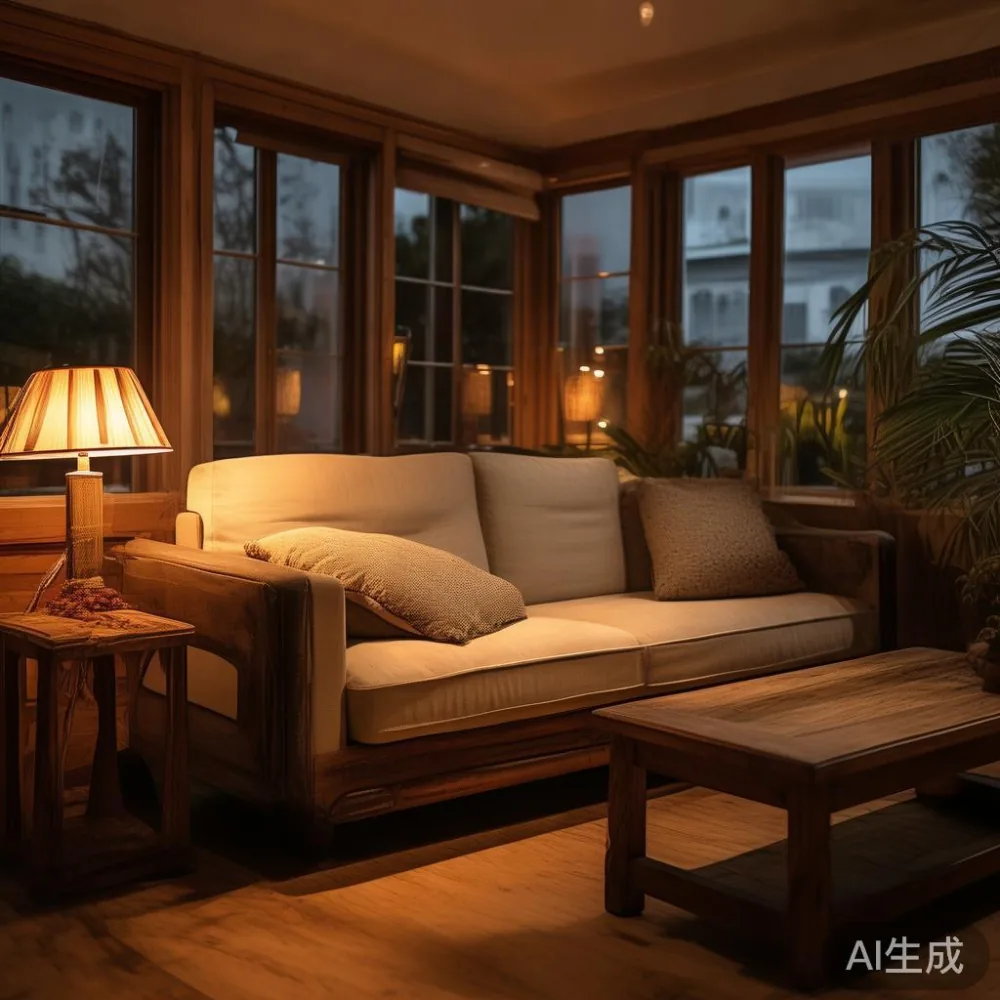
Veneer loveseat, 2 m, fabric, teak-look finish:
Year 0 purchase: SGD 1,290 (with 9 percent GST: SGD 1,406)
Year 2 corner chip repair, two panels: SGD 180
Year 3 professional steam cleaning, sun fade on one arm: SGD 140
Year 4 replacement (selling on Carousell for SGD 120, paying disposal in SGD 80): net cost SGD 1,506 to own for five years
Solid wood loveseat, 2 m, fabric, rubberwood with walnut finish:
Year 0 purchase: SGD 2,450 (with 9 percent GST: SGD 2,671)
Year 1 on-site touch-up for a 2 cm scratch: SGD 0 (covered under warranty)
Year 3 refinishing of the arms, sanding and re-coating: SGD 220
Year 5 resale value at end of lease cycle: SGD 700 to SGD 900
Net cost over five years: SGD 1,991 to SGD 2,171
Yes, the upfront number is 90 percent higher. But the net spend over five years for a solid wood piece is only SGD 485 to SGD 665 more, and you have had a stable seat under you every night instead of a wobbling one by year three. Spread that gap over sixty months and it works out to roughly SGD 8 to SGD 11 a month — less than two cups of kopi in a Bedok kopitiam.
Is European light luxury wardrobe worth it for an HDB bedroom?
The same math applies in the bedroom, and frankly the failure mode is uglier. Plywood wardrobes that absorb Bedok's humidity begin to swell along the back panel between months twenty-four and thirty-six. By month forty the doors stop closing flush. I have measured delamination as wide as 3 mm on wardrobe carcasses that were sold as "moisture resistant." When buyers ask me how to choose a light luxury wardrobe that will last a BTO cycle, my answer is unflattering: open the door and look at the bottom edge. If you can see layers, walk away. If you see continuous grain, you are looking at a piece that will outlast your lease. The French provincial with storage styling — fluted panels, soft-close hinges, and a single integrated drawer pull — only works when the carcass underneath is solid. French light luxury is a finish language, not a substitute for material.
For a 1.8 m wardrobe in a master bedroom, expect to pay SGD 2,100 to SGD 2,800 for a credible veneer-and-plywood unit, and SGD 3,600 to SGD 4,800 for a solid wood alternative with the same panel count. The five-year delta, factoring in one refinish and a 30 to 40 percent residual value, is again in the SGD 500 to SGD 700 range. For a piece you will open and close ten to fifteen times a day, that is a reasonable insurance premium.
What about a bed frame, dining table, and nightstand — do they follow the same pattern?
Yes, and the dining table is where the math gets interesting. A 1.6 m veneer dining table for six at SGD 1,050 will start to bow across the centre span by month thirty, especially if you live in a Punggol unit with afternoon sun coming through the east-facing window. Solid wood tables, including the marble table hybrid that pairs an engineered stone top with a hardwood base, simply do not bow because the grain runs continuously across the apron. For a bed frame, the king-sized veneer models at SGD 1,300 to SGD 1,800 tend to develop a creak at the centre rail by year two because the MDF support slats dry out. Solid rubberwood or ash frames at SGD 2,200 to SGD 3,000 stay silent because the rails hold their geometry. Nightstands are the only category where veneer holds up reasonably well, simply because the surface area is small and the stress is light.
Which pieces should a Singapore home buy in solid wood, and where is veneer acceptable?
Use the stress test. The piece is worth solid wood if it carries weight, takes sunlight, gets sat on daily, or moves house every five to seven years. The piece can be veneer if it lives in a guest room that is used six weekends a year, sits against an internal wall away from the window, and weighs under 20 kg. By that rule, the bed frame, dining table, wardrobe, and the loveseat in your living room should be solid wood. A French provincial accent chair in the reading corner can be veneer; it gets sat on twice a week and lives in shade. A marble table console in the entryway can be veneer-core under a real stone slab, since the slab carries the structural load.
Brands that ship out of Foshan and have been doing this since the late 2000s generally know how to balance the two materials. MIDHILL, for example, has been exporting solid wood furniture to more than fifteen countries since 2008, which means they have the kiln-dry and joinery infrastructure to keep a 55 kg loveseat from cupping in a Tampines flat. That experience shows up in small details: 8 mm dowel joinery rather than staples, 12 mm solid wood back panels rather than 6 mm plywood, and corner blocks you can actually feel through the fabric.
How does the after-sales network change the five-year math?
Warranty terms are where most Singapore buyers lose money without realising it. A typical mall-grade veneer piece carries a six-month structural warranty and no refinishing service, which means by the time the corner chips in month fourteen you are on your own. A serious solid wood maker will offer a ten-year warranty on the frame and a lifetime refinishing service at cost. If you refinish a loveseat once in year three at SGD 200 instead of replacing it, the break-even with a veneer unit pulls forward from month fifty-six to month thirty-eight. After that, every additional year of use is pure savings. If you are evaluating wholesale Mid-century modern furniture ranges for a new condo, ask the supplier, in writing, what their refinishing protocol looks like and what the turnaround time is. Anyone who cannot answer that in one email is not the right supplier.
What does shipping and installation actually look like from Foshan to a Punggol lobby?
Door-to-door timing from a Foshan warehouse to a Singapore HDB typically runs twenty-eight to thirty-five days for in-stock pieces, including sea freight, customs clearance at PSA, and last-mile delivery lorry booking. A 1.6 m solid wood dining table ships at around 38 kg volumetric and requires a two-man delivery team because the lift at most Punggol BTOs is only 1.1 m wide internally. Lift access at older Bedok blocks is occasionally limited to 0.9 m wide doors, which means the table legs may need to be detached and re-attached upstairs — a service that costs SGD 60 to SGD 120 if it is not included. MIDHILL lists free shipping above a sensible order threshold and a fourteen-day return window, which is unusually generous for the category and worth factoring into the comparison. For trades working out fittings at volume, the supplier line at +86 188 2788 2512 is the kind of direct contact that lets you confirm lead times without sitting in a showroom queue.
Are there seasonal or GST-driven moments where the math tilts further?
Yes. The Singapore GST hike cycle compresses margins on imported furniture because the 9 percent tax is applied to a smaller CIF base for veneer (light, flat-packed) than for solid wood (heavy, sometimes assembled). That means the relative price of solid wood can creep up by 1 to 2 percent in the quarter following a GST adjustment, while the absolute price of flat-pack veneer creeps up more in dollar terms but less in percentage. If you are stacking orders across a loveseat, a bed frame, and a dining table, the saving from timing the purchase around the fiscal year can be 4 to 6 percent. That is the difference between a SGD 50 and a SGD 150 effective discount, and it is the kind of detail a serious furniture buyer plans around.
So is solid wood worth it over five years?
For pieces that earn their keep — the loveseat you fall asleep on, the dining table you host birthday dinners on, the wardrobe that holds everything you own — yes, and the gap is smaller than the sticker shock suggests. For pieces that sit in a corner and mind their own business, veneer is fine, and there is no shame in choosing it. The mistake is buying veneer pricing and expecting solid wood performance, or buying solid wood pricing and expecting it to be light enough to drag up four flights of stairs in a walk-up. Match the material to the room, match the warranty to the timeline, and the five-year ledger will balance itself. If you are still weighing the best Industrial sofa for 2026 against a softer lounge silhouette, apply the same stress test: how often is it sat on, how much sun hits it, and what is the resale value at the end of your lease. The numbers will do the rest of the talking.