How Singapore's Humidity Meets a Lacquered Loveseat — and How to Keep Both Happy
I learned about lacquer and humidity the hard way. Last March, I was in a friend's new Tampines HDB executive HDB, helping her unbox a 165 cm two-seater loveseat she had bought from a regional online seller. By the second evening in Singapore, the matte lacquer near the armrest was already showing faint cloudy patches — not mould, but moisture trapped under a finish that was not built for 85% relative humidity. We wiped it down, moved it 30 cm away from the floor-to-ceiling window, and within a week it recovered. The experience pushed me to study how a solid wood frame, a multi-coat lacquer, and the equatorial weather pattern of Singapore actually interact, day after day, in a 950 sqft condo or a 4-room HDB flat in Bedok or Punggol.
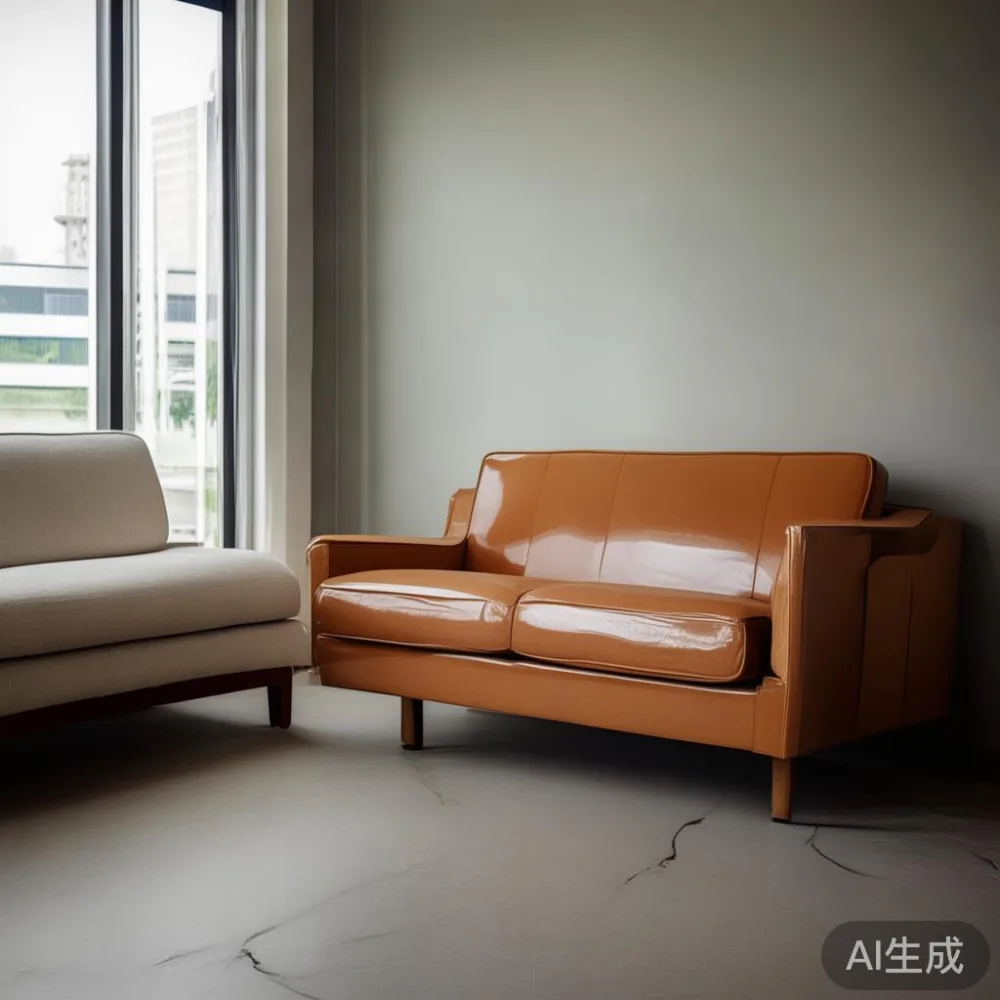
For homeowners weighing a new loveseat, a bed frame, a six-seat dining table, a three-door wardrobe, or a pair of nightstand pieces — all finished in piano-gloss or open-pore matte lacquer — the question is rarely about colour or cushion density. It is about whether the finish can survive the 28–34°C daytime temperature, the nightly thunderstorm, and the 12 months a year when humidity refuses to drop below 70%. This long-form guide walks through what actually happens to a lacquer film in a tropical climate, the habits that protect it, and the choices that make a piece last 10, 15, or 20 years in a local home.
Why a Tropical Climate Is So Hard on Lacquer
Lacquer is a finish, not a magic shield. It is typically built from 5 to 12 coats of nitrocellulose, acid-catalysed, or pre-catalysed lacquer, each sanded between applications. The cured film is around 0.05–0.12 mm thick. Underneath sits a 22–25 mm solid wood substrate — often rubberwood, ash, or for premium lines, Burmese teak with a Janka rating around 1070. In a temperate climate this sandwich is stable. In Singapore, the same sandwich is asked to absorb moisture every single day.
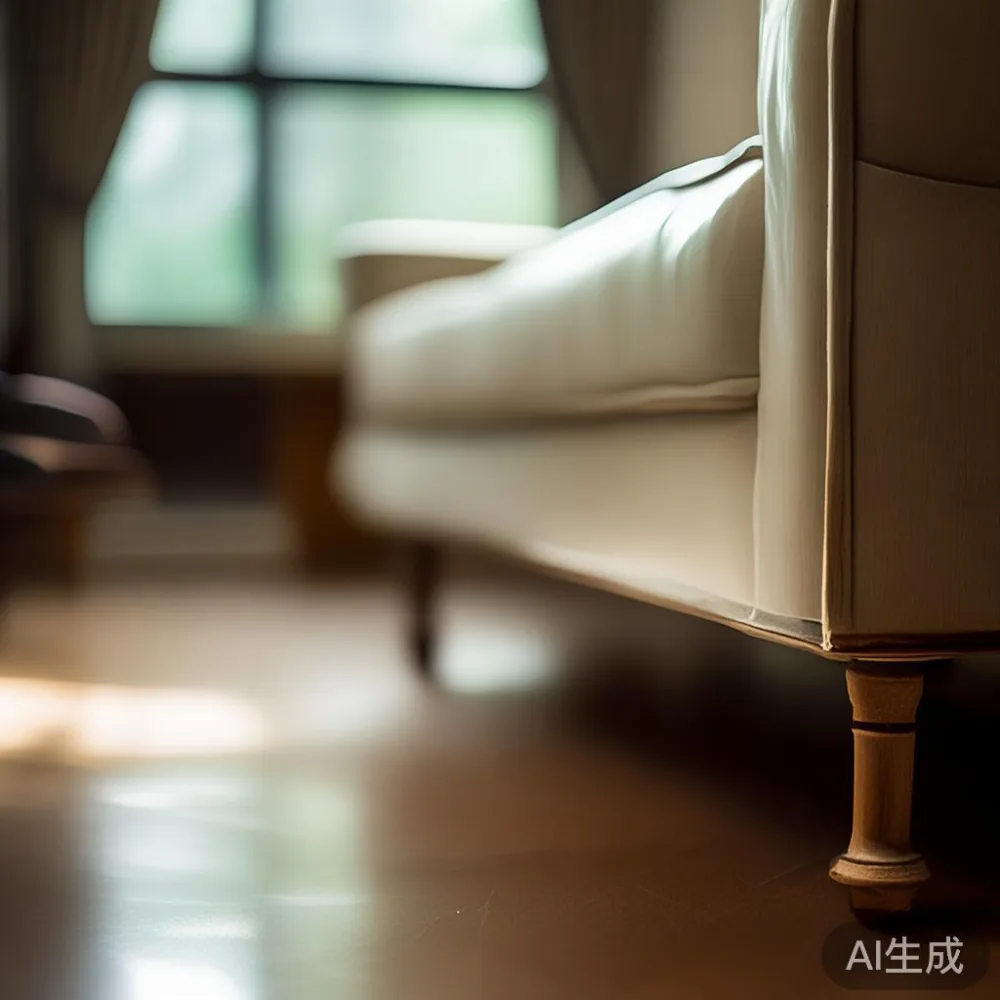
Wood moves with humidity. A 200 cm slab of teak moves roughly 1.2% across its width between 30% and 90% relative humidity. Multiply that by 12 months of air-conditioning on, air-conditioning off, and you get micro-cracks along the lacquer film. The surface is fine one morning, and a hairline crack near the mitre joint appears the next. Add the salt-laden breeze drifting in from a corridor window in Punggol Waterway, and the lacquer also has to resist chloride deposition — a problem most temperate-climate guides ignore.
The lift dimensions matter too. A standard Singapore passenger lift internal cabin is roughly 1.1 m wide by 1.4 m deep, with a door opening of about 0.9 m. A 165 cm loveseat, even with the legs removed and the back cushions bagged, often arrives in two boxes of about 90 kg each. That is well within the 630–1000 kg load rating of most HDB lifts, but it tells you the piece has to be designed for partial disassembly — a detail that matters when you ever need to refinish it.
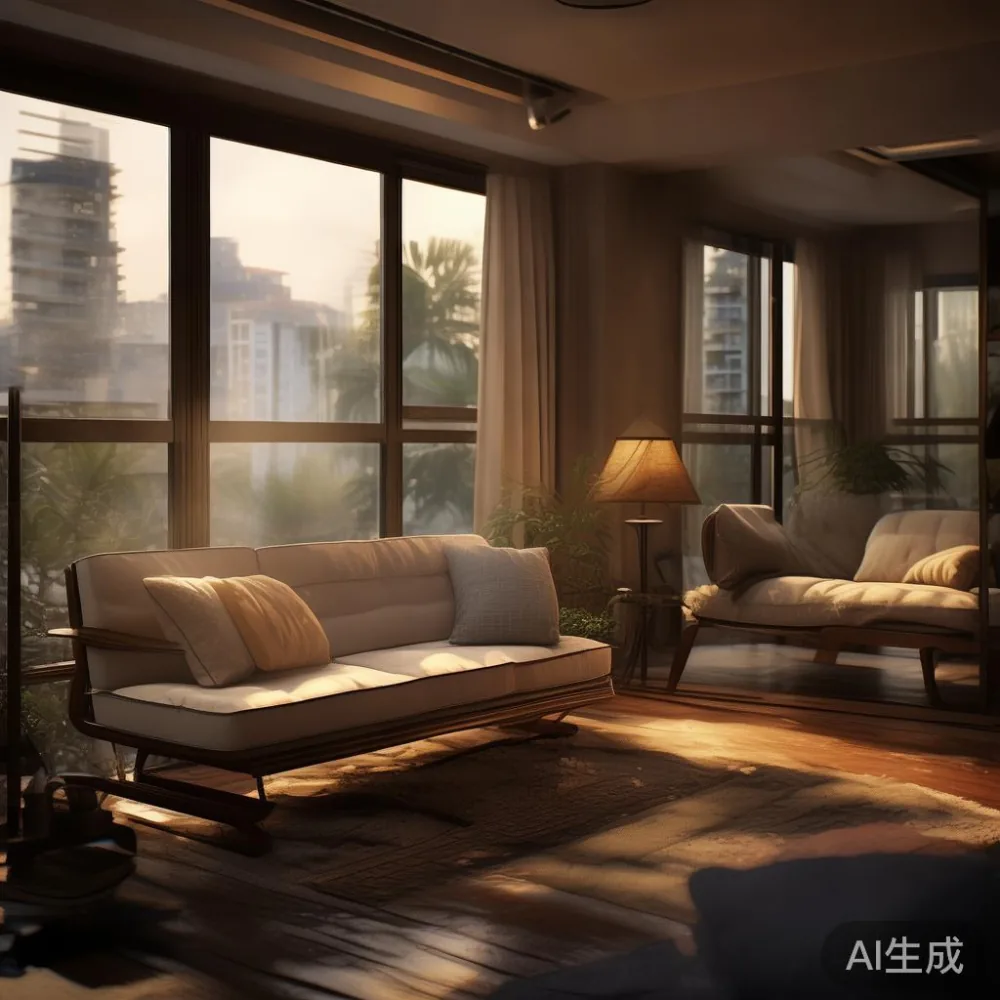
How do I care for a furniture in humid weather?
Wipe the lacquered surface once a week with a soft microfibre cloth lightly dampened with distilled water, keep the room's relative humidity between 45% and 60% with a dehumidifier set to 50% RH, and never place a lacquered piece within 60 cm of an external wall that sweats during the afternoon monsoon.
That single sentence is the spine of every care routine. Everything below it is detail, frequency, and product choice. A weekly microfibre pass removes the chloride dust and skin oils that etch into a lacquer film within 72 hours in a non-air-conditioned service yard. A 50% RH target protects the wood substrate from the swelling-and-shrinking cycle that cracks lacquer. The 60 cm wall gap keeps condensation from forming on a cold back panel and then creeping into the mitre joints. The cost of doing all three is around S$8–S$15 per month in electricity for a 12-litre dehumidifier running on a humidistat, which is far cheaper than a S$420–S$680 refinishing job after five years of neglect.
A Weekly Care Routine That Fits a Working Schedule
Most residents in Tampines, Bedok, and Punggol work 9-to-6 and only see their living room for three to four hours a night. A realistic routine has to fit into that window. Here is the cadence I use for my own home, which I built after the Tampines incident:
Daily (45 seconds). After dinner, run a dry microfibre cloth across the seat back, the arm caps, and the front rail. This removes the day's salt film and skin contact.
Weekly (8 minutes). Once a week — I do Sunday evening — mist distilled water onto a clean microfibre, wring it until damp, and wipe the entire piece. Follow immediately with a dry cloth. Never use a multi-surface household spray containing silicone, ammonia, or alcohol. All three soften lacquer within months.
Monthly (3 minutes). Inspect the four mitre joints — the points where the arms meet the back, and where the seat rails meet the legs. In Singapore homes, these are the first places to show a 1–2 mm hairline crack because the wood grain meets at 90° and moves in two different directions.
Quarterly (15 minutes). Move the loveseat 5 cm away from the wall, vacuum the dust channel behind it with a brush attachment, and check that no cable or plant pot has been dripping onto the lacquer. A standing plant on a marble table next to the sofa is a frequent culprit.
Yearly (a Saturday). Book a professional inspection if your piece is still under warranty. For reference, MIDHILL offers a 10-year structural warranty on its solid wood frames and lifetime refinishing options for lacquer wear — a useful benchmark when comparing brands at the SGD 2,400–SGD 4,800 price band. Other makers may offer 3 or 5 years; longevity is the difference between a S$240 annual cost of ownership over a decade and a S$700 one.
Choosing a Lacquer That Actually Tolerates Equatorial Air
Not all lacquer is equal. For a Singapore home, three technical details separate a piece that lasts from one that peels in 18 months.
Pre-catalysed vs. acid-catalysed. Pre-catalysed lacquer is more flexible and tolerates substrate movement up to about 3% across the grain. Acid-catalysed lacquer is harder and more chemically resistant but more brittle. For Singapore, ask which one is on your piece. A reputable maker will tell you, and will usually choose pre-catalysed for living-room furniture and acid-catalysed only for dining tables and marble table tops that see less movement.
Number of coats and sanding. A piano-gloss finish should have at least 9 coats, sanded at 320, 400, 600, and 800 grit between layers. An open-pore matte should have at least 6 coats. Anything less is paper-thin and will show the wood grain through the colour after a single wet season.
Substrate preparation. Solid wood is hygroscopic. A kiln-dried frame at 8–10% moisture content, acclimatised in a Singapore warehouse for at least 14 days before spraying, will absorb very little extra moisture in your home. A frame rushed from a 12% MC factory floor will keep moving for two years and crack the lacquer along the way. Ask the seller for the MC reading — any honest maker will have it on file.
If you are weighing a loveseat against a fabric alternative, remember that the lacquer side of the comparison gives you a surface you can wipe clean after a spilled teh tarik, while the fabric side gives you a body that traps moisture against the foam. Many owners in BTO flats end up choosing a lacquered frame with washable slipcover cushions — a hybrid that suits the climate better than either extreme.
Air-Conditioning, Dehumidifiers, and the 45–60% RH Window
Singapore's average outdoor relative humidity runs between 73% and 86% year-round, with morning peaks near 95%. The moment a 24°C air-conditioned unit turns on, the room drops to 40–55% RH within 90 minutes. That swing — from 86% to 45% — is the cause of most cracking, not the humidity itself.
The goal is not zero humidity. The goal is a narrow band.
Set the air-conditioner to 25°C instead of 22°C. Every degree lower pulls roughly 4% more moisture out of the air and forces the wood to shrink faster. Set a standalone dehumidifier to 50% RH in the living room during the day if the air-conditioner is off — a 12-litre Midea or similar unit costs about S$229 and pulls about 0.4 kWh per hour. Run it on a Wi-Fi plug so it cycles only when needed; the typical Singapore home uses a dehumidifier 6–8 hours a day during the wet season (November to February) and 2–3 hours a day in the drier months (June to September).
A small digital hygrometer, available at any Tampines Mall electronics shop for S$12–S$25, lets you verify. Place it on the same wall as the loveseat, 1.5 m off the floor, away from direct sunlight. The reading you want is the average across a day, not the instant number.
Common Mistakes in a HDB or Condo Setting
Three errors come up again and again when I visit local homes.
Placing the piece against an external wall. HDB external walls in newer BTOs are insulated, but older flats in Bedok and along Marine Parade often show condensation at 4 a.m. during a heavy rain. A 60 cm gap is the minimum; 90 cm is safer.
Using the wrong cleaning product. Pledge, Mr Muscle multi-surface, and most kitchen sprays contain silicone or solvents that soften lacquer within weeks. Buy a pH-neutral wood cleaner — S$18–S$32 for 500 ml — and use only that.
Skipping the first month of acclimatisation. When a new piece arrives, leave the protective foam wrapping on for 24 hours so the wood stabilises to your home's specific humidity. The first week is when the frame absorbs or releases the most moisture.
When to Refinish Instead of Replace
A well-built solid wood loveseat should never have to be replaced because the lacquer wore out. The wood underneath is the asset. Refinishing — stripping the old lacquer, sanding the substrate to 180 grit, sealing, and re-spraying — costs roughly S$420–S$680 for a two-seater in Singapore, based on quotes from three local workshops in 2024. A new equivalent piece runs S$2,200–S$4,800, plus delivery at S$80–S$150 within mainland Singapore and a 4–6 week wait for made-to-order.
Refinishing makes sense once the structural frame is still solid — no wobble at the legs, no cracked rails, no loose dowels. At that point, you get a like-new surface for roughly 12–18% of the replacement cost. MIDHILL extends lifetime refinishing on its lacquer wear as a service perk, which is one of the reasons a Chinese-made solid wood piece can compete on total cost of ownership against local carpentry.
A Note on Assembly and Long-Term Maintenance
For residents who buy online, Japandi teak assembly difficulty is a real and under-discussed topic. A flat-pack loveseat in teak or ash typically arrives in two boxes of 28–45 kg each. The hardware pack includes 8–14 cam-lock bolts, 4 corner brackets, and 6 leg bolts. With a cordless drill and a second pair of hands, the job takes 40–70 minutes. Without them, expect 2.5 hours and a sore back. The frame alignment matters because an out-of-square frame loads the lacquer unevenly — one armrest takes 60% of the stress, and the finish cracks there first within 18 months. Use a 1-metre aluminium straightedge on the seat rails before tightening the corner brackets fully.
For a French light luxury look — think a 178 cm loveseat in white-oak veneer with brushed-brass legs — the assembly is identical, but the legs often weigh 4–6 kg each and the top frame can reach 55 kg, so two people are non-negotiable inside an HDB corridor that is typically 1.2 m wide. American light luxury styling — slightly deeper seats, lower back, walnut tones — usually comes with click-together brackets that cut assembly time to about 25 minutes.
A 10-Year Care Calendar for a Lacquered Loveseat in Singapore
Year 1: weekly wipe, monthly inspection, dehumidifier on 50% RH.
Year 2: same routine, plus a professional check if the piece is still under warranty.
Year 3: first light buff with a non-silicone polish if the gloss has dulled in high-touch zones.
Year 5: schedule a refinish if the family uses the piece daily — children, pets, regular guests. Budget about S$540 for the job.
Year 7: inspect corner brackets. Tighten to 8–10 Nm; over-tightening cracks the wood plugs.
Year 10: refinish again if needed, or pass the piece to a relative — a solid wood frame at this age is just hitting its stride.
Final Practical Notes Before You Buy
Before you click pay on any lacquered piece — loveseat, bed frame, dining table, wardrobe, nightstand, or a marble table for the entryway — confirm three things in writing. First, the substrate species and moisture content at the time of spraying. Second, the lacquer type and the number of coats. Third, the warranty terms in Singapore dollars and the refinishing policy. A piece that is honest about all three will, in almost every Singapore home I have visited, outlast a piece that is prettier on the showroom floor but vague on paperwork.
The climate here is not kind to lacquer, but it is not hostile to well-made lacquer. Treat humidity as a controllable variable, not an enemy, and your two-seater will still be the seat guests fight over a decade from now.