A 5-Year Cost Comparison: Veneer vs Solid Wood Loveseats in Singapore
Choosing a loveseat for a Singapore HDB flat or condo is rarely just a matter of appearance. The purchase must fit the lift, corridor and living room, while remaining comfortable through humid weather and repeated daily use. Veneer and solid wood offer different financial paths. A veneered loveseat may require less outlay and less floor space. A solid wood loveseat may need more maintenance, but its repairability can improve its 5-year value.
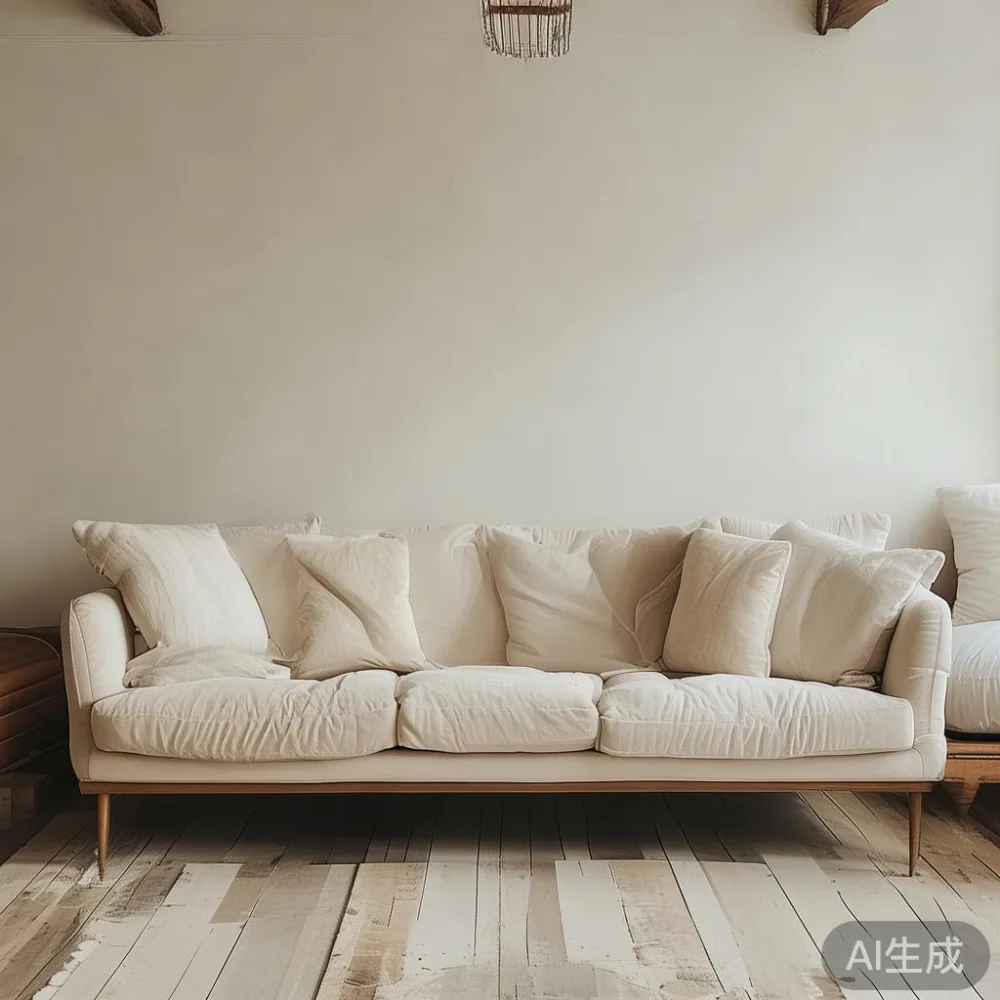
This comparison uses realistic Singapore figures for furniture priced around SGD 1,800–SGD 3,200. The examples include delivery, GST, replacement components, care products and expected resale value. They also consider common dimensions such as a 140 cm wide loveseat, a 95 cm deep frame and a lift doorway measuring 90 cm wide by 210 cm high. GST is treated at 9% where applicable.
What is the real 5-year difference between veneer and solid wood?
Across 5 years, the difference is usually about SGD 420–SGD 1,050 for a typical Singapore loveseat. That range depends on the starting price, the species of wood, the thickness of the solid frame and whether the seat cushions can be re-covered or re-filled.
Consider a veneered oak-effect loveseat at SGD 1,880 including GST, delivered in 7–10 days. A matching solid oak loveseat might cost SGD 2,780 including GST and arrive in 14–21 days. Over 5 years, the solid wood example could require SGD 260 less in repair and refinishing work while retaining SGD 320 more resale value. Its total 5-year cost would therefore be SGD 420 lower despite the higher purchase price.
That is not automatic. A low-cost veneer unit with particleboard beneath a printed face can be weaker than a properly made solid wood frame. The quality of joinery, suspension and moisture control matters more than the label on the sales page.
How much does a veneer loveseat cost in Singapore?
A practical veneer loveseat in Singapore generally falls between SGD 1,450 and SGD 2,300 including GST. A 140 cm model with a kiln-dried hardwood frame, foam seat cushions and woven or upholstered back can sit near SGD 1,880. A wider 160 cm version may reach SGD 2,280.
Delivery within Singapore commonly adds SGD 60–SGD 180 for a standard HDB delivery, although some sellers absorb the charge above a stated order threshold. Lift access must be confirmed before dispatch. A sofa body wider than 90 cm may still enter a lift diagonally, but the packaged dimensions should be checked rather than assumed.
During the first 5 years, a reasonable veneer allowance might include:
- SGD 80–SGD 160 for one professional cleaning and stain treatment.
- SGD 60–SGD 140 for tightening or replacing a loose seat cushion cover.
- SGD 90–SGD 220 for minor frame or suspension work after heavier family use.
- SGD 0–SGD 130 for touch-up supplies, provided the finish is compatible with the original coating.
The likely maintenance total is SGD 230–SGD 650. Veneer can chip or peel at exposed edges, particularly where children or pets use the armrests. High-quality veneer with sealed edges has better resistance, but exposed composite board remains vulnerable to moisture.
The “European sofa vs Nordic sofa” distinction can also affect the finish selection. European-inspired upholstery with carved timber details may show edges more clearly, while a restrained Nordic profile can hide small surface marks. Neither style makes veneer maintenance irrelevant.
For compact rooms, searching Japanese for small living room ideas often reveals 120–140 cm loveseats rather than full 3-seater sofas. A 135 cm loveseat with an 88 cm depth may allow a 60 cm circulation route behind it in a compact Tampines or Punggol flat. Actual measurements must be taken from the wall, skirting and any balcony doors.
How much does a solid wood loveseat cost over 5 years?
A solid wood loveseat with a hardwood frame generally costs between SGD 2,250 and SGD 3,600 including GST in Singapore. Oak gives a warm, visible grain, while ash or beech creates a lighter profile suited to French light luxury interiors. A 145 cm solid oak loveseat priced at SGD 2,780 could include a 10-year structural warranty, yet warranty length should not be mistaken for a full replacement promise for every component.
The 5-year calculation includes the purchase price, delivery, preventive care, one partial repair and resale value. For illustration, assume a solid wood loveseat at SGD 2,780 including GST, delivery of SGD 80, care of SGD 120, a minor repair of SGD 180 and resale value of SGD 620. The effective 5-year cost is SGD 3,040 after allowing for resale proceeds.
A veneered alternative priced at SGD 1,880 including GST, with delivery of SGD 80, care of SGD 90, repairs of SGD 260 and resale value of SGD 300, produces an effective 5-year cost of SGD 2,010. In this example, the solid wood loveseat costs SGD 1,030 more over 5 years even after resale.
Other ownership patterns change the result. A solid wood unit that receives professional refinishing before resale may retain more value. The same solid wood sofa placed in a rented HDB flat may receive fewer refinishing services than one in a private condo owned for 10 years. Density of use and care discipline matter.
When comparing the best Japanese sofa for 2026, look closely at frame material rather than assuming the country of style indicates the construction. Low Japanese-style platforms may use solid timber legs with plywood or engineered-wood panels, and some models rely on cotton batting over a foam core. A solid wood sofa should identify the structural components, not only the visible surfaces.
What maintenance costs should you budget for each material?
Humidity is a defining feature of Singapore’s climate. Outdoor relative humidity often ranges from 70% to 90%, and air-conditioned interiors may sit between 45% and 65%. Solid wood expands and contracts across its grain as moisture changes, while good-quality veneer follows the movement of its substrate if the edges and joints are protected.
For solid wood, place the loveseat away from direct sunlight and leave 8–12 cm from a wall for inspection. Dust with a soft cloth every 1–2 weeks. Avoid silicone-based polish, which can create a patchy film. Use a pH-neutral wood cleaner and a dry cloth immediately afterward.
A reasonable 5-year solid wood maintenance budget is SGD 240–SGD 780. This may cover 2 applications of maintenance oil, one scratch repair and one professional touch-up. Refinishing the entire loveseat would add roughly SGD 450–SGD 1,100, depending on whether the upholstery must be removed. This is why local finishes and repair services should be checked before purchase.
For veneer, the same 5-year budget is often SGD 230–SGD 650, but the risks differ. A peel along a front edge might cost SGD 70–SGD 160 to patch. Swollen lower rails or delamination around fixings can cost SGD 180–SGD 450. If moisture has entered the panel, a cosmetic patch may not solve the structural issue.
Last month I visited my colleague’s 3-room Punggol HDB flat and inspected a 5-year-old timber loveseat she had bought near the start of her tenancy. The visible frame was veneer, while the front legs were solid wood. A water ring near the right arm had lifted the veneer by about 12 mm. A local repairer quoted SGD 185 for the edge repair and SGD 320 for refinishing the entire exposed frame. We also measured the sofa at 142 cm wide and 96 cm deep. It cleared the 90 cm lift door only when turned on its side, so the original delivery team had checked the route before bringing it upstairs. That practical advice is worth repeating: measure both the packaged loveseat and the building access.
Do solid wood and veneer affect comfort and usable space?
Material choice has less influence on comfort than the suspension, cushion density and seat height. A well-built solid wood loveseat may use webbing or sprung supports, while a quality veneer model can use the same system. Check whether the seat has 35–42 cm of usable depth, a cushion height around 43–48 cm and firm support under the front edge.
Solid wood frames can be heavier. A 140 cm solid wood loveseat may weigh 55–85 kg, compared with 40–65 kg for a veneered or engineered-frame version. Two-person delivery may add SGD 90–SGD 220. Lifts rated for 600 kg can usually carry the weight, but operators may impose stricter furniture-moving rules or charge an additional fee.
American light luxury often pairs a solid wood base with generous upholstery. Post-modern light luxury favors cleaner profiles and tactile timber details. French light luxury may introduce rounded arms, tapered legs or a more decorative frame. These styles do not dictate cost over 5 years, but they influence the amount of timber surface that needs care.
Searches for top 10 Mid-century modern furniture often favour tapered legs, exposed timber and compact proportions. A 135 cm solid wood loveseat with a 41 cm seat height can suit that visual language without overwhelming a small living room. Mid-century proportions also work well with the Japanese bed vs Mid-century modern bed comparison, since both rely on clean lines and visual lightness.
For bed frame, dining table, wardrobe and nightstand buyers, the same material lesson applies: visual timber is not always the structural core. A dining table may have solid wood legs with a veneer top. A wardrobe may use veneer panels and hardwood rails. Ask for a component map if durability is important.
What about marble tables, delivery delays and resale value?
Marble table tops introduce a different maintenance calculation because they are neither veneer nor solid wood. A natural marble top can cost SGD 1,200–SGD 3,800 for a dining table, and an evening table may add SGD 450–SGD 1,100. Sealing may cost SGD 120–SGD 260, while a stain or chip repair can add SGD 280–SGD 900. The stone requires specialist care, so compare it as a separate category rather than folding it into either wood price.
Delivery timing also affects the financial comparison. Veneer models are often available in 7–12 days, while solid wood pieces may take 14–25 days. Some solid wood orders are made to order. Delayed occupancy, storage charges and a longer period without a seating option can affect the practical value of the faster option.
Resale is where solid wood often gains ground. Assume the veneered loveseat resells for SGD 280–SGD 430 after 5 years. A cared-for solid wood loveseat may resell for SGD 500–SGD 850, especially with original invoices, care records and a repairable frame. The difference of SGD 220–SGD 420 can offset part of the initial premium.
For a mid-range solid wood loveseat at SGD 2,780, the difference between a 9% GST-inclusive purchase and a resale value after 5 years can be material. Buyers using a home-office allowance should check Singapore’s current tax rules rather than assume either outcome.
MIDHILL was established in 2008 and exports to more than 15 countries, which gives its production network useful experience with different climates. For Singapore buyers, the more relevant questions are local delivery, corridor access, moisture-resistant finishing, spare components and after-sales care. A 10-year structural warranty and lifetime refinishing can support long-term ownership, but customers should confirm what the refinishing service includes and whether freight is chargeable.
Which option offers the better value for a Singapore home?
The veneer loveseat offers the lower immediate cost, lighter weight and faster delivery. It is a practical choice for a first flat, a rental property or a room where frequent moving is likely. The solid wood loveseat offers a more repairable frame, a distinctive grain and stronger resale potential. It is often better suited to a condo or a home expected to remain occupied for 8–10 years.
For a typical 140 cm loveseat, use this decision range:
- Budget below SGD 2,000: veneer can leave more money for delivery and important accessories.
- Budget around SGD 2,400–SGD 3,100: solid wood provides more repair and refinishing options.
- Very humid balcony or sun-exposed location: favour a fully sealed, well-ventilated construction and arrange annual inspections.
- Move within 3 years: factor in delivery, dismantling and reassembly at SGD 180–SGD 550 per relocation.
Do not reduce the comparison to “cheap wood” versus “expensive wood.” Ask for the frame species, panel thickness, edge sealing, suspension method, cushion density, warranty exclusions and finishing schedule. Request photographs of the underside, including fixings and moisture barriers.
For upstairs homes, measure the corridor at 3 points, the staircase turns and the lift car. Add 5 cm to the packaged width for protective packaging and trolley clearance. Confirm whether delivery includes carrying the loveseat to the unit door and whether lift booking is included.
That question about the is European light luxury bed worth it has a parallel answer for loveseats: imported styling does not guarantee superior construction. Local service access and repairable materials can matter more than the origin story. A European-inspired solid wood loveseat is easier to maintain in Singapore if spare fabric, wood and cushion components are available.
How can you calculate the 5-year price before ordering?
Use a simple worksheet with 5 numbers:
- Purchase price including GST.
- Delivery, carrying and lift charges.
- Cleaning, repair and refinishing allowance.
- Expected resale value after 5 years.
- Cost of relocating or disposing of the loveseat.
Effective cost equals the first 4 figures, with resale subtracted. For the examples above, the comparison produced SGD 2,010 for veneer and SGD 3,040 for solid wood. A second solid wood scenario with lower repair costs and SGD 780 resale value reduced the gap to SGD 670. Prices can shift by several hundred dollars through finish, dimensions and cushion specifications.
Check the merchant’s return window, freight terms and treatment of damage. A 14-day return policy allows an initial comfort and access check, but the furniture should be measured before assembly. Keep the packaging for at least 7 days, as some delivery teams require it for transit claims.
A loveseat used every evening should be sat on, not merely inspected. Lie on it for 10 minutes, test the front edge for cushion support and check whether the back angle feels right for the room. For long-term ownership, record the wood finish, fabric batch and hardware references.
There is no single material that suits every Singapore household. A well-made veneered loveseat can serve a compact HDB living room efficiently. A well-finished solid wood loveseat can carry more character, accept more repairs and improve resale value. The sensible 5-year decision depends on the actual room, the expected moving plan and the price of care—not on the material name alone.