Furniture Syle Guide for Warm Minimal Interiors
A warm minimal interior is not the same as an empty room. It uses a restrained palette, clean circulation routes, and a small number of well-proportioned pieces, while warmth comes from solid wood, tactile textiles, soft lighting, and everyday objects. In Singapore, that balance is especially useful in HDB flats and condos where storage, lift access, and room dimensions influence furniture decisions. A loveseat can become the visual anchor of a living room without overwhelming a compact sitting area, provided its width, depth, and finish are measured against the actual space.
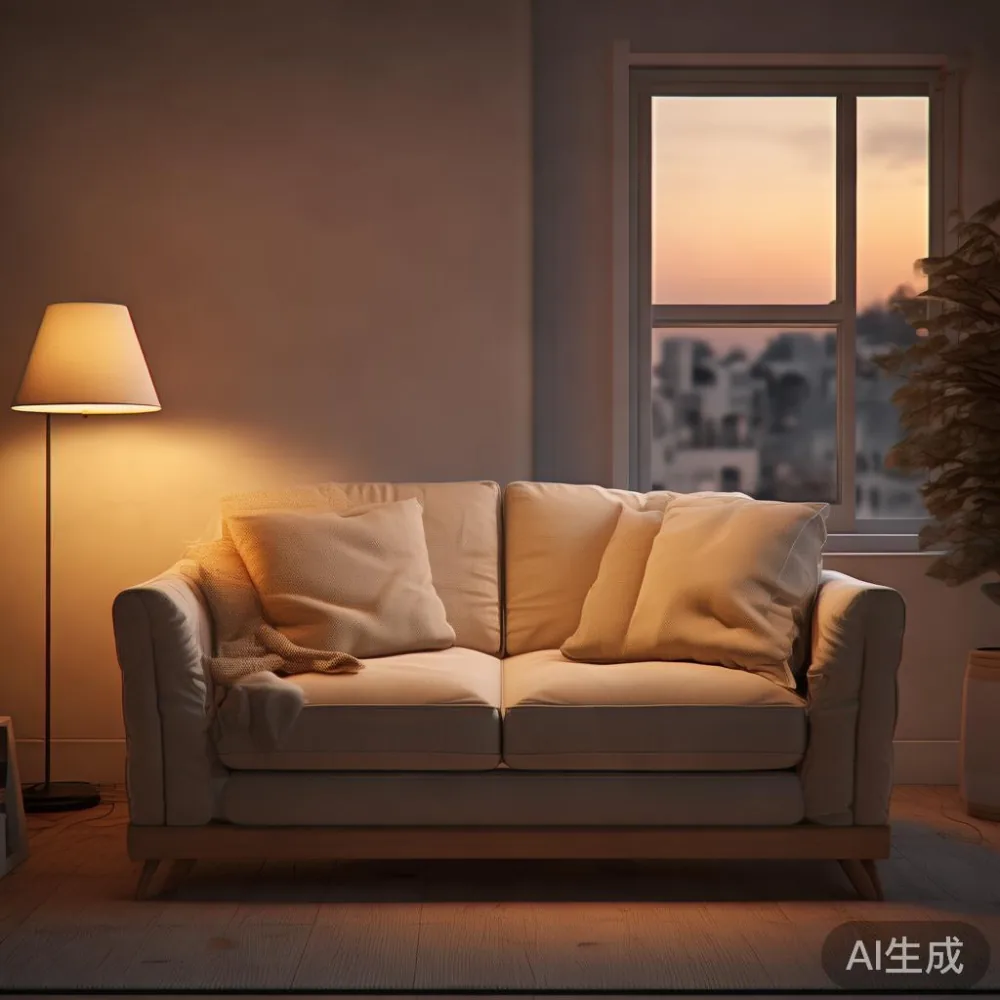
This guide uses practical figures rather than vague style rules. Measurements are given in centimetres, common product dimensions are expressed in centimetres, and local prices use SGD. GST is treated as a separate charge when discussing delivered pricing, because Singapore displays prices before tax while household budgets often include it.
What makes a warm minimal interior work in a Singapore home?
Warm minimalism depends on contrast. Pale walls, approximately 70–80% of the visual field, can be balanced with wood tones that occupy 15–25%, while textiles, lamps, ceramics, and art make up the remaining 5–10%. This is a visual guide, not a fixed paint formula. The important point is to avoid making every item pale, because the room can then feel cool and visually flat.
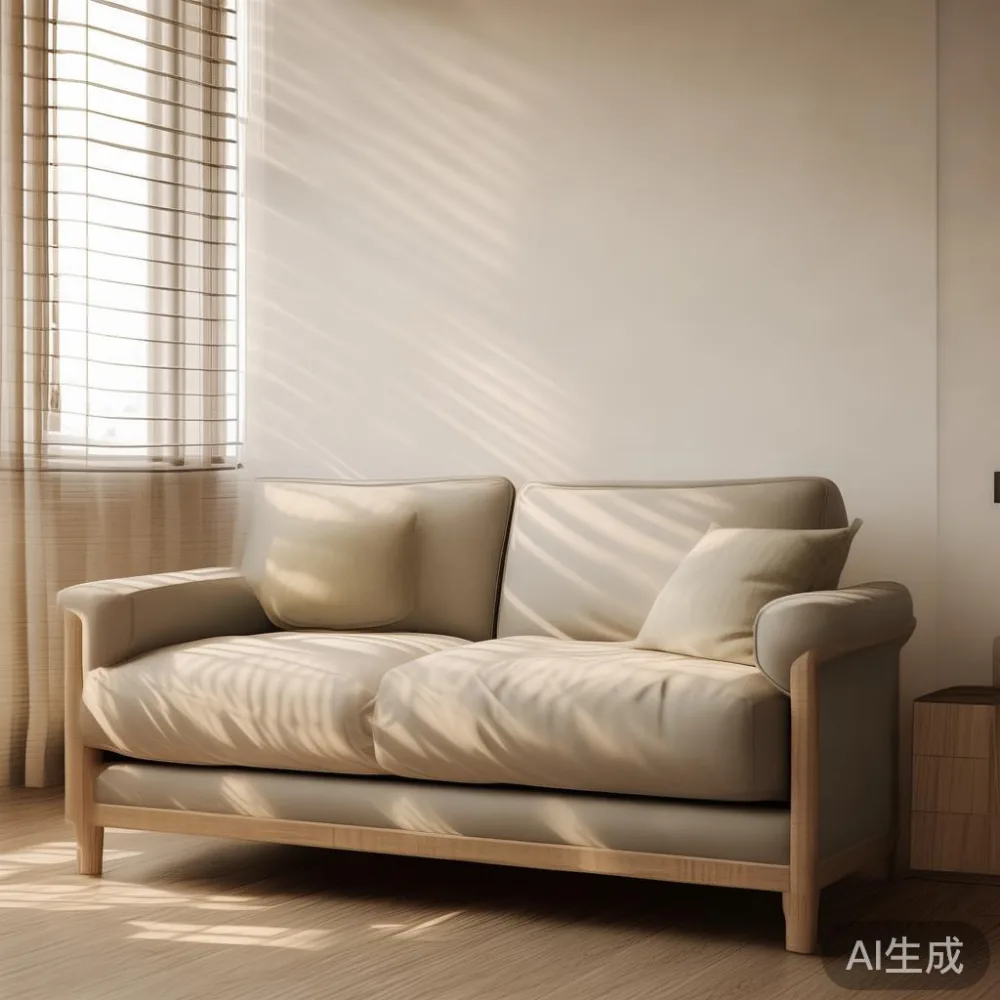
For colour, consider warm white, oatmeal, sand, muted clay, light taupe, and natural oak. A solid wood sofa in an oatmeal or warm beige fabric can sit comfortably against a white wall, while a medium-oak dining table or bed frame adds enough grain and colour to prevent a severe appearance. A marble table introduces a cooler surface, so it works well when paired with warm timber, brass, linen, or terracotta rather than an entirely grey composition.
Scale is equally important. In a Tampines HDB living room, a loveseat around 140–160 cm wide may be more practical than a 190–210 cm sofa if a dining area shares the same room. Keep at least 75–90 cm of clear circulation beside major seating where possible. In Bedok and Punggol condos, a slightly larger 165–180 cm loveseat may suit an open-plan layout, but check the route from the lift to the entrance and from the entrance to the living room.
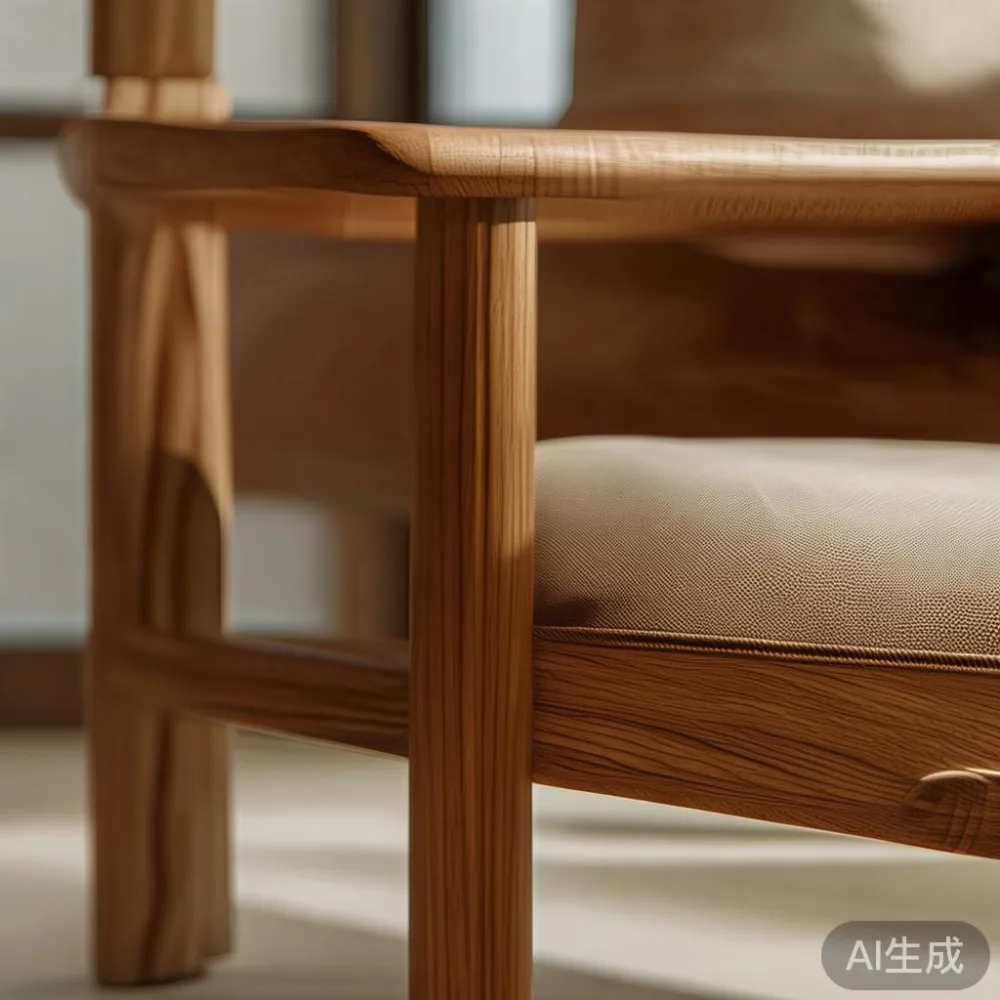
Singapore’s humid climate also affects material selection. Solid wood should be finished with a suitable protective coating and allowed to acclimatise indoors according to the supplier’s instructions. Leave roughly 5–10 cm behind movable pieces for ventilation when manufacturer guidance requires it. Fabric upholstery should be removable or cleanable, and loose covers can make daily maintenance easier in a family home.
How do I choose a loveseat for a compact living room?
Begin with the room, not the product photograph. Measure the wall, the television console, the coffee table, and the intended viewing distance. A loveseat with a seat height of 40–45 cm and a depth of 85–95 cm generally gives a balanced sit-and-recline proportion for adults. A width of 140–155 cm is compact; 155–170 cm gives more elbow room; and 170–180 cm feels generous while remaining smaller than many three-seat models.
Leave about 35–45 cm between a loveseat and a coffee table, and maintain approximately 30–45 cm between the front edge of the seat and a walkway if people need to pass behind it. For a narrow HDB corridor, choose a loveseat that can pass through a lift lobby and building entrance. A boxed or assembled unit with a 75–85 cm depth may be easier to manoeuvre than a deep modular model, although the final packaging dimensions should be checked before purchase.
Check the arm height as well as the width. Low arms can make a small room feel open, while high arms create a more defined reading area. For a warm minimal interior, rounded corners, shallow tufting, and simple lines often work better than heavy carving. If the room has a strong architectural feature, a quieter loveseat lets that feature remain visible.
One real test helped me make this practical. Last month I visited a colleague’s 520 sq ft HDB flat in Tampines and measured a 154 cm loveseat that had looked comfortable in the showroom. In the actual room, the side clearance was only 58 cm because the dining chairs were pushed out. After moving the dining zone 20 cm toward the kitchen, the passage opened to 78 cm and movement felt much easier. This is why showroom scale can mislead: a 10 cm adjustment can change circulation more than a change in fabric colour.
MIDHILL furniture should be evaluated with the same discipline. Ask for the external dimensions, packaged dimensions, weight, seat height, frame material, finish options, and delivery estimate. A solid wood sofa or loveseat with a strong frame may weigh 70–110 kg depending on its size and construction. A heavy piece is not automatically better, but a low, flimsy frame may flex when two adults sit down. Check the supplier’s structural warranty, assembly requirements, and after-sales service before ordering.
Which wood finish and fabric create warmth without adding clutter?
Natural oak, honey oak, light walnut, and smoked oak can each support warm minimalism. Light oak is usually the most flexible in a small Singapore interior because it softens white walls without creating a heavy visual block. Walnut adds contrast and suits a larger room or a darker accent wall. Avoid combining too many wood colours: one main timber tone, used across the bed frame, dining table, or side furniture, creates continuity.
For upholstery, choose a fabric with a visible but restrained texture. Oatmeal, warm grey, mushroom, and light sand are practical starting points. A greige tone can bridge wood and white walls, but very cold grey may make the room feel less inviting. If children or pets use the loveseat, compare fabric rub ratings, cleaning instructions, and replacement-cover costs. A pale solid wood frame can show knocks, so a slightly darker finish or washable seat cover may reduce visible wear.
Add warmth through materials rather than quantity. A linen-blend cushion, one wool throw, a ceramic vessel, and a small lamp can provide texture without filling every surface. Keep cushions to 3–5 on a loveseat, using two larger cushions and one smaller accent rather than a crowded arrangement. The marble table should be treated as a light counterpoint: its cool surface works when it sits near, not against, the warmth of timber and fabric.
For lighting, use at least two levels rather than relying on a single ceiling light. A floor lamp with a 145–160 cm height can define a reading corner beside a loveseat, while a table lamp on a nightstand can soften the bedroom. Choose a warm white light around 2700–3000 Kelvin. In a Punggol or Tampines flat, curtains made from a light, breathable material can soften glare while preserving a simple window treatment.
Can a French provincial or American light-luxury loveseat fit this style?
French light luxury offers a useful route into warm minimalism when its details are simplified. Upholstered forms, curved arms, pale timber, and soft cream fabrics can feel calm, but ornate feet, excessive buttons, and dense trim may make a small room look busy. A French provincial TV console can be kept visually light by choosing a narrow profile, a restrained finish, and only 2–3 doors or drawers. Keep its depth near 35–40 cm where space is limited, and measure the lift before selecting a wide console.
The question “how to choose French sofa” is partly a question of proportion. A French-inspired loveseat with a width of 145–160 cm and a seat depth of 85–95 cm can fit a compact living room without dominating it. Look for curved arms that do not project too far, removable covers, and a frame that can be cleaned and repaired. Decorative elements should support the fabric, not compete with it.
American light luxury tends to use generous proportions, clean profiles, and comfort-focused seating. That can suit a condo living room, but an oversized model may reduce circulation. If comparing American sofa vs Mid-century modern sofa, compare actual external dimensions, not the number of cushions. A 180 cm American-style sofa can have a deep 100 cm seat, while a narrower 160 cm mid-century design may preserve 40 cm of extra floor space. Both can work; the correct choice depends on the room and the distance from the lift.
For smaller rooms, post-modern light luxury is another practical direction. Geometric lines, gentle asymmetry, and a small number of unexpected details can prevent minimalism from feeling plain. Use one accent colour in a cushion or artwork, then repeat it somewhere else in the room. Avoid turning a compact flat into a showroom full of competing statements.
How should a bed frame, dining table, wardrobe, and nightstand work with the loveseat?
A warm minimal interior works best when furniture across rooms shares a common timber tone. A solid oak bed frame with a low profile can make the bedroom feel restful and visually lighter. A bed frame with a headboard height between 95–115 cm is often easier to style than a very tall model, particularly behind a nightstand. Keep around 45–60 cm between the bed and a wall or wardrobe where possible for access and cleaning.
The dining table can anchor the open-plan zone. For a Singapore apartment, a rectangular table measuring 140–160 cm by 80–90 cm often gives enough space for four people while preserving movement around the edges. A round table with a diameter of 100–120 cm can suit a narrower zone, but check chair pull-out space. Allow at least 75 cm from the table edge to a wall or fixed cabinet for a comfortable chair position, and more where a walkway passes.
Wardrobes should be treated as part of the room’s architecture rather than a bulky afterthought. Flat-panel doors, integrated handles, and a light oak or warm white finish support minimalism. A wardrobe that reaches close to the ceiling can reduce visual dust collection, but ensure the doors can open fully and that a bed can be moved into the room. Door swing, corridor width, and lift dimensions matter more than decorative detail.
A nightstand only needs to provide a lamp, a glass of water, and a charging point. A width of 40–50 cm and depth of 35–40 cm is usually enough beside a queen bed. Keep its finish aligned with the bed frame or dining table. In a bedroom, if you are considering how to style Japandi sofa in bedroom, remember that a sofa in that space is a secondary seating piece: use a narrow loveseat or compact lounge chair, leave 60–75 cm around it, and avoid blocking a wardrobe door.
For clothing storage, if you are considering how to style European light luxury wardrobe in apartment, focus on continuity. Light timber doors can sit beside a pale wall, while a muted linen curtain can soften the bedroom’s harder surfaces. Keep the floor visible around the wardrobe, use one warm lamp, and avoid stacking too many decorative boxes on top.
A French provincial TV console can connect the living room to the bedroom or dining area if it shares the same timber tone. Place it within 30–45 cm of the television wall where practical, but maintain access to sockets and ventilation. A marble coffee table or marble side table nearby creates contrast; just keep sharp edges away from a busy route.
What are the practical questions to ask before ordering?
Before paying for a loveseat or larger piece, measure the complete delivery route. Singapore HDB and condo access varies: lift doors, lift interiors, turning corners, corridors, and stairs can each create a restriction. Record the narrowest corridor width, the lift-door width, and the lift’s internal depth and diagonal. A 150 cm loveseat may fit through a wide condo lift but not through a tighter older HDB route if it is packaged as one rigid unit.
Ask whether delivery is curbside or room-of-choice, and whether assembly is included. For a normal Singapore order, allow approximately 5–10 working days for stocked items, but allow 14–21 working days for made-to-order upholstery or custom finishes. Peak moving periods and project deliveries can add time, so confirm the dispatch window in writing.
Budget beyond the item price. If the loveseat is listed at SGD 2,200, a 9% GST would make the taxable amount SGD 198 before tax and the tax portion SGD 178.20, producing SGD 2,378.20 before delivery or other charges. A nightstand at SGD 420 becomes SGD 457.80 with GST. Delivery may add SGD 80–180 depending on access and distance, while assembly may add SGD 60–150. These figures are planning examples, not universal quotations.
Check the solid wood specification carefully. Terms such as solid wood sofa, bed frame, dining table, or wardrobe should identify which parts are timber and which are engineered board, veneer, metal, or fabric. Ask for the species if it is not stated, such as oak, ash, or rubberwood, and request care instructions for Singapore humidity. A 10-year structural warranty is useful, but the wording should explain what is covered and how a claim is made.
Return periods also deserve attention. A 14-day return policy can help if the piece is unsuitable, but confirm whether returns are accepted for made-to-order items, scratched finishes, used upholstery, or custom sizes. For MIDHILL furniture, a furniture specialist can prepare dimensions, finish samples, delivery estimates, and care guidance before a large purchase. Lifetime refinishing is a separate service, so ask about scope, eligibility, and cost rather than assuming every surface is included.
How can lighting, art, and accessories make the room feel lived-in?
Warm minimalism is finished through restraint. Hang one artwork above a loveseat or create a small gallery of 2–3 pieces with generous spacing. A large blank wall can feel calmer than many small objects, while a single warm-toned print can soften a pale wall. Keep the lower edge of artwork around 15–25 cm above the sofa back when using a centred arrangement, but check sightlines for seated guests.
Use a tray, one bowl, and perhaps a small plant on a coffee table rather than several competing accessories. A plant may reach 30–80 cm in height, but its pot should not obstruct a walkway. Curtains should reach close to the floor, with a stack of 8–12 cm or less on each side when practical. This gives the window a finished appearance without adding heavy visual detail.
Colour repetition helps separate zones. Carry the loveseat’s warm beige into a bedroom cushion, or repeat the oak finish on the bed frame and dining table. Keep black metal as a thin outline rather than a dominant colour, and use brass only in 2–3 small places. A marble table is ideal for this controlled contrast because its pale pattern supplies interest without requiring patterned upholstery.
Before the final purchase, walk the route from the lift with the supplier’s measurements written down. Then sit in the loveseat for 15 minutes, check the lighting at evening, and place a cup on the nearest side table. Good design should support the small rituals of daily life. A room that feels warm because it is comfortable, cleanable, and properly scaled will usually age better than one filled with pieces selected only for their visual impact.
What should I remember when matching furniture to a warm minimal interior?
A warm minimal interior succeeds through proportion, repetition, and touchable materials. Start with a loveseat that fits the measured room, choose a timber finish that brings warmth, and connect it to a bed frame, dining table, wardrobe, or nightstand through one repeated colour or texture. Use a marble table as a restrained counterpoint, not as the room’s loudest object.
For Singapore homes, the details around delivery matter as much as the design. Check lift and corridor widths, ask about GST, allow 5–21 working days depending on stock and customisation, and confirm the warranty and returns before placing the order. With a measured layout and a clear material direction, a loveseat can make a compact home feel calm, comfortable, and distinctly warm.