The True Cost of Craftsmanship: Why Solid Wood Furniture Varies in Price
Walking through a furniture showroom in Singapore, the price tags on solid wood pieces can be striking. A loveseat might cost SGD 2,800, while another, seemingly similar model is priced at SGD 1,200. For residents working through the tight corridors of a Tampines HDB flat or the spacious living rooms of a Punggol condo, understanding this difference is more than academic—it’s a practical matter of budget and space. The question isn't just about affordability; it's about value, longevity, and making a piece that fits your life, literally and figuratively. The price of solid wood furniture is not arbitrary. It is a calculated reflection of materials, labour, design, and logistics, with each factor adding a distinct layer to the final cost.
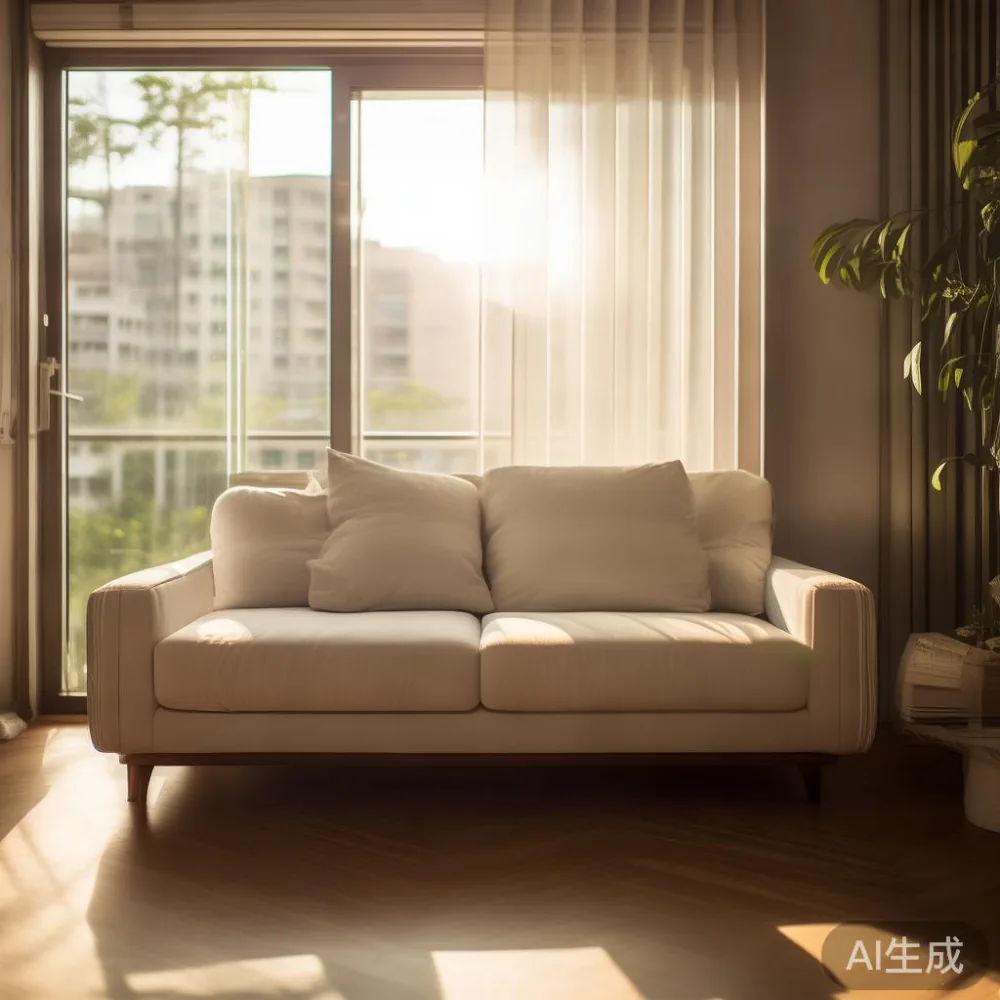
Why is a Solid Wood Loveseat from One Brand More Expensive Than Another?
The most significant factor driving the price of any solid wood furniture, including a loveseat, is the wood itself. Not all wood is created equal, and the species used dictates the material cost from the very beginning. Premium hardwoods like American white oak, European walnut, and North American cherry are dense, durable, and have a rich, consistent grain pattern that commands a higher price. A solid wood sofa made from quarter-sawn white oak will inherently cost more than one constructed from rubberwood or a softer pine. The origin matters too. European woods often come with stricter environmental regulations and higher labour costs, which are passed on. For example, a solid wood dining table crafted from German-sourced oak will carry a different price point than one using Malaysian-sourced timber, even if the species is similar. The thickness of the wood planks is another hidden cost. A sturdy loveseat frame built from 3 cm thick solid wood supports weight far better than one using 1.5 cm planks, but the material cost for the former is nearly double. This is a non-negotiable aspect of quality construction that directly impacts the price and the furniture’s lifespan.
How Does the Design and Manufacturing Process Affect the Final Price?
Once the wood is selected, its journey from raw timber to finished loveseat involves numerous steps that add to the cost. The complexity of the design is a primary driver. A simple, boxy loveseat with clean lines will require less labour to design and manufacture than a piece with curved arms, intricate joinery, or a multi-layered backrest. French light luxury, for instance, often features detailed carvings and plush upholstery, which demand skilled artisans and more hours of work. Post-modern light luxury designs might play with geometric shapes and mixed materials, requiring precise engineering and fabrication. The manufacturing process itself varies greatly. Mass-produced furniture uses machines for almost every step, from cutting to assembly, which speeds up production but can lack the finesse of handcrafted work. In contrast, a brand focused on quality might employ traditional joinery techniques like mortise and tenon or dovetail joints, which are stronger and more time-consuming to create by hand. My colleague visited a workshop last month and observed a master craftsman hand-sanding a solid wood bed frame; the process for a single panel took over 45 minutes, a task a machine could do in seconds. This level of care, while invisible to the naked eye, is embedded in the price and ensures a smoother finish that won’t snag clothing.
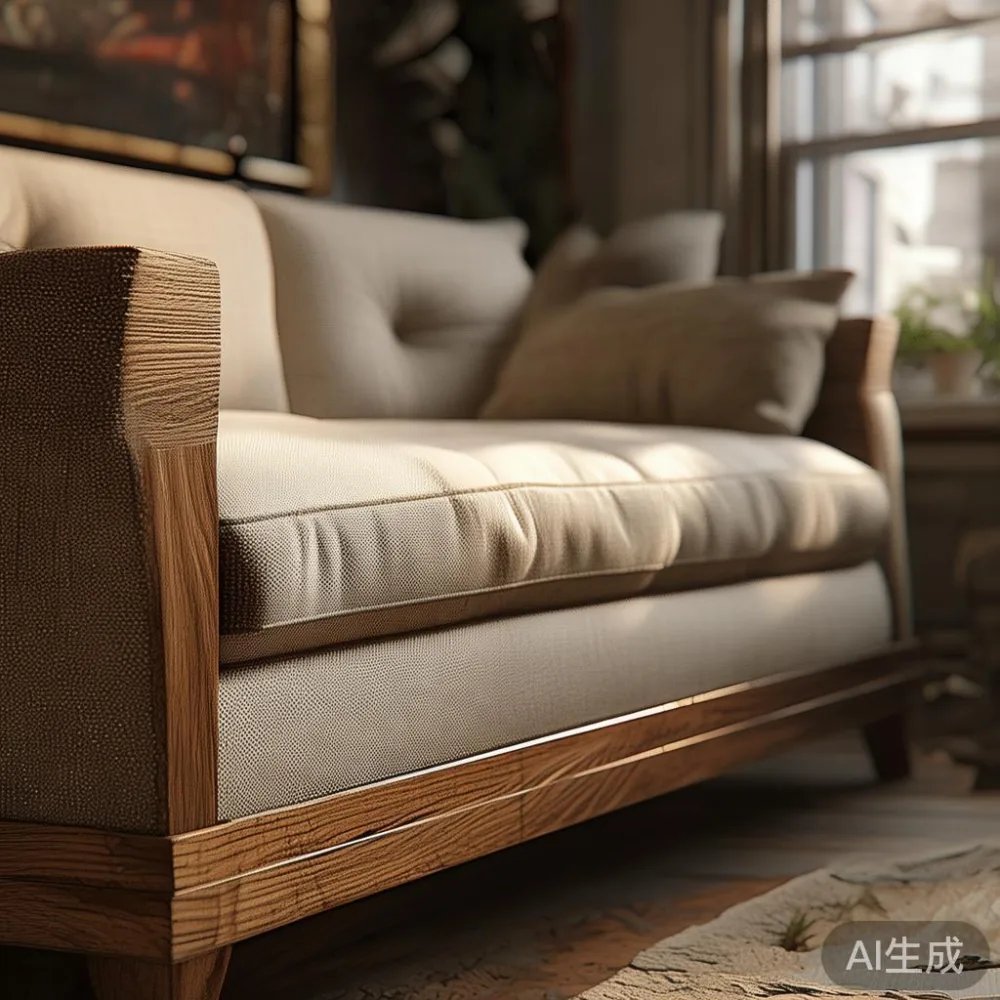
Does the Finish Really Make a Difference in the Price?
Yes, the finish is not just about colour; it’s about protection and artistry. A loveseat with a simple, stained and lacquered finish will be less expensive than one with a hand-applied, multi-layered French polish. The type of finish affects both durability and maintenance. A high-quality, catalyzed varnish creates a hard, water-resistant surface that is ideal for Singapore's humid climate, protecting the wood from the moisture that can seep into HDB flats. Cheaper finishes may look good initially but can peel or yellow over time, especially under the strong sunlight that streams through condo windows in Bedok. The colour and treatment also add cost. A natural walnut finish highlights the wood’s grain, requiring a clear, high-build lacquer. A painted finish, like a popular matte white for a modern look, needs multiple sanding and coating steps to ensure a smooth, flawless surface without brush strokes. For those seeking European light luxury for apartment living, a white-glove finish is often a standard, adding to the piece's refined aesthetic and its price. This attention to detail ensures the furniture looks beautiful for years, not just months.
What About the Costs of Building a Brand and Providing a Warranty?
A significant portion of the retail price covers the brand's reputation and the service promises that come with the purchase. A company like MIDHILL, established in 2008, has spent over a decade building a reputation for quality. This isn’t free. It involves investment in design, quality control, and customer service. When a brand offers a 10-year structural warranty, it is making a financial commitment. They are confident in their construction and willing to stand behind their product for a decade, which requires setting aside resources for potential repairs or replacements. This assurance is a form of value that is factored into the price. Similarly, a lifetime refinishing service is a substantial commitment. It means that if the wood on your solid wood sofa gets damaged over many years of use, the company will refinish it for you. This service ensures the piece can be restored rather than replaced, contributing to a more sustainable lifestyle and justifying a higher initial cost. These services are a key differentiator from cheaper brands that offer limited warranties or none at all.

How Do Logistics and Local Factors in Singapore Impact the Price?
The final price is heavily influenced by the logistics of getting the furniture from the factory to your home. For a Foshan-based company exporting to Singapore, this involves sea freight, customs clearance, and local delivery. The cost of shipping a container of solid wood dining tables and wardrobes from China to Singapore is a major operational expense. This cost is distributed across each piece sold. Once the furniture arrives in Singapore, local factors come into play. Singapore’s Goods and Services Tax (GST) of 9% is added to the final price, which is a significant government-mandated cost. Delivery logistics are unique to the city-state. A standard loveseat might have dimensions of 150 cm wide by 90 cm deep. Delivering this to a new build condo in Punggol with a wide lift is straightforward. However, delivering it to an older HDB flat in Tampines with a narrow lift and a long, winding corridor requires extra labour and potentially specialised equipment to work through tight corners. Companies factor in these potential complexities, including the cost of two-person delivery teams, into their pricing. Free shipping over SGD 350 is a marketing feature, but the cost is built into the price of individual items. A SGD 2,800 loveseat effectively subsidises the shipping of a smaller SGD 400 nightstand.
Is It Worth Paying More for a Solid Wood Loveseat?
The value of a higher-priced loveseat becomes clear when you consider its lifespan and its role in your home. A well-made solid wood loveseat is an investment. It is designed to be a permanent fixture, not something to be replaced in three or four years when it starts to wobble or the finish wears off. Its durability means it can withstand daily use and even be passed down. For a family in a Singapore condo, a loveseat is often the centrepiece of the living room, used for relaxing, reading, and hosting guests. A piece that remains stable and comfortable for 15-20 years offers a better long-term value than a cheaper alternative that needs replacing. The aesthetic appeal is also a form of value. A loveseat with a beautiful, natural wood grain or a sophisticated, minimalist design enhances the entire room. It contributes to a sense of home that a mass-produced, generic piece cannot. The peace of mind that comes with a 10-year warranty and the knowledge that the company will stand behind its product is another layer of value. It transforms a simple purchase into a long-term relationship with a brand you can trust.
What Should You Look for When Choosing a Loveseat?
When evaluating a loveseat, focus on the details that indicate quality. Look for solid wood construction, not veneers. A solid wood sofa will have a substantial weight and a grain pattern that continues consistently around the edges and corners. Check the joinery; dovetail joints in the drawers of a console or mortise and tenon joints in the frame of a loveseat are signs of superior craftsmanship. Ask about the wood species and the thickness of the panels. A 2 cm thick seat frame will feel much more solid than a 1.5 cm one. Examine the finish; it should be smooth to the touch and even in colour. Ask about the warranty terms. A 10-year structural warranty is a strong indicator of confidence in the product's build quality. Consider the brand’s history and reputation. A company that has been exporting for over 15 years, like one established in 2008, has a proven track record. For those with specific style preferences, understanding the nuances of different design schools can help. The difference between an Italian light luxury TV console and a simpler, more functional one lies in the material choices, the hardware details, and the design philosophy. Finding the right piece means balancing your aesthetic taste with an understanding of what makes a piece of furniture truly well-made.
Ultimately, the price of a solid wood loveseat is a composite of tangible and intangible elements. It is the sum of the raw material, the hours of skilled labour, the cost of design and engineering, the investment in brand reputation, and the logistics of delivery. While a lower price might be tempting, especially when planning a budget for a new HDB flat, a higher-priced piece often represents a better investment in quality, durability, and timeless style. It is a choice for those who value furniture that will not only serve its function but also endure as a beautiful part of their home for many years to come.