Decoding Furniture Warranties: Avoid Misunderstandings
When you invest in a quality piece of furniture for your Singapore home, whether it's a compact loveseat for your Tampines HDB living room or a statement-making marble table for your Bedok condo, you're not just buying an object. You're buying a promise. That promise is often written in the dense, sometimes confusing language of a warranty. Understanding this document is the key to ensuring your investment is protected for years to come, saving you from unexpected costs and frustration.

Think about it. A loveseat in a Singapore HDB flat needs to be durable enough to withstand the humid climate, frequent use, and the occasional tight squeeze through a corridor or lift. A warranty that covers structural issues for a decade, like the one offered by many reputable makers, is a significant benefit. But a warranty is only as good as your understanding of it. Last month, I visited a colleague in her new Punggol apartment. She had just received a beautiful solid wood dining table, but she was stressed about a small scratch she found. She wasn't sure if it was covered or if she had voided the warranty by trying to clean it herself. Her confusion was completely understandable, and it highlighted exactly why a clear understanding of your warranty terms is non-negotiable.
What Exactly is a Furniture Warranty, and Why Does it Matter?
At its core, a furniture warranty is a manufacturer's guarantee that a product will be free from defects in materials and workmanship for a specified period. It's a formal contract between you and the maker, outlining what they will fix, replace, or cover if something goes wrong. For a piece of furniture like a loveseat, which sees daily use, a warranty provides peace of mind. It protects you from manufacturing flaws that might not be apparent immediately, such as a weak frame joint or a fabric that starts to pill and wear out prematurely.

In the context of Singaporean living, where space is often at a premium and furniture must perform multiple functions, the value of a solid warranty is amplified. A loveseat isn't just for sitting; it might be the primary seating for guests, a reading nook, or even a temporary bed for a child. A 10-year structural warranty, for instance, assures you that the frame, the springs, and the foundational support of the loveseat will hold up under this kind of pressure. It’s a safeguard against the high cost of replacement, which for a quality loveseat can easily start from SGD 1,500 and go up to SGD 5,000 or more, especially for imported pieces.
Ignoring the fine print can lead to costly mistakes. You might assume a stain is covered, only to discover the warranty excludes it. Or, you might perform a repair yourself, thinking you're saving money, only to void the entire agreement. Taking the time to understand your warranty is an investment in your own financial security and the longevity of your furniture.
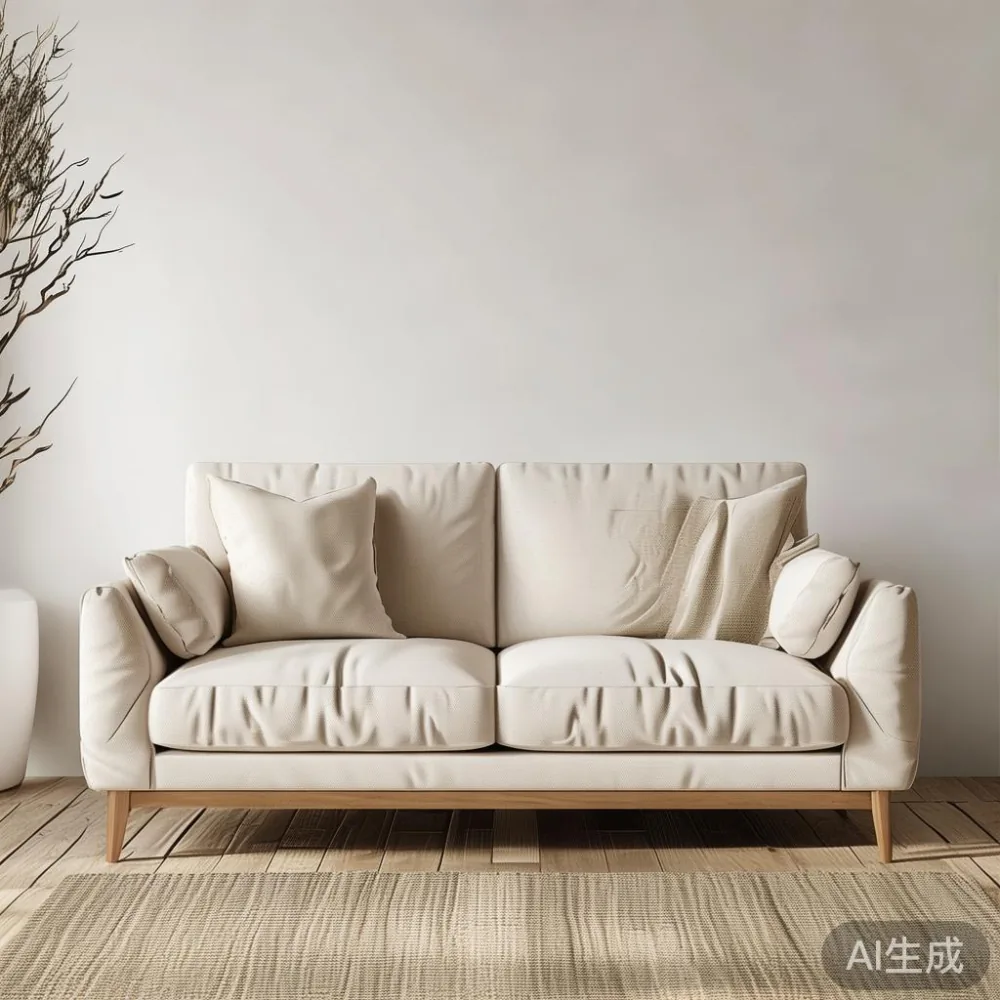
Decoding the Warranty: Key Terms to Watch For
Furniture warranties, like legal documents, are filled with specific terminology that can change the meaning of a clause. Knowing what these terms mean is the first step to avoiding being caught out. Here are some of the most common terms and what they really signify for your furniture ownership.
Structural Warranty: This is the most important part of any furniture warranty, especially for items like a bed frame or a solid wood sofa. It covers the core skeleton of the piece—the frame, the springs, the joints, and the supports. A 10-year structural warranty, for example, means the manufacturer will repair or replace the loveseat if the frame cracks or the sagging becomes excessive due to poor construction. This warranty typically does not cover the cushion fillings, which will naturally soften and compress over time.
Finish Warranty: This relates to the surface treatment of the wood. It covers issues like peeling, blistering, or cracking of the paint, lacquer, or stain. However, it almost never covers scratches, dents, or normal wear and tear. If you have a marble table, the finish warranty would protect the sealant on the marble surface but not etches caused by acidic spills like wine or lemon juice. Understanding this distinction is key to knowing what kind of damage you're responsible for.
Material Defects: This warranty covers flaws in the materials themselves. For a loveseat, this could mean a defect in the fabric causing it to unravel prematurely, or a flaw in the leather causing it to crack. It’s important to note that this usually excludes damage caused by misuse, such as allowing pets to scratch the fabric or exposing the wood to direct sunlight, which can cause fading.
Does My Warranty Cover Delivery and Assembly in Singapore?
This is a critical question for anyone living in Singapore, particularly in HDB flats where working through narrow corridors and lifts can be a challenge. The answer is almost always no, but the specifics matter. A standard manufacturer's warranty covers the product itself, not the service of getting it to your door and putting it together.
Reputable companies often separate the cost of delivery and assembly from the product price. For example, a loveseat might cost SGD 2,200, with an additional SGD 150 for delivery and SGD 80 for professional assembly within Singapore. These services are typically handled by third-party logistics partners. The warranty for the assembly work is separate and usually offered by the assembly company for a shorter period, perhaps 6 to 12 months, covering issues like a loose screw or a wobbly leg.
However, some sellers bundle these services. It's wise to confirm what happens if the assembly causes damage. Does the seller's liability cover it, or do you have to file a separate claim with the assembly provider? For a large piece of furniture like a wardrobe or a dining table, ensuring a smooth delivery and assembly process is as important as the product's warranty itself, especially when you're living on the 15th floor of a condo with a small lift.
What Voided My Warranty? Common Traps to Avoid
Even with the best intentions, you can accidentally void your furniture warranty. Manufacturers include clauses to protect themselves from misuse, and violating these can leave you without coverage. Here are some of the most common ways people unintentionally void their warranties.
Improper Use and Maintenance: Every warranty comes with a set of 'do's and don'ts'. Using a loveseat as a step stool to change a lightbulb, for instance, is a clear violation. More subtle is improper maintenance. Using the wrong type of wood polish on a solid wood sofa, or exposing a leather loveseat to direct sunlight or excessive moisture, can void the finish and material warranties. Always read and follow the care instructions provided.
Unauthorized Repairs: This is a major pitfall. If a leg on your marble table wobbles, your first instinct might be to grab some wood glue and fix it yourself. However, most warranties state that any repair must be performed by an authorized technician. Doing it yourself can void the warranty on that component and potentially the entire piece. The same goes for replacing cushion fillings or reupholstering fabric. Always contact the manufacturer or retailer first.
Failure to Register: Some manufacturers require you to register your purchase online or via mail within a certain timeframe, typically 30 to 90 days. Failure to do so can be used as a reason to deny a claim. It's a simple step, but one that is easily overlooked. Keep your proof of purchase safe, as you'll need it for registration and any future claims.
Is a Lifetime Refinishing Warranty Really for Life?
The phrase 'lifetime warranty' sounds incredibly reassuring, but in the world of furniture, it's often a marketing term with significant limitations. When a company advertises a 'lifetime refinishing warranty' on a solid wood bed frame, it's important to understand what 'lifetime' they are referring to.
Typically, 'lifetime' means the lifetime of the original purchaser, not the lifetime of the furniture itself. More importantly, it almost always comes with a set of conditions. The warranty usually covers the cost of the refinishing service but not the labour to strip the old finish and prepare the wood. You might also be required to pay for transportation to and from the service centre. For a piece like a European light luxury bed, this could mean significant hidden costs.
Also, this warranty is usually contingent on you having followed all the care and maintenance instructions perfectly. If you've neglected the wood and it has suffered severe damage from neglect, the company may refuse to honour the refinishing warranty. It’s a valuable benefit, but it's not a free pass for a lifetime of impeccable care. It’s a service, not a blank cheque.
When considering a product with this kind of warranty, ask for the specific terms in writing. Understand the process, the potential costs involved, and the exact conditions that must be met to keep it valid. A clear understanding of these details is what separates a genuinely good warranty from one that sounds good on paper but offers little real protection.
What Should I Do If I Have a Valid Warranty Claim?
So, you've identified a problem that is clearly covered by your warranty. What's the next step? The process for making a claim can vary, but following a clear, methodical approach will ensure the best possible outcome.
First, document everything. Take clear, well-lit photos and videos of the defect from multiple angles. If the loveseat has a cracked frame, show the crack in context. If the fabric is defective, take a close-up of the flaw. Keep all original packaging and manuals if possible, as the manufacturer may require them to assess the item.
Next, contact the retailer or manufacturer directly. Refer to your warranty document to find the correct contact information. When you call or email, be prepared with your proof of purchase, the product model and serial number, and a clear description of the issue. For example, instead of saying 'my sofa is broken,' say 'the wooden armrest on my model X loveseat has a 5 cm crack at the joint.' Specificity is key.
Follow the instructions provided by the company. This may involve sending them the photos you took, or in some cases, arranging for a technician to visit your home. For a large piece of furniture like a wardrobe, an in-home inspection is common. Be cooperative and provide access to the item as requested. A smooth, professional process increases the likelihood of a quick resolution. Remember, a warranty is a service you are entitled to, so approach the claim with confidence and clarity.
For example, a customer might wonder, how to style a European light luxury bed in room to match their existing wardrobe and nightstand, but when a problem arises, the focus should be on the practical steps of the warranty claim process rather than the aesthetic. The goal is to get the defect fixed so you can continue to enjoy your furniture as intended.