Understanding Furniture Warranties: Singapore Guide
Buying a new loveseat is an exciting step in transforming your home, especially in Singapore where space is a premium consideration. Whether you live in a compact HDB flat in Tampines or a spacious condo in Punggol, a well-chosen piece of furniture can make a significant difference. However, beneath the surface of beautiful wood and soft upholstery lies a document that can be the difference between peace of mind and future frustration: the warranty. It’s often the last thing we read, but it’s one of the most important. Understanding what your warranty truly covers can save you from unexpected costs and disappointment down the line.
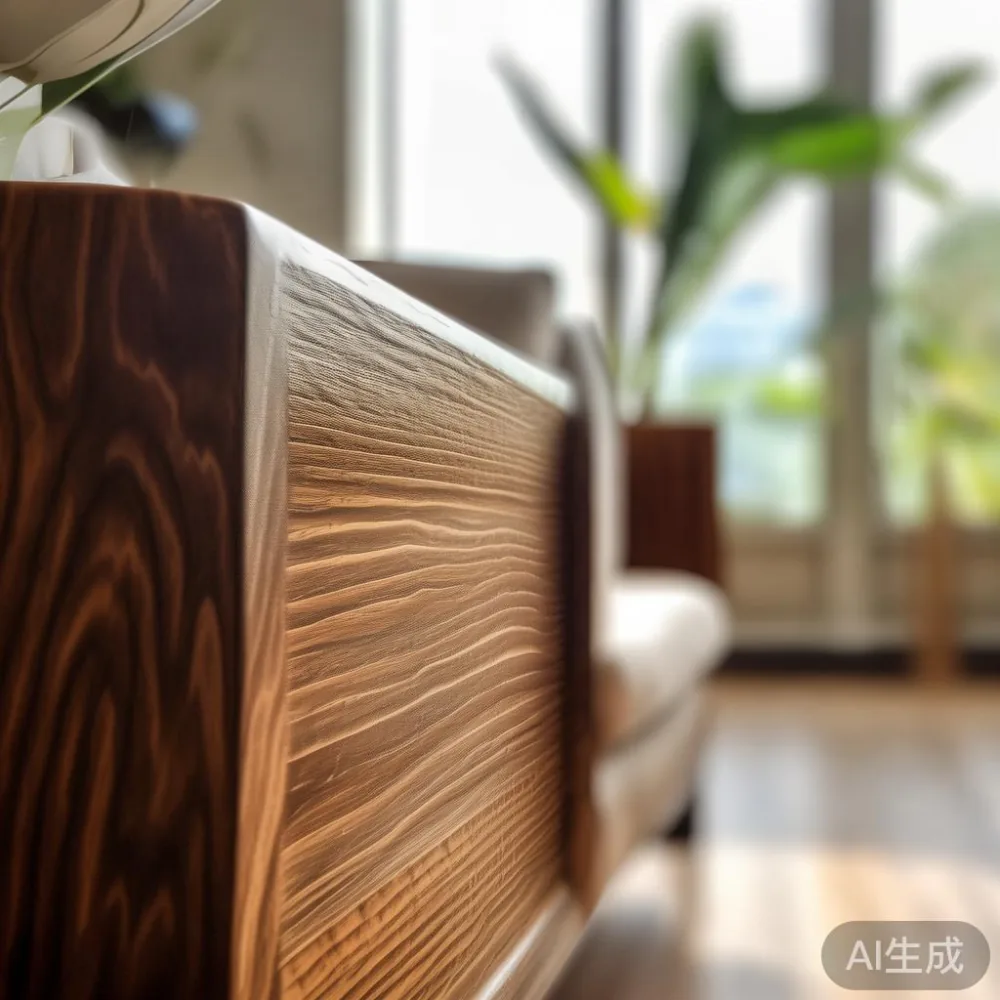
What Exactly is a Furniture Warranty?
A furniture warranty is a manufacturer's promise to repair or replace parts of your product that fail due to defects in materials or workmanship within a specified period. Think of it as a formal guarantee of quality. It's not a promise against accidental damage or general wear and tear. For example, if the frame of your solid wood sofa cracks under normal use, a warranty should cover it. If your pet claws the cushion or a child spills juice on the fabric, that's typically considered damage, not a defect. The distinction is the first, and most important, rule of understanding any warranty.
What's Usually Covered (and What's Not)
Most furniture warranties focus on the structural integrity of the piece. This includes the frame, springs, and mechanisms. A 10-year structural warranty, for instance, is a strong indicator that the manufacturer stands behind the core construction of their product. For a loveseat, this means the wooden frame, the metal support systems, and the reclining or sliding mechanisms (if applicable) should be covered for a decade. Upholstery is another common area. Warranties often cover fabric or leather defects like seams coming apart or material fading prematurely under normal conditions. However, they almost universally exclude issues caused by sunlight exposure, improper cleaning, or physical damage.

Finishes on solid wood pieces are also frequently covered. This protects against problems like peeling, blistering, or discoloration that occur not due to owner neglect, but from a flaw in the lacquer or varnish application. It’s important to note that this coverage is separate from the “lifetime refinishing” some companies offer. A warranty might fix a defective finish, while a refinishing service is about restoring the original look of the wood over time as it naturally ages. Always check if the warranty explicitly mentions coverage for the specific type of finish on your chosen piece.
Is a Lifetime Warranty Really for Life?
This is a common customer question that often leads to confusion. The term “lifetime” can be misleading. In the furniture industry, a “lifetime warranty” rarely means the warranty lasts for the entire life of the customer. Instead, it almost always refers to the lifetime of the product itself. This means the warranty is valid as long as the item is being used for its intended purpose and is still in production. If a company stops making a specific loveseat model, the warranty for that model may also end. Also, “lifetime” warranties often come with specific conditions, such as requiring the original owner to still be in possession of the furniture. Always read the fine print to understand the exact definition of “lifetime” in your policy.
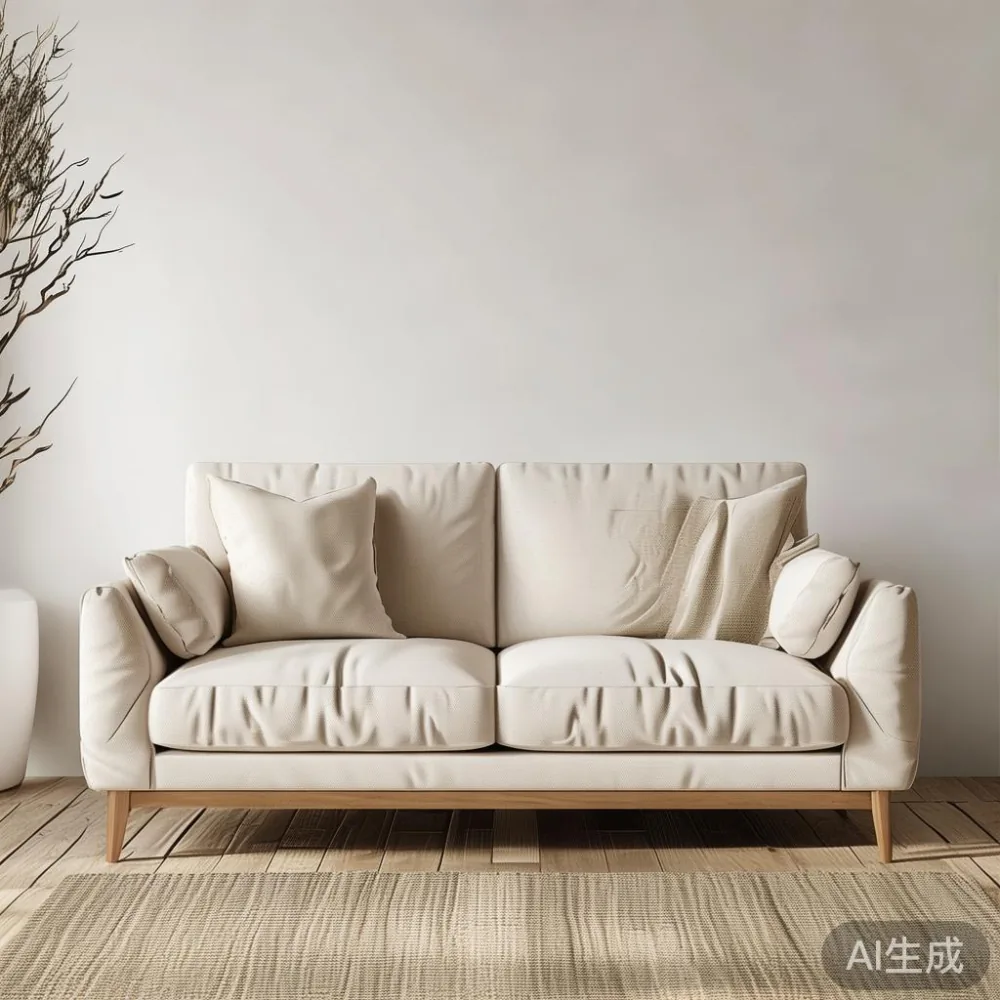
The Fine Print: Exclusions and Conditions You Can't Ignore
This is where most people get caught out. Warranties are filled with exclusions that, if overlooked, can void your coverage. The most common exclusions are damage from improper use, environmental factors, and neglect. Improper use could mean exceeding the weight limit on a loveseat, using it outdoors, or modifying it in any way. Environmental factors include high humidity, which can cause wood to warp, or direct sunlight, which can bleach fabrics. Neglect refers to failing to perform basic maintenance, like regularly tightening loose screws on a bed frame or using coasters on a marble table to prevent water rings.
Another critical condition is the requirement for professional assembly and installation. If you assemble a piece of furniture yourself and it collapses due to an error, the warranty will likely not apply. The warranty might also specify that any repairs must be carried out by authorized technicians using original parts. Attempting a DIY repair could void your coverage. Always keep your proof of purchase, as it is required to activate any warranty claim. Some warranties also have a clause about the owner being responsible for shipping costs if the item needs to be returned to the manufacturer, so check for details on that.
Real-World Warranty Woes: A First-Person Account
Last month, my colleague visited a client in a Bedok HDB flat. The client had purchased a high-end American light luxury bed frame online. After 18 months, one of the wooden side panels developed a significant crack. The client was confident his “lifetime warranty” would cover a full replacement. However, when he contacted the seller, he was informed that the warranty was void. The investigation revealed that the client had placed the bed frame directly on a concrete floor without the provided plastic dampeners. The Singapore humidity, trapped between the wood and the concrete, had caused the panel to warp and crack. The warranty explicitly stated that the bed must be placed on a level, dry surface with the included protective pads. This small, overlooked detail cost the client SGD 2,800 for a new bed frame. It was a harsh lesson that warranties are conditional, not absolute.
Making Sense of Singapore-Specific Warranty Considerations
Living in Singapore adds unique layers to furniture ownership that warranties must account for. The high humidity is a primary concern. Solid wood furniture, like a dining table or wardrobe, can absorb moisture from the air, leading to expansion, warping, or even cracking. A good warranty should explicitly state how it handles humidity-related issues. Does it cover structural damage caused by normal Singaporean humidity, or does it consider that an environmental factor the owner must manage? Reputable brands often use kiln-dried wood and specific construction techniques to minimise these effects, and their warranties will reflect that confidence.
Another local factor is space. Singapore homes, especially older HDB flats, can have narrow corridors or small lift landings. A large wardrobe or marble table might fit in your living room, but can it actually get there? Some warranties or purchase agreements include clauses about delivery access. If a delivery team cannot get the item into your home due to unforeseen access issues (like a corridor too narrow for a 180cm wide wardrobe), the responsibility for resolving that might fall on you. Always measure your doorways, lift dimensions, and hallways before ordering. For instance, the standard lift width in many older HDB blocks is around 110cm, so a piece wider than that will likely need to be carried up the stairs.
Comparing Warranty Terms: What to Look For
Not all warranties are created equal. When comparing different brands, look beyond the headline number of years. A 5-year warranty that covers everything from the frame to the finish is far more valuable than a 10-year warranty that only covers the frame and has numerous exclusions. Pay attention to the specifics. Does the warranty cover transportation and labour for in-home repairs, or will you have to arrange for the item to be sent back? Some companies offer a service where a technician comes to your home, which is a significant convenience.
Also, consider the reputation of the manufacturer. A company with a long history, like one established in 2008, has likely refined its warranty process over time. Knowing they export to 15+ countries suggests they have a solid system for handling international customers and their various needs. For example, a company with a Foshan factory might have different lead times and shipping policies than one that only sells locally. Understanding the origin and scale of the operation can give you insight into the reliability of their post-purchase support. When you’re looking for the best French provincial furniture, for instance, a detailed warranty is a sign that the brand is confident in the quality and longevity of its craftsmanship.
Protecting Your Investment: Beyond the Warranty
A warranty is a safety net, but the best way to avoid problems is proper care. For your solid wood loveseat, use coasters, avoid placing it near direct heat sources like air-conditioners, and wipe up spills immediately. For fabric upholstery, vacuum it regularly and follow the manufacturer's cleaning instructions. For a marble table, use a pH-neutral cleaner and avoid acidic substances like vinegar or lemon juice. Proper maintenance not only keeps your furniture looking beautiful but also prevents issues that could void your warranty.
Finally, always keep all your documentation. This includes the original purchase receipt, the warranty card, assembly manuals, and any communication with the seller or manufacturer. When a problem arises, having this information readily available will make the claims process much smoother. Remember, a warranty is a contract. Knowing your rights and responsibilities under that contract is the key to enjoying your new furniture for years to come without any nasty surprises. The peace of mind that comes from understanding your coverage is worth the time it takes to read the fine print.