How to Match a Loveseat and Other Furniture to a Warm Minimal Interior
A warm minimal interior is not an empty room. It is a carefully edited arrangement where pale oak, cream upholstery, matte finishes, and a measured use of texture make a compact home feel calm rather than bare. In Singapore, that balance matters: an HDB flat in Tampines may offer 65-90 sqm of usable space, while a Punggol or Bedok condo can place a generous sofa in a room with very little tolerance for oversized proportions. The right approach is to scale each piece, control visual weight, and preserve comfortable circulation.
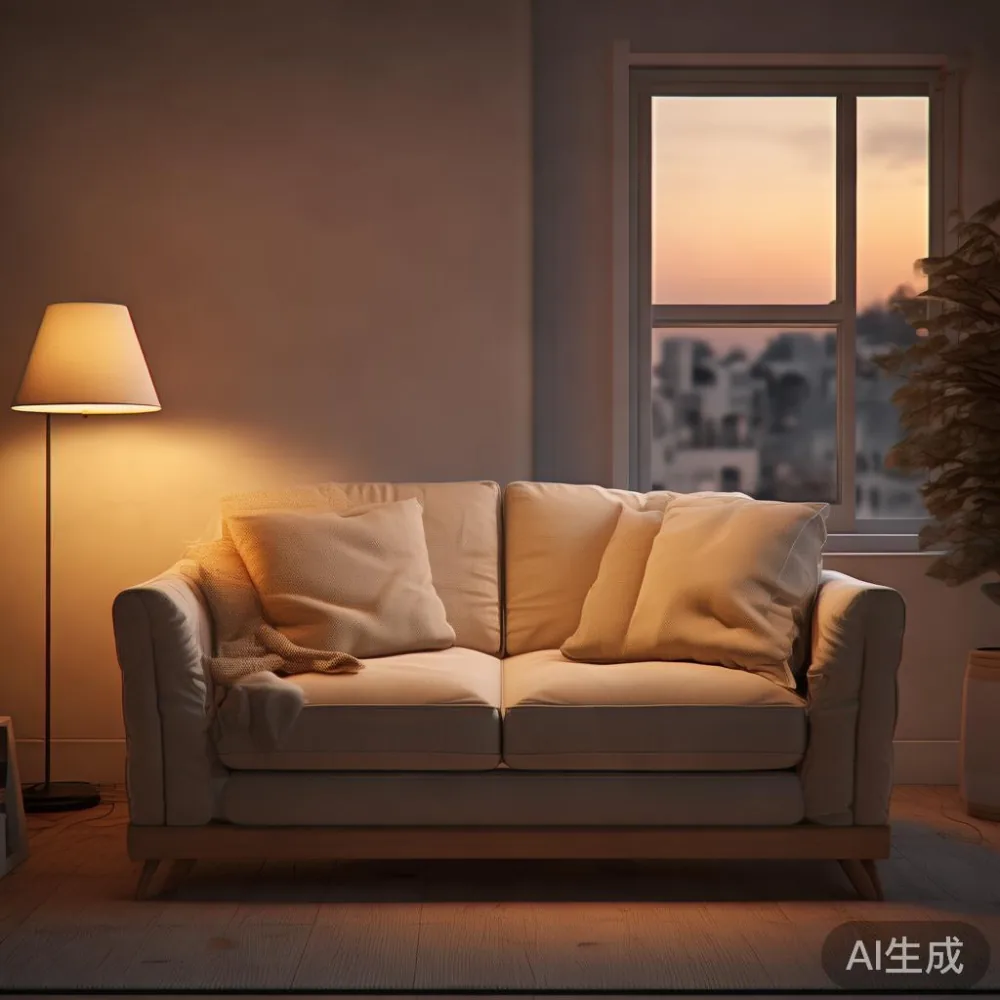
For many homeowners, the loveseat is the starting point because it determines both the seating layout and the apparent size of the living room. A compact two-seat model can work beautifully against a plain wall, but it still needs enough breathing room to look intentional. I tested a 148 cm loveseat in a friend's 520 cm-wide living room last month, leaving 186 cm of clear wall behind it and a 78 cm passage at one side. That modest 8 cm adjustment between two layouts made the room feel noticeably more open.
This guide explains how to coordinate a loveseat with a solid wood sofa, dining table, wardrobe, nightstand, marble table, and supporting pieces in a warm minimal home. It also considers the practical dimensions of Singapore lifts, corridors, and GST-inclusive purchasing.
What makes a warm minimal interior feel warm rather than plain?
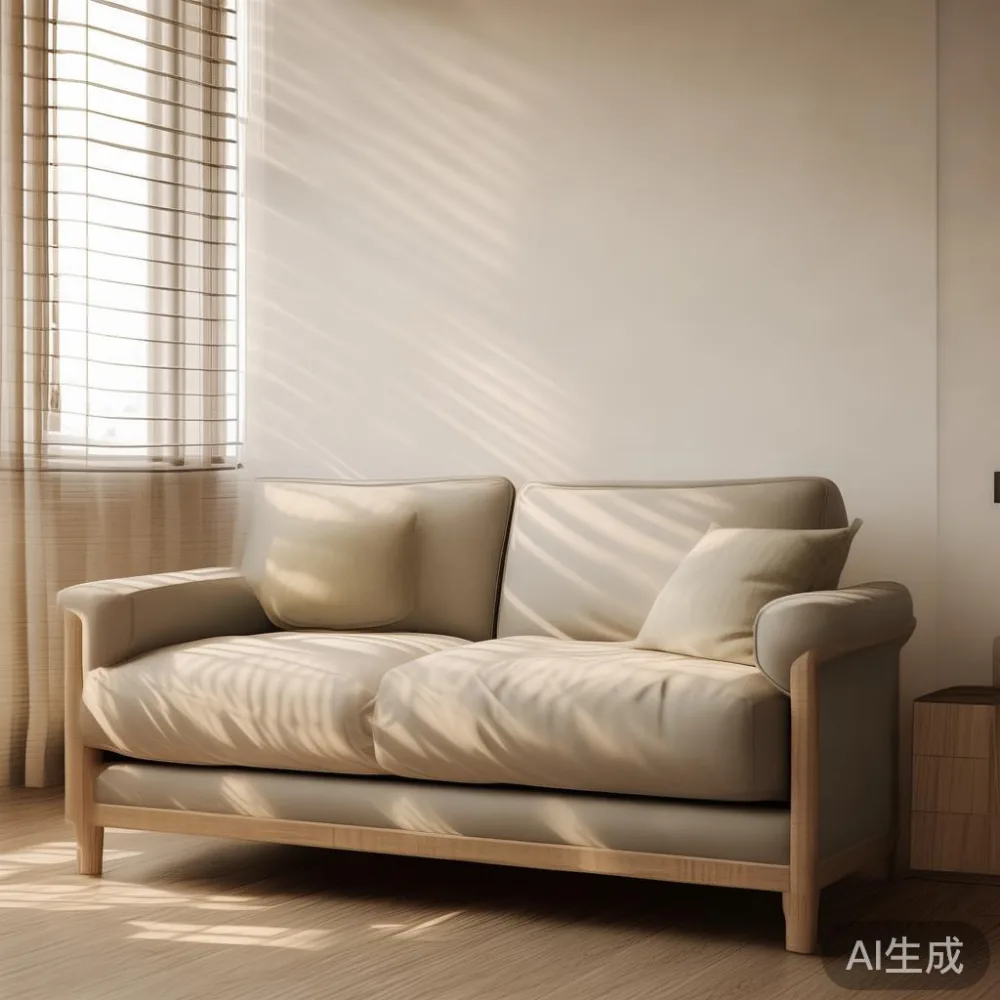
Minimalism works best when the room has a restrained palette with a few tactile contrasts. Warm white walls, sand-coloured textiles, light-to-medium oak, blackened metal details, and natural stone create variation without visual clutter. Instead of matching everything perfectly, repeat 2 colours across at least 3 objects. For example, use warm white in the walls and a cream loveseat, then carry the oak tone into a solid wood dining table and a narrow bedroom wardrobe.
The floor and wall finish should remain visually quiet. Large-format tiles with pale grout are practical in Singapore, while a flat-weave rug measuring 200 x 300 cm can soften the seating zone. Choose a low-pile rug if the household includes children, and avoid placing its edge directly behind the front legs of the loveseat; approximately 20-30 cm of overlap makes the seating arrangement feel connected.
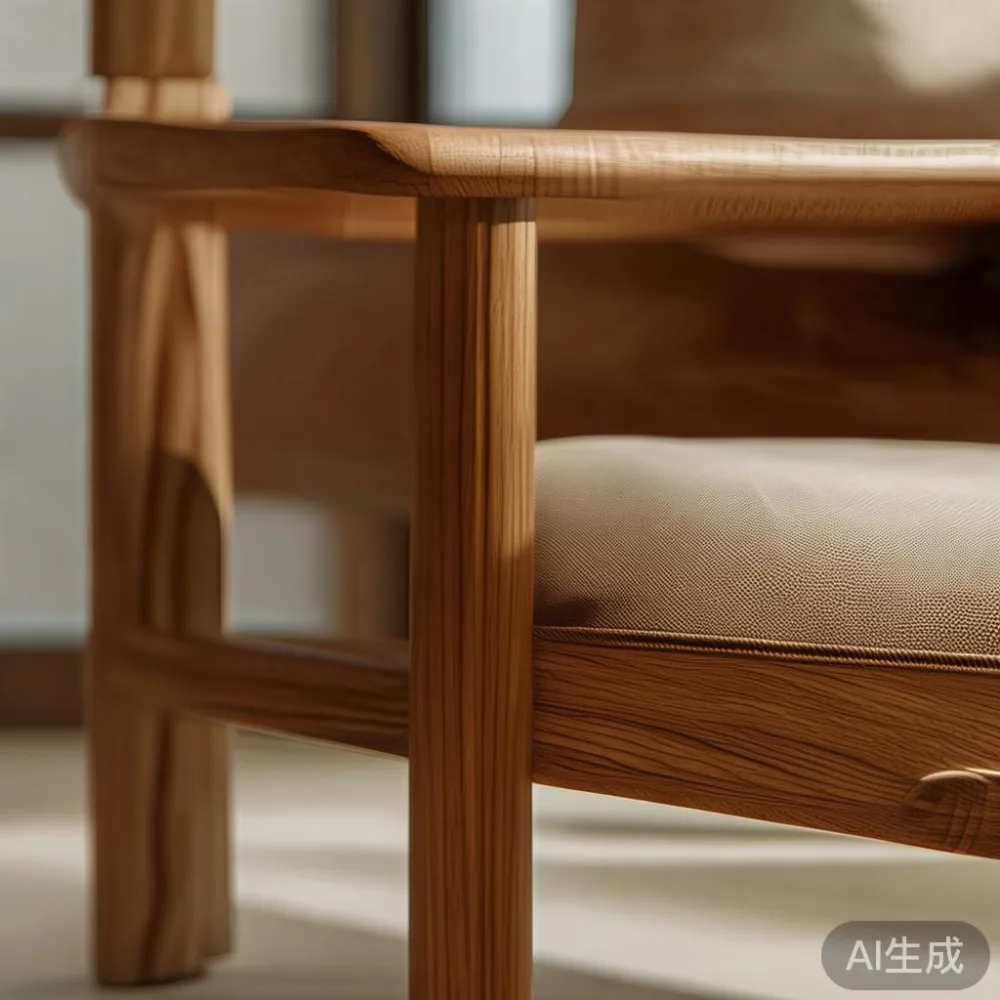
Texture provides warmth more effectively than decoration. A bouclé cushion, a linen throw, a ceramic vessel, and a lightly grained timber surface create depth while occupying little space. Keep display zones limited to 1-2 items each, and use closed storage where possible. This is where a Modern light luxury sideboard can be useful: its clean horizontal lines can organize media equipment and small objects while a timber carcass adds the warmth that a fully gloss-finished cabinet lacks.
For shoppers comparing references, the best Modern light luxury furniture is not defined by decoration alone. Look for balanced proportions, fine gaps between drawers, stable joinery, touchable materials, and finishes that disguise fingerprints. Those details matter in a high-use family home, particularly on pale timber.
How do you choose the right loveseat for a compact Singapore home?
Begin with the room, not the photograph. A loveseat typically measures 140-170 cm wide, 75-95 cm deep, and 75-90 cm high. Those figures describe the frame rather than the full space required to use it. Leave at least 75-90 cm between the loveseat and a coffee table, and preserve a 90 cm route from the entrance to the balcony or kitchen where possible.
A 145-155 cm loveseat suits narrower HDB living rooms, while a 160-170 cm model can anchor a larger condo without becoming excessive. Check the internal seat width as well: two adults need approximately 55 cm each, although 120 cm of usable seating is more comfortable. Deep seats can look generous in a showroom but consume useful floor area, so a depth of 82-88 cm is a sensible range for many urban layouts.
Measure the lift before ordering a large boxed piece. Common residential lifts have door widths around 80-90 cm and internal dimensions near 110 x 140 cm, although older blocks and newer high-rise designs vary. A loveseat delivered as a knock-down or modular product is often easier to move than one with a fixed timber frame. If the packaging exceeds 25 kg per carton, arrange at least 2 people and confirm stair access with the building manager. You may also need a 20-30 minute carrying window during a weekday delivery slot.
Consider orientation carefully. A straight-backed loveseat can sit parallel to a window or against the longest clear wall. A swivel model adds flexibility but projects farther into the room. In a room with only 280 cm between the dining zone and television wall, a compact 150 cm loveseat with a total depth below 90 cm will usually preserve the most useful circulation.
Upholstery affects both mood and maintenance. Oatmeal, taupe, camel, and warm grey suit oak and cream walls. For homes with pets, a tightly woven performance fabric with a 30,000-50,000 Martindale rating is more practical than a very open weave. Request a physical fabric sample and test it against the room's daylight, which can make cool grey upholstery appear beige by late afternoon.
How should a loveseat coordinate with a dining table and other wood furniture?
Warm minimalism benefits from consistency in timber tone and construction quality, not identical furniture in every category. A solid wood sofa with exposed oak legs can pair naturally with a dining table in the same species and finish. If the dining table uses American walnut while the loveseat frame is black metal, keep the palette balanced by repeating the walnut tone elsewhere, perhaps in a nightstand or narrow console.
Scale the dining table to the household and clearances. A 120 x 70 cm table seats 4 people; 150 x 80 cm seats 6; and 180 x 90 cm seats 8. Each diner needs roughly 60 cm of table width and at least 75 cm of clearance behind a chair when it is occupied. In a compact HDB dining area, a 120 cm table can feel more generous than a 150 cm one because the 30 cm difference directly affects the route through the room.
Do not match the loveseat and dining table by height. A low coffee table may sit 5-10 cm below the sofa seat for visual ease, while a dining table should generally be 73-76 cm high. The dining table and chairs should relate to each other; the loveseat only needs to share materials and visual weight with them.
The loft often exposes timber grain, so fine differences should be accepted. A solid wood dining table may include knots, mild colour variation, and subtle checking as the material responds to humidity. Specify a matte or low-sheen finish rather than a high-gloss coating, and ask how the pieces are conditioned for Singapore's climate. A relative humidity range near 45-65% is a practical target for stable indoor timber use.
What should you check before ordering a bed frame, wardrobe, and nightstand?
The bedroom should repeat the living room's palette while reducing visual information. A solid wood bed frame in natural oak, light walnut, or smoked ash creates a calm centre. For an HDB master bedroom measuring 300 x 350 cm, a 150 x 200 cm bed leaves about 75 cm on each side, enough for a narrow nightstand but not much more. Queen-size beds measure 155 x 200 cm in many Asian markets and are more suitable where 150 cm is too restrictive.
Leave 60 cm along at least one side of the bed for daily movement. In a 280 cm-wide room, a 155 cm bed leaves 62.5 cm per side when centred, which can feel tight if the door or wardrobe opens into that zone. A 140 x 200 cm bed offers a little more freedom and may make a compact room feel calmer.
The wardrobe should generally be full height to avoid a fragmented wall. Built-in cabinetry can reach 240-250 cm, while a freestanding solid wood wardrobe may be 180-220 cm high. A 150 cm-wide three-door unit can work in a 270-320 cm bedroom, provided the open door leaves 75-90 cm of access. Sliding doors save corridor space but require more planning for interior compartments.
For instructions on how to style American wardrobe in bedroom layouts, focus on proportion and quiet hardware rather than adding a separate decorative language. A warm-toned frame, simple knobs, and one restrained artwork can connect the wardrobe to the bed without making the room feel busy.
A nightstand only needs to hold what is used nightly. A 40-50 cm width, 45-55 cm depth, and 50-60 cm height will accommodate a lamp, book, and charging point. If the bed frame includes integrated drawers, this eliminates one object and improves the room's simplicity. The same principle applies elsewhere: a wall-mounted shelf 15-20 cm deep can replace a bulky bedside table.
Will a marble table work in a warm minimal home?
Yes, provided the marble is used as a controlled accent. A marble table introduces fine veining and a cooler surface, but one substantial piece can keep a pale room from feeling flat. Choose a light cream, beige, or warm-grey base with restrained veining rather than a highly contrasting pattern. A 90 x 55 cm coffee table can suit a 150 cm loveseat, while a 100 x 60 cm model works with a 160-170 cm loveseat.
Check both practical dimensions and support. The top should sit approximately 40-45 cm above the floor for easy reach from a standard sofa. Marble slabs may weigh 45-90 kg depending on size and thickness, so confirm the delivered weight and whether the lifting crew can carry it safely. It should never be positioned where children might pull on it. A timber or powder-coated base also makes it easier to move without stressing the stone.
Stone and wood complement each other when the temperature balance is right. If the dining table and bed frame are pale oak, a warm cream marble table can add subtle depth without becoming a separate focal point. If the room already has black metal, cool white marble, and cool grey flooring, the result may feel less warm even if each piece is attractive in isolation.
For product research, a MIDHILL coffee table review can help assess dimensions, finish details, and how a table behaves in real rooms rather than only in staged settings. If a marble surface is not practical, a solid wood coffee table with a 40-45 cm height can provide the same visual function with less weight.
How do you manage delivery, GST, and installation in Singapore?
Measure the full delivery path, not just the lift door. Check the unit entrance, corridor turns, lobby corners, and any thresholds. A package 140 cm long may fit diagonally in a 110 x 140 cm lift, but it still needs clearance at the landing. Record the corridor width and lift capacity with your building management before the delivery date.
Some furniture is delivered assembled, while sofas and wardrobes may arrive in cartons for assembly. Confirm whether the quotation includes delivery, carrying upstairs, assembly, and removal of packaging. Old furniture disposal can also involve a separate fee of approximately SGD 20-80 depending on item size and the disposal company's policy.
Singapore GST is 9%. For budgeting, an SGD 2,000 before-GST item becomes SGD 2,180 including GST. A 2,500 SGD sofa becomes 2,725 SGD, and a 900 SGD dining table becomes 981 SGD. These examples make it easier to compare net prices across quotations.
MIDHILL has exported furniture to more than 15 countries since 2008 and backs its products with a 10-year structural warranty. The company also offers lifetime refinishing, 14-day returns, and free shipping on orders over US$350, although the final delivery charge for a Singapore address should still be confirmed because currency, destination, and freight terms can affect the checkout total. Ask for the landed SGD price, estimated delivery in 7-21 days, and installation inclusions in writing.
For design inspiration, collections describing the top 10 European furniture can be useful for comparing proportions, but local measurements should decide the purchase. A European-looking silhouette does not automatically fit a Tampines flat, a Bedok condo, or a Punggol apartment with a compact lift. Search references by product type and construction rather than expecting imported dimensions to transfer directly.
Can a loveseat make a small HDB flat feel larger?
A well-proportioned loveseat can make a room feel more spacious because it creates a clear focal point without filling the entire wall. The key is to leave visible floor around it, use low-profile legs, and avoid adding a second large seat nearby. In a 65-90 sqm flat, replace an oversized sectional with a 150 cm loveseat and a slim occasional chair if more seating is required. For current design comparisons, a best Nordic sofa for 2026 reference can offer useful ideas about pale timber, simple lines, and restrained upholstery, but measure every candidate against the actual room.
Keep the coffee table light enough that the floor remains visible around it. A round table of 75-85 cm diameter can preserve movement in a narrow zone, while a rectangular table should leave at least 35-45 cm around its accessible sides. Repeat the loveseat's timber tone in one nearby object rather than matching every surface.
Lighting completes the warmth. Use one ceiling fixture, a 2,700-3,000 K floor lamp beside the loveseat, and warm-white table lighting around 2,700 K. A 90-150 cm lamp placed behind the seating can soften a hard corner. Avoid several cool-white fittings, which can make cream and oak appear grey. Curtains in a warm off-white or lightly textured oatmeal material will diffuse daylight without adding a strong pattern.
Start with the loveseat, measure 75-90 cm around it, repeat 2 colours and 2 textures, and add only what has a purpose. The result may be minimal, but it will still feel inhabited—a room built around proportion, material, and the way Singapore homes actually work.