How to Match a Loveseat and Solid Wood Furniture to a Warm Minimal Interior in Singapore
Warm minimalism is the look I keep recommending to friends furnishing a new BTO in Punggol or a resale HDB in Bedok. It sits comfortably between Scandinavian cool and full-on rustic, and it forgives a lot of the mistakes people make when buying a solid wood sofa, dining table, or wardrobe on a Singapore budget. The trick is to anchor the room with one warm-toned piece (most often a loveseat or a dining table) and let the rest of the room be quiet. In the last twelve months I have walked through more than thirty showrooms around Defu Lane, Sungei Kadut, and the Toh Guan cluster, and the homes that feel the most pulled-together are the ones that follow three rules: warm wood tone, low visual noise, and correct scale for the lift and corridor you actually live in.
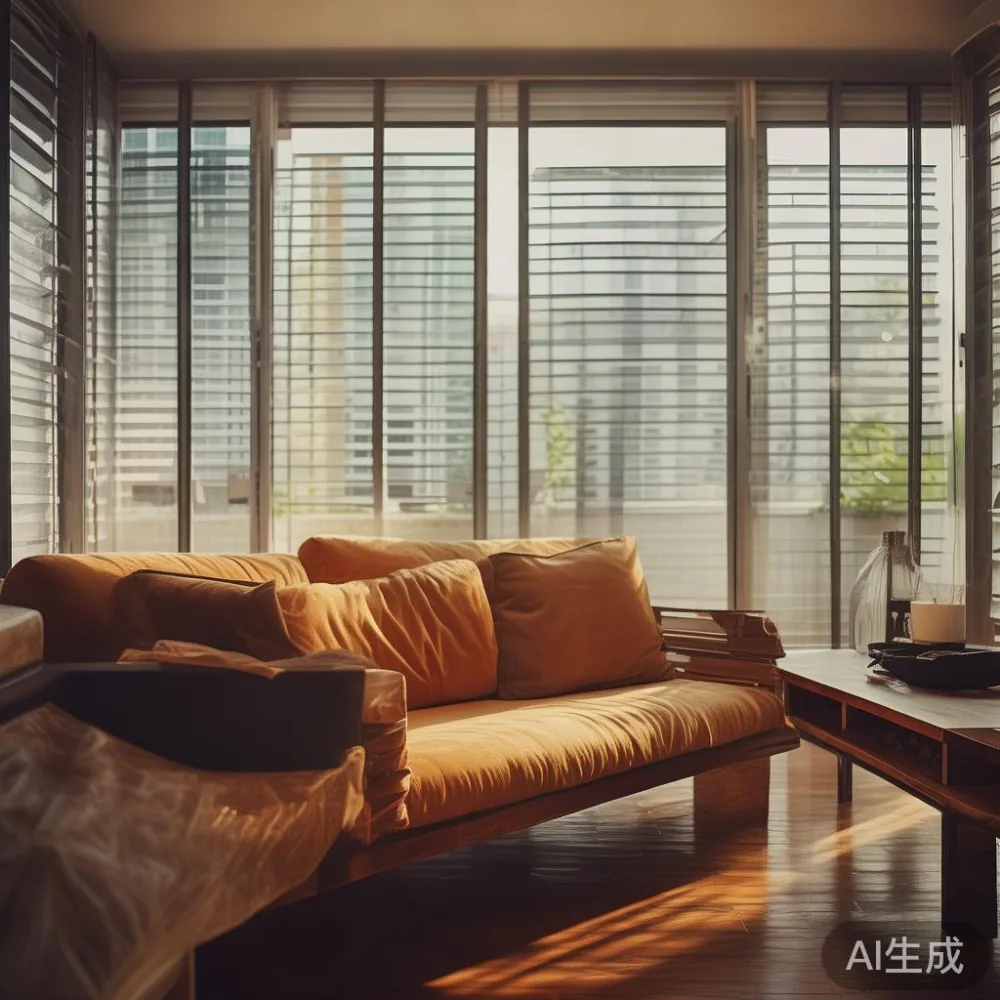
What is warm minimal interior style, in plain words?
Warm minimal interior style is the use of natural oak or ash wood in light-to-medium honey tones, paired with off-white walls, linen-look upholstery, and one or two matte-metal accents in brass or black. It is not cold, not industrial, and not beige-on-beige. The goal is a room that reads calm after a long day at work in the CBD, but still feels lived in. French light luxury handles this beautifully: think curved silhouettes, soft bouclé fabric, and a marble side table used sparingly. American light luxury does the same with chunkier proportions and a slightly darker walnut stain, which works well if you have a larger Tampines flat with 1,400 sqft or more.
For most Singapore HDBs between 990 and 1,200 sqft, the trick is to pick a warm wood tone (American white oak at around 1,800-2,200 SGD per cubic metre of raw board) and stick to it across every solid wood piece in the room. A mismatch in wood tone is the single fastest way to make a curated room look like a clearance sale. If your floor is cool grey vinyl, you can still pull this off, but the furniture has to do all the warming-up work.
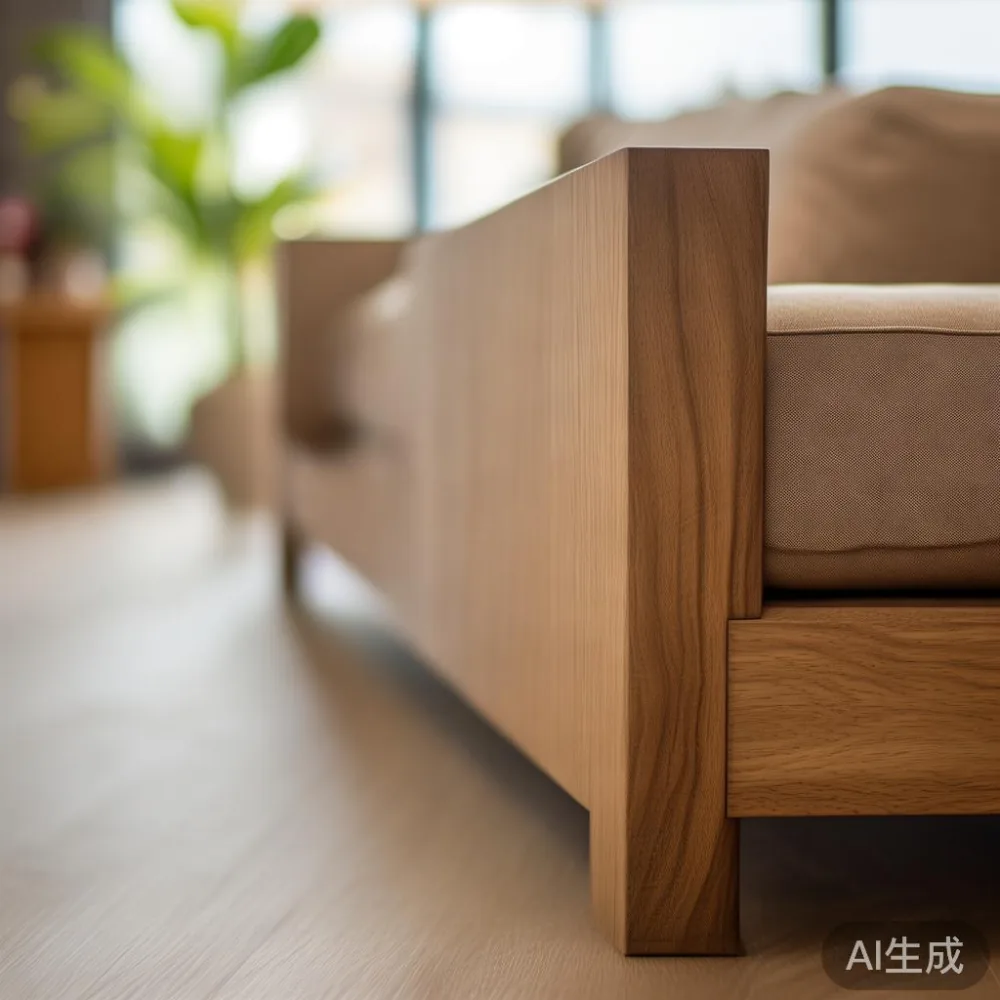
Why is the loveseat the smartest anchor piece for a warm minimal room?
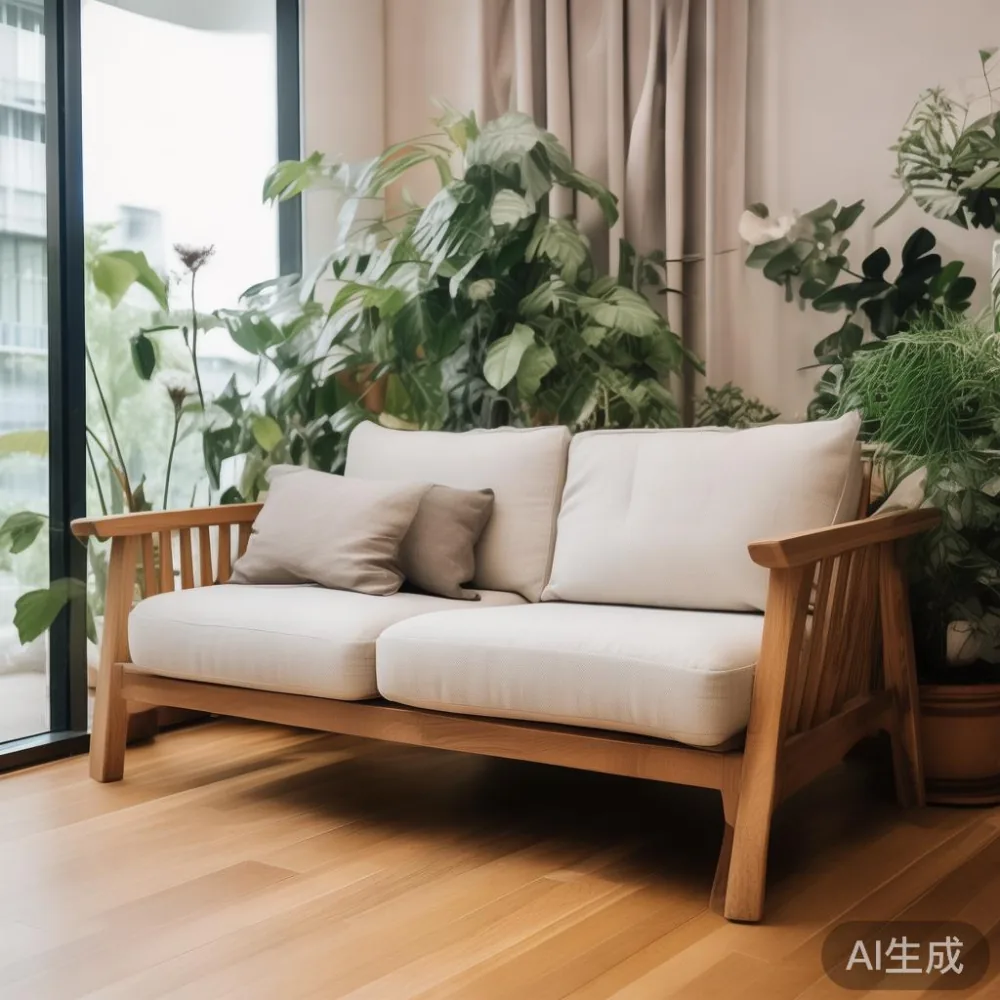
Last month I visited a couple in a 4-room HDB in Bedok North who had spent 4,800 SGD on a three-seater sofa they never sat on together. The husband worked late, the wife preferred a stool at the dining table, and the dog owned the middle cushion. I suggested they swap to a 160 cm loveseat in solid ash with a 7 cm thick high-resilience foam seat wrapped in a removable, washable linen-blend cover. They paid about 2,150 SGD, freed up 80 cm of floor space, and the room immediately read bigger. That is the case for a loveseat in a small Singapore home: it is sized for two adults, it leaves room for a 90 cm round marble side table, and it costs 30-40% less than a comparable three-seater.
For warm minimal rooms, a loveseat with a frame depth of 88-95 cm and a seat height of 42-45 cm tends to look proportional against a 200 cm media console. The legs should be visible (15-18 cm clearance) so the piece does not feel like a heavy block. If you are buying a solid wood sofa in this category, ask the showroom for the actual timber certificate: kiln-dried American white oak at 8-10% moisture content is the safe spec for Singapore's 27-31°C, 80% humidity range. Anything above 12% moisture will cup within a year.
How do I choose a wardrobe sg for a small apartment?
For a small Singapore apartment, choose a wardrobe that is 180-210 cm tall, 120-180 cm wide, and 55-60 cm deep, made from solid ash or oak with soft-close hinges rated for 80,000 cycles, and always measure your corridor and lift opening before ordering. The lift door on most HDB blocks is 90 cm wide and 210 cm tall, the lift car is roughly 1.1 m wide by 1.4 m deep, and the corridor turn at your front door is usually 90-100 cm — so a flat-pack wardrobe that arrives in 60 cm wide panels will go in cleanly, while a pre-assembled 180 cm-wide unit simply will not fit up the stairwell or through the fire door.
Once the dimensions are sorted, the warm minimal rule for a wardrobe is simple: slab doors, no visible handles, and a wood grain that matches the rest of the room. A two-door wardrobe at 150 cm wide and 60 cm deep, in solid ash with a clear matte lacquer, runs around 2,800-3,600 SGD for the cabinet alone in Singapore. Add a soft-close package, internal LED strip, and a full-length mirror on the inside of one door for another 600-900 SGD. Sliding doors save another 8-10 cm of swing clearance, which matters in a master bedroom that is 3.2 m by 3.6 m. MIDHILL ships these flat-packed from Foshan with delivery in 18-25 working days to a Singapore forwarder, which usually works out to 4-6 weeks door-to-door including GST and customs clearance.
What dimensions actually fit through a Singapore HDB lift and corridor?
This is where most furniture buying mistakes happen. A typical HDB passenger lift internal is about 1.1 m wide, 1.4 m deep, and 2.3 m tall, with a door opening of 0.9 m wide by 2.1 m tall. Service lifts in older blocks (Bedok Reservoir, certain parts of Tampines North) can be smaller. The corridor outside your unit, measured from lift lobby to your front door, usually allows a straight run of 3-6 m before a 90-degree turn at the fire-rated door, which is 0.9 m wide and 2.1 m tall. Before you place an order for any solid wood piece over 35 kg, write down the diagonal of every doorway, the lift diagonal, and the corridor turn radius, then keep those three numbers on your phone.
A practical example: a 200 cm x 90 cm dining table in solid oak weighs 55-70 kg and will not fit any HDB lift assembled. It must arrive flat-packed in two halves, each under 30 kg, with bolts for on-site assembly. The same applies to a queen-size bed frame: a 160 cm x 200 cm headboard panel will not make the lift turn, so a sensible supplier breaks it into two 80 cm panels. MIDHILL confirms panel dimensions and weights before shipment, which is the kind of detail that separates a serious export maker from a marketplace reseller.
Which solid wood pieces should I buy first when I have around 8,000 SGD to spend?
With a realistic Singapore budget of 8,000 SGD (after the 9% GST), spend in this order: a loveseat (2,100-2,400 SGD), a 140 cm dining table for four (1,800-2,200 SGD), a queen bed frame in solid ash (1,400-1,700 SGD), and a two-door wardrobe (1,600-1,900 SGD). A nightstand pair adds another 700-900 SGD if budget allows. That is the warm minimal starter kit for a 4-room HDB, and every piece can be bought in a matching American white oak tone for visual cohesion. Skip the marble table for now unless you are buying a 50 cm round side table (around 450-650 SGD) as an accent, since a full marble dining top will push you past 3,500 SGD on its own.
Two more practical notes from the same Bedok couple I mentioned earlier. First, an American oak care sofa will outlast a fabric or leather alternative in our humidity if you condition the frame every 12 months and keep the room between 24-28°C with a dehumidifier set to 55-60%. Second, lifetime refinishing is worth real money in Singapore: sanding and re-lacquering a solid wood dining table after seven years of use costs roughly 350-500 SGD locally, so any warranty that includes it is a quiet 4,000 SGD saving over the life of the piece.
What should I check on the warranty and shipping before I pay?
Ask for the structural warranty in writing, the moisture content spec, and the panel weight for every item. A 10-year structural warranty on frames and joinery is the realistic benchmark for a Foshan-made solid wood sofa, bed frame, or wardrobe. Free shipping to Singapore above a 350 USD (about 480 SGD) order threshold is common among direct-from-factory brands, but always confirm whether GST, customs duty, and the last-mile delivery from your forwarder to your HDB doorstep are included. A 14-day return window is reasonable for inspecting finish and timber quality, but read the fine print: many suppliers only accept returns on unused pieces in original packing, and the return freight from Singapore to Guangdong can eat 200-400 SGD on a single pallet.
For peace of mind, ask the supplier to send photos of your actual order before it leaves the factory, not stock shots. A credible export maker with 15+ years of trade and shipments to 15 or more countries will have a process for this. When I helped a colleague in Punggol specify a complete warm minimal living room for her new condo last quarter, the supplier shared three rounds of pre-shipment photos and a packing list with each panel numbered, and the four pallets arrived within the promised 32-day window with zero damage.
Putting it together: a warm minimal living room in a Tampines 5-room flat
Here is a layout that has worked for three of my friends in Tampines. Against the longer wall, place a 160 cm loveseat with two seat cushions and two scatter cushions in oat bouclé. Opposite it, a 180 cm x 40 cm x 45 cm solid ash TV console with two soft-close drawers and a 12 mm marble top on the left third only. A 90 cm round marble side table to the left of the loveseat, a 140 cm x 80 cm solid oak dining table four metres back near the window, and four ash dining chairs with woven seats (around 180-240 SGD each). A wool rug at 200 cm x 280 cm in undyed ivory anchors the seating zone. Total spend: roughly 7,800-9,200 SGD including GST, before any promotional discount.
The reason this combination feels warm instead of sterile is the mix of materials: two soft fabrics (bouclé and linen on cushions), one hard stone (marble on the side table and console accent), one warm wood across every frame, and one natural fibre on the rug and chair seats. That is the warm minimal formula, and it scales down to a 3-room flat in Hougang just by dropping the dining table to 120 cm and the loveseat to a 140 cm two-seater. A nightstand pair in the same ash tone, a bed frame at 160 cm x 200 cm, and a two-door wardrobe complete the bedroom, and the entire home reads as one calm, warm, wood-led space.