How to Care for a Lacquered Loveseat in a Tropical Climate
Lacquer can give a solid wood loveseat a polished, light-luxury finish, but Singapore’s heat, humidity, salt air, and frequent indoor cleaning can make that surface look tired sooner than expected. In an HDB flat at Tampines or a condo near Bedok, a lacquered loveseat may face 28–34°C temperatures, 70–85% relative humidity, and sunlight reflected from nearby blocks. Good care does not require complicated products. It requires a measured routine, sensible placement, and prompt attention to spills.
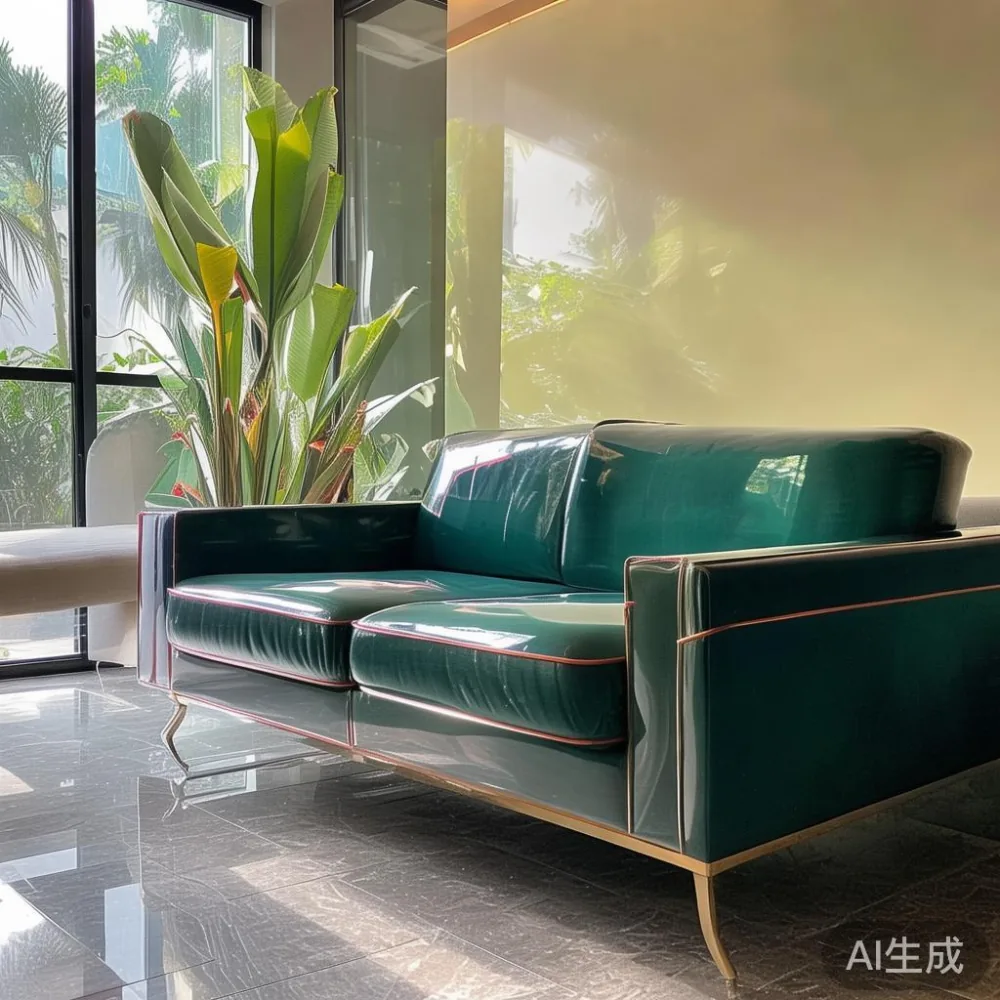
This guide applies specifically to lacquered seating, including a lacquered solid wood sofa used as a loveseat. It does not treat unfinished timber, upholstery, marble, or ordinary veneer as though they share the same care needs. For a solid wood bed frame, dining table, wardrobe, nightstand, or marble table, follow the finish-specific instructions supplied with each item.
What makes tropical lacquer care different?
Lacquer is a clear or coloured surface coating applied over prepared timber. It can develop a smooth, reflective finish, but moisture, heat, cleaning chemicals, and abrasion affect it differently from the wood underneath. Singapore’s climate keeps many interiors warm throughout the year. A west-facing living room may exceed 32°C by late afternoon, while a unit close to the coast may see higher humidity and airborne salts.
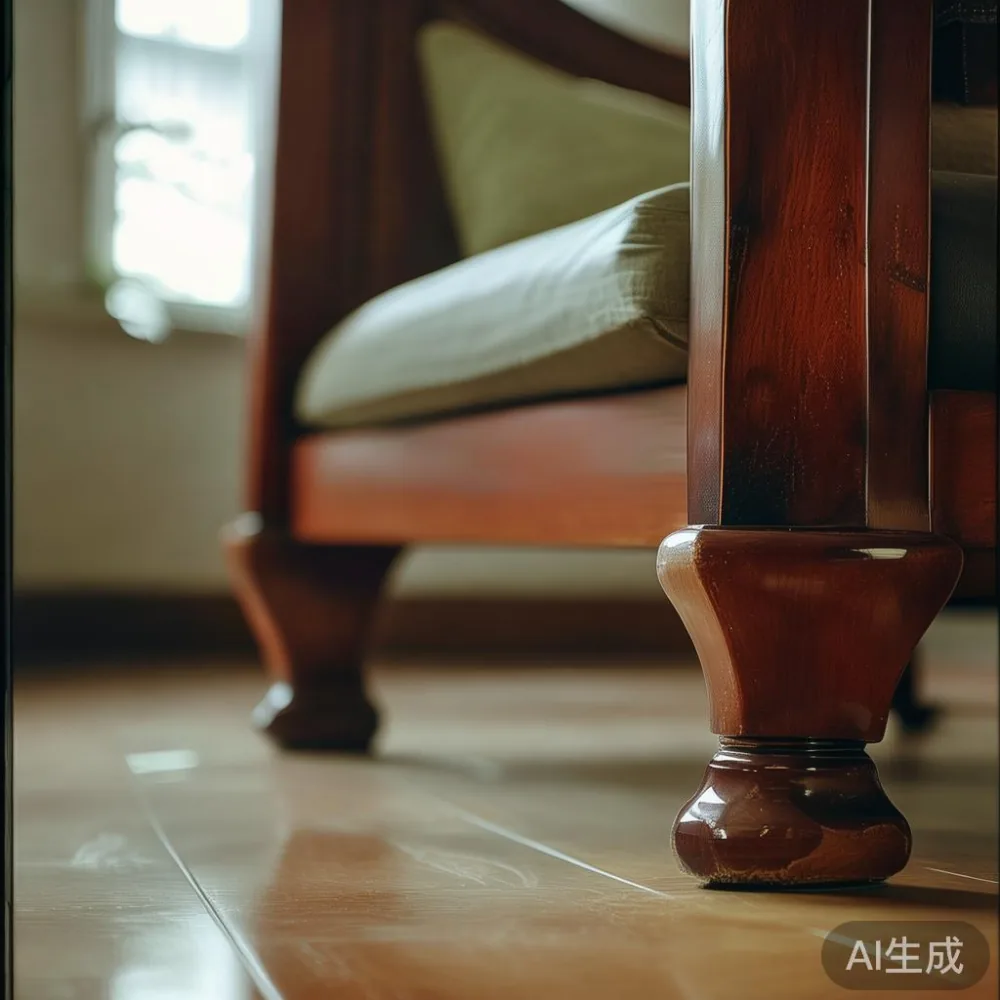
The finish on a loveseat should be protected from four common risks: prolonged direct sun, water sitting on the surface, trapped heat around the back or sides, and scratches carrying grit across the coating. A hygrometer placed in the living room offers a useful baseline. Aim to keep relative humidity around 45–65% where practical and keep the loveseat at least 30 cm away from windows, air-conditioning vents, radiators, and exterior walls that remain damp.
Light-luxury design does not depend on fragile surfaces. French light luxury often uses pale tones and restrained detailing, while American light luxury favours comfortable proportions and a relaxed finish. Post-modern light luxury can pair clean lines with warmer timber tones. In all three approaches, lacquer works best when the maintenance rules are treated as part of the design, not as an afterthought.
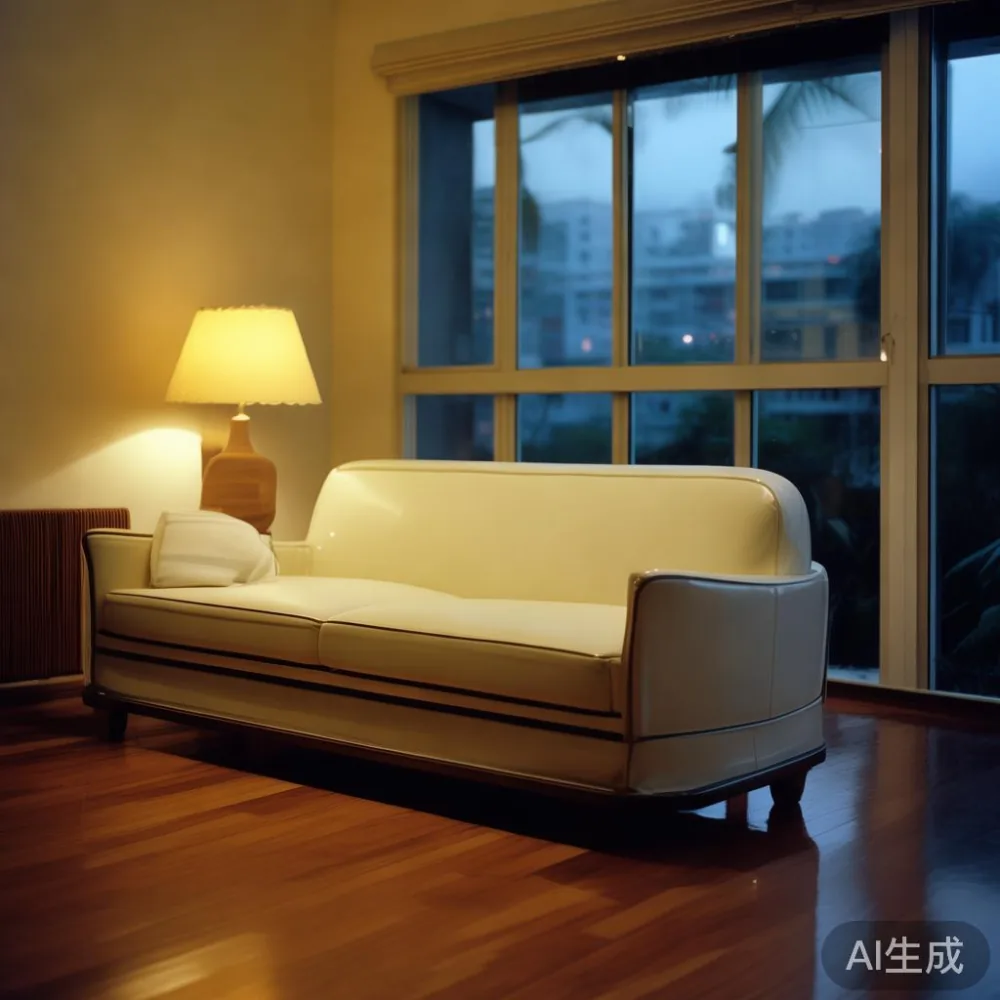
How should I clean a lacquered loveseat?
Start with the least severe method. For routine cleaning, use a clean, lint-free microfibre cloth lightly dampened with plain water. Wipe in the direction of the grain or along the surface, then follow with a second dry cloth. The damp cloth should not leave visible water behind. A typical cloth needs only 2–3 sprays or drops of water for an area of 30 × 30 cm.
For fingerprints and light marks, use a small amount of mild, pH-neutral soap diluted in water. Mix roughly 1 teaspoon of dish soap with 500 ml of water, dampen the cloth rather than the loveseat, and test the solution on a concealed area measuring about 5 × 5 cm. Wait 10 minutes and inspect for dullness, colour change, or a sticky patch before treating the full surface.
Do not use vinegar, lemon juice, ammonia, bleach, alcohol-based cleaners, abrasive pads, steel wool, or household polish with silicone. These can attack the lacquer, leave a film, or make the sheen uneven. Do not flood the joints between lacquered panels, and avoid pressing hard around edges where coating can chip.
After cleaning, allow the loveseat to dry for at least 30 minutes before sitting on it. Keep liquids at least 15 cm away from the timber edge. Use a coaster with a minimum diameter of 8 cm under cups and a 20 × 20 cm trivet under hot dishes, even when a serving tray is used. A steaming hotpot can reach 100°C and should never be placed directly on lacquer.
Can humidity cause lacquer to bubble, peel, or dull?
Excessive humidity is a common concern because moisture can enter small cracks, swell the timber below the coating, and place stress on the lacquer film. Repeated swelling and drying may lead to clouding or lifting around joints. A 2–4°C temperature difference between a cold drink and the surrounding air can also produce condensation, especially in an air-conditioned condo or during the evening when indoor temperatures fall quickly.
Keep the loveseat away from an open balcony door when heavy rain is falling and avoid standing damp mats directly against it. In a ground-floor Bedok unit, check the area beneath the furniture every month. If the timber feels damp or the coating is already lifting, reduce direct exposure and have the surface assessed before applying another product.
Do not attempt to flatten bubbles with heat, a knife, or pressure. Heat can darken the lacquer and permanently distort the sheen. Lift the loose edge only if it is safe to do so without pulling attached coating, photograph the damage under daylight, and contact the furniture maker for repair advice.
Where a separate console or sideboard is planned, leave at least 20 cm of circulation space around the loveseat. For those researching an Italian light luxury sideboard, check its finish and dimensions before placing it beside the seat, particularly in narrow corridors where airflow and access are limited.
How do I protect the finish from sunlight and heat?
UV exposure can fade pigments and weaken lacquer over time. Curtains, blinds, or UV-filtering film can reduce direct exposure without making the room feel enclosed. In a Tampines flat with a west-facing window, close the blind before the afternoon sun reaches the loveseat. A reasonable target is fewer than 2 hours of direct sun on the finish each day.
Heat sources need clear distance. Keep the loveseat at least 60 cm from a portable heater and 30 cm from floor vents or air-conditioning outlets. If condensation forms on nearby glass or metal fittings, move the seating or adjust the airflow. Do not use a humidifier directly beside the furniture.
For coordinated rooms, lighting should support the finish rather than attack it. An LED lamp with a colour temperature of 2700–3000 K and a high CRI rating of 90 or above gives accurate colour on the lacquer. Set the lamp at least 45 cm away and below eye level to reduce visible hotspots.
Some homes use a Japanese-inspired bedroom as a retreat and ask how to style Japanese bed in room while keeping furniture practical for the local climate. The answer begins with low humidity around 45–60%, light-coloured cotton textiles, and solid wood pieces placed away from damp walls. The same discipline applies to how to style light luxury bed in room: keep visual contrast, manage condensation, and avoid crowding the piece against an external wall.
What should I do when a spill happens?
Act within 30 seconds for water, juice, coffee, tea, or wine. Blot from the outer edge toward the centre with a dry white cloth. Do not rub, because grit and spilled sugar can scratch lacquer. Then lift any remaining residue with the damp-cloth method described earlier.
Oily stains require a different response. Place a clean paper towel over the mark and lift it straight up after 15 seconds. Repeat with a fresh sheet until no oil transfers. Avoid spraying cleaner directly onto the surface. If a stain remains after 2 attempts, document it in daylight and ask a specialist whether the finish can be refinished without changing its colour.
Ring marks are usually easier to treat than deep scratches, but any household remedy should first be tested over 24 hours on a hidden 5 × 5 cm section. A mark that spreads, becomes sticky, or changes colour should be wiped with plain water immediately.
Have a spill kit within 5 metres of the loveseat. A useful kit contains 2 microfibre cloths, 1 plain paper towel, 1 soft white cloth, and a water bottle with a controlled nozzle. This simple setup prevents a dampened armful of cushions from being pressed against the lacquer while the owner searches for a cloth.
Will moving furniture damage the lacquered surface?
Yes. Lifting by the arms or dragging a solid wood loveseat across tile can stress joints and scrape the coating. Move it with at least 2 adults for models above 45 kg. Check the product manual for the packed weight, and place the loveseat within a doorway wider than its diagonal measurement.
Singapore access needs careful planning. A standard HDB corridor may be about 1.2–1.5 m wide, while residential lift doors can measure roughly 0.8–1.0 m. Remove the loveseat’s cushion and legs if the manufacturer permits it, wrap each protected corner with 3–4 cm of padding, and use a furniture dolly rated for at least 1.5 times the item’s weight. Never place a lifting strap directly around a lacquered edge.
For deliveries to Punggol, measure the lift car, turning radius, landing, and final door before confirming access. The door should open to at least 90 degrees, and there should be 5–10 cm of extra clearance around the packed loveseat. Professional movers should also check for uneven thresholds that could cause the frame to twist.
Small scratches can be managed without immediate repair if the coating remains stable. Clean the area, apply no abrasive product, and protect it from further contact. Deep gouges, lifting edges, or exposed timber need professional attention before moisture enters the damaged area.
How often should a lacquered loveseat be maintained?
A weekly dusting routine prevents grit from becoming part of the abrasion cycle. Use a dry microfibre cloth and work gently across flat panels. A monthly inspection should include checking the underside, rear panels, arm edges, and the area under removable cushions. Look for changes in sheen, tiny bubbles, sticky patches, or colour differences near joints.
Clean visible marks as they appear rather than waiting for a fixed date. In high-use living rooms, wipe frequently touched armrests every 2–4 weeks. Inspect balcony-adjacent furniture after heavy rain and check window-facing panels every 8–12 weeks during the sunnier months.
Do not schedule harsh polishing simply because the surface looks dull. Lacquer does not need a monthly abrasive treatment, and over-cleaning can create a hazy appearance. If a product marketed as a cleaner or polish is considered, obtain its technical data, confirm compatibility with the specific lacquer, and test it first. The cloth should remain clean after each use.
For another room, European light luxury for guest room can work well with a light oak or walnut bed frame, a compact nightstand, and curtains that filter strong sun. If a client asks is European wardrobe worth it, consider the actual fit: a 60 cm-deep wardrobe is practical in many Singapore rooms, but only if the door swing and corridor clearance are measured first.
How can I preserve the warranty and future refinishing?
Keep the purchase documents, care instructions, finish sample, and delivery record together. Photograph the loveseat from 4 angles after installation and again after 30 days. Record the room conditions, including typical humidity and any direct sunlight. These details help distinguish a finish issue from movement caused by unstable flooring or excessive indoor moisture.
MIDHILL offers a 10-year structural warranty on qualifying furniture and lifetime refinishing under the applicable service terms. Warranty and refinishing cover depend on the product, finish, and cause of damage; unauthorised solvents, heat exposure, standing water, or physical impact may affect the claim. Clarify those conditions before using any treatment not supplied or approved by the maker.
Arrange a professional assessment if the lacquer shows blistering, a lifting edge, a deep scratch, or a broad dull patch. Let the specialist identify the lacquer system, test a small area, and choose between spot repair, a careful refinishing process, or replacement of an affected panel. Refinishing should be considered before water reaches the exposed timber.
At purchase time, compare lacquer with an oiled finish if the loveseat will sit beside a balcony or receive frequent spills. Satin oil may be easier to maintain locally, while lacquer offers a crisp, tailored look. The choice should consider light levels, family habits, and the available service support rather than appearance alone.
What is the practical care routine for Singapore homes?
Use a three-level routine. Daily, clear cups and coasters from the loveseat and blot accidental spills. Weekly, dust with a dry microfibre cloth. Monthly, inspect the finish and clean lightly touched areas with diluted mild soap. Twice a year, review window exposure and humidity, and check beneath the furniture for dampness. These intervals are starting points; increase them after rain, renovation, or an extended period away.
For a MIDHILL sofa with a lacquered finish, keep the same discipline: controlled water, soft cloths, stable humidity, and careful movement. A well-maintained loveseat can retain its clean lines and understated light-luxury character while fitting comfortably into the compact, design-conscious homes common around Tampines, Bedok, and Punggol.
Before delivery, confirm the final route, remove doorway obstacles, protect the floor, and check that the room offers suitable temperature and humidity. Free delivery over US$350 is listed for eligible orders, but local GST and the final Singapore delivery quotation should be confirmed before purchase. Returns are generally permitted within 14 days under the stated policy, so customers should inspect packaging, dimensions, and finish before accepting the loveseat.