Caring for a Lacquered Loveseat in Singapore’s Tropical Climate
A lacquered loveseat can make a compact Singapore home feel composed and welcoming without crowding the living area. The challenge is humidity: heat, rain, salt-laden air, and repeated air-conditioning cycles can affect lacquer, timber movement, hardware, and fabric finishes over time. With a measured routine, a lacquered solid wood sofa can retain its colour and sheen for years.
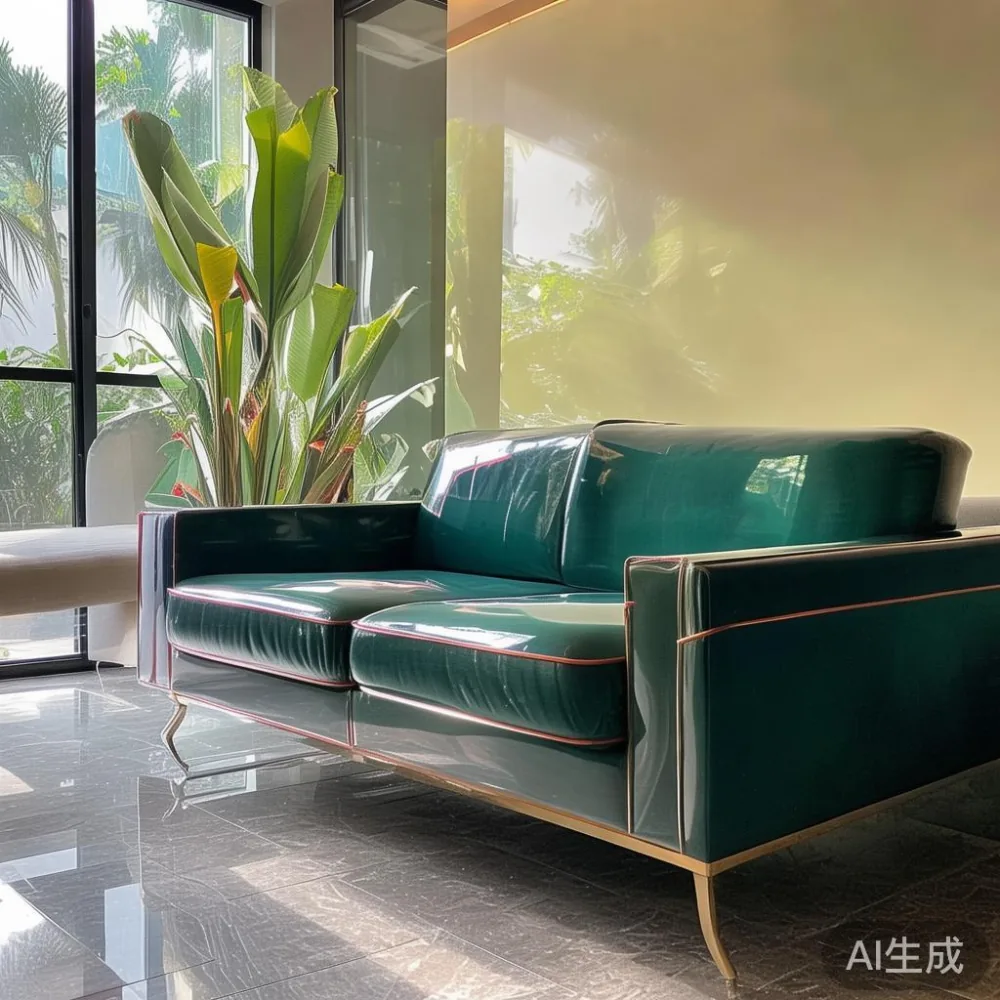
Singapore’s local conditions deserve attention. In Tampines, Bedok, and Punggol, many HDB flats and condos face long corridors, narrow HDB lifts, and compact living rooms. A loveseat is therefore attractive not only for its seating width but also because it can suit a 180 cm-wide HDB lift more easily than a large three-seat sofa. Before delivery, confirm the packed dimensions, lift door width, and turning space with your supplier. Allow 7–14 delivery days for made-to-order pieces, and factor in GST for budgeting.
MIDHILL has exported solid wood furniture to more than 15 countries since 2008 and provides a 10-year structural warranty, lifetime refinishing, and 14-day returns. Its solid wood sofa range includes lacquered loveseats suited to the restrained proportions of Singapore apartments, where French light luxury, American light luxury, and post-modern light luxury can be expressed with clean profiles rather than oversized ornament.
How should I care for a lacquered loveseat in Singapore’s humidity?
Begin with distance from persistent moisture. Keep the loveseat at least 60 cm from an open balcony door, kitchen splash zone, or bathroom doorway. If a damp balcony is unavoidable, use a powder-coated or anodised aluminium screen with a minimum 70% open area, and close it during heavy rain. Do not place the piece against an air-conditioning vent; direct airflow can dry one section faster than another.
Target indoor relative humidity around 45–65% when practical. Singapore homes often swing between daytime humidity above 70% and air-conditioned rooms near 50%. A calibrated hygrometer costs about SGD 25–60 and gives a more useful reading than a weather app. If readings remain above 65% for several hours, improve ventilation for 20–30 minutes rather than trying to remove moisture from the lacquer with heat.
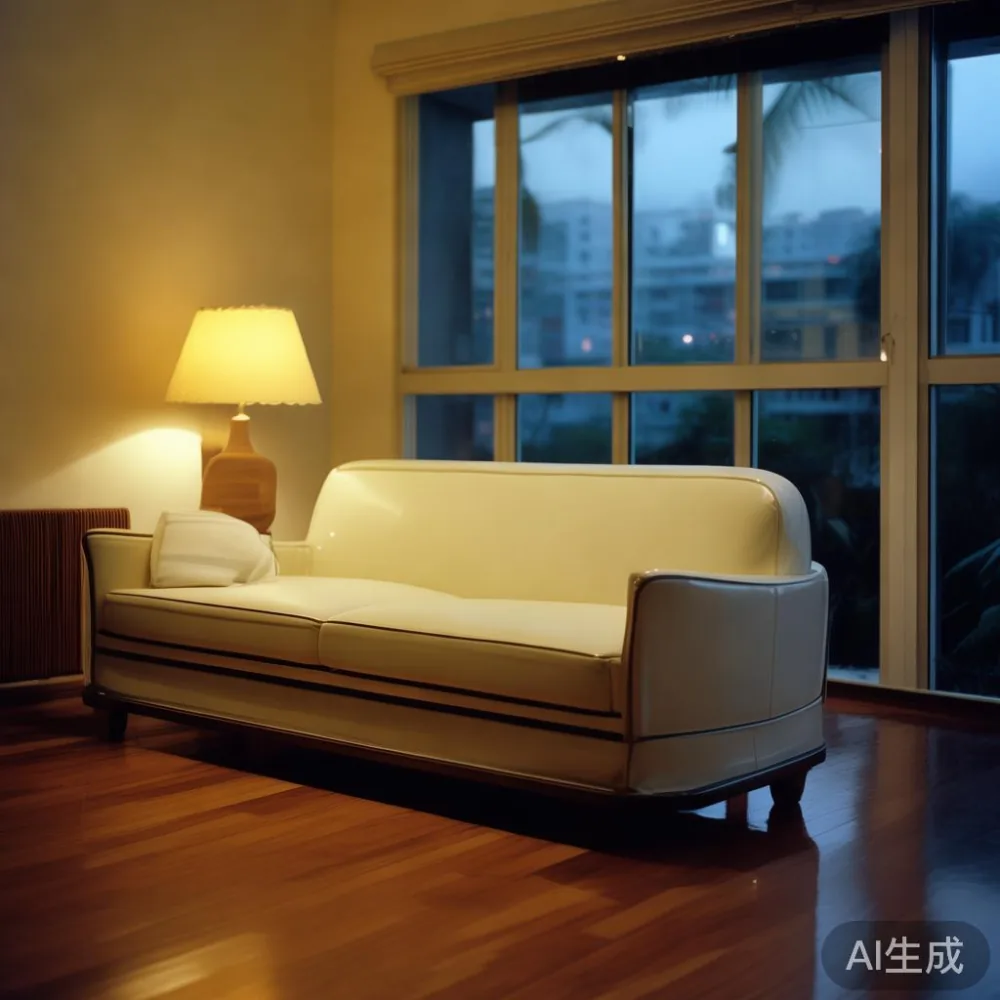
Use a soft, dry microfibre cloth for routine dusting. Wipe with the grain, using light pressure of no more than about 1 kg. Vacuum upholstery weekly with a brush attachment at low suction and keep the nozzle 3–5 cm above the surface. Avoid steam cleaners, alcohol-based sprays, ammonia, bleach, silicone polish, and wet wipes containing solvents. Some “wood cleaner” products leave an oily film that can make lacquer appear patchy or encourage dust to cling.
For a small spill, act within 30 seconds. Blot from the outside towards the centre, do not rub, and use a barely damp cloth. If the lacquer feels tacky, stop using moisture and allow it to evaporate in a ventilated room. Lacquer finishes vary by formulation, so test any approved cleaner on a concealed 5 cm × 5 cm area for 24 hours.
What makes tropical lacquer care different from dry-climate care?
Humidity changes the movement of solid wood beneath the finish. High humidity can cause swelling; alternating humid and air-conditioned conditions can make timber expand and contract repeatedly. A lacquer film is comparatively dimensionally stable, but repeated dimensional movement can create fine stress marks around joints, edges, and veneered panels. The answer is not frequent polishing. It is stable humidity, gentle cleaning, and prompt attention to scratches or chips.
Watch for warning signs such as a dull haze, tiny bubbles, lifting at an edge, white spotting, or a sticky patch. These may indicate moisture contamination, a finish defect, or cleaning residue. Do not attempt a full refinish simply because the surface looks dull. Clean it first, photograph the area under daylight, and contact the manufacturer if the mark remains after 48 hours.
Seasonal planning also matters. Before monsoon periods, inspect seals around windows and balcony thresholds. During dry weeks, do not compensate with furniture polish; maintain moderate humidity and keep the loveseat away from radiators or direct sun. A sheer curtain can reduce UV exposure while retaining daylight. If one side receives stronger afternoon light, move the loveseat 20–30 cm or rotate it every 2–3 months to distribute fading.
The same discipline applies to nearby furniture. A lacquered bed frame should not be pushed against a humid exterior wall, a dining table should have coasters and felt pads, and a wardrobe should have 3–5 cm clearance at the back where ventilation is possible. A marble table used as a side surface needs its own protective treatment because acidic liquids can etch stone even when the lacquer on the loveseat is sound.
How do I remove fingerprints, scuffs, and sticky residue without damaging lacquer?
Fresh fingerprints usually lift with a clean microfibre cloth that has been slightly dampened with water and then wrung out. Treat the cloth as damp cloth, not a wet cloth: hold it against clean paper towel, and it should leave no visible water trail. Wipe a 20 cm section, then dry with a second cloth.
For dry scuff marks, use a clean, soft cotton cloth and move in straight lines. Pressure should be gentle; hard rubbing can create swirl marks. If residue remains, consult the finish supplier before selecting a solvent. The word “lacquer” may refer to nitrocellulose, acrylic, or water-based lacquer, and a product suitable for one may cause discolouration on another.
Sticky residue requires a different sequence. First identify the source: candy, adhesive, cleaning product, or repair compound. Remove loose material with a dry cloth. Place a white cotton cloth over the residue and use a warm, not hot, metal spoon for 10–15 seconds; the heat can soften some adhesives without flooding the finish. Lift the cloth rather than dragging it. For persistent residue, send a photograph to the manufacturer and wait for finish-specific instructions.
Never use steel wool, scouring pads, razor blades, erasers, or abrasive chalk. These can cut through lacquer and expose timber. After any incident, inspect under 1,000-lux daylight and with a 10× magnifier. Minor marks may improve after professional refinishing, which is why lifetime refinishing support is valuable for a long-term solid wood sofa.
Can a compact loveseat fit through an HDB lift and condo corridor?
It can, but the finished width alone is not enough. Ask for the loveseat’s dimensions, carton dimensions, and the packed weight in kilograms. A compact two-seater may be around 140–170 cm wide, 75–90 cm deep, and 70–85 cm high, while weight varies from roughly 35–60 kg depending on timber and construction. Do not assume a unit labelled “compact” will clear every access route.
Measure the lift door opening, internal depth, internal height, and the diagonal needed to turn the carton. A 90 cm-wide lift may accommodate a narrow package, but the carton also needs enough floor space for pivoting. Leave a 60 cm standing space during delivery where possible. For a condo, measure the parking-to-lobby route, security gate, turnstiles, and the narrowest corridor. Add at least 10 cm to every recorded clearance to allow for packaging irregularities and measurement error.
Singapore projects may have loading bays reserved by property management, and the delivery window can require a booking. Keep the route clear of shoes, bicycles, and shoe cabinets for at least 30 minutes before arrival. Protective blankets and floor panels reduce the risk of marks on common corridors. For a staircase route, check whether the turn at the half-landing can accommodate the carton; removing a door may create a faster option than forcing a large package around a corner.
For small apartments, the search for Japandi for small living room layouts often leads to a two-seat design with slim arms and a 150–165 cm width. This also fits the current interest in designer European light luxury furniture, where scale, material quality, and restrained details matter more than visual bulk.
How should a lacquered loveseat be positioned beside air-conditioning?
Place it where the air-conditioning can reach the room without blowing directly across the finish. Direct airflow from a ceiling vent can create uneven drying, especially if the loveseat is beneath an open window. If the room stays above 28°C for several hours, consider improving the room’s cooling rather than lowering the thermostat aggressively and creating sharp temperature changes.
For air-conditioned bedrooms, allow the room to stabilise before moving or cleaning a lacquered piece. A 2–4°C daily swing is more manageable than a rapid change from 30°C to 19°C. Keep the loveseat 15–30 cm from a wall where possible, but ensure it does not block ventilation. A nightstand may sit beside it with 5 cm of clearance; this also helps you inspect the lacquer and wipe away dust weekly.
In a HDB flat, coordinate deliveries with neighbours because a loveseat carton can obstruct a corridor. Check the building’s moving-in rules, reserve the service lift if required, and avoid the 9–11 a.m. or 6–8 p.m. traffic periods. Professional delivery to the door commonly costs SGD 60–180 within Singapore, while white-glove placement or stairs may add SGD 80–250. Confirm the exact quotation before the booking.
What maintenance schedule should I follow for a lacquered loveseat?
A simple schedule prevents most problems. Dust weekly with a dry microfibre cloth and vacuum weekly with low suction. Inspect the surface monthly under natural light, checking corners, armrests, and areas near tables. Every 3 months, clean the lacquer with a finish-approved damp cloth and check that coasters, felt pads, and ventilation gaps remain intact. Twice a year, review window seals, balcony doors, and nearby air-conditioning vents.
Keep plants and vases stable. Use a coaster with a minimum diameter of 8 cm beneath each vase, and do not place an open vase directly over the timber edge. Ceramic planters can leak mineral-rich water; put them in a waterproof tray and lift them when watering. Avoid scented candles, reed diffusers, and aerosol sprays near the loveseat, because airborne solvents and soot can settle in lacquer and upholstery.
Leather and fabric seats require their own care. Test an upholstery cleaner on a hidden section for 24 hours, and avoid soaking the seams. For leather, use a pH-neutral product sparingly and allow 60 minutes before buffing. For fabric, blot rather than scrub. Pet claws and watch straps can scratch a finish quickly; a small protective mat beneath a busy side table is inexpensive.
Keep a care file with purchase documents, finish specifications, cleaning instructions, and dated photographs. If damage occurs, record the conditions: humidity, temperature, cleaning product, and how long the stain remained. Precise information helps a furniture specialist distinguish lacquer chemistry from movement in the timber.
How do I match a lacquered loveseat with other solid wood furniture?
Match the undertone before the colour. Warm walnut usually pairs well with brass or champagne-metal details, while pale oak supports matte black or brushed nickel. French light luxury often combines cream upholstery, curved profiles, and subtle metallic accents; American light luxury tends toward deeper neutral tones and generous proportions; post-modern light luxury can pair lacquer with simple geometric forms. In all cases, keep the palette to 2–3 dominant colours.
Scale is important in Singapore homes. A compact loveseat can be balanced by a narrow dining table, a slim bed frame, or a small wardrobe rather than a visually heavy suite. If an Italian light luxury sofa is being considered, check its depth and arm clearance as carefully as its colour. A 210 cm sofa may overwhelm a 3 m living room, while a 150–165 cm loveseat can preserve circulation.
Many shoppers also ask whether is Japandi bed worth it for a compact HDB bedroom. The answer depends on storage and circulation, not only style. A low-profile bed frame may suit Japandi for small living room planning when drawers provide useful storage, but it should still leave 60 cm beside the mattress for dressing and 80–90 cm at the foot where space permits.
For a guest room, the phrase French for guest room décor can guide the choice toward a slim loveseat with an elegant profile, a marble table, and a narrow nightstand. Use a 5–10 cm gap between the loveseat and side surfaces, and avoid placing the marble table against the lacquered wood unless a protective barrier is used. Marble is porous to varying degrees, and contact with wet metal rings or acidic liquids can leave lasting marks.
For customers comparing complete schemes, under 2000 Coastal furniture is a useful budget reference for the wider room, though the individual pieces may not all use lacquer. A coordinated solid wood sofa, bed frame, dining table, wardrobe, and nightstand can still work if timber tone, edge profiles, and hardware are consistent. Check every finish in daylight before approving delivery, since lighting in showrooms and show flats can distort both lacquer and marble.
What should I do if lacquer is scratched, cloudy, or peeling?
Do not apply a generic touch-up pen. Clear lacquer, tinted lacquer, and conversion varnish have different solvents, colours, and curing behaviour. First establish whether the issue is surface contamination, a scratch through the finish, or a lifting film. A fingerprint can look like a white haze, while a genuine coating failure often has a defined edge, trapped bubbles, or exposed timber.
For a small scratch, clean around it with an approved method and wait 24 hours. Photograph it with a ruler for scale and contact the supplier. Keep children and pets away if there is sticky residue, because it can attract dust and transfer to clothing. Do not place a plastic sheet directly over the area for long periods; trapped moisture can worsen adhesion.
For widespread clouding across more than 10% of the surface, stop using household cleaners. For lifting or peeling across a longer edge, move plants, trays, and direct heat sources away and arrange a finish inspection. Professional refinishing can correct many colour and sheen issues, but the method depends on the original lacquer and the amount of bare wood. MIDHILL’s lifetime refinishing service provides a practical route to restoring a solid wood sofa without replacing the whole piece.
My colleague visited a lacquered loveseat in a Bedok condo last month after it had been exposed to balcony humidity for roughly 6 months. The finish had not peeled, but a 12 cm section beside the balcony door had developed a dull, tacky appearance. We left the room ventilated for 45 minutes, wiped it with a clean cloth, and found that trapped moisture and a sugary drink film—not lacquer failure—were responsible. The area recovered after cleaning and improving the balcony threshold seal. That visit reinforced a useful rule: diagnose before you sand, polish, or replace.
For long-term care, use the furniture as the centre of a controlled environment rather than treating the finish as immune to Singapore’s climate. Keep liquids away, manage humidity within a sensible range, arrange professional delivery carefully, and inspect the loveseat every month. With those habits, lacquer can remain an elegant surface for many years while fitting the practical dimensions of HDB flats and condos.