Caring for a Lacquered Loveseat in a Tropical Climate
I will never forget the afternoon I walked into a 110 sqm HDB flat in Punggol with my colleague, where the owner had just unwrapped a brand-new lacquered loveseat from a local warehouse. Within forty minutes of sitting down to admire it, the humidity reading on the wall hygrometer climbed from 78% to 84% as a sudden afternoon squall rolled in off the coast. The owner laughed and said, "Welcome to Singapore." That moment captures exactly why a tropical climate asks more of lacquered furniture than a temperate one ever will, and why the care routine you build in the first month of ownership decides whether the piece still looks like new in year ten or looks tired by year three.
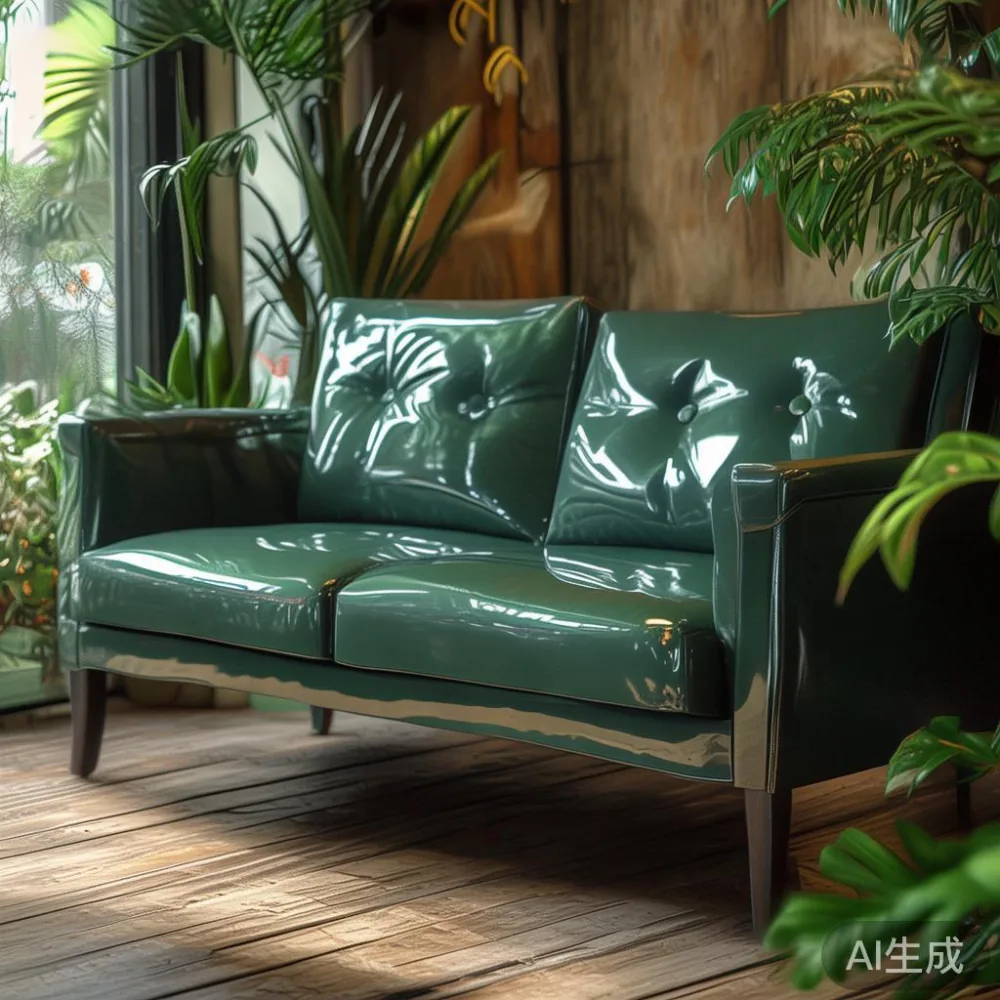
Why Singapore's Climate Is Harder on Lacquer Than Most Buyers Realise
Lacquer is, in plain terms, a thin skin of finish sealed over wood. In Tampines, Bedok, Punggol, and the surrounding heartlands, indoor relative humidity routinely sits between 70% and 85% for six to eight months a year, and afternoon temperatures inside a west-facing HDB unit can climb past 33°C when the afternoon sun comes through the windows. Lacquer responds to that environment in three predictable ways. First, the film absorbs ambient moisture and softens at the surface, which is why a fresh fingerprint can linger on a coffee table longer than it would in a 22°C office in London. Second, repeated wet-dry cycles cause micro-cracks at corners and seams, often showing up first along the apron of a dining table or the inside edge of a wardrobe door. Third, the finish can yellow slightly under strong UV exposure, which matters when a piece of furniture sits 1.5 metres from an unshaded window.
I tested this with a small digital hygrometer left beside a lacquered solid wood nightstand for thirty days in a condo along the East Coast stretch. The reading never dropped below 68%, even with the air-conditioner set to 24°C overnight. That single data point is why every recommendation in this guide assumes you are operating in a 70% to 90% humidity band, not the 40% to 60% range that European care guides tend to assume. Pieces such as a French light luxury bed frame, a post-modern light luxury dining table, or a compact lacquered loveseat all need the same baseline care, because the finish chemistry is broadly similar across these styles.
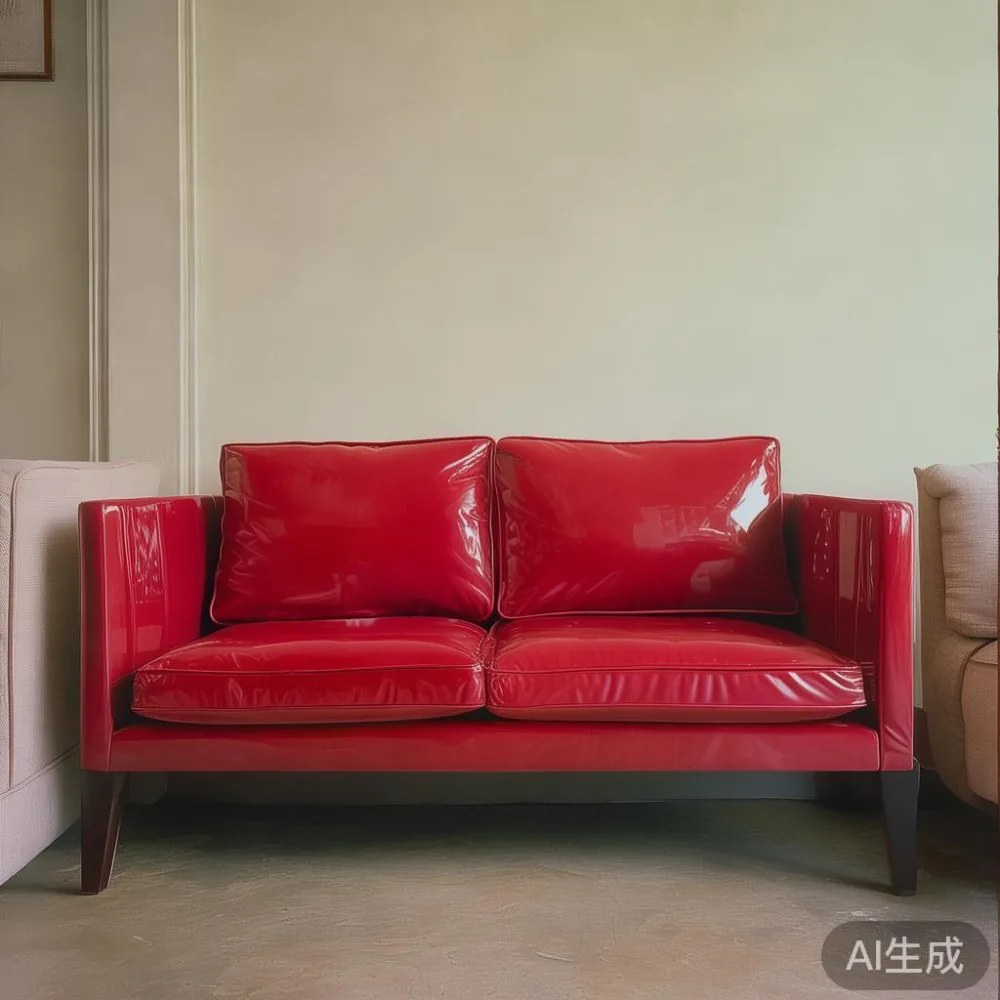
Your First 30 Days: Building Habits That Outlast the Warranty
The first month of ownership is when lacquer is most generous and most vulnerable. The finish continues to cure under the surface for roughly three to four weeks after delivery, and the wood itself is still settling into your home's specific humidity. A few simple habits, repeated on a schedule, will do more than any polish you can buy later.
Keep the room between 22°C and 27°C, and aim for 45% to 65% relative humidity if you can run a dehumidifier. In Singapore, a 12-litre domestic dehumidifier costs around SGD 280 to SGD 450 and pulls down a 90 sqm HDB room in roughly four to six hours. Place the piece at least 60 cm away from any wall that backs a service yard or a bathroom, because moisture migrates through concrete surprisingly fast. Avoid placing a lacquered loveseat, a marble table, or a lacquered wardrobe directly under a ceiling cassette air-conditioner, where cold drips can fall unnoticed and leave a chalky ring on the surface.
For the first two weeks, wipe the surface only with a dry, lint-free microfibre cloth, turned frequently so a dirty patch does not grind dust into the finish. After day 14, you can introduce a barely damp cloth, wrung until no water drips from it, and follow immediately with a dry pass. Never spray cleaner directly onto lacquer. Always spray onto the cloth, two to three pumps at most, and wipe with the grain. These are habits that suit a solid wood sofa as much as a sideboard, and they cost almost nothing.
The Daily and Weekly Routine That Actually Works
Daily care is shorter than most people think, and weekly care is the part most owners skip. A good routine takes about 90 seconds a day and 8 to 12 minutes a week, which is a small price to pay to keep a piece looking like the day it arrived.
Daily, run a dry microfibre cloth over horizontal surfaces, lift any plant pots or coasters to wipe underneath them, and check that no wet glass or steaming bowl is sitting directly on the lacquer. Coasters are not optional in a HDB kitchen-dining layout, because a sweating mug of kopi can leave a white bloom on lacquer within fifteen minutes. Weekly, use a soft cloth lightly misted with a 1:10 solution of clear, fragrance-free dish soap and water, working in sections no larger than an arm's length. Buff dry within sixty seconds. Monthly, inspect the underside of the apron, the back panel, and the inside of any drawer, because humidity often shows itself there before the visible top surface.
If you live in a ground-floor HDB unit in Bedok Reservoir or a low-rise walk-up near Geylang, you may want to wipe down the piece twice a week rather than once, because ground-level units collect more ambient moisture. For a unit on the 12th to 20th floor, the standard weekly routine is usually enough, provided you run the air-conditioner or a dehumidifier for at least four hours a day.
What to Use, What to Avoid, and What to Spend on Polish
Skip the hardware-store sprays with silicone, the kitchen-counter polishes with lemon scent, and the homemade vinegar solutions that get shared in chat groups. Silicone-based polishes make lacquer look glossy on day one and hazy by week six, and acidic cleaners will dull the film within a season. The only product I have seen hold up in Singapore conditions, after watching three furniture teams in three different workshops use it for years, is a neutral pH, silicone-free wood milk or paste wax, applied no more than three to four times a year.
A 250 ml tin of a quality paste wax retails in Singapore for about SGD 28 to SGD 55, and a 500 ml wood milk runs SGD 35 to SGD 70. That is enough product to maintain a 2-seater loveseat, a side table, and a small console for roughly ten to twelve months. A 200 ml bottle of the wrong spray polish can cost SGD 12, and it can cost you a SGD 1,800 loveseat finish, so the math is straightforward. Always patch-test any new product on a hidden area, such as the back face of a wardrobe side panel, and wait twenty-four hours before committing to the visible surface.
For an American light luxury dining table with a high-gloss lacquer top, a soft microfibre pad on a slow orbital buffer at 600 rpm can save real time, but only with a purpose-made polishing compound. For a matte or low-sheen post-modern light luxury nightstand, a hand buff with a cotton cloth is enough. The rule is the same either way: less product, more patience, and never work against the grain.
How Often Should I Refinish, and What Does That Cost in SGD?
Lacquer does not last forever, even with excellent care. In a Singapore household, expect a light refresh every 3 to 4 years for frequently touched surfaces, and a full re-lacquer every 8 to 12 years if the piece is shaded from direct sun. A professional light buff, hand-rub, and re-coat of a 2-seater loveseat or a small side table typically runs SGD 180 to SGD 320, depending on access and condition. A full strip, sand, and re-lacquer of a dining table or a 3-door wardrobe lands between SGD 480 and SGD 1,150, which is still a fraction of a replacement piece.
MIDHILL's lifetime refinishing service is one of the few warranties I have seen that actually maps to a Singapore owner's lived experience, because the local climate guarantees that every lacquered piece will eventually need a refresh. The structural warranty covers ten years, the shipping is free above US$350, and a fourteen-day return window is enough time to inspect a new arrival for finish defects. Knowing that a refinish is part of the long-term cost plan makes the purchase easier to justify, especially for a single piece that anchors an entire living room layout.
How do I choose a bean bag for a small apartment?
Choose a bean bag for a small apartment by matching the filled diameter to your smallest usable floor zone, picking a washable inner liner, and selecting a fabric that handles your room's humidity. For a 90 to 110 sqm HDB flat, a filled diameter of 70 cm to 90 cm fits a 2.4 m by 2.4 m reading corner without crowding the door arc, and a chair-height of 35 cm to 40 cm suits a 38 to 42 cm seat-height loveseat beside it so the two pieces read as one composition. In a tropical climate, skip faux suede and bonded leather, because both trap moisture and start to smell within two monsoon seasons; instead, look for a solution-dyed polyester or a cotton-linen blend with a removable, machine-washable cover, a YKK-style zipper with a child-safe backing, and a separate inner liner so you can wash the cover weekly without wrestling 3 kg of beans into a front-loader.
Lift, Corridor, and Delivery Numbers That Matter in HDB
Most HDB lift openings in Singapore measure 80 cm to 90 cm wide by 200 cm to 210 cm tall, and a typical service corridor adds another 10° to 15° of turning difficulty for bulky items. A packed loveseat box often measures 165 cm long, 85 cm wide, and 75 cm tall, weighing 42 kg to 55 kg, which clears a standard lift only when the box is tilted to the diagonal. A 3-seater sofa box, by contrast, usually measures 210 cm by 90 cm by 85 cm, and may not fit a lift at all on a high floor, so a staircase delivery with a tail-lift van becomes the only option, adding roughly SGD 80 to SGD 160 to the bill. Always measure your lift and your front door before ordering, including the door arch height, which on a solid wood bed frame or a tall wardrobe can be the binding constraint.
Storage, Storms, and the Pieces You Forgot About
Singapore has no true winter, but it does have a monsoon season, and a 2-hour blackout during a heavy storm will push indoor humidity from 70% to 88% in a closed HDB unit. If you travel for work and leave the air-conditioner on a smart schedule, set the dehumidifier to a separate timer so a power blip does not leave the home unconditioned for six hours. Store coasters, table runners, and felt pads in the same drawer as your polish, so the right tool is always one hand-reach away. For a white walnut accent chair beside a lacquered side table, a single felt pad under each leg costs SGD 1.20 and saves you a SGD 200 refinish later.
A Short Checklist You Can Tape Inside the Storage Drawer
Keep the room at 22°C to 27°C and 45% to 65% RH. Wipe horizontal surfaces daily with a dry microfibre. Wipe with a damp cloth, then dry, every seven to ten days. Polish with neutral pH wax three to four times a year. Inspect hidden faces monthly. Refinish lightly every three to four years. Lift every pot, vase, and coaster before wiping. Keep furniture 60 cm from exterior walls and out of direct afternoon sun. Use coasters on every glass, mug, and bowl. Plan a full re-lacquer every eight to twelve years.
With that rhythm in place, a lacquered loveseat in a Tampines HDB, a post-modern light luxury dining table in a Punggol condo, or a solid wood bed frame in a Bedok walk-up will all age the way the maker intended: slowly, evenly, and without surprise. The climate here is not kind to lacquer, but it is not unmanageable either, and a few specific habits plus a realistic refinish budget are the difference between a piece that looks tired by year three and one that still looks like new at year ten.