The Long-Term Value of a Solid Wood Loveseat: A 5-Year Singaporean Perspective
Choosing furniture for a Singaporean home is a careful balancing act. We work through the realities of HDB flats and condominiums, from the narrow lift corridors in older estates like Bedok and Tampines to the more generous spaces in newer developments like Punggol. We consider the 9% Goods and Services Tax (GST) on every purchase and think about how a piece will look and function for years to come. For a centrepiece like a loveseat, the material choice—veneer or solid wood—has significant financial implications over the long term. This article breaks down a 5-year cost comparison, providing concrete numbers and real-world scenarios to help you make an informed decision.
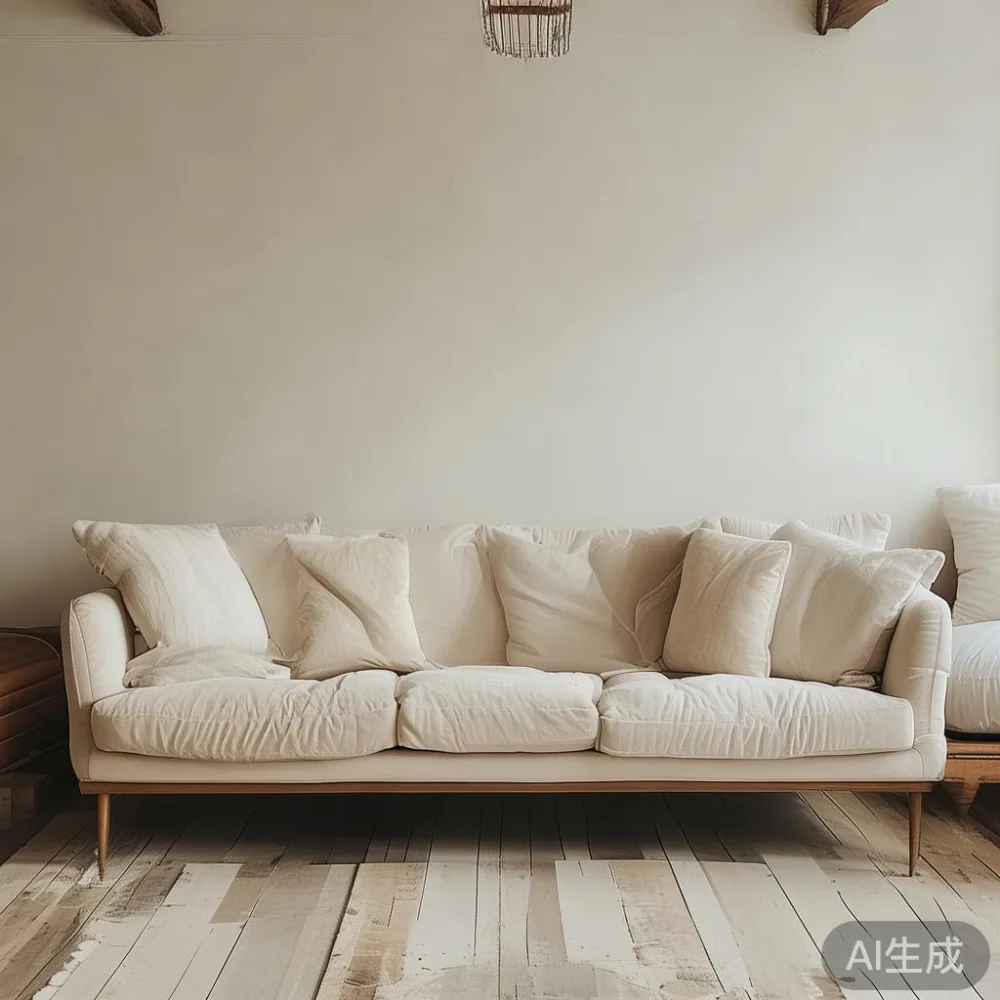
Understanding the Materials: What Veneer and Solid Wood Actually Mean
Before we get into the numbers, let's clarify what these terms mean. A veneer loveseat is constructed from a base material, typically plywood or MDF (Medium-Density Fiberboard), which is then covered with a very thin layer of real wood. The thickness of this wood layer is usually between 0.6mm and 3mm. It's designed to mimic the appearance of solid wood but at a lower initial cost. Think of it as a photograph of wood grain; it looks real, but it lacks the depth and substance of the real thing.
A solid wood loveseat, on the other hand, is made from a single, solid piece of lumber, such as oak, walnut, or teak. The frame, legs, and even the armrests are carved from this solid material. This construction method is more labour-intensive and uses premium raw materials, which is reflected in the higher initial price point. The difference is not just cosmetic; it's fundamental to the furniture's durability, repairability, and longevity.
The Initial Investment: A Head-to-Head Price Comparison
The most immediate difference between veneer and solid wood loveseats is the price tag. Let's look at two comparable styles from a hypothetical furniture retailer to establish a baseline. Both loveseats are 150cm wide, 90cm deep, and 85cm tall, designed to fit comfortably in a typical Singaporean living room.
The veneer option, a 'Modern Minimalist' loveseat with a walnut finish, is priced at S$1,200. After adding the 9% GST, the final cost is S$1,308. It arrives flat-packed in two boxes, each weighing approximately 25kg, and takes about 14 days for delivery to a Tampines address.
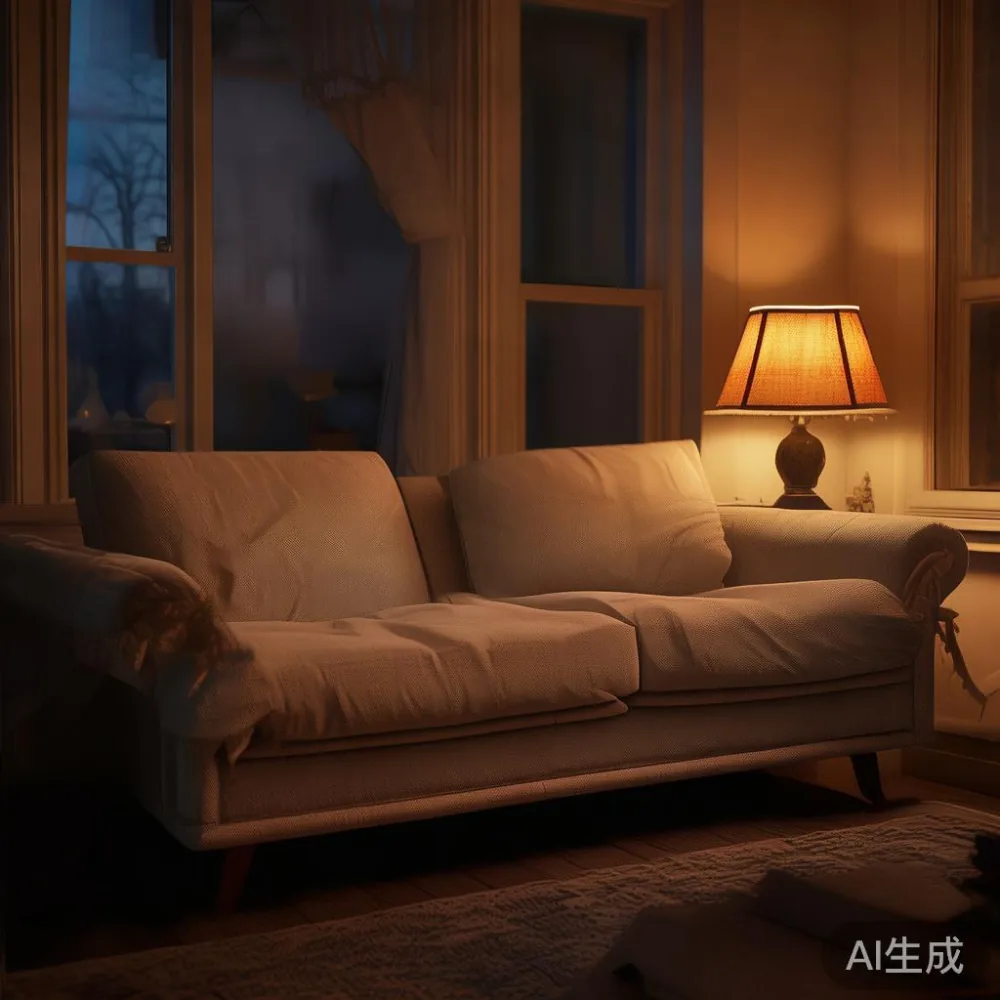
The solid wood option, a 'Classic American Light Luxury' loveseat made from solid oak, is priced at S$2,800. After GST, this comes to S$3,052. It arrives in a single, heavy box weighing 55kg and has a delivery time of 21 days due to the more complex manufacturing process.
At this stage, the veneer loveseat appears to be the clear winner, costing S$1,744 less. But this is only the first chapter of the story. The true cost of ownership unfolds over time.
Year 1-2: Maintenance and the First Signs of Wear
The first couple of years are where the differences in maintenance become apparent. A veneer loveseat requires gentle care. You must use coasters under all drinks to prevent moisture rings, as the thin wood layer can absorb liquids and swell, causing permanent damage. Harsh chemical cleaners can strip the finish, exposing the cheaper MDF or plywood underneath. A professional cleaning service might cost S$80 to S$120 once a year.
p>A solid wood loveseat is far more forgiving. Its dense, natural grain is resistant to minor scratches and moisture. A simple wipe with a damp cloth is usually sufficient for cleaning. The finish is thicker and more durable. My colleague, Sarah, who lives in a Bedok HDB, bought a solid wood loveseat last year. She mentioned how her young son's crayon marks, which would have ruined a veneer surface, came off easily with a little bit of wood polish. This low-maintenance nature saves both time and money on specialist cleaning products.
By the end of year two, the veneer loveseat might start to show signs of wear at the stress points, like the armrests or the edges of the seat cushions. These areas can begin to 'delaminate,' where the thin wood layer starts to peel away from the MDF base. A professional repair for this issue can cost between S$150 and S$300, depending on the extent of the damage.
Year 3-4: The Repair Crossroads and Structural Integrity
This is the critical period where the cost of ownership begins to diverge significantly. The veneer loveseat is now more susceptible to structural problems. The MDF or plywood frame, which was never designed for heavy, long-term use, can begin to sag or warp. The internal springs may also lose their tension, leading to an uncomfortable sitting experience. Repairing a sagging frame is often not feasible or cost-effective. The typical solution is to replace the entire loveseat, which means you're back to square one, paying another S$1,308 plus GST.
A solid wood loveseat, however, is built to last. The frame remains strong and stable. The only components that might need replacement are the non-wood parts, such as the cushion fillings or the fabric upholstery. Reupholstering a loveseat costs between S$800 and S$1,500, depending on the fabric choice. This is a substantial cost, but it's a fraction of the price of buying a brand-new, high-quality loveseat. More importantly, you are preserving a well-made piece of furniture instead of discarding it.
During this phase, the resale value also becomes a factor. A 3-year-old veneer loveseat might sell for second-hand for S$200 to S$400, if at all. A 3-year-old solid wood loveseat, however, can retain a significant portion of its value, potentially fetching S$1,500 to S$2,000, especially if it's a well-regarded brand like one from Foshan's established makers.
Is a Solid Wood Loveseat Really Worth the Extra Money?
After four years, the financial picture is much clearer. Let's add up the costs for both options, assuming the worst-case scenario for the veneer loveseat (needing a repair in year two and replacement in year four) and the best-case scenario for the solid wood loveseat (only needing reupholstering in year four).
Veneer Loveseat Total Cost (4 years):
Initial Purchase (Year 0): S$1,308
Repair (Year 2): S$200
Replacement (Year 4): S$1,308
Total: S$2,816
Solid Wood Loveseat Total Cost (4 years):
Initial Purchase (Year 0): S$3,052
Reupholstering (Year 4): S$1,000
Total: S$4,052
On the surface, the veneer option still seems cheaper over four years. However, this calculation misses a key point: longevity. A solid wood loveseat from a reputable maker is often backed by a 10-year structural warranty. This means that if the frame were to fail within a decade, it would be repaired or replaced at no cost. A veneer loveseat typically comes with a 1-year warranty, which may not cover delamination or frame warping.
If we extend our timeline to five years, the solid wood loveset's value proposition becomes even stronger. The veneer loveseat would need another replacement, pushing its total cost to S$4,124. The solid wood loveset, protected by its warranty and still structurally sound, would only incur the cost of reupholstering again in year five or later. This long-term perspective shifts the value decisively in favour of solid wood.
Styling Your Singaporean Home with a Solid Wood Loveseat
Beyond the cost, a solid wood loveseat offers unparalleled versatility in styling. For those who appreciate a clean, uncluttered aesthetic, a solid wood piece fits perfectly into a light luxury living room. A light luxury sofa vs French provincial sofa debate often comes down to material integrity; the former offers a modern, understated elegance that the ornate details of the latter may not suit. A solid wood loveseat in a light oak finish can serve as a neutral anchor, allowing you to play with colourful cushions and throws.
For a bolder statement, a solid wood loveseat with a dark walnut or teak finish can anchor a room with a post-modern light luxury feel. Its clean lines and natural materiality create a sophisticated backdrop. You can pair it with a marble table for a stunning contrast of warm wood and cool stone, creating a focal point that is both luxurious and grounded. This approach to design is about creating a space that feels curated and personal, reflecting a taste for quality over fleeting trends.
The principles of how to style American bed in room can be applied to the living space as well. An American light luxury aesthetic often features substantial, well-made furniture that prioritises comfort and craftsmanship. A solid wood loveseat embodies this philosophy, becoming a gathering place that invites relaxation and conversation. It’s a piece that doesn't need to be constantly updated; it improves with age, developing a rich patina that tells the story of your home.