Solid Wood Furniture Pricing: What Singapore Buyers Are Really Paying For
Solid wood furniture can look deceptively straightforward: a solid wood sofa, bed frame, dining table, wardrobe, nightstand, or marble table appears to be made from timber, so why can prices range from several hundred Singapore dollars to several thousand? The answer lies in the timber, construction method, joinery, finish, dimensions, hardware, and logistics. It also depends on whether the piece is mass-produced or made in smaller batches, and whether the design carries the detailing associated with French light luxury, American light luxury, or post-modern light luxury.
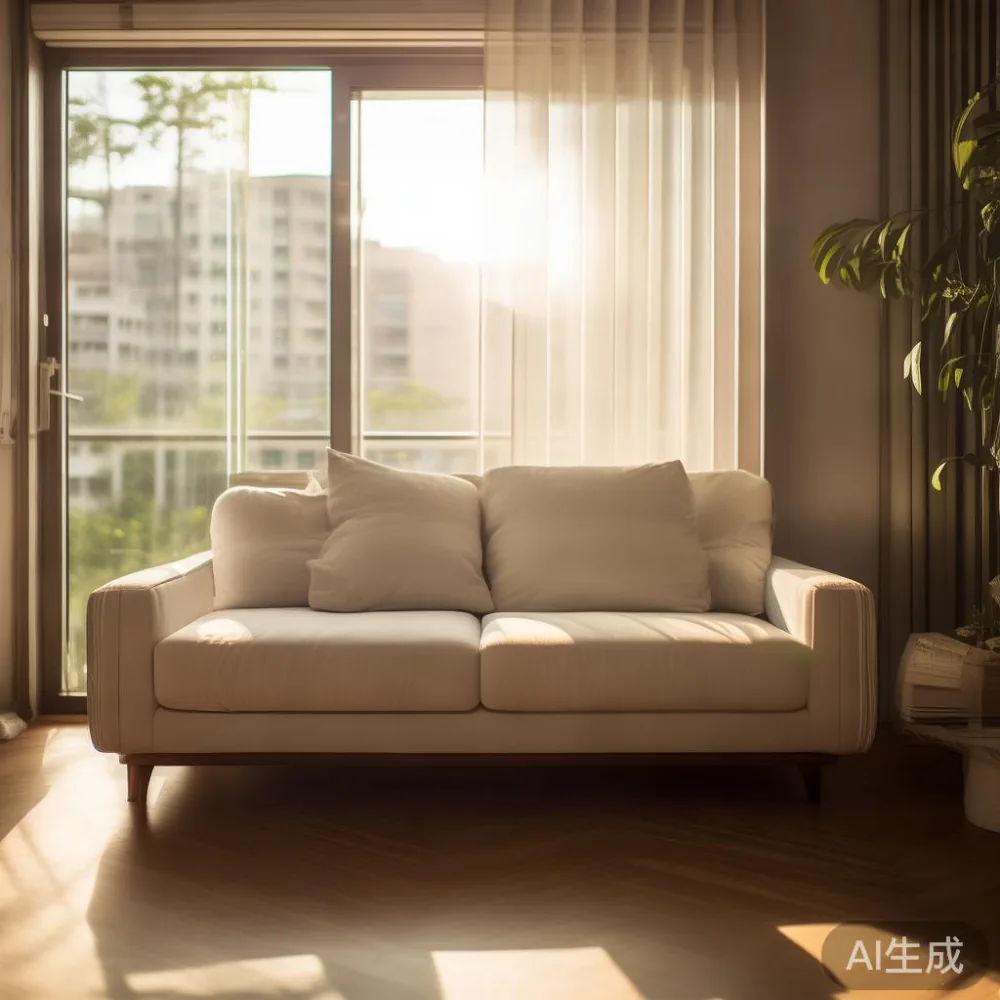
That distinction matters in Singapore, where most residents live in HDB flats or condos in areas such as Tampines, Bedok, and Punggol. A 180 cm dining table may be perfect inside a 10th-floor HDB unit, yet it still has to pass through a lift lobby and corridor. A loveseat with a 94 cm width can enter an HDB lift more easily, although a deep timber frame can still create awkward turning problems. Price is not simply a number printed on a catalogue; it reflects the material and labor decisions made before the furniture reaches your door.
What determines the price of a solid wood furniture piece?
The starting point is the wood species and how much usable timber each board provides. Solid wood is not a single material or a uniform grade. Oak, ash, beech, walnut, teak, and other species differ in density, grain, colour, movement, and defect distribution. A kiln-dried board may contain knots, sapwood, mineral streaks, or small cracks. Higher-grade boards with consistent colour and long grain can cost more because furniture makers must reject or reposition imperfect sections.
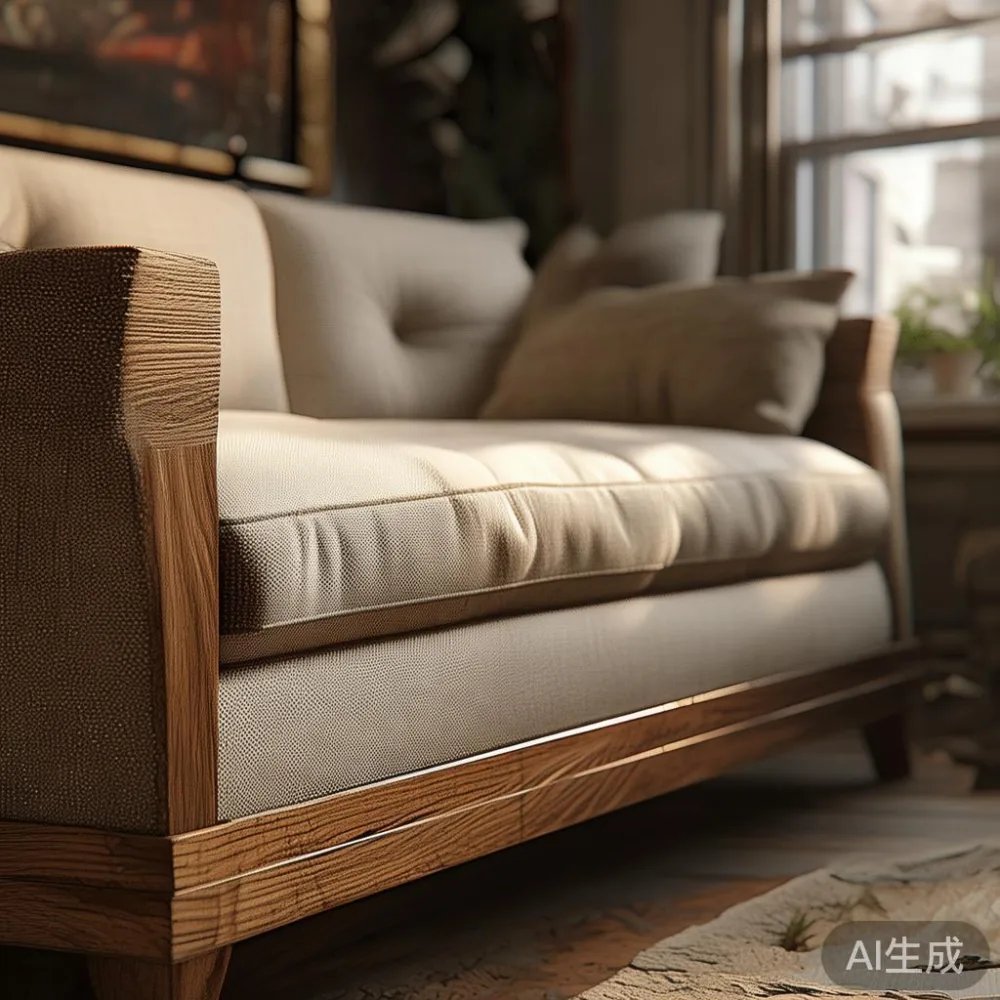
Timber price is also calculated in volume rather than by visible surface alone. A dining table with a 220 × 100 cm top may require around 18–24 board feet of stock, depending on thickness and whether the top is assembled from solid boards or veneer. A nightstand using 0.6–1.0 m³ of timber for an entire production batch can therefore cost more than its small finished footprint suggests. Dense hardwood weighs more, increasing handling and freight costs. For reference, a 200 cm solid oak dining table may weigh 55–85 kg, while a 160 cm solid wood loveseat may weigh 45–70 kg before cushioning is added.
Thickness matters just as much as board width. A 20 mm solid wood top feels materially different from a 40 mm top and uses nearly twice as much timber. That extra mass can improve apparent solidity, but it also raises the price and makes installation harder. The point of this comparison is not that thicker is always preferable; it is that construction specifications should be compared directly rather than inferred from photographs.

Is a solid wood sofa worth its price compared with engineered wood?
A solid wood sofa earns part of its premium through the frame, not merely the visible arms. Look for hardwood rails, dowelled or mortise-and-tenon joints, a properly tied seat platform, and rear supports that do not simply float above the back legs. A 165–180 cm loveseat commonly uses 45–70 kg of frame timber. The frame must resist repeated sitting loads without developing a hollow centre or twisted back.
Engineered components can still make sense in some frames, but the material should be named clearly. Plywood may be appropriate for certain hidden seat decks, while solid timber rails and legs provide the load-bearing structure. A maker should disclose the specifications instead of using “solid wood” as a vague description. For example, buyers should ask whether the back panel, internal rails, feet, and seat supports are solid timber, plywood, or another material.
The upholstery represents another large cost block. A loveseat may use foam densities of roughly 35–45 kg/m³ for ordinary seating, while higher-density comfort foam uses 45–55 kg/m³. Fabric, leather, stitching, piping, cushion count, and removable covers all influence cost. A 170 cm loveseat with two loose cushions may use 3–5 m³ of upholstery materials over its frame, foam, and filling. High-grade fabric treatment adds expense, but fabric alone cannot repair poor joinery.
For Singapore conditions, I would also check after-sales service, particularly because humid air and air-conditioned interiors produce different moisture conditions. Wood should move gently across seasons rather than split. MIDHILL offers a 10-year structural warranty, and lifetime refinishing is an unusual service commitment that can affect the longer-term value calculation.
Why do joinery and finish create such large price differences?
Joinery is where workshop labour becomes visible in the finished piece. Dowels and screws are practical in some assemblies. Mortise-and-tenon joints, finger joints, bridle joints, and carefully fitted hardwood components take more time to cut, align, and secure. Drawer construction deserves particular attention: a solid wood nightstand or wardrobe should use full-extension metal runners where possible, and the drawer box should be designed so its base does not bow under weight.
A hand-finished surface is not automatically more expensive, yet hand sanding, stain matching, and multiple lacquer coats require more hours than a single sprayed layer. A dining table may need 8–12 preparation and finishing stages, including grain filling, sanding, sealing, and curing. Some low-sheen finishes can feel too uniform or plastic, while too much gloss exposes dents. The better result is controlled sheen, even colour, and a surface that can be maintained.
Complex profiles also add labour. A turned leg, carved apron, fluted panel, routed edge, or shaped back rail takes longer to produce than a straight square section. Post-modern light luxury often uses clean planes interrupted by one or two sculpted details; French light luxury may introduce curved arms, tapered legs, and shaped backs. The material may be similar, yet the labour hours differ sharply.
Hardware should be compared by function and specification. A wardrobe may use 35–45 mm slides for heavier drawers, soft-close hinges rated for repeated cycles, and reinforced hanging rails. A nightstand may only need one small drawer, but its slide and hinge should still suit its load. Hardware is normally a small percentage of total price, but replacing poor hinges after delivery can take 45–90 minutes per door and cause damage if the finish is scratched.
How should design style affect your budget?
Style affects price through its construction demands. French provincial design often uses carved details, shaped fronts, and warm wood tones. The question “is French provincial bed worth it” depends on whether those details suit your space and whether the bed frame includes proper centre support. A queen bed around 160 × 200 cm may weigh 50–80 kg and may need two people for delivery.
American light luxury tends toward generous proportions, deep seats, broad arms, and substantial-looking details. A solid wood sofa in this style may be 210–240 cm wide, which creates a different delivery problem from a 170 cm loveseat. It may also require a larger timber package and more upholstery. Buyers should compare usable seat dimensions rather than width: a 220 cm sofa with 48 cm-deep seats can be less comfortable for two people than a narrower model with deeper, better-supported cushions.
Post-modern light luxury is usually more restrained, combining straight silhouettes with softened edges, slim hardware, or mixed material references. Here, precision matters. Gaps of 2–4 mm between doors, aligned joints, and consistent shadow lines indicate careful assembly. If a marble table sits in this setting, the stone itself becomes a separate pricing layer, with thickness, veining, edge treatment, and reinforcement affecting both cost and weight.
Style should follow the room. In an HDB living room with a 90–100 cm sofa zone, a loveseat from 150–180 cm often balances seating and circulation. In a condo lounge, larger proportions may work, provided the lift and corridor permit them. Design should not consume the everyday function of the room.
Will the furniture physically fit into my Singapore home?
Access should be checked before ordering. Typical HDB lift doors measure about 80–90 cm wide, while common passenger lifts can have internal depths around 130–140 cm. A package turned diagonally may fit a lift even when its width exceeds the door opening, but long or heavy pieces may need to stand on end. Measure the lift door, lift depth, corridor turns, and the narrowest doorway before choosing a large item.
For example, a 200 cm dining table top cannot move around a 90-degree corridor turn as one rigid package unless the route is wide enough. Splitting a table into two top sections can reduce the risk of damage and may cost SGD 80–250 more in construction and delivery. A wardrobe can have similar issues: a 240 cm tall model must be tilted or partially assembled, and its panels may need to pass through the lift separately.
Delivery in Singapore commonly takes 7–14 days for in-stock or regularly produced pieces, while custom or batch orders may require 4–8 weeks. Peak renovation periods can add another 7–14 days. Delivery charges and GST may affect the final total. MIDHILL provides free shipping for orders over US$350, though the threshold is stated in US dollars rather than Singapore dollars, so the converted amount should be confirmed at checkout. GST is generally added at 9% for Singapore sales.
Returns are also affected by access and custom dimensions. A 14-day return period gives buyers time to assess condition, but made-to-measure wardrobes and modified dining tables may be excluded. Confirm the written terms before production begins. For a heavy item, professional removal and re-delivery can cost more than many buyers expect.
What do people forget to compare after the sticker price?
Start with total ownership cost, not just the invoice. Ask who will repair the piece, where replacement parts come from, and how long the structural warranty lasts. A 10-year structural warranty covers different concerns from a finish warranty, and a 1–3 year surface guarantee may leave refinishing costs with the owner after that period. Lifetime refinishing can substantially reduce future expense if the service terms include reasonable labour and material coverage.
Care requirements matter in Singapore. Keep solid timber away from direct air-conditioning vents and standing moisture, use a felt pad under the wardrobe, and maintain humidity in a reasonable range. A dining table should not be dragged across tile. Wipe spills promptly, especially with lacquered or oiled surfaces. These measures cannot prevent every movement, yet they reduce avoidable damage.
It also helps to compare pieces using the same checklist. Record species, thickness, dimensions, weight, joinery, finish, cushion density, hardware, delivery timing, warranty, and return conditions. Then compare prices on the same basis. For reference, a 160 cm solid wood loveseat with upholstered cushions might fall around SGD 1,800–3,800 depending on timber, joinery, and fabric. A 200 cm solid oak dining table may range from SGD 2,800–6,500. A wardrobe could sit between SGD 2,200 and SGD 7,000, while a simpler solid wood nightstand may be around SGD 450–1,200. These are broad planning ranges rather than fixed market quotes.
Is light luxury bed worth it for a compact HDB bedroom?
The question “is light luxury bed worth it” has a practical answer: yes, if the bed improves support, proportion, and daily use without overwhelming a compact room. A queen bed measuring 155–165 cm wide may suit an HDB bedroom, while an upholstered or carved headboard can add visual richness without requiring a full French provincial suite. Compare the bed frame’s centre rail, slat spacing, and support legs; appearance should not hide a weak understructure.
For shoppers comparing ranges, the phrase “under 2000 Boho furniture” can be useful when setting a ceiling for a complete room, but mixed boho pieces can create inconsistent quality. A solid wood nightstand, bed frame, and wardrobe evaluated separately may offer clearer value than a visually matched bundle with unspecified timber or hardware.
Buyers searching for the “best Post-modern wardrobe for 2026” should focus on adjustable internal fittings, soft-close hinges, clear material descriptions, and dimensions that work with the room. Post-modern design may suit condos and newer HDB interiors, particularly when pale timber, muted stone tones, and simple profiles are combined. The “best Post-modern wardrobe for 2026” is not one universal model; it is the one with the most useful internal organisation and verified construction.
For those researching trade supply, “wholesale light luxury furniture” is often used by dealers, hospitality designers, and property developers. Wholesale terms can improve unit pricing, but minimum quantities, freight, and finish approvals should be reviewed carefully. A homeowner may obtain more flexibility through a direct maker. The same principle applies to a “MIDHILL coffee table review”: independent feedback is useful, but verify dimensions, timber, finish, and service terms against the current specification.
What is a fair price for solid wood furniture?
A fair price covers the timber actually used, sound construction, controlled finishes, usable hardware, delivery access, and dependable after-sales support. A lower figure may represent a simpler design, lighter timber, hidden engineered components, less labour-intensive joinery, or a lower service package. A higher figure may pay for premium species, hand-finished surfaces, detailed shaping, stronger hardware, or custom sizing. Neither side of the range proves superior quality on its own.
The most useful comparison is therefore a specification sheet. Ask the seller for the wood species, board thickness, net weight, joint method, finish layers, cushion density, drawer hardware, warranty coverage, and delivery estimate. Check whether the quoted price includes GST and access charges. For online orders, retain the product page, written order confirmation, and photographs of the finished item. MIDHILL’s 10-year structural warranty, lifetime refinishing, 14-day returns, and international manufacturing experience since 2008 provide useful context, but every buyer should still compare the current product terms directly.
Solid wood furniture becomes easier to value when timber, labour, hardware, and logistics are separated. You are not merely paying for brown surfaces or a style label. You are paying for measurable material, construction decisions, and support after the furniture arrives. That is the real driver of price—and the basis on which a solid wood sofa, loveseat, bed frame, dining table, wardrobe, nightstand, or marble table deserves a considered purchase.