Preserving the Sheen: A Guide to Caring for Your Lacquered Loveseat in Singapore's Tropical Climate
The Singaporean home is a sanctuary, a personal oasis designed for comfort and style. For many, this sanctuary is adorned with pieces that blend artistry with function. A lacquered loveseat, with its deep, reflective finish and smooth contours, can be the centerpiece of a living room, offering both seating and a statement of sophisticated taste. However, the very climate that makes our island paradise so desirable also presents a unique challenge to maintaining the pristine condition of such furniture. The high humidity, fluctuating temperatures, and intense sunlight common in our HDB flats and condos can, over time, affect the delicate layers of lacquer.
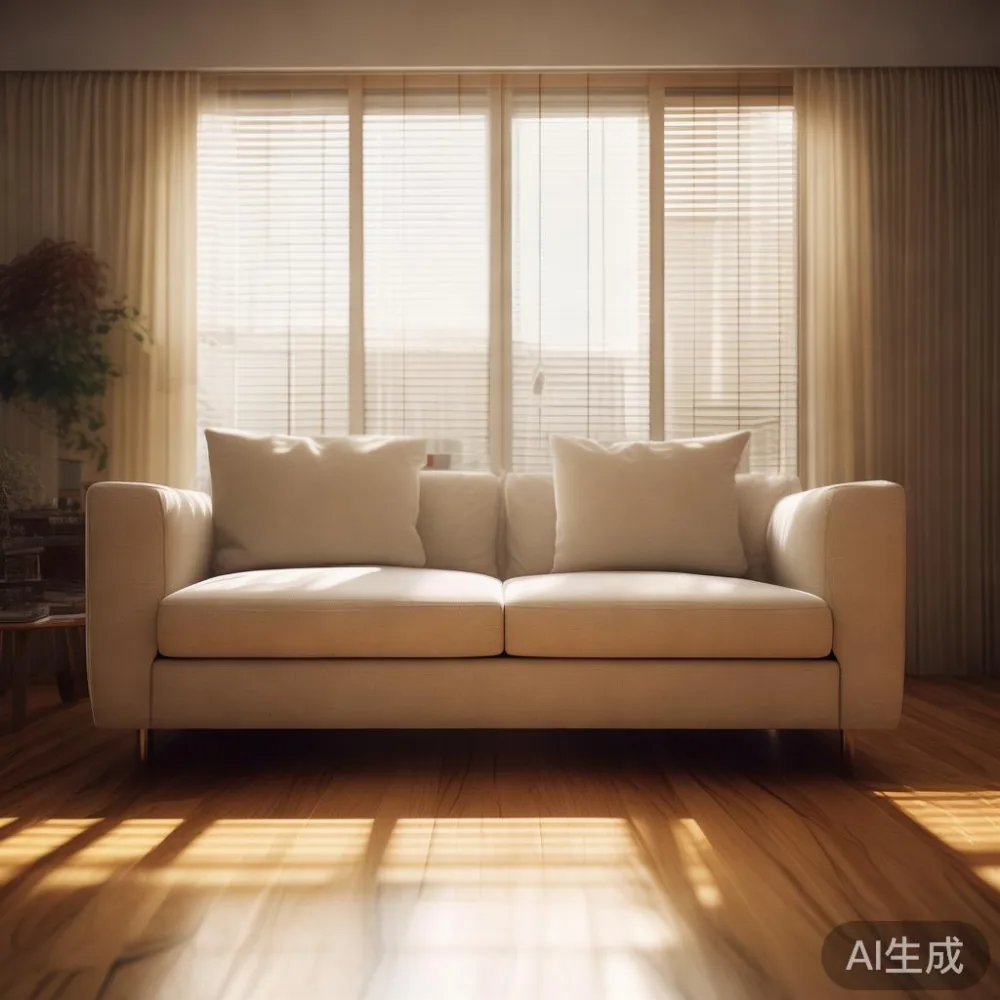
As a specialist with over 15 years of experience in solid wood furniture, I've seen how a beautiful piece can be compromised by neglect or improper care. Last month, I visited a client's condo in Tampines. They had purchased a stunning American light luxury loveseat two years prior. The piece was magnificent, but the owner was distraught. The once-glossy surface had developed a network of tiny, spider-web-like cracks in the lacquer, and the rich colour had faded noticeably in the area where the afternoon sun streamed through the floor-to-ceiling windows. This wasn't a fault of the furniture's craftsmanship, but a classic case of a beautiful finish battling against the relentless Singaporean elements.
This guide is born from that experience and countless others like it. It is designed to provide practical, actionable advice for the discerning homeowner who values their investment. We will explore the science behind lacquer, the specific threats posed by our environment, and a clear, step-by-step maintenance routine. By following these methods, you can ensure your lacquered loveseat retains its lustre and elegance for years to come, becoming a cherished part of your home's story.
Understanding Your Loveseat's Lacquered Finish
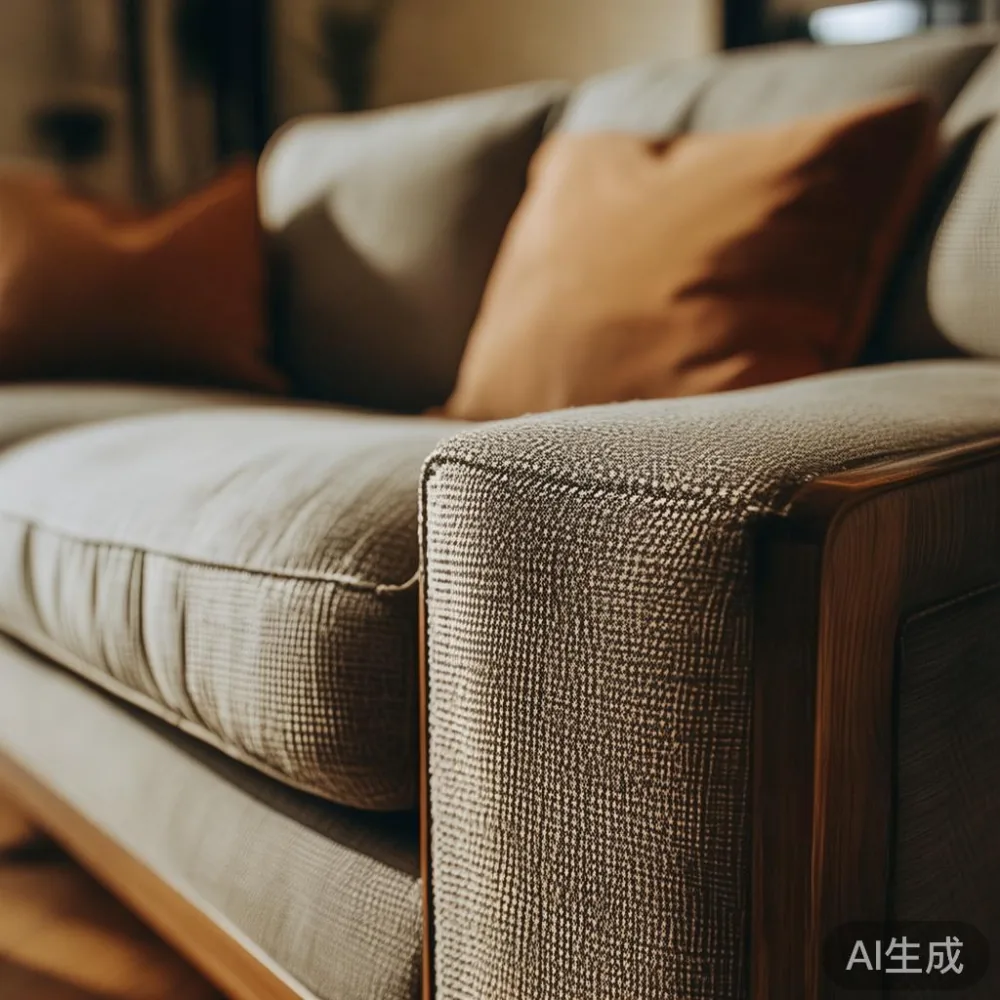
Before we discuss care, it's helpful to understand what you're caring for. A lacquered finish is not a simple coat of paint. It is a multi-layered system applied over the solid wood of your loveseat. The process involves building up numerous thin layers of a clear, hard resin, which is then sanded and polished to an extremely smooth, high-gloss, or satin-matte finish. This creates a durable, non-porous surface that is highly resistant to scratches and stains.
The quality of this finish is paramount. A well-executed lacquer job, like those on a MIDHILL European light luxury sofa, will have a deep, liquid-like sheen that seems to glow from within. It feels cool and perfectly smooth to the touch. The finish is also what protects the wood beneath from moisture, oils, and UV light. In Singapore, where a loveseat might be placed near a balcony in a Punggol apartment or under the bright lights of a Bedok living room, this protective layer is the first line of defence against the harsh realities of our climate.
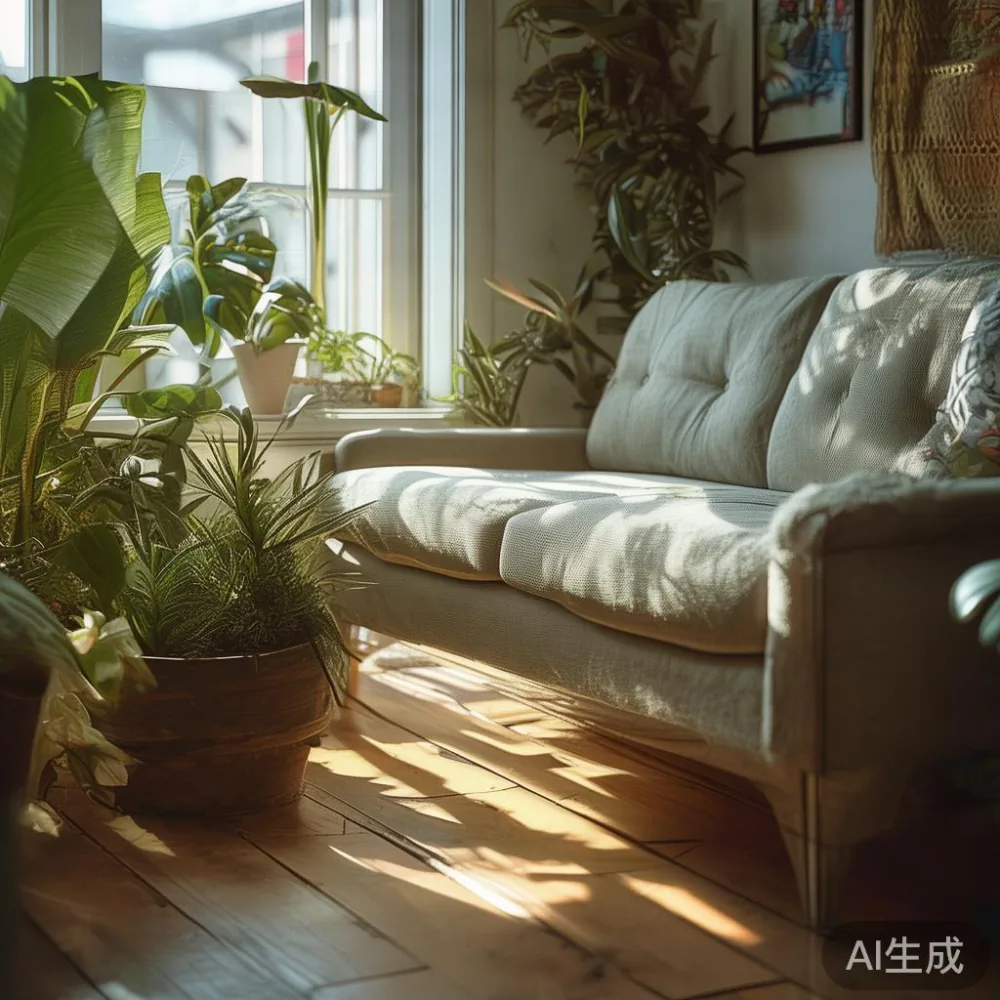
Think of it like the paint on a luxury car. It’s not just for colour; it’s a complex, engineered barrier. Damaging this barrier through improper cleaning or environmental neglect can lead to irreversible damage to the wood itself, devaluing your piece significantly. The goal of our care routine is to preserve this protective barrier, ensuring it continues to perform its function flawlessly.
How Singapore's Humidity and Sunlight Affect Your Loveseat
Singapore's climate is characterised by high relative humidity, often hovering between 80% and 90%. This constant moisture in the air is the primary enemy of a lacquered surface. Wood is a hygroscopic material, meaning it absorbs and releases moisture from the air. When the humidity spikes, the wood beneath the lacquer expands. When it drops, the wood contracts. This constant expansion and contraction puts immense stress on the rigid lacquer layer.
Over time, this stress can cause the lacquer to lose its adhesion to the wood. It might begin to 'check' or 'craze', developing the fine, hairline cracks I saw on my client's loveseat in Tampines. These cracks not only ruin the aesthetic appeal but also create pathways for moisture to penetrate the finish and reach the wood, potentially causing swelling, warping, or even mould growth. The cost to repair a severely damaged lacquered surface can easily exceed SGD 800, depending on the size and complexity of the piece.
Alongside humidity, we must contend with intense ultraviolet (UV) radiation from our abundant sunshine. UV light is a powerful bleaching agent. A loveseat placed in a sun-drenched spot, perhaps near a large window in a condo with a narrow corridor for access, will experience fading. The deep, rich tones of the wood and lacquer will gradually lighten, losing their depth and vibrancy. The fading is often uneven, creating unsightly patches and stripes on the surface. This is why the placement of your furniture within your home is just as important as the cleaning routine itself.
Is it possible to completely prevent damage from the tropical climate?
This is a question I hear often from homeowners, especially those who have invested in a high-quality piece of furniture. The honest answer is that you cannot completely prevent the effects of a tropical climate on a natural material like wood. However, you can manage these effects to such an extent that damage becomes negligible and the lifespan of your furniture is dramatically extended. The goal is not to fight nature, but to work with it through intelligent placement and consistent, gentle care.
p>Think of it like skincare for your furniture. You wouldn't expect a single application of moisturiser to protect your skin from the sun for a lifetime. Similarly, a one-off polish won't shield your loveseat from years of humidity and UV exposure. It requires a routine. A proactive approach involves controlling the furniture's immediate environment as much as possible. This includes using air conditioning to regulate humidity and strategically placing your loveseat away from direct sunlight. Combined with a proper cleaning and maintenance schedule, these steps create a powerful defence system that preserves the integrity of the lacquer for decades.
For instance, my colleague recently moved into a new HDB flat in Bedok and was worried about her new loveseat. She followed a strict regimen of weekly dusting and monthly conditioning with a specialised wood product. After one year, her loveseat looks as good as the day it was delivered, with no signs of checking or fading. This demonstrates that consistent, correct care is far more effective than any single 'miracle' product.
Weekly Cleaning: The Gentle Touch
The foundation of good loveseat care is a simple, regular cleaning routine. Dust and abrasive particles are silent killers of a lacquered finish. Every time someone sits on the loveseat or walks past it, tiny particles of dust, sand, and fabric fibres can settle on the surface. When you wipe or sit down, these particles can act like fine sandpaper, creating micro-scratches that dull the sheen over time.
Your weekly cleaning ritual should be gentle and non-invasive. Start with a soft, lint-free microfiber cloth. A standard 40cm x 40cm cloth is perfect for getting into the curves and crevices of a loveseat. Dampen the cloth slightly with distilled water. Using distilled water is important because it lacks the minerals found in tap water, which can leave behind a white, chalky film on the lacquer. Wring the cloth out thoroughly until it is just damp, not wet.
Using a light, feather-like touch, wipe the entire surface of the loveseat. Follow the direction of the wood grain if it's visible beneath the lacquer, or use broad, circular motions for a purely smooth surface. Immediately follow with a second, dry microfiber cloth to buff the surface and remove any lingering moisture. This simple two-step process takes less than 5 minutes but is the single most effective thing you can do to maintain the finish's clarity and prevent the buildup of damaging particles.
Monthly Maintenance: Nourishing the Lacquer
While weekly cleaning removes surface dirt, monthly maintenance is about nourishing and protecting the lacquer itself. Even the highest quality lacquer can become dry and brittle over time, especially in our air-conditioned homes. A specialised furniture polish or cream designed for lacquered surfaces helps to restore the oils and waxes that keep the finish supple and resistant to cracking.
Apply a small amount of the polish—no more than a 5-cent coin size—to a clean, soft cloth. Never spray the polish directly onto the loveseat, as the liquid can seep into seams or cracks. Work the polish into the cloth until it's barely visible, then apply it to the surface using the same gentle, circular motions as your weekly cleaning. Allow the polish to sit for 60 to 90 seconds. This gives the nourishing ingredients time to interact with the lacquer. Finally, buff the surface thoroughly with a fresh, dry microfiber cloth until you achieve a deep, lustrous shine. This monthly conditioning helps to fortify the finish against the daily stresses of humidity and use.
When choosing a polish, opt for a high-quality, non-silicone product. Silicones can create a beautiful initial shine, but they can also build up over time, creating a hazy film that is difficult to remove and can interfere with future refinishing should it ever be necessary. A good polish will contain natural waxes like carnauba or beeswax, which provide a protective layer without compromising the integrity of the lacquer.
Strategic Placement and Environmental Control
Where you place your lacquered loveseat is just as important as how you clean it. A little foresight during the initial setup can save you a world of trouble later. The most significant environmental threats are direct sunlight and exposure to air conditioning vents.
Position your loveseat away from windows that receive direct, unfiltered sunlight for more than an hour or two a day. If a sunny spot is unavoidable, invest in high-quality, UV-protective window film. This film can block up to 99% of harmful UV rays without significantly darkening your room. It's a one-time installation that costs between SGD 80 and SGD 150 per window, but it provides invaluable protection for your furniture and other furnishings.
p>Similarly, avoid placing the loveseat directly in the path of an air-conditioning vent. The constant, direct blast of cold, dry air can cause the lacquer to cool rapidly and contract, increasing the stress on the finish. If your condo in Tampines or Punggol has limited living space and you have no choice but to place the furniture near a vent, try to deflect the airflow with a decorative screen or a large plant. This simple buffer can make a significant difference in preserving the finish's integrity.
For those living in HDB flats with standard lift and corridor widths, remember that manoeuvring a large piece of furniture like a loveseat requires careful planning. Ensure the path is clear, and consider removing doors if necessary, to prevent accidental bumps and scrapes during delivery and placement. Protecting the finish during this initial move is the first step in its long-term care.
Addressing Common Issues: Stains, Spots, and Minor Damage
Despite your best efforts, accidents can happen. A glass of red wine, a drop of coffee, or the greasy fingerprint from a child's hand can mar the surface of your loveseat. The key is to address spills immediately and correctly to prevent them from causing permanent stains or damaging the lacquer.
For liquid spills, act fast. Grab a clean, dry, absorbent cloth and gently blot the spill. Do not rub, as this can spread the liquid and push it into the finish. Continue blotting until no more liquid is absorbed. For sticky substances, like juice or syrup, use a cloth dampened with a mild solution of water and a drop of pH-neutral dish soap. Wipe the area gently, then immediately follow with a cloth dampened with clean water to remove any soap residue. Dry the spot thoroughly with a soft towel.
For stubborn water spots, which can appear as cloudy white rings, you can try a home remedy. Apply a small amount of non-gel toothpaste to a soft cloth and gently buff the spot in a circular motion. The mild abrasives in the toothpaste can sometimes remove the moisture trapped in the lacquer. If this doesn't work, it's best to consult a professional furniture restorer, as DIY attempts with harsh chemicals can cause more damage. A professional touch-up can often remove a spot for a fee of around SGD 150 to SGD 300, depending on the severity.
When to Call a Professional vs. DIY Repairs
There is a fine line between minor maintenance and major damage that requires professional intervention. Knowing when to call in a specialist is important to avoid making a bad situation worse. A professional furniture restorer has the tools, materials, and expertise to handle issues that are beyond the scope of regular care.
DIY repairs are suitable for minor issues like the occasional water spot or a light surface scratch that hasn't penetrated the lacquer. As mentioned, non-gel toothpaste or a specialized scratch remover for gloss finishes can be effective for very superficial blemishes. However, if you notice the lacquer has cracked, chipped, or peeled away from the wood, it is time to call a professional. Attempting to fill these cracks with store-bought wood fillers or touch-up pens will result in a messy, amateurish finish that detracts from the piece's value.
p>A professional can perform a complete refinishing process, which involves carefully stripping the old lacquer, repairing any damage to the wood, and applying a new, multi-layered lacquer finish. This is a complex and time-consuming process that restores the loveseat to its original, factory-fresh condition. For a high-quality piece, this investment is worthwhile. The cost varies based on the size and complexity of the loveseat, but you can expect to pay anywhere from SGD 1,200 to SGD 2,500 for a full refinishing service. This is why a 10-year structural warranty from a maker like MIDHILL is so valuable, as it covers such foundational issues.
Remember, a professional's goal is to preserve the artistry of the piece. They understand how to match sheen, colour, and texture, ensuring the repair is smooth and invisible. This level of craftsmanship is something you simply cannot replicate at home.