Loveseat Costs Over 5 Years: Veneer vs Solid Wood in Singapore
Choosing a loveseat for a Singapore home is rarely a question of appearance alone. The purchase price matters, but so do humidity, daily use, lift access, maintenance, resale value, and what happens when a corner gets chipped in year three. A veneer loveseat and a solid wood loveseat can look closely related on a product page while behaving very differently over five years.
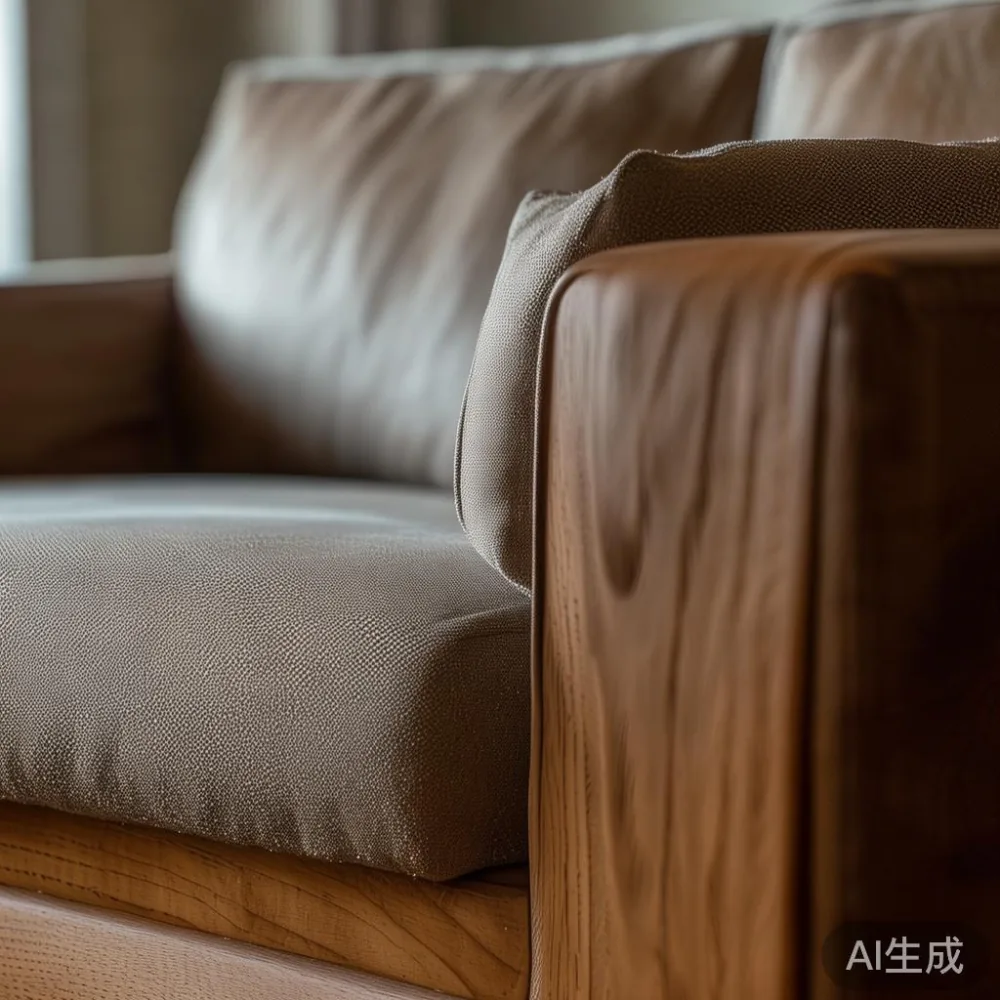
This comparison uses realistic Singapore figures for a 140–160 cm loveseat, based on indicative retail pricing, delivery assumptions, and replacement or repair scenarios. The aim is not to declare one construction universally superior. It is to show how the same furniture budget can produce different outcomes after 60 months.
What is the realistic 5-year cost of a veneer loveseat?
A typical engineered-wood frame with veneer panels may cost SGD 1,200–2,200 before GST in Singapore. For the most accessible option, assume SGD 1,500 for the loveseat, SGD 155 for delivery and installation, and SGD 257 for the 9% GST already included in those estimates. A premium veneer model may reach SGD 2,200, but the comparison below keeps the baseline at SGD 1,500 so that maintenance can be tracked clearly.
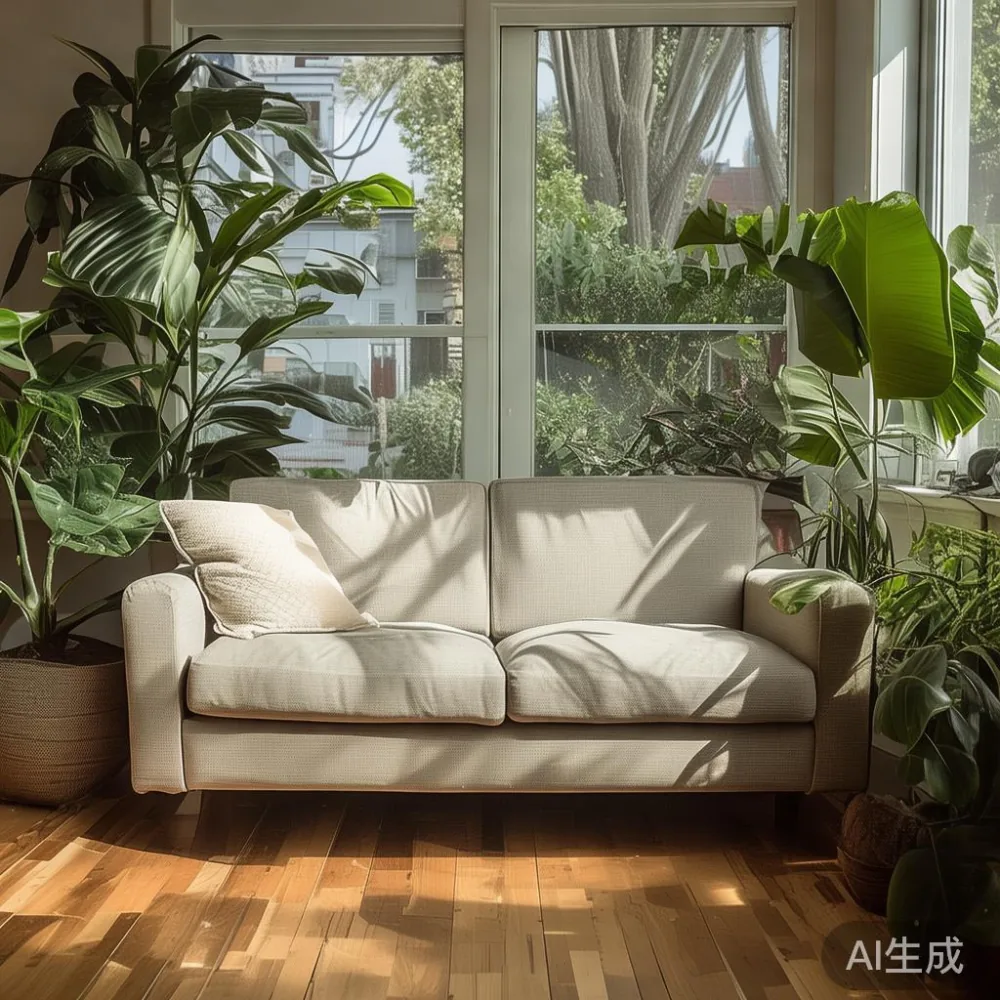
Over five years, allow SGD 0 for ordinary maintenance if the finish remains sound, but reserve funds for likely incidents. A minor scratch or edge repair may cost SGD 80–180. Replacing one badly marked side panel can cost SGD 220–450 if a matching veneer sheet is available; if the pattern has been discontinued, the repair may become uneconomic. A new seat cushion cover can add SGD 180–350, while replacement foam for a two-seat sofa may cost SGD 220–420.
For a representative moderate-use case, budget SGD 240 for one repair visit, SGD 180 for cushion covers, and SGD 160 for a second repair or hardware replacement. That produces a five-year ownership cost of SGD 2,080–2,230 when the purchase, delivery, GST, and upkeep are counted together. This excludes moving charges and extraordinary water damage.
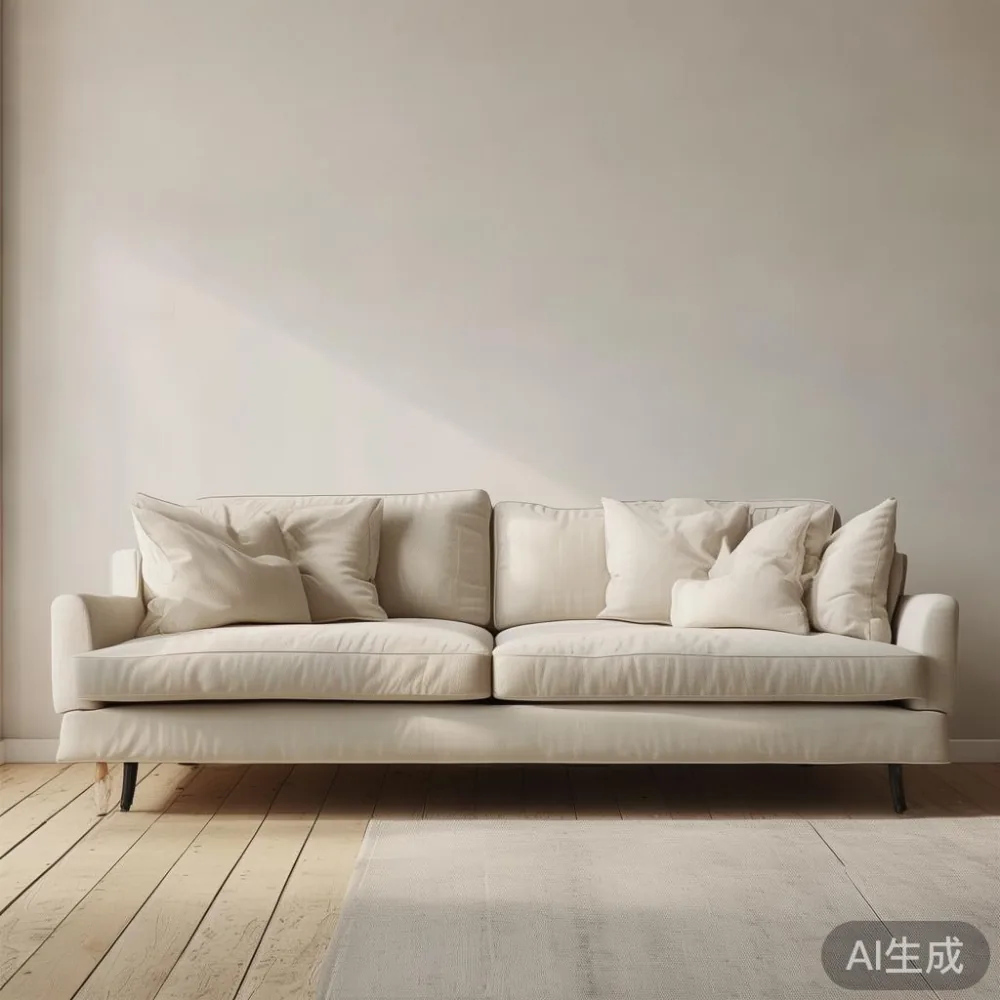
Veneer can perform well when panels are sealed properly and the loveseat is kept away from air-conditioning vents and windows with direct afternoon sun. Its thinner material also makes a lighter piece easier to manoeuvre through HDB lift lobbies and condo corridors. The trade-off is that the visible face layer is still wood, only around 0.6–2 mm on many products, so deep scratches can expose a different colour beneath.
What is the realistic 5-year cost of a solid wood loveseat?
Assume a kiln-dried hardwood loveseat at SGD 2,900, delivered and installed for SGD 155, with GST included in the stated retail figure. A heavier frame may require two delivery workers and a larger van. In some Singapore buildings, the lift opening is only 80–90 cm wide, so confirm the packed loveseat dimensions before booking. A 150 cm model may arrive in separate modules, each 35–50 kg, rather than as a single 85–110 kg body.
Basic care is inexpensive: a soft cloth, mild soap, and a wax or oil product every 12–18 months may cost SGD 40–90 per year. A full refinishing service can cost SGD 450–850, although it may not be necessary within five years. Reserve SGD 120 for minor hardware work in year two, SGD 220 for two drawer or rail adjustments, and SGD 260 for local scuff repair. The resulting five-year cost is approximately SGD 3,650–3,980.
That is around SGD 1,570–1,900 more than the representative veneer scenario. However, the higher figure includes a structure that can tolerate heavier repair. Sanding and refinishing a solid wood frame or rail can restore the original appearance without replacing the whole component. The material also tends to retain value better, especially when the design remains current.
Solid wood is not automatically maintenance-free. Water rings, oil marks, and sunlight can still damage the finish. A humid unit that is not ventilated may expose joints to movement. Ask the supplier about kiln-drying, connector material, and the warranty rather than relying only on the words “solid wood” on a listing.
Is the price difference worth it for Singapore homes?
Consider a family in Tampines who uses the loveseat daily, has two children, and keeps it beside a sunlit window. The lower upfront price of veneer is attractive, yet one damaged corner in year three may cost more to disguise than a careful repair on solid wood. A Bedok condo resident who expects to redecorate in year four may get more financial value from a well-made veneer loveseat if it can be deep-cleaned, reupholstered, and kept in good condition.
Singapore’s 9% GST applies to both imported furniture and domestic retail purchases unless a specific exemption applies. Since April 2023, GST on imported furniture has generally been 9%, with a higher rate still applying to certain luxury imports, so confirm the classification and total payable amount in writing. GST should be shown as a separate line in any quotation; it should never be hidden inside a vague “delivery-inclusive” total.
Delivery is another reason to compare total cost. MIDHILL offers delivery over US$350, but Singapore orders should be confirmed directly for the quoted freight, lift surcharge, and installation scope. Typical lead time for a made-to-order loveseat is 35–60 days, while ready-stock options may take 7–21 days. A rushed custom order may cost an extra SGD 120–300. Ask for the promised dispatch date, not merely the number of days shown on a product page.
The practical answer depends on expected years of use and the likelihood of moving. A veneer loveseat can suit a rental flat where low weight and controlled cost matter. Solid wood is often more compelling for a family that expects to keep the same piece for 8–12 years, has pets, or values repairability. The extra SGD 1,600–2,000 buys material depth, longer repair options, and a different resale profile.
Which material is easier to move through HDB flats and condos?
Measure before choosing. In many HDB blocks, lift doors measure about 80–90 cm wide and 200–210 cm high, although older or retrofit lifts can differ. Corridors may include turns of 100–120 cm. A loveseat that fits a showroom but not the lift may still be delivered by carrying sections up a staircase, adding SGD 150–400 in labour.
Veneer loveseats often weigh 45–70 kg because they use an engineered or mixed frame. Solid wood models can weigh 70–110 kg, with a larger packed size. That does not make solid wood impossible to deliver; modular construction is the key. A seller should provide the length, width, height, and weight of each package, along with whether the loveseat separates into two seats or three parts.
In a Punggol HDB flat, narrow turning angles may favour a 135–145 cm loveseat rather than a 165 cm model. In a newer Tampines condo, a freight lift may accept a 95–110 cm opening with a protective pad requirement. Confirm whether the lift manager requires booking, and whether Sunday or evening delivery is permitted.
My colleague last month helped a customer uncrate a 152 cm solid wood loveseat in a Bedok condo. The two seat boxes measured 72 × 58 × 48 cm and weighed 43 kg each; the back section weighed 39 kg. They fitted through the 92 cm service lift because the supplier had split the frame into modules. That simple design decision prevented roughly SGD 300 in stair-carry charges.
How do finishes, humidity, and sunlight affect the 5-year bill?
For veneer, a 5-layer polyurethane finish usually provides useful protection but can chip at exposed edges. Ask whether the surface is sealed on all faces. Water-based finishes may be easier to repair, while conversion varnish can deliver a deeper gloss but requires more careful handling. Low-sheen matte finishes conceal small marks better than high-gloss lacquer.
Solid wood expands and contracts as humidity changes. Singapore’s outdoor relative humidity can move from roughly 65% to 90%, while air-conditioned interiors may sit near 50–60%. Quality joinery and kiln-dried timber help, but furniture should not be pressed against an air-conditioning unit or placed beside a damp balcony wall. Leave 5–8 cm of ventilation space where practical.
Use coasters and trays even on a solid wood dining table, as rings can become visible. On a marble table, avoid acidic drinks and use pH-neutral stone cleaners. A marble table may complement the same solid wood sofa, yet its porous surface needs a different care routine. For occasional water marks on wood, blot immediately rather than rubbing.
Light-luxury styling does not require heavy carving. French light luxury often uses pale oak, cream upholstery, curved profiles, and slim bronze accents. American light luxury tends toward generous cushions, rounded arms, and warmer walnut tones. Post-modern light luxury can pair clean frames with sculptural details. The material should support the visual language rather than substitute for it.
The same design vocabulary appears across other pieces: a solid wood sofa needs stronger load paths than a decorative side chair, while a bed frame must remain stable around moving joints. A wardrobe must resist door alignment changes, a nightstand needs stable drawers, and a dining table must handle heat and spills. Those differences explain why construction specifications matter across a coordinated home.
Can a solid wood loveseat be refinished after five years?
Usually, yes, if the piece is structurally sound. Sanding may remove scratches that would permanently scar a thin veneer face. A local refinisher may charge SGD 450–850 for a loveseat, depending on the timber, rail condition, and finish. If the design is timeless, this cost may preserve more value than replacing a similar new model at SGD 1,800–2,500.
Veneer can also be refinished in some cases, but only when enough veneer remains to sand. If the sheet is too thin, repair means replacing the face panel, foils, or a complete side. Matched grain is difficult, particularly after three to five years of UV fading.
This repairability is one reason to inspect the inside of a solid wood loveseat. Look for hardwood rails, dowelled or mortised joints, and accessible screws. A glued veneer shell may be harder to treat. For the related bedroom category, a Modern light luxury wardrobe should also be checked for moving parts, drawer runners, and board thickness. Guidance on how to choose light luxury wardrobe can help buyers assess those construction details before comparing finish samples.
For living rooms, a European light luxury coffee table can add pale stone, glass, or restrained timber without crowding a 140 cm loveseat. Buyers comparing a European light luxury coffee table with a marble table should leave 35–45 cm between the seat edge and the coffee table for circulation. These accessories should complement the room, not distract from the cost and durability of the main seat.
What should a Singapore buyer ask before ordering?
<Ask for the loveseat dimensions in centimetres, the product weight in kilograms, and the packed dimensions of every module. Request a drawing if the model is custom. Check that the quoted delivery includes carrying to the unit, assembly, packaging removal, and any lift or corridor surcharge. A written delivery window of 35–60 days is more useful than a general statement about production.
Check the warranty in years and define what it covers. A 10-year structural warranty can be meaningful, but it may exclude finish wear, accidental damage, or commercial use. Ask whether the coverage is transferable when the home is sold and whether replacement parts are shipped from Singapore or overseas.
For the bedroom, French for guest room styling often points to slim profiles, soft upholstery, and a muted palette rather than oversized furniture. A compact guest bed frame around 120 × 200 cm may suit a multipurpose room in Tampines, while a 160 cm width may block a corridor. A nightstand measuring 40–50 cm should align with the mattress edge rather than float in the room.
Warranty and service also matter when comparing 2026 European light luxury furniture. Confirm whether replacement hardware, cushions, and veneer are stocked locally. For a MIDHILL dining table, request the timber species, finish type, and table dimensions at the same time as a loveseat quotation, so the finishes can be coordinated. MIDHILL’s 10-year structural warranty and lifetime refinishing policy provide useful points of comparison, but buyers should still verify the written terms for each item.
Returns are easier to judge against clear timelines. A 14-day return period can allow assembly and comfort checks, yet vacuuming, removing protective film, or using the loveseat may affect eligibility. Ask about restocking charges, return freight, and whether a mattress-like or made-to-order product has different terms.
How do the totals compare over 60 months?
Using the assumptions above, the representative veneer loveseat costs about SGD 2,080–2,230 across five years. The solid wood loveseat costs about SGD 3,650–3,980. The difference is approximately SGD 1,420–1,900, or SGD 284–380 per year.
That annual figure is the simplest comparison. If the veneer piece needs one full side-panel replacement costing SGD 350, its five-year cost rises to roughly SGD 2,430–2,580. If the solid wood piece receives only one SGD 180 repair and no refinishing, its cost falls to about SGD 3,570–3,790. Local labour rates, timber choice, and finish quality will change the numbers, but the direction remains useful.
For a rental or short-use room, the lower commitment of veneer may be sensible. For a main living room used every day, solid wood offers more repair options and can absorb several moves without the same concern about edge chips. The most valuable choice is the one whose materials, dimensions, warranty, and service terms suit the actual home.
Before ordering, measure the lift opening, corridor turns, and intended position. Then compare the full five-year cost rather than the invoice alone. A well-selected solid wood loveseat may cost more initially, yet remain easier to restore, adapt, and pass to the next owner after five years of Singapore living.