Humidity's Impact on Wood Furniture: A Singapore Insight
Singapore’s warm, humid climate can change solid wood more quickly than many owners expect. A new solid wood sofa may feel perfectly stable in a Tampines HDB flat, yet its frame, joints, and finish can respond to daily moisture shifts within weeks. Air-conditioning reduces indoor humidity, but condensation around windows, frequent door openings, and wet laundry can still affect furniture in Bedok, Punggol, and condo bedrooms across the island.
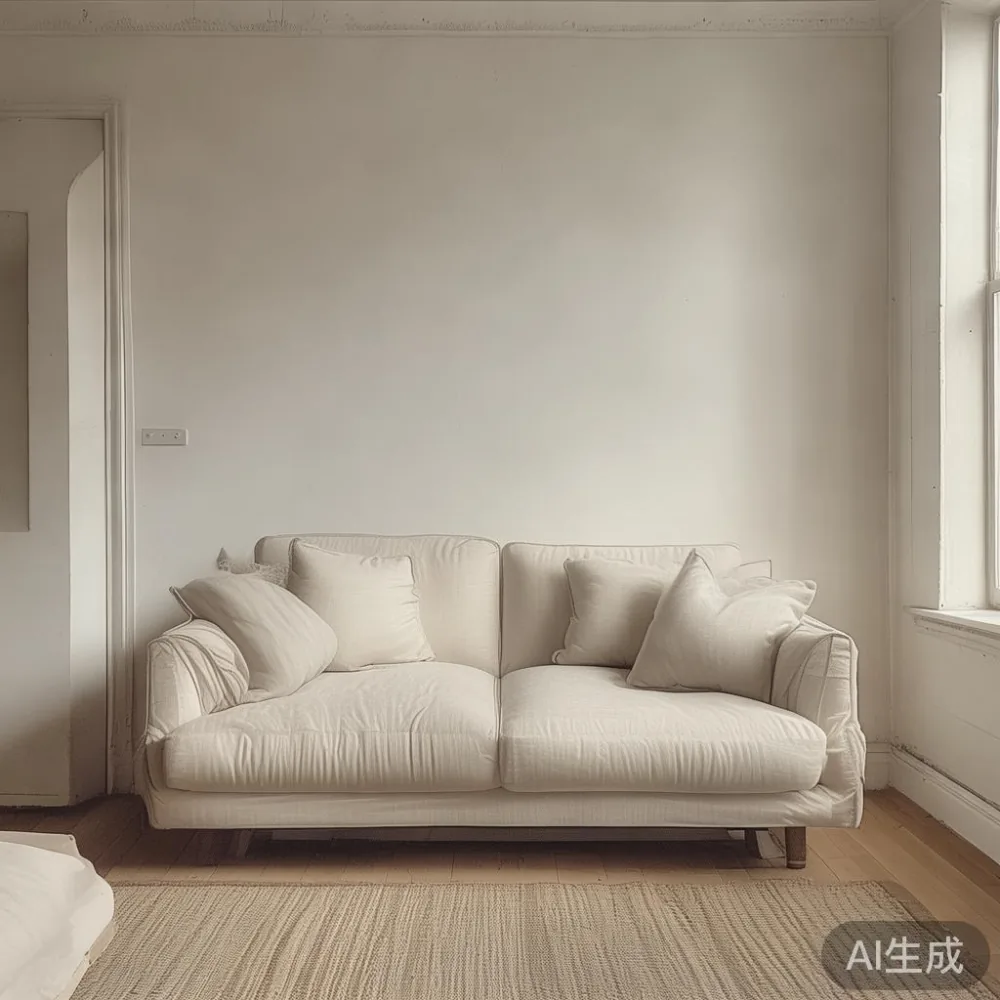
This guide explains how humidity affects wood furniture, what Singaporean homeowners should monitor, and how to protect pieces such as a loveseat, bed frame, dining table, wardrobe, nightstand, and marble table. It also considers the practical constraints of HDB corridors, compact lifts, and local delivery schedules. MIDHILL has exported solid wood furniture to more than 15 countries since 2008, and every piece carries a 10-year structural warranty, with lifetime refinishing available.
Why does humidity make solid wood furniture move?
Wood is hygroscopic: it absorbs moisture when the surrounding air is humid and releases it when the air becomes drier. In Singapore, relative humidity may sit around 60–80% during rainy periods, while air-conditioned interiors can fall to roughly 45–60%. These swings cause timber fibres to swell and shrink by small but measurable amounts.
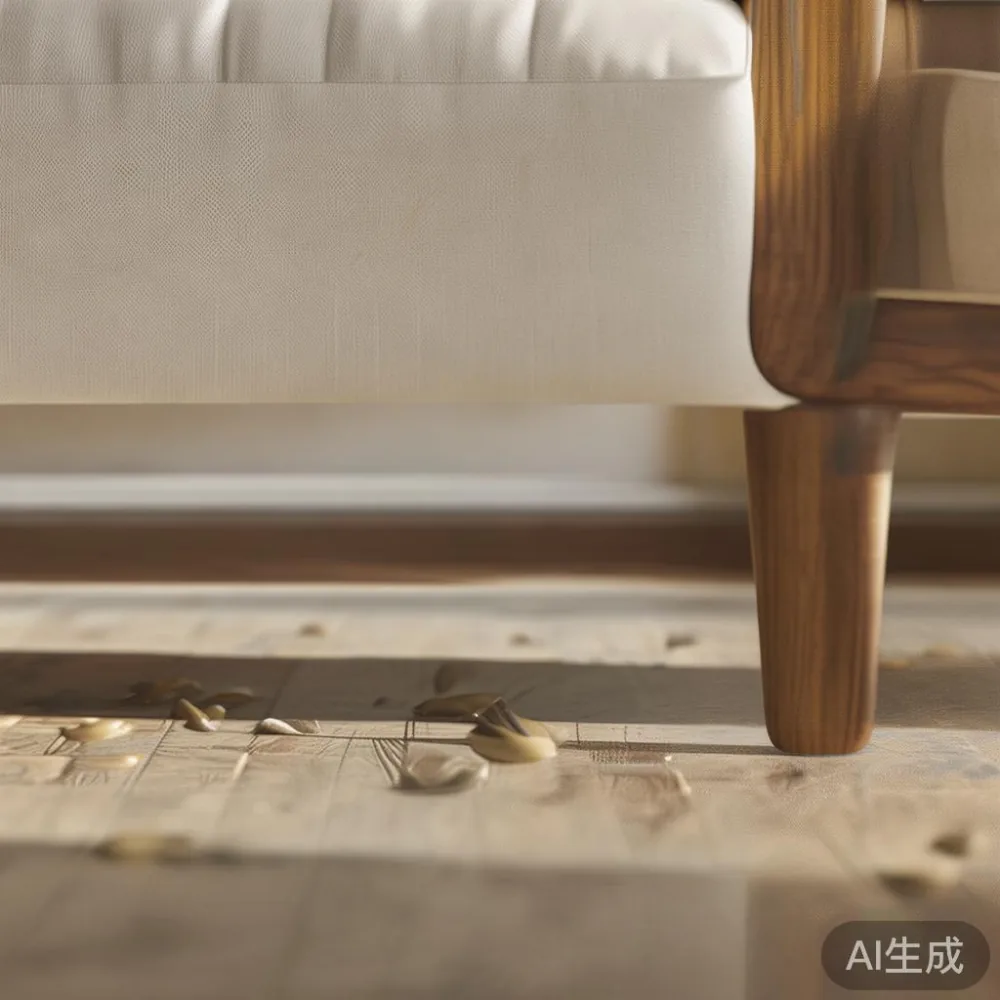
A 180 cm wide solid wood sofa with a 45 cm seat depth may expand by several millimetres across its width as humidity rises. That movement can create tighter joints, sticking doors, or a slightly uneven gap around a fitted wardrobe. Solid wood bed frames may creak as rails and slats adjust, while a dining table can develop small surface checks near its edge. These issues are not necessarily a structural failure; they often reflect normal moisture movement.
The risk increases when furniture is delivered into a different environment from the one where it was stored. For example, a table acclimatised in Foshan’s humid factory environment may behave differently after entering a dry, air-conditioned Punggol condo. Allow new solid wood pieces to acclimatise for 7–14 days before tightly positioning them against walls or covering them with fitted sheets.
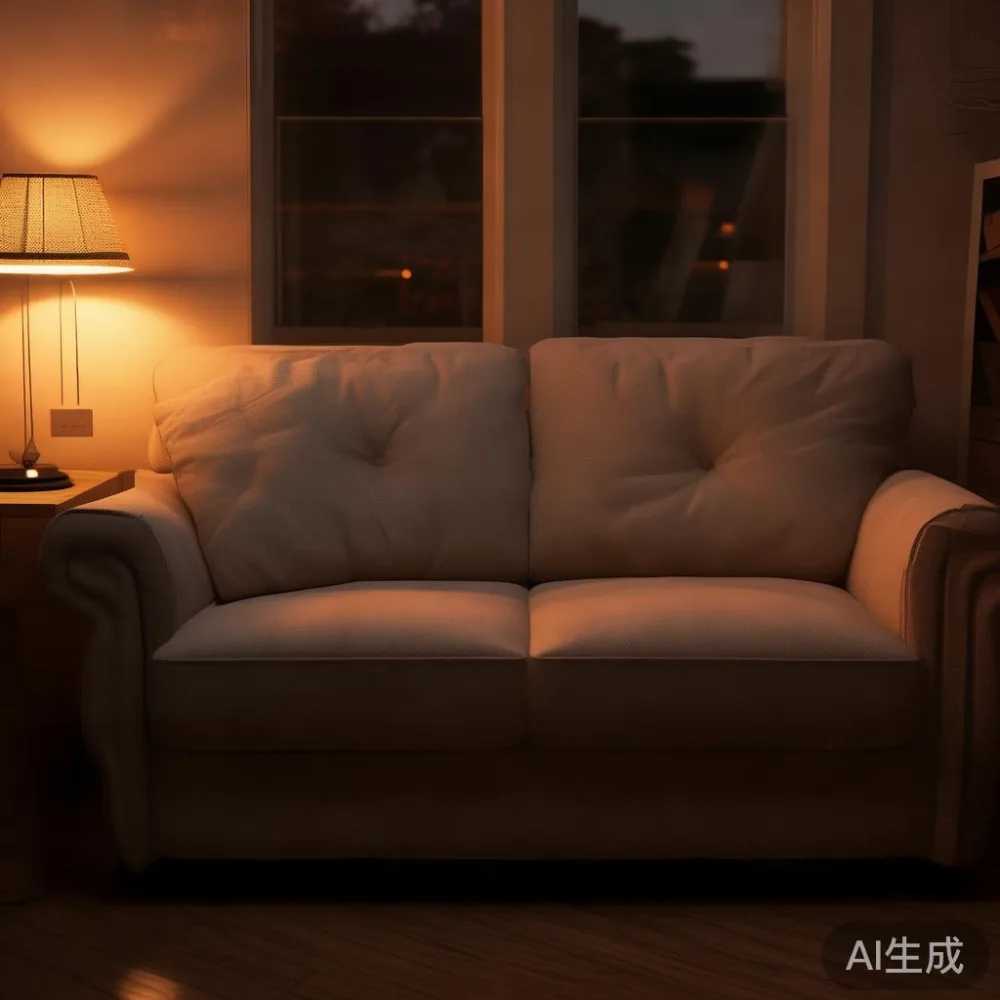
Engineered wood is not immune, but it generally moves less than solid timber. Veneers can lift at edges if moisture enters the bond, while particleboard may swell along exposed particle lines. A solid wood loveseat, by contrast, can usually be sanded and refinished when its surface becomes dull or marked, provided the underlying timber remains sound.
What humidity level is comfortable for wood furniture?
A reasonable indoor target is 45–65% relative humidity, with moderate stability more important than a perfect reading on any single day. Singapore’s rain, monsoon periods, and frequent use of air-conditioning make sudden changes common. A digital hygrometer placed beside the furniture is more useful than checking only a weather app because the instrument measures the room around the piece.
Keep the reading within a band of about 10 percentage points over a 24-hour period where possible. A shift from 52% to 68% in one evening can be more noticeable than a stable 60%. Avoid directing vents directly at a loveseat or bed frame. Air-conditioning at 24–26°C generally supports stable indoor conditions, while a targeted dehumidifier can help maintain a 50–60% range in a closed bedroom.
For furniture care, wipe surfaces with a soft, slightly damp cloth and dry them immediately. Do not use a soaked cloth, household glass cleaner, or concentrated detergent. A cloth that leaves visible water trails after squeezing is too wet for a nightstand or dining table. Wipe spills within 10 minutes rather than allowing moisture to sit overnight.
Marble deserves a separate routine. A marble table may absorb little water through its stone surface, but moisture can reach the bonding material underneath an installed top or cause metal fittings to corrode. Use a pH-neutral stone cleaner, dry coasters promptly, and inspect the underside every 6–12 months for damp patches or staining.
How do HDB flats, corridors, and lifts affect furniture delivery?
Humidity control begins before a piece reaches the home. Singapore HDB buildings often have narrow common corridors and older lifts, so delivery planning can affect both the furniture and the surrounding walls. A loveseat with a packed width of 85 cm may fit a standard HDB lift more easily than a 210 cm sofa, while a 200 cm bed frame may need to be carried in sections. A dining table with a 220 cm top may need turning at a landing.
Measure the route rather than relying on the building’s floor-plan drawing. Record the lift door width, internal lift depth, corridor turns, staircase width, and the height of any horizontal pipes. The free lift booking window can last 30–120 minutes, depending on the block and management rules. Reserve at least 3 delivery days ahead, and request a morning or afternoon slot that avoids peak meal preparation times.
Singapore’s GST is already reflected in displayed retail prices, so GST should not be added again during budgeting. For a SGD 2,480 loveseat, the customer pays SGD 2,480 rather than an additional 9% if the seller provides GST-inclusive pricing. For local purchases over SGD 350, MIDHILL offers free shipping, while 14-day returns provide a practical inspection period. Confirm the return condition because humidity damage, fading, and physical alteration may not qualify after use.
Last month I visited a customer in Bedok who had placed a new dining table beside a frequently opened balcony door. The hygrometer beside it read 76%, compared with 58% near the inner wall. After the team moved the table 40 cm away from the opening and reduced the door’s use during heavy rain, the local reading improved to 64% within 6 hours. The inspection also revealed a damp coaster ring that could be treated before the finish was affected.
Can Singapore humidity damage a solid wood sofa?
Yes, sustained high humidity can cause swelling, mould growth on concealed surfaces, softened finishes, corrosion around screws, and weakened joints. The likelihood of serious damage within 1 year is lower when timber is dry when delivered, the room remains ventilated, and the piece is kept away from persistent dampness. Problems often appear first in enclosed areas, under cushions, at the rear of a wardrobe, or along the underside of a bed frame.
Inspect a solid wood sofa every 3–6 months. Look for a musty smell, darkened crevices, loose joints, or a finish that feels tacky rather than smooth. Lift removable cushions and check the frame beneath. A small squeak is not always a defect; a continuous creak under load deserves attention because it can indicate seasonal movement or a joint that needs adjustment.
For homeowners comparing styles and construction, the question “is French provincial sofa worth it” is more practical when followed by a moisture check. A French provincial design with carved details and pale upholstery needs careful humidity management because textured crevicles can retain moisture. The same applies to a solid wood loveseat with an open underframe: leave at least 10 cm between the base and the floor where possible, and maintain airflow around the rear.
For a bedroom, “how to style American bed in bedroom” can include both visual placement and moisture planning. An American-style solid wood bed frame should stand 5–10 cm away from exterior walls if ventilation is limited, and it should not press into fitted alcoves that trap damp air. Check the slats and centre rail after the first 2 humid weeks.
How should I protect a wardrobe, nightstand, and marble table?
A fitted wardrobe needs airflow even when its doors are closed. Leave the top, sides, and bottom clear of gaps where dust or dampness can settle. In a compact HDB bedroom, avoid pushing the wardrobe directly against a cold exterior wall unless the manufacturer permits installation. Add 2–3 cm of ventilation space where feasible and open the doors for 15–20 minutes after the room has been heavily air-conditioned.
A nightstand is often placed near a window or beside the bed, so local condensation matters more than the general regional forecast. Use a coaster under a cup and a tray beneath a small humidifier. Do not refill a humidifier directly above the timber. Check behind the piece every 2–3 months, especially if it sits against a wall that feels cool or damp.
For a marble table, separate stone care from wood care. Clean the top with warm water and a neutral cleaner, then dry it. Inspect silicone joints around a sink or washbasin every 6 months and renew them if they separate. If the marble top is supported by a solid wood dining table base, monitor the fixing points because different materials can move at different rates.
For designers and trade buyers, MIDHILL dining table wholesale enquiries should include the destination climate, intended humidity range, tabletop dimensions, and packaging requirements. Export-grade pieces may need 10–14 days of acclimatisation in a humid warehouse before delivery. For residential projects under SGD 3,000, searches for under 2000 Mid-century modern furniture can surface design references, but buyers should compare actual solid timber specifications and warranty terms rather than focusing on the label alone.
What styling ideas work well in humid Southeast Asian homes?
Light-luxury styling works well because pale finishes show fewer small moisture-related marks than very dark surfaces. French light luxury, American light luxury, and post-modern light luxury can all suit HDB and condo interiors when the furniture has clean proportions, restrained ornament, and practical finishes. Choose a fabric for the seat if a solid wood frame is preferred, but confirm that the upholstery is removable and the cushion core does not retain moisture.
For the living room, a compact loveseat is often easier to manage than a large sofa. A width of 150–180 cm leaves useful circulation in many Singaporean living rooms and gives the timber more opportunity to stabilise. Avoid pushing it tightly against the rear wall. Use washable throws and replaceable cushion covers, particularly in a family home where spills are likely.
French provincial for bedroom inspiration can include curved bed frames, soft neutral colours, and bedside tables with practical drawers. Keep antique-style pieces away from open windows during monsoon periods. American light luxury favours broader profiles and clear lines, making it suitable for a bed frame or wardrobe with minimal applied detail. Post-modern light luxury can use slim handles, softened corners, and mixed materials such as a marble table with solid wood seating.
When evaluating “how to style Japanese sofa in room” suggestions for a Singapore apartment, prioritise low visual weight, removable covers, and clearance from walls. A low Japanese-style sofa can complement a compact living room, but it should not sit in a persistently damp corner. For French provincial for bedroom projects, allow enough space to wipe the floor and frame beneath the furniture.
Complete the room with coordinated but moisture-aware accessories. A rug should not touch a solid wood sofa base; 3–5 cm of clearance allows cleaning. Curtains should not remain damp against a wardrobe side. A bed frame should have enough space behind it to inspect for condensation, and a nightstand should remain 5 cm away from the wall where possible.
How can I check whether humidity has affected my furniture?
Begin with a hygrometer, a visual inspection, and a simple touch test. Place the hygrometer beside the furniture for 24 hours and record readings at 8 a.m., 2 p.m., and 10 p.m. for 3–5 days. Mark the floor and wall contact points of a wardrobe or bed frame with a pencil. If the gap changes by more than about 3 mm across several days, investigate ventilation, a nearby damp source, or a tight installation.
Run your hand along the underside of a dining table or nightstand. A cool patch may indicate condensation, while a rough, flaking finish requires closer inspection. Do not immediately apply oil to a damp surface. Let the wood dry gradually and check the moisture reading before treating it. Oils can seal in moisture or create a patchy appearance.
For a white oak or ash piece, minor surface marks may be handled by gentle cleaning and refinishing. Deep checks, mould, loose joinery, or softened timber need professional assessment. MIDHILL provides a 10-year structural warranty on eligible products and lifetime refinishing, so keep the invoice, product dimensions, and delivery record. Include photographs of the environment and hygrometer readings when reporting a concern.
Preventive care is usually simpler than restoration. Keep humidity near 45–65%, maintain airflow, wipe wet surfaces promptly, inspect hidden areas twice a year, and avoid abrupt placement against damp walls. For Singapore buyers seeking specific finishes or trade quantities, the trade contact midhillco can provide details on solid wood sofas, bed frames, dining tables, wardrobes, nightstands, and marble tables, together with delivery terms to Singapore.
Singapore’s humidity does not make solid wood furniture impractical; it makes steady care and sensible placement more important. A well-acclimatised loveseat, a ventilated bed frame, and a protected dining table can retain their structure and appearance for many years. With measured humidity, regular inspection, and suitable delivery planning, light-luxury furniture can remain comfortable and visually coherent in HDB flats and condos across Tampines, Bedok, Punggol, and beyond.